Search
Search Results
##search.searchResults.foundPlural##
-

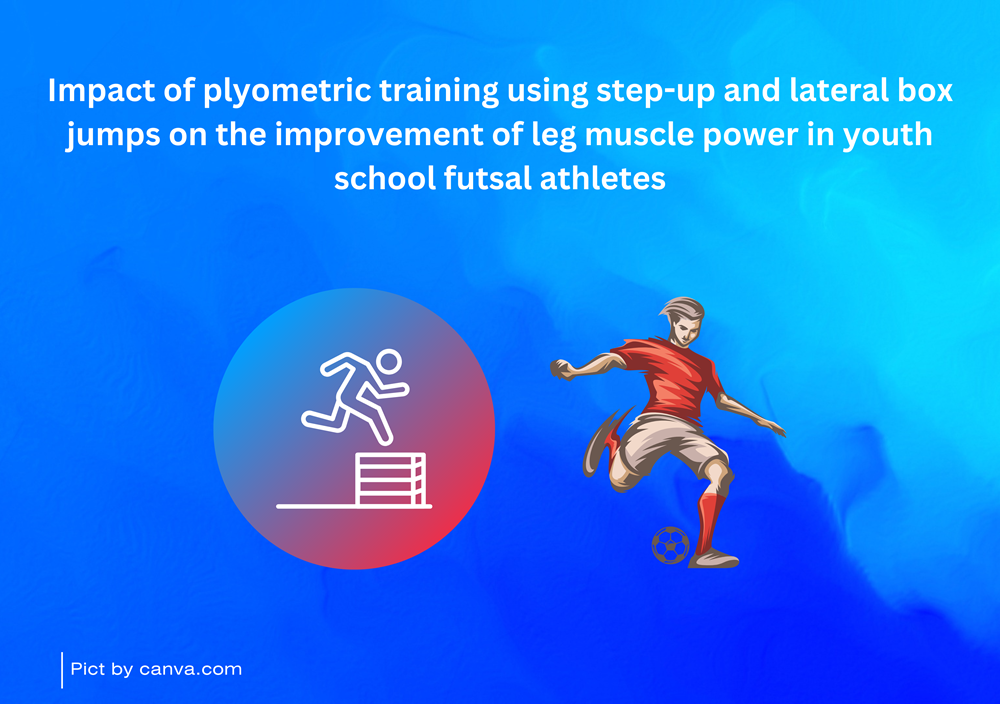
Impact of plyometric training using step-up and lateral box jumps on the improvement of leg muscle power in youth school futsal athletes
Risky Sandy Kurniawan1, Donny Anhar Fahmi2, Setiyawan Setiyawan31. Universitas PGRI Semarang , ID2. Universitas PGRI Semarang , ID3. Universitas PGRI Semarang , ID2025-08-15|page 212-221AbstractBackground: Futsal is a high-intensity sport that requires leg muscle power, especially in aerial duels, anticipating the ball, and performing powerful kicks. Limited jumping ability can reduce leg muscle power and overall performance.
Objectives: This study aims to test the impact of plyometric training using step-up and lateral box jumps on the improvement of leg muscle power in youth school futsal athletes.
Methods: A quasi-experimental single-group pretest-posttest design was conducted with 40 male participants over a four-week plyometric training program. Leg muscle power was measured using a vertical jump test before and after the intervention. Data were analyzed using a t-test with the assistance of SPSS.
Results: Both step-up and lateral box jumps significantly increased leg muscle power (p < 0.05). The step-up group showed an average increase of 4.20 cm, while the lateral box jump group showed an average increase of 3.45 cm, with no statistically significant difference (p = 0.326).
Conclusions: Both training methods effectively enhance leg muscle power and can be integrated into school-based futsal training programs to improve performance.
APA Citation StyleKurniawan, R. S. , Fahmi, D. A. , & Setiyawan, S. (2025). Impact of plyometric training using step-up and lateral box jumps on the improvement of leg muscle power in youth school futsal athletes. Physical Education and Sports: Studies and Research, 212-221. https://doi.org/10.56003/pessr.v4i2.611 -
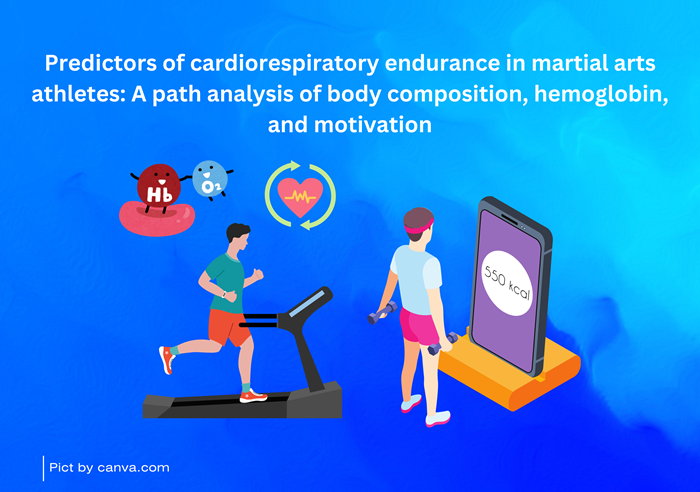
Predictors of cardiorespiratory endurance in martial arts athletes: A path analysis of body composition, hemoglobin, and motivation
Novanto Ponco Nugroho 1, Dani Nur Riyadi2, Aridhotul Haqiyah31. Universitas Islam 45 Bekasi , ID2. Universitas Islam 45 Bekasi , ID3. Universitas Islam 45 Bekasi , ID2025-07-01|page 83-94AbstractBackground: Cardiorespiratory endurance is vital to athletic performance, particularly in sports requiring sustained physical exertion such as martial arts.
Objectives: This study examined the predictive roles of body composition (BMI), hemoglobin concentration, and motivation on cardiorespiratory endurance among university-level martial arts athletes.
Methods: Using a quantitative path analysis design, data were collected from 20 purposively selected martial arts athletes who regularly trained. Cardiorespiratory endurance was assessed via the multistage fitness test, BMI was calculated using standard anthropometric measures, hemoglobin was measured using the Harenz scale, and motivation was evaluated with a validated Likert-scale questionnaire.
Results: The analysis showed that BMI (ρ = 0.705, t = 3.071, p = 0.007) and hemoglobin concentration (ρ = 0.946, t = 4.672, p < 0.001) had significant positive effects on cardiorespiratory endurance. Motivation, however, did not have a significant direct effect (ρ = 0.087, t = 0.853, p = 0.203). Additionally, BMI correlated positively with both hemoglobin (ρ = 0.923, p < 0.001) and motivation (ρ = 0.670, p = 0.034), suggesting indirect effects through physiological mechanisms.
Conclusions: The findings underscore that physiological indicators, specifically BMI and hemoglobin, are more critical predictors of aerobic capacity than psychological factors like motivation in this athletic population. Due to sport-specific demands, these results may not be generalizable to non-martial arts athletes. Future studies should incorporate additional mediators such as training intensity and account for potential self-report bias in motivation assessments.
APA Citation StyleNugroho , N. P. , Riyadi, D. N. , & Haqiyah, A. (2025). Predictors of cardiorespiratory endurance in martial arts athletes: A path analysis of body composition, hemoglobin, and motivation. Physical Education and Sports: Studies and Research, 83-94. https://doi.org/10.56003/pessr.v4i2.559 -
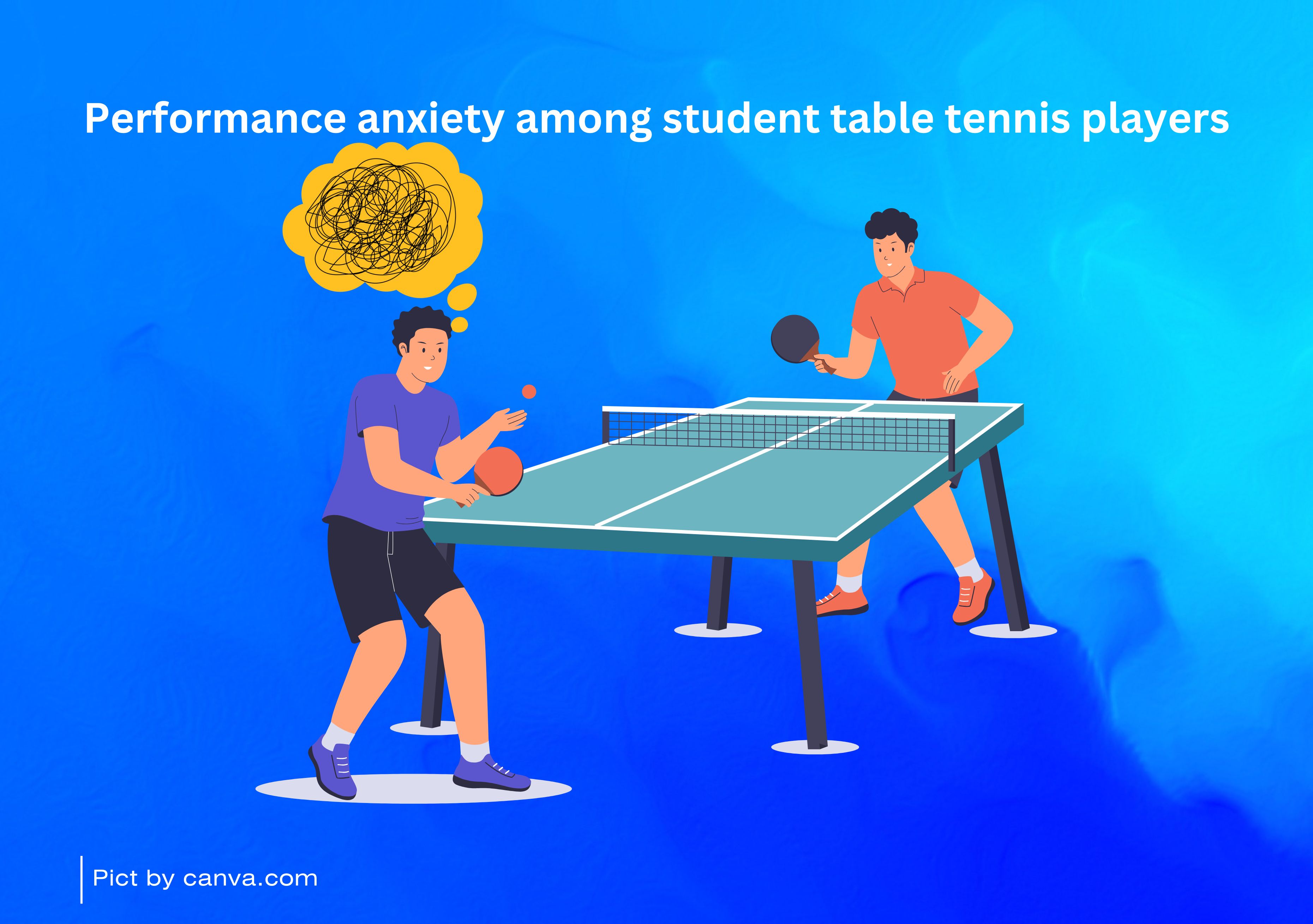
Performance anxiety among student table tennis players
Yumna Wahyuningsih1, Ibnu Fatkhu Royana2, Galih Dwi Pradipta31. Universitas PGRI Semarang , ID2. Universitas PGRI Semarang , ID3. Universitas PGRI Semarang , ID2025-12-18|page 318-331AbstractBackground: Anxiety is a common psychological factor that significantly affects athletic performance, especially in competitive settings. Student-athletes face dual pressures from academic responsibilities and athletic commitments, making them vulnerable to performance anxiety that can impair focus, concentration, and decision-making.
Objectives: This study aims to analyze performance anxiety among table tennis athletes in the Student Activity Unit (UKM) of Universitas PGRI Semarang and to examine differences in performance evaluation outcomes based on sources from internal and external factors.
Methods: A comparative quantitative design with a cross-sectional approach was used. Fifty athletes participated (n=25 assessed by internal factors, n=25 assessed by external factors). Anxiety/performance was measured using a self-report questionnaire consisting of 15 Likert-scale items (1-5 scale) validated by three sport psychology experts. Data were analyzed using one-way ANOVA after confirming normality (Shapiro-Wilk test) and homogeneity (Levene's test).
Results: The internal group had a higher mean score (M = 3.64, SD = 0.86) compared to the external group (M = 3.07, SD = 0.86). ANOVA revealed a statistically significant difference, F(1,48) = 4.92, p = 0.031, η² = 0.093, with an estimated Cohen's d of approximately 0.66, indicating a medium effect size. These findings indicate that anxiety factors affect athletes' performance, with internal factors tending to score higher than external factors.
Conclusions: This study concludes that anxiety affects the performance of table tennis athletes in the Student Activity Unit (UKM) at Universitas PGRI Semarang. Specifically, internal factors such as self-confidence and perfectionism have been proven to have a greater impact than external factors.APA Citation StyleWahyuningsih, Y. , Royana, I. F. , & Pradipta, G. D. (2025). Performance anxiety among student table tennis players. Physical Education and Sports: Studies and Research, 318-331. https://doi.org/10.56003/pessr.v4i3.618 -
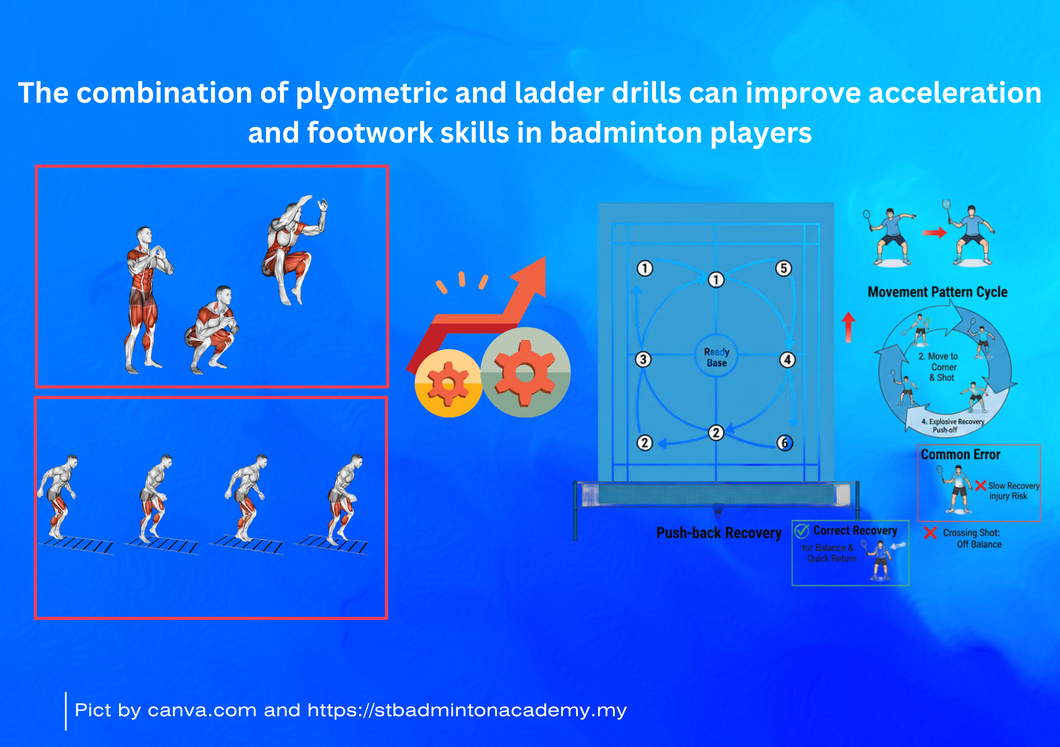
The combination of plyometric and ladder drills can improve acceleration and footwork skills in badminton players
Muhammad Labib Siena Ar Rasyid1, Oce Wiriawan2, Afif Rusdiawan3, Laily Mita Andriana4, Enarnimas Dwi Ratna Damayanti51. Department of Sports Coaching Education, Faculty of Sport and Health Sciences, Universitas Negeri Surabaya , ID2. Department of Sports Coaching Education, Faculty of Sport and Health Sciences, Universitas Negeri Surabaya , ID3. Department of Sports Science, Faculty of Sport and Health Sciences, Universitas Negeri Surabaya , ID4. Department of Sports Coaching Education, Faculty of Sport and Health Sciences, Universitas Negeri Surabaya , ID5. Department of Sports Coaching Education, Faculty of Sport and Health Sciences, Universitas Negeri Surabaya , ID2026-03-08|page 28-39AbstractBackground: Recognized globally as the fastest racket sport in the world, badminton demands exceptional acceleration and footwork skills for competitive success. However, many intermediate players often struggle to produce the explosive power needed for fast-paced rallies. To enhance these physical attributes, targeted training interventions, such as a hybrid regimen of plyometric and ladder drills, are often required.
Objectives: This study aims to analyze the efficacy of integrating plyometric exercises with ladder drills in enhancing acceleration and footwork proficiency among badminton players.
Methods: This research employed a quasi-experimental design with a non-equivalent control group. Through purposive sampling, 24 male participants (aged 14-16 years) with at least 2 years of training experience, good health, and no history of recent injuries were selected. They were assigned to either the PLD Group (age: 15.00 ± 0.74 years; height: 162.00 ± 0.07 cm; weight: 50.58 ± 5.68 kg; BMI: 19.20 ± 0.88 kg/m²) or the CV Group (age: 15.00 ± 0.85 years; height: 162.08 ± 0.08 cm; weight: 51.75 ± 8.05 kg; BMI: 19.59 ± 1.56 kg/m²). The intervention spanned six weeks, with three sessions per week. Performance in acceleration was assessed using a 10-meter sprint, and footwork skills were assessed using the footwork skills test (Tohar version) pre- and post-intervention. Data analysis employed the Wilcoxon signed-rank and the Mann-Whitney tests.
Results: The Wilcoxon analysis indicated that both the PLD and CV Groups achieved improvements in acceleration and footwork skills (p<0.05). However, the Mann-Whitney test revealed a statistically significant difference between the two groups, with the PLD Group demonstrating superior gains in both acceleration (p<0.05) and footwork skills (p<0.05) compared to the CV Group.
Conclusions: Integrating plyometric training and ladder drills is an effective strategy for significantly improving acceleration and footwork skills in badminton players.
APA Citation StyleRasyid, M. L. S. A. , Wiriawan, O. , Rusdiawan, A. , Andriana, L. M. , & Damayanti, E. D. R. (2026). The combination of plyometric and ladder drills can improve acceleration and footwork skills in badminton players. Physical Education and Sports: Studies and Research, 28-39. https://doi.org/10.56003/pessr.v5i1.669 -

Immediate effect of thoracic spinal manipulation versus passive stretching on upper trapezius pain in university students: A randomized controlled trial
Sherin Nada Salsabila1, Adnan Faris Naufal21. Universitas Muhammadiyah Surakarta , ID2. Universitas Muhammadiyah Surakarta , ID2025-11-26|page 250-265AbstractBackground: Pain disorders in the upper trapezius muscle are often experienced by students due to non-ergonomic postures and excessive duration of device use. Interventions such as spinal manipulation and stretching exercises are non-invasive interventions often used to reduce pain and improve muscle function.
Objectives: This study compares the effectiveness of two interventions in reducing trapezius muscle pain among university students.
Methods: This randomized controlled trial involved 40 physiotherapy students divided equally into two intervention groups. Group I received thoracic spinal manipulation, and Group II received passive stretching. Each intervention was administered in a single 15-minute session. Pain intensity was measured using the Numeric Rating Scale (NRS) before and immediately after treatment. Data were analyzed using the Wilcoxon Signed-Rank test for within-group comparisons and the Mann–Whitney U test for between-group analysis, with an alpha level of 0.05.
Results: The Wilcoxon test revealed a significant decrease in pain within both groups (Group I: median pre 4.5 [3.63–5] to post 2.5 [1.50–3.38], p = 0.000, r = 0.879; Group II: median pre 4.25 [3–5] to post 1 [0.13–3], p = 0.000, r = 0.84), indicating a significant effect of both interventions. The Mann–Whitney U test showed no statistically significant difference in pain reduction between the two groups (median pain difference = 2 [1–3] for both, U = 186.5, Z = –0.375, p = 0.707, r = 0.06).
Conclusions: Both thoracic spinal manipulation and passive stretching were effective in reducing upper trapezius pain immediately after a single session, but no significant difference was found between the two interventions. These findings suggest that both approaches provide comparable short-term benefits; however, further research with larger samples, multiple sessions, and more extended follow-up periods is needed to confirm their long-term efficacy.
APA Citation StyleSalsabila, S. N. , & Naufal, A. F. (2025). Immediate effect of thoracic spinal manipulation versus passive stretching on upper trapezius pain in university students: A randomized controlled trial. Physical Education and Sports: Studies and Research, 250-265. https://doi.org/10.56003/pessr.v4i3.634 -

Correlation Between Blood Lactate and Salivary Biomarkers During Exercise in Women with Hypothyroidism Treated With L-Thyroxine
Romeu Paulo Martins Silva1, Alexandre Gonçalves2, Carolina Freitas da Silva3, Miguel Júnior Sordi Bortolini4, Elmiro Santos Resende5, Luis Carlos Oliveira Gonçalves6, Aníbal Monteiro de Magalhães-Neto7, Foued Salmen Espindola81. Federal University of Catalão, Brazil , BR2. IMEPAC University Center, Araguari - MG, 38444-128, Brazil , BR3. Federal University of Acre, Rio Branco - AC, 69920-900, Brazil , BR4. Federal University of Acre, Rio Branco - AC, 69920-900, Brazil , BR5. Federal University of Uberlandia - MG, 38405-320, Brazil , BR6. Federal University of Mato Grosso - MT, 78060-900, Brazil , BR7. Federal University of Mato Grosso - MT, 78060-900, Brazil , BR8. Federal University of Uberlandia - MG, 38405-320, Brazil , BR2024-05-05|page 57-76AbstractBackground: Hypothyroidism reduces circulating levels of thyroid hormones metabolic enzymatic activities, and the skeletal muscle's work capacity and lactatemia increase during exertion.
Objectives: To analyze salivary biomarkers and blood lactate obtained in exercise stages through exhaustion and investigate their correlation.
Methods: Eight females attended the University Clinical Hospital who showed a condition of subclinical hypothyroidism. Before they began replacing with L-thyroxine, they were submitted to an ergometric test to check their tolerance to effort. Eight weeks after treatment, all volunteers were again submitted to lab and ergometric tests. Saliva and blood were collected to determine total protein, nitric oxide, IgA, lactate, and lipid profile.
Results: The present study identified a correlation (0.8), so the behavior of the blood lactate could explain the behavior of the salivary of total proteins by 74.22% (R2 = 0.7422). Lactate production was minimized when women underwent L-thyroxine treatment in the first six stages of exercise. Still, total salivary proteins increased for pharmacotherapy between stages 1 and 8. While salivary nitric oxide had a percentage variation between pre- and post-exercise times of 96% before the start of treatment when the same exercise was performed after eight weeks of treatment with L-Thyroxine, this variation was 150%.
Conclusion: The measurement of STP is an essential marker of stress, and it is highly correlated with the most used blood marker, lactate. Regarding treatment with L-Thyroxine in women with subclinical hypothyroidism, after eight weeks of this therapy, it was possible to observe a reduction in blood lactate production after the incremental load test on a cycle ergometer, accompanied by a reduction in the concentration of SA. SNO and SIgA tended to increase in women undergoing treatment, and this treatment should be considered in subsequent studies as causing a different effect on these markers.
APA Citation StyleSilva, R. P. M. , Gonçalves, A. , Silva, C. F. D. , Bortolini, M. J. S. , Resende, E. S. , Gonçalves, L. C. O. , Magalhães-Neto, A. M. D. , & Espindola, F. S. (2024). Correlation Between Blood Lactate and Salivary Biomarkers During Exercise in Women with Hypothyroidism Treated With L-Thyroxine. Physical Education and Sports: Studies and Research, 57-76. https://doi.org/10.56003/pessr.v3i1.346 -
Weightlifting coaches' and athletes' understanding of injury prevention programs: a case study of Lumajang and Malang
Muhammad Izzan Atmagara1, Yulingga Nanda Hanief21. State University of Malang , ID2. State University of Malang , ID2025-09-21|page 222-235AbstractBackground: Weightlifting is a high-intensity sport with a high risk of injuries due to improper technique, insufficient warm-up, and excessive training loads.
Objectives: This study explores the understanding, strategies, and barriers of weightlifting coaches and athletes in Lumajang District and Malang City related to implementing injury prevention programs in performance sports.
Methods: This study used a qualitative case study approach. Participants were selected using purposive sampling, consisting of weightlifting coaches with at least one year of experience and athletes who had trained and competed at the regional level. Data were collected through interviews, observations, and document analysis, while data were analyzed using the Miles and Huberman model, including reduction, presentation, and conclusion.
Results: The results showed that coaches and athletes emphasized dynamic warm-ups, core and back strengthening exercises, and correct lifting techniques as the main strategies to prevent injuries. However, limitations in facilities, literature access, and training variety were identified as barriers to implementing optimal injury prevention programs.
Conclusions: This study concludes that effective injury prevention in weightlifting requires structured warm-up routines, individualized training programs, and adequate supporting equipment. Strengthening coaches’ knowledge and providing better facilities are crucial to minimize injuries and enhance athlete performance.APA Citation StyleAtmagara, M. I. , & Hanief, Y. N. (2025). Weightlifting coaches' and athletes' understanding of injury prevention programs: a case study of Lumajang and Malang. Physical Education and Sports: Studies and Research, 222-235. https://doi.org/10.56003/pessr.v4i2.601 -

Coping Strategies of Students in the Online Teaching and Learning of Physical Education
Davidsol Mendoza11. Batangas State University , PH2023-04-20|page 10-25AbstractBackground: The emergence of Covid-19 pandemic has brought a lot of changes in the educational system of the country. As the new normal of teaching and learning arose, challenges did the same. There are the teachers and students who must adopt certain adjustments to cope up with the implications of online classroom just to acquire knowledge and reach the target learning without freezing the education.
Objectives: This study was conducted with the purpose of determining the problems encountered and the coping strategies of the students in the online teaching and learning of Physical Education.
Methods: This study is a descriptive quantitative type of research. Participants were 255 randomly selected students of PE 103-Individual and Dual Sports. In collection of data needed, the researchers utilized a survey questionnaire that contained questions about student’s experiences, students coping strategies, and problems encountered by the students in the online teaching teaching and learning of Physical Education.
Results: The results shows that most of the students strongly agreed with the instruction and assessment utilized by their PE instructors; in terms of students coping strategies, most of the students shows less interest in performing physical activities during online classes, and also most of the students engaged in listening to calming music to relax; and in terms of the problems that they have encountered, most of the students experienced problem with their online connections, and most of the students disagree that they have poor comprehensions during online classes.
Conclusion: It is concluded that within the experiences of students towards instruction, physical education instructors utilized digital platforms in discussing lessons and gave considerable time for the students to finish and submit all the assigned tasks. Students had engaged themselves in listening to calming music that helps them avoid stress during online learning but engaged less in doing an activity such as stretching for their physical health. Most of the students highly encountered difficulties towards internet connection during online individual and dual sports but they still have a high comprehension level.
APA Citation StyleMendoza, D. (2023). Coping Strategies of Students in the Online Teaching and Learning of Physical Education. Physical Education and Sports: Studies and Research, 10-25. https://doi.org/10.56003/pessr.v2i1.207 -

Determinants of athlete motivation and engagement in collegiate team sports: Toward a sports development framework
Teejay D. Panganiban1, Samboy Nabor21. Batangas State University TNEU JPLPC-Malvar , PH2. University of Perpetual Help System Dalta Las Piñas , PH2026-04-14|page 147-159AbstractBackground: Athlete motivation and sustained engagement are essential for retention in collegiate sports programs; however, the institutional and environmental factors that influence these outcomes remain underexplored.
Objectives: This study aimed to examine the determinants of athlete motivation and engagement in collegiate team sports using a Self-Determination Theory perspective, with engagement serving as a proxy for retention behavior.
Methods: A mixed-methods design was employed involving 75 collegiate student-athletes representing basketball, volleyball (men and women), baseball, and softball teams. Quantitative data were collected using a validated, researcher-developed questionnaire based on Self-Determination Theory and analyzed using descriptive statistics, Pearson's correlation, multiple regression, and Structural Equation Modeling (SEM). In contrast, qualitative data were analyzed using thematic analysis.
Results: Findings revealed that organizational commitment (M = 3.42) and environmental support (M = 3.47) were rated very high, while incentives and facilities were rated high. All program components were significantly associated with athlete engagement (p < .05). Regression analysis showed that environmental support (β = .36) and perceived support (β = .31) were the strongest predictors, explaining 68% of the variance (R² = 0.68). SEM results indicated a good model fit (CFI = 0.95; RMSEA = 0.061).
Conclusions: Qualitative findings highlighted intrinsic motivations, such as passion and belonging, as well as extrinsic motivators, including scholarships and rewards, alongside barriers, including financial delays, academic conflicts, and burnout. The study concludes that environmental and perceived support are the primary determinants of athlete engagement, emphasizing the critical role of competence-supportive environments in sustaining motivation and improving athlete retention.
APA Citation StylePanganiban, T. D. , & Nabor, S. (2026). Determinants of athlete motivation and engagement in collegiate team sports: Toward a sports development framework. Physical Education and Sports: Studies and Research, 147-159. https://doi.org/10.56003/pessr.v5i1.718 -

The impact of coaching communication styles and training programs on novice tennis player satisfaction: A case study from Indonesia
Mohammad Aldi Zakaria1, Limpad Nurrachmad21. State University of Semarang , ID2. State University of Semarang , ID2025-07-17|page 152-161AbstractBackground: The satisfaction of beginner tennis players is often influenced by coaches' communication styles and the structure of training programs.
Objectives: This study analyzed the effects of coaching communication style and training program design on player satisfaction at Club First Tennis.
Methods: A quantitative, descriptive-associative approach was used with 50 beginner players in regular training sessions. Data were collected using a Likert-scale questionnaire covering coach communication style, training program design, and player satisfaction. Statistical analyses included validity and reliability tests, normality checks, and Spearman's rank correlation due to non-parametric data.
Results: Results showed strong, significant relationships between coaching communication and player satisfaction (r = 0.615, p < 0.05), as well as between training programs and satisfaction (r = 0.620, p < 0.05). These findings indicate that supportive and adaptive communication and well-structured training enhance athlete satisfaction and engagement.
Conclusions: The study highlights the importance of integrating effective communication and program planning in coaching beginner athletes. Future studies are encouraged to explore additional influencing factors such as intrinsic motivation or external support, and to involve larger sample sizes for broader generalizability.
APA Citation StyleZakaria, M. A. , & Nurrachmad, L. (2025). The impact of coaching communication styles and training programs on novice tennis player satisfaction: A case study from Indonesia. Physical Education and Sports: Studies and Research, 152-161. https://doi.org/10.56003/pessr.v4i2.603 -
An Examination of Meaningful Experiences During Sport Education
Ali Nasser Alshuraymi1, Peter Hastie21. College of Education, King Saud University, Riyadh , SA2. Auburn University , US2024-04-30|page 46-56AbstractBackground: In recent research years, there has been an increasing focus on the meaningfulness of physical education experiences. While it has been suggested that certain curriculum models such as sport education or cooperative learning provide opportunities for meaningful engagement in physical education, to date there has been no empirical study of those claims.
Objectives: The purpose of this study was to quantitatively examine students’ perceptions of meaningfulness in two physical education contexts: traditional multi-activity format, and sport education.
Methods: Sixty seventh-grade students aged 12 to 14 completed a 20-item survey titled "Meaningful Experiences in Physical Education Survey (MEPES)" prior to and at the completion of one of three sport education seasons. The analysis consisted of independent samples t-test comparisons between the two contexts (previous physical education experiences, and sport education) for each of the five dimensions of meaningfulness. A Pearson correlation was conducted to examine if there were significant relationships between the five dimensions.
Results: Results of the independent samples t-test showed that significantly higher levels of meaningfulness were identified from participation in sport education than in previous physical education for four of the five dimensions. Pearson's coefficient results indicated significant positive correlations between all five meaningfulness dimensions.
Conclusion: Sport education has structural elements that promote a sense of meaningfulness within physical education.
APA Citation StyleAlshuraymi, A. N. , & Hastie, P. (2024). An Examination of Meaningful Experiences During Sport Education. Physical Education and Sports: Studies and Research, 46-56. https://doi.org/10.56003/pessr.v3i1.355 -
Improving Learning Performance in Physical Education through Video-Based Presentations (VBP) Approach
Carla Jobelle Culajara11. Sta. Catalina National High School, Department of Education , PH2023-10-31|page 100-115AbstractBackground: Technology plays a pivotal role in the learning and teaching process. Technology has become a powerful tool for enhancing students' performance in Physical Education. The study aims to assess the effect of video-based presentations on students' physical education learning performance.
Objectives: The study aims to assess the effects of video-based presentations as an intervention tool in enhancing students' performance. Specifically, this is to answer the following objectives: (1) mean scores in the pre-test and post-test, (2) significant difference between before and after intervention, and (3) student's experiences in using video-based presentations in the learning performance in physical education.
Methods: The researcher used a sequential mixed-method research design with a one-group pre-test and post-test design, which was participated by 52 students in one of the secondary schools in the Philippines and five students in the focus group discussion. Purposive sampling was used to choose the participants to assess the effect of the video-based presentations. JASP Software was used to analyze the data.
Results: Based on the result, the study shows that before the intervention, students needed more knowledge and more participation in the discussion. However, utilizing the intervention indicates that the video-based presentation significantly affects students' learning performance, which shows that the video-based presentation has a positive impact on the students' learning performance. Moreover, two themes emerged in the focus group discussion: independent learning and flexible instruction.
Conclusion: As education becomes man's equalizer, students must adopt 21st-century skills, and through the intervention used, this will pave the way for developing their capabilities and skills in the education trends. This implies that with the progressive world facing the ever-changing education landscape, teachers must have the desire to build their technological capabilities by upskilling and retooling their innovativeness and creativity in delivering instructions.
APA Citation StyleCulajara, C. J. (2023). Improving Learning Performance in Physical Education through Video-Based Presentations (VBP) Approach. Physical Education and Sports: Studies and Research, 100-115. https://doi.org/10.56003/pessr.v2i2.251 -

Enhancing Students' Learning Performance in Physical Education Through the Use of a Mobile Application with Game-Based Learning Approach
Carla Jobelle Culajara11. Sta. Catalina National High School , PH2023-04-19|page 1-9AbstractBackground: In response to the transition of learning from confinement at home and now having in-person classes, being flexible to the needs of students must be innovative and creative to slowly get their attention and motivation to learn.
Objectives: The objective of the study is to determine the effect of the developed mobile application to students learning performance in Physical Education.
Methods: The researcher used quasi-experimental research design utilizing pretest and posttest. Purposive sampling was used to determine the participants consisting of 25 students under control group and 25 students under experimental group which were Grade 10 students in one of the secondary schools in the Philippines. JASP Software was used to analyze the data used in the study. The research instrument was validated by the Head Teacher and Master Teacher.
Results: Data revealed that the developed mobile application has a tremendous effect on students learning performance in Physical Education. It shows that the mean scores in the before utilization on the group using the developed mobile application in the students’ learning performance has a little knowledge on the lesson, while the mean scores of the two groups after utilization shows that it has a significant effect on the learning performances. It shows that the developed mobiled application has a substantial effect on students learning performance in Physical education.
Conclusion: The developed mobile application has a significant impact to the learning of the students in Physical education. This implies that the utilization of the technology in the teaching and learning process in physical education enhances the performance and ability of an individual.
APA Citation StyleCulajara, C. J. (2023). Enhancing Students' Learning Performance in Physical Education Through the Use of a Mobile Application with Game-Based Learning Approach. Physical Education and Sports: Studies and Research, 1-9. https://doi.org/10.56003/pessr.v2i1.178 -

Teachers’ Management in Implementation of CHED Memorandum Order (CMO) 39, Series of 2021 towards the Achievement of Students’ Learning Outcomes in Physical Education
John Michael Aquino11. Laguna State Polytechnic University , PH2023-04-20|page 26-43AbstractBackground: The Commission on Higher Education (CHED) has issued Memorandum Order (CMO) No. 39, Series of 2021 that strengthens the management of physical education teachers and promotes the achievement of students’ learning outcomes. Higher education institutions will guarantee that they are adhering to the requirements of the CMO to ensure the quality of instruction in physical education and the improvement of the students’ learning outcomes.
Objectives: This research aims to investigate the process of implementation of the CMO 39, Series of 2021 and its contribution to the improvement of student learning outcomes in Physical Education (PE).
Methods: Through a qualitative research design based on a phenomenological approach, the researchers employed a purposive sampling method to select 9 male and 3 female PE teachers from Higher Learning Institution in the Philippines. A non-test instrument consisting of an interview guide was used to collect data from the study participants. The data was then analyzed to identify themes and patterns that emerged from the responses.
Results: The study revealed the effectiveness of physical education in terms of student motivation, class orientation, students’ participation, and the application of the Physical Activity Towards Health and Fitness (PATHFIT) program. The findings show that physical education is an important part of the educational process and has a direct influence on the students' learning outcomes. Furthermore, the study also highlights the importance of providing students with the necessary knowledge and skills to succeed, and of assessing the students' abilities from their performance to achieve course objective with good behavior and attitude.
Conclusion: It showed potential areas of improvement in the implementation process to ensure that the objectives of the memorandum are achieved, which is necessary for teachers to be aware of the competencies that need to be developed for students. This research will contribute to the existing literature on the importance of quality assurance programs, particularly in the area of physical education.
APA Citation StyleAquino, J. M. (2023). Teachers’ Management in Implementation of CHED Memorandum Order (CMO) 39, Series of 2021 towards the Achievement of Students’ Learning Outcomes in Physical Education. Physical Education and Sports: Studies and Research, 26-43. https://doi.org/10.56003/pessr.v2i1.190 -
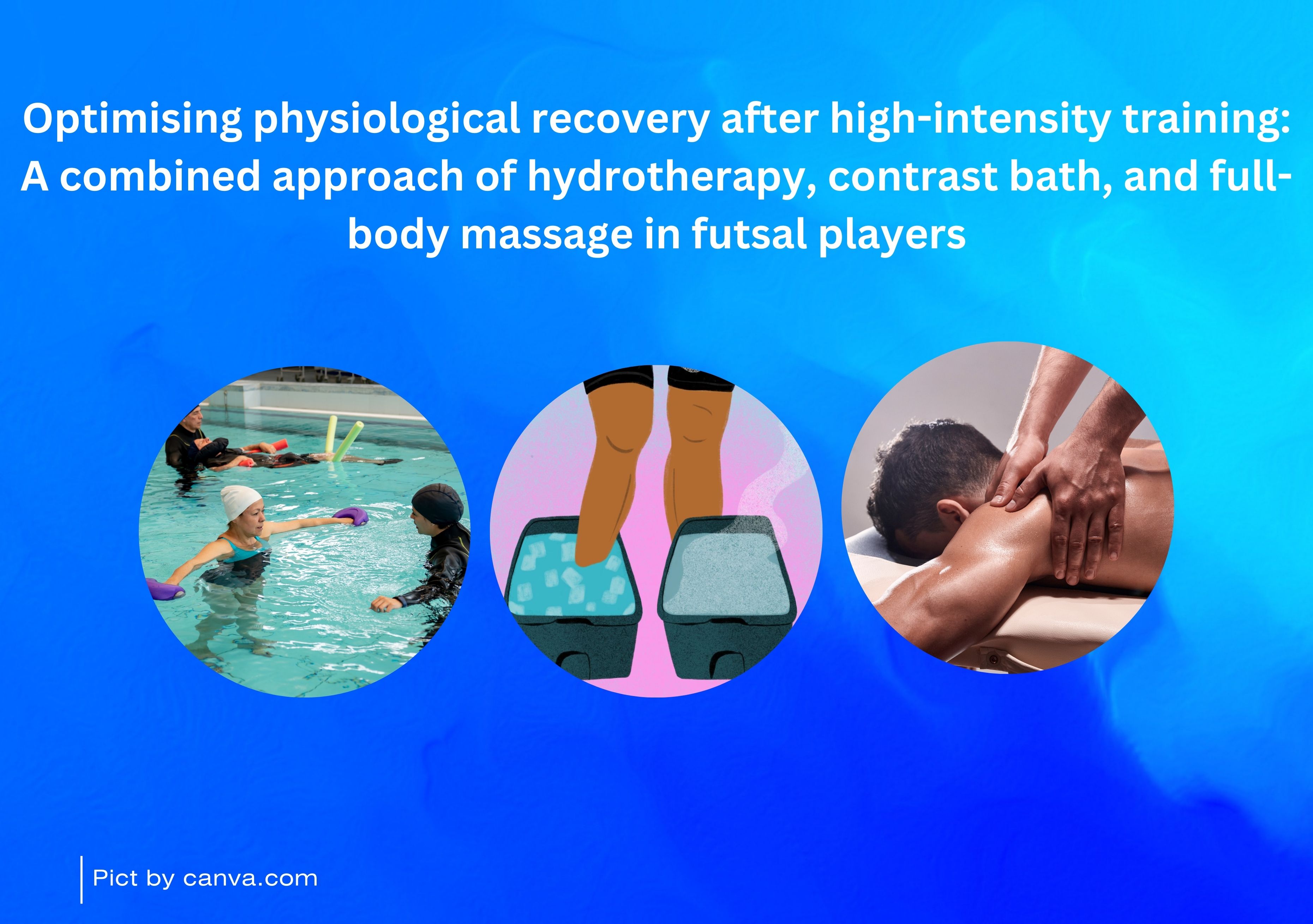
Optimising physiological recovery after high-intensity training: A combined approach of hydrotherapy, contrast bath, and full-body massage in futsal players
Afif Dwi Nugraha1, Laily Mita Andriana2, Muhamad Fauzi Antoni3, Muhammad Labib Siena Ar Rasyid4, Bhekti Lestari51. Universitas Negeri Surabaya , ID2. Universitas Negeri Surabaya , ID3. Universitas Negeri Surabaya , ID4. Universitas Negeri Surabaya , ID5. Universitas Negeri Surabaya , ID2025-12-15|page 302-317AbstractBackground: Efficient recovery after high-intensity interval training (HIIT) is crucial for maintaining optimal performance and minimizing the risk of injury.
Objectives: This study aims to analyze the effectiveness of combining hydrotherapy contrast baths and full-body massage in accelerating physiological recovery after a HIIT session, compared to the application of a single method.
Methods: This study employed a pre–post quasi-experimental design with three parallel groups (n = 45; 15 participants per group) to analyze the effectiveness of hydrotherapy combined with whole-body massage compared with each method applied separately. Participants were assigned to one of three conditions: (1) hydrotherapy contrast bath only, (2) full-body massage only, and (3) a combined intervention using both techniques. Physiological recovery was assessed using validated instruments, including heart rate monitors for heart rate recovery (HRR), portable lactate analysers for blood lactate concentration, and a visual analogue scale (VAS) for perceived muscle soreness. Data were analysed using the Shapiro–Wilk test, paired-sample t-test, and One-Way ANOVA.
Results: The findings demonstrated that the combined hydrotherapy–massage protocol resulted in greater improvements than the single-method groups, particularly in lactate reduction (e.g., -3.1 ± 0.8 mmol/L vs. - 1.9 ± 0.7 mmol/L and - 2.0 ± 0.6 mmol/L; p<0.05) and faster HRR. Participants in the combined group also reported significantly lower muscle soreness (p<0.05).
Conclusions: This suggests that integrating contrast bath hydrotherapy with full-body massage enhances circulation, accelerates metabolic waste clearance, and improves subjective recovery following HIIT. Future studies are recommended to include larger samples, compare different hydrotherapy temperatures, or examine long-term adaptations from repeated recovery sessions.APA Citation StyleNugraha, A. D. , Andriana, L. M. , Antoni, M. F. , Rasyid, M. L. S. A. , & Lestari, B. (2025). Optimising physiological recovery after high-intensity training: A combined approach of hydrotherapy, contrast bath, and full-body massage in futsal players. Physical Education and Sports: Studies and Research, 302-317. https://doi.org/10.56003/pessr.v4i3.655 -

An analysis of anxiety levels among volleyball athletes during a provincial inter-club tournament in Jakarta, Indonesia
Rea Rizkita Raga1, Yunita Lasma21. Universitas Islam 45 Bekasi , ID2. Universitas Islam 45 Bekasi , ID2025-07-27|page 175-185AbstractBackground: Competitive anxiety is a key psychological factor that can significantly affect an athlete's performance. In volleyball, high-pressure situations often lead to anxiety, potentially hindering players' ability to perform optimally.
Objectives: This study aims to assess the levels of anxiety experienced by volleyball athletes competing in the Special Capital Region Jakarta Inter-Club Provincial Championship.
Methods: A descriptive quantitative design was used, with data collected through a survey involving 70 volleyball athletes. The instrument used was a 35-item anxiety questionnaire categorized into two phases: before the match (18 items) and during the match (17 items). Responses were measured using a 5-point Likert scale. Validity testing confirmed all items were valid, and the instrument showed high reliability (α = 0.954), as analyzed using SPSS 23.
Results: During the match, 35.7% of athletes experienced high anxiety, while 64.3% showed low anxiety. Prior to the match, 44.3% reported high anxiety and 55.7% reported low anxiety. Overall, 36.6% of athletes showed high anxiety levels, while 61.4% displayed low levels. These results indicate that most athletes have relatively good emotional regulation abilities in competitive situations.
Conclusions: The study underscores the critical role of psychological readiness in athletic performance. Coaches and policymakers are encouraged to integrate structured mental training programs into athlete development. Future research should explore variables contributing to anxiety, such as playing position, competitive experience, and demographic factors like age and gender.
APA Citation StyleRaga, R. R. , & Lasma, Y. (2025). An analysis of anxiety levels among volleyball athletes during a provincial inter-club tournament in Jakarta, Indonesia. Physical Education and Sports: Studies and Research, 175-185. https://doi.org/10.56003/pessr.v4i2.605 -
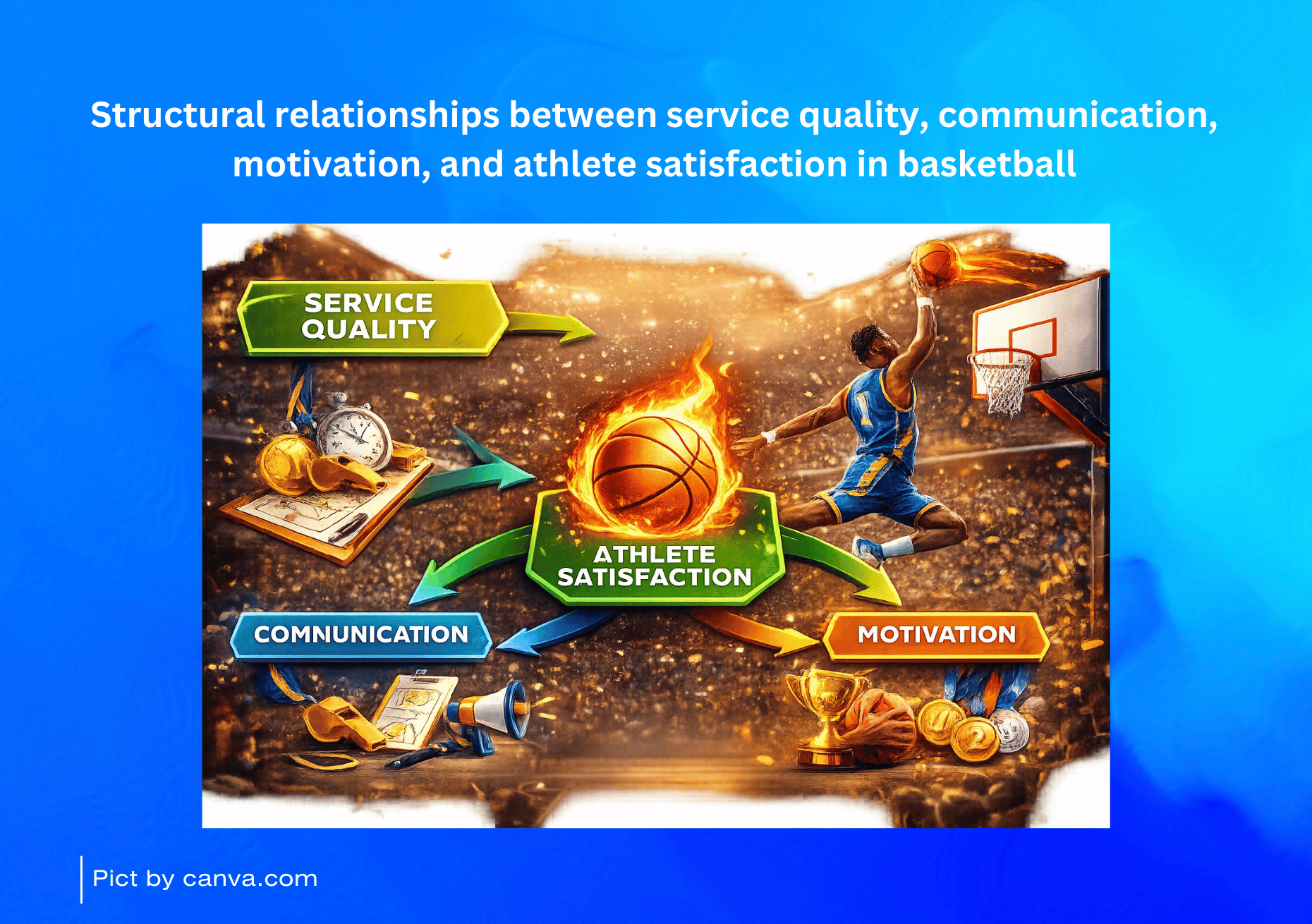
Structural relationships between service quality, communication, motivation, and athlete satisfaction in basketball Indonesia
Fajar Gumilang H.M1, Agung Nugroho2, Rumpis Agus Sudarko3, Fauzi Fauzi4, Fajar Sriwahyuniati51. Yogyakarta State University , ID2. Yogyakarta State University , ID3. Yogyakarta State University , ID4. Yogyakarta State University , ID5. Yogyakarta State University , ID2026-04-09|page 113-124AbstractBackground: Many basketball clubs aim to enhance athlete satisfaction through service quality, communication, and motivation; however, empirical evidence validating these factors as measurable constructs remains limited.
Objectives: This study examines whether these variables function as latent constructs influencing athlete satisfaction and validates their measurement structure using confirmatory factor analysis.
Methods: This study used a quantitative survey and included 263 basketball athletes from various clubs in Sidoarjo, comprising 110 males and 153 females. The participant characteristics focused on players still in the developmental stage who had been actively participating in club training programs for 3 to 6 months, with educational levels ranging from junior high school to college. Participants were selected using purposive sampling. Data were collected using a valid and reliable Likert-scale questionnaire and analyzed using Structural Equation Modeling (SEM) via AMOS 22.
Results: The results demonstrate that service quality (β=0.337, ????=0.000) and communication (β=0.439, ????=0.000) significantly enhance motivation. Furthermore, motivation significantly affects athlete satisfaction (β = 0.582, ???? = 0.000). Crucially, the analysis confirms that motivation mediates the relationship between service quality (indirect effect=0.139) and communication (indirect effect=0.240) on satisfaction.
Conclusions: Theoretically, this study confirms motivation as a vital psychological mediator linking managerial inputs to athlete satisfaction. In practice, the findings demonstrate that while high-quality physical facilities provide a necessary structural foundation, they must be integrated with effective, supportive coaching communication to optimally ignite athletes' intrinsic drive and maximize their overall club experience.APA Citation StyleH.M, F. G. , Nugroho, A. , Sudarko, R. A. , Fauzi, F. , & Sriwahyuniati, F. (2026). Structural relationships between service quality, communication, motivation, and athlete satisfaction in basketball: Indonesia. Physical Education and Sports: Studies and Research, 113-124. https://doi.org/10.56003/pessr.v5i1.691 -
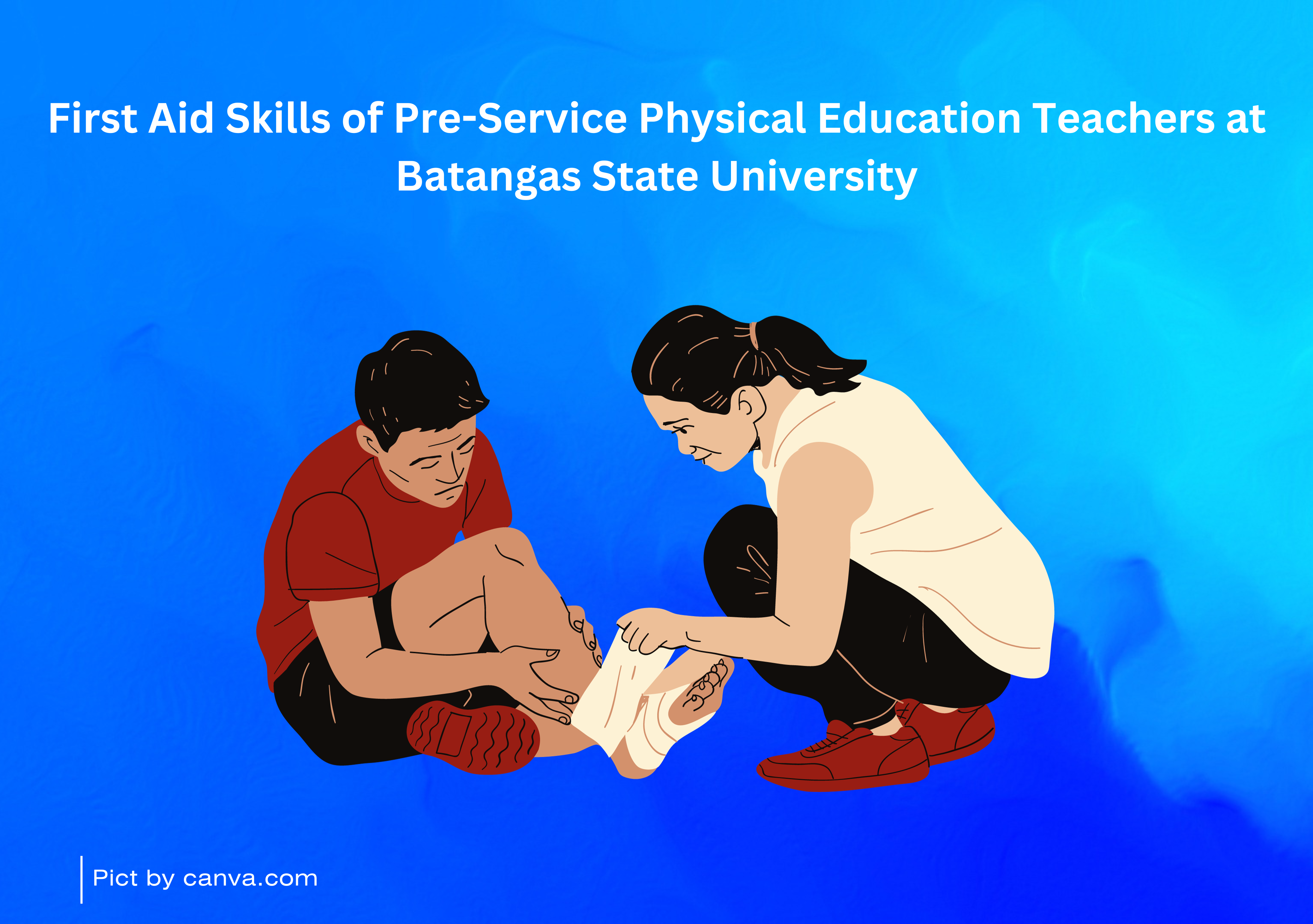
First Aid Skills of Pre-Service Physical Education Teachers at Batangas State University
Davidsol Mendoza1, Mauricio Atienza Junior2, Kyla Marie Torino Maralit3, Chino Randel Odello41. Batangas State University-Pablo Borbon , PH2. Batangas State University , PH3. Batangas State University , PH4. Batangas State University , PH2023-10-31|page 83-99AbstractBackground: The researchers believe acquiring knowledge and first aid skills can improve the instruction of Physical Education. Thus, no matter how proactive a teacher can be, there will be possibilities that an unnecessary situation may occur because it is movement education.
Objectives: The study aimed to determine the first aid skills of pre-service physical education teachers at Batangas State University. Specifically, the study determined the respondents' extent of manifestation of competencies in providing first aid skill components as assessed by the instructors and students, along with cardiopulmonary resuscitation, management of bleeding, and fracture. The study also compares the responses of the two groups of respondents. The issues and challenges in developing first aid skills were also ascertained to propose training activities to intensify students' skills and competencies.
Methods: This study used descriptive research and a researcher-made questionnaire to gather data from 186 participants, including 159 physical education students and 27 teachers from Batangas State University during the 2021-2022 academic year.
Results: The study found that students had moderate competency in applying CPR, recognizing victim situations, and performing two rescue breaths correctly. Similarly, students had moderate competency in managing bleeding and identifying fracture types. However, the two groups of respondents had no significant difference in competency. The biggest challenge identified by students was the need for more training and workshops related to first aid, while linguistic barriers and inconsistent training were less significant challenges.
Conclusion: The findings show that Bachelor of Physical Education students greatly manifest first aid skills in CPR, managing bleeding, and treating fractures but need improvements in specific competencies. There was no significant difference in the assessment between the two groups of respondents. However, attendance to training and workshops was the primary issue and challenge in developing the first aid skills of BPEd students.
APA Citation StyleMendoza, D. , Junior, M. A. , Maralit, K. M. T. , & Odello, C. R. (2023). First Aid Skills of Pre-Service Physical Education Teachers at Batangas State University. Physical Education and Sports: Studies and Research, 83-99. https://doi.org/10.56003/pessr.v2i2.208 -
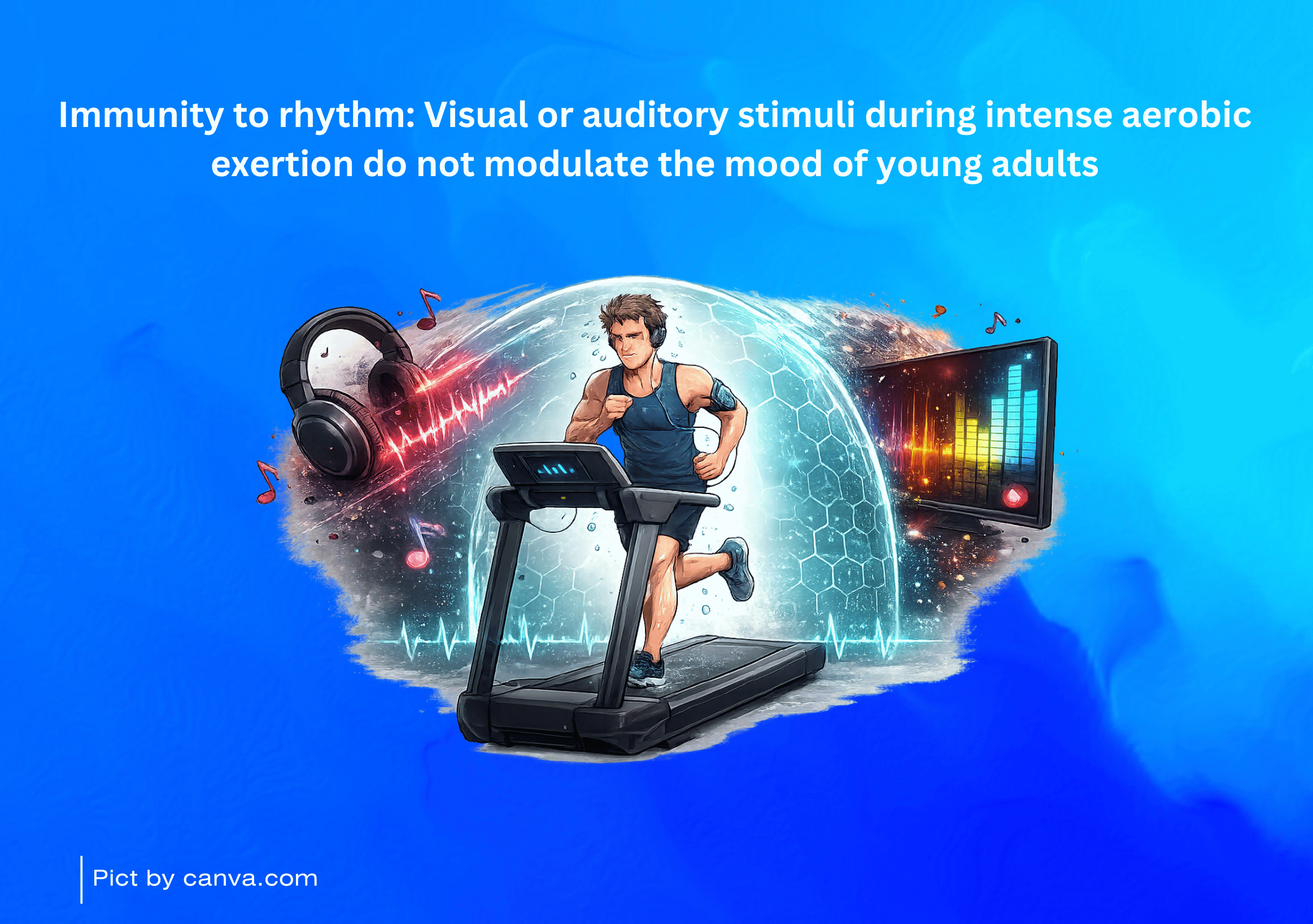
Immunity to rhythm: Visual or auditory stimuli during intense aerobic exertion do not modulate the mood of young adults
Flavio de Souza Araujo1, Camila Maria Menezes Almeida2, Mariana Ferreira de Souza3, Marcelo Magalhães Sales4, José Fernando Vila Nova de Moraes51. Federal University of Vale do São Francisco , BR2. Federal University of Vale do São Francisco , BR3. Federal University of Vale do São Francisco , BR4. State University of Goiás , BR5. Universidade Federal do Vale do São Francisco (UNIVASF) , BR2026-04-26|page 160-171AbstractBackground: High-intensity aerobic exercise can promote higher energy expenditure when compared to low and moderate-intensity exercise. However, vigorous exercise can negatively influence mood responses related to adherence. Auditory and audiovisual resources have been used to improve psychological variables during and after exercise.
Objectives: To analyze the influence of listening to music and watching video clips on mood responses of young adults after a high-intensity aerobic exercise session.
Methods: This is a Cross-Sectional Randomized Controlled Study in which fourteen male participants (23.4 ± 3.1 years; 26.2 ± 3.4 kg/m²) randomly performed exercise sessions on a cyclergometer, at an intensity of 10% above anaerobic threshold, in three situations: control (C), listening to music (M), and watching video clips (VC). At the end of each session, participants underwent 30 min of passive recovery. Mood responses were measured using Brunel’s Mood Scale (BRUMS) before exercise, immediately after exercise, and after recovery. Friedman’s and Wilcoxon’s tests were used, with a significance level of 5%.
Results: No statistical differences were found between conditions (C, C, and VC) for the dimensions confusion, fatigue, anger, tension, and vigor (p>0.05). A statistically significant difference was found for depression before exercise, with M higher than C and VC (p<0.05); however, no differences were observed after exercise or recovery.
Conclusions: Listening to music and/or watching video clips does not influence mood responses in young adults after high-intensity aerobic exercise on a cyclergometer.
APA Citation StyleAraujo, F. D. S. , Almeida, C. M. M. , Souza, M. F. D. , Sales, M. M. , & Moraes, J. F. V. N. D. (2026). Immunity to rhythm: Visual or auditory stimuli during intense aerobic exertion do not modulate the mood of young adults. Physical Education and Sports: Studies and Research, 160-171. https://doi.org/10.56003/pessr.v5i1.702 -

Maximizing the Use of Google Sites in Delivering Instruction in Physical Education Classes
Carla Jobelle Culajara11. Sta. Catalina National High School, Department of Education , PH2022-07-08|page 79-90AbstractBackground: Being inventive and creative in offering effective and efficient teaching and learning processes is one of the priorities of any teacher, especially Physical Education teachers, as the delivery of instruction to students evolves. With these, this study proves and illuminates the usefulness of Google sites in delivering physical education teaching.
Objectives: This research aims to determine the effects of Google sites as a medium for delivering Physical Education on the learning outcomes of Grade 10 students in one of the secondary schools in the Philippines. Its specific aims were to: (1) determine the impact of Google sites on availability, functionality, and goals, and (2) establish an enhancement program based on the study's findings.
Methods: The study utilized a quantitative research design with descriptive approach accompany with survey questionnaire. The purposive sampling was utilized to 106 students from secondary schools in the Philippines.
Results: As the findings of the study geared toward its effectiveness in terms of functionality, availability and learning experience, it shows that most of the lessons delivered and maximizing Google sites as a tool in delivering instruction were appreciated by the students where students were mostly “Strongly Agree” with the responses. With this tool in delivering instruction, it shows light that students can easily understand the lesson in learning and doing tasks using Google sites.
Conclusion: This study sheds light on the effective and efficient use of Google sites in delivering instruction in PE classes particularly offers a safe learning virtual environment, accessibility to the learning materials and learned using their own time and autonomy in learning. Using Google Sites to the fullest extent possible in Physical Education classes.
APA Citation StyleCulajara, C. J. (2022). Maximizing the Use of Google Sites in Delivering Instruction in Physical Education Classes. Physical Education and Sports: Studies and Research, 79-90. https://doi.org/10.56003/pessr.v1i2.115 -
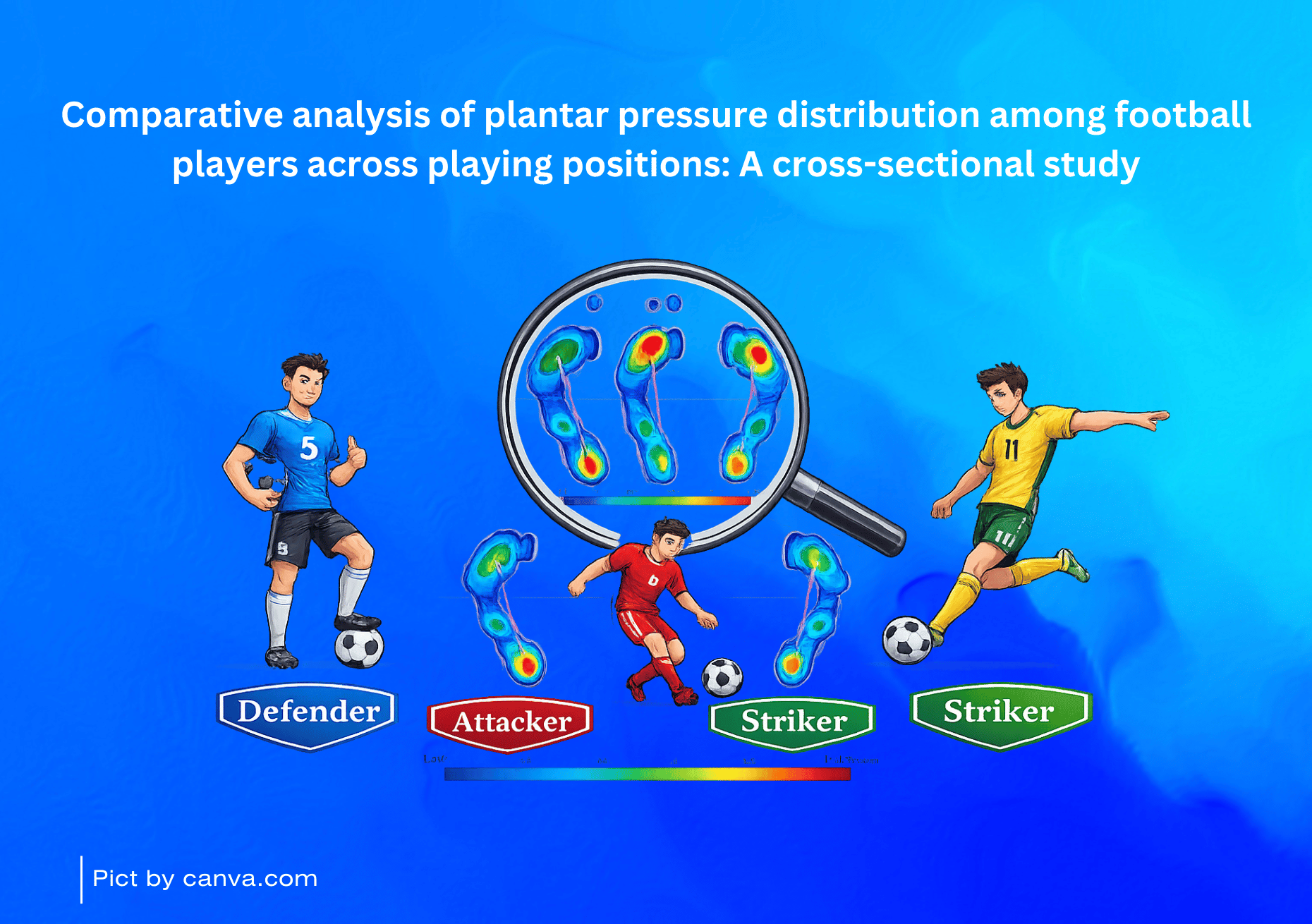
Comparative analysis of plantar pressure distribution among football players across playing positions: A cross-sectional study
Arif Pristianto1, Anindya Maghfira Zain2, Farid Rahman3, Pungki Indarto4, Anugrah Nur Warthadi51. Department of Physiotherapy, Faculty of Health Sciences, Universitas Muhammadiyah Surakarta , ID2. Department of Physiotherapy, Faculty of Health Sciences, Universitas Muhammadiyah Surakarta , ID3. Department of Physiotherapy, Faculty of Health Sciences, Universitas Muhammadiyah Surakarta , ID4. Department of Sport Education, Faculty of Teacher Training and Education, Universitas Muhammadiyah Surakarta , ID5. Department of Sport Education, Faculty of Teacher Training and Education, Universitas Muhammadiyah Surakarta , ID2026-04-01|page 68-81AbstractBackground: Football players exhibit different muscle activation patterns during different playing activities, which can affect plantar pressure on the feet. Uneven, unbalanced plantar pressure distribution can cause muscle tension, leading to musculoskeletal injuries in the feet.
Objectives: This study aims to determine and compare plantar pressure distribution among football players based on playing position.
Methods: This study is an analytical observational study using a cross-sectional approach. The sample in this study consisted of 24 football players aged 15-18 years who met the inclusion criteria. Plantar pressure was measured using a Zebris Force Distribution Measurement (FDM) platform on the forefoot and rearfoot areas. Statistical analysis included normality tests (Shapiro-Wilk) and multivariate tests (ANOVA) according to data distribution.
Results: Differences in plantar pressure were observed between defenders, forwards, and strikers in static conditions (p < 0.05), but not in dynamic conditions (p > 0.05).
Conclusions: This study shows differences in plantar pressure distribution among football players in defender, forward, and striker positions under static conditions. However, under dynamic conditions, no significant differences were found among playing positions.
APA Citation StylePristianto, A. , Zain, A. M. , Rahman, F. , Indarto, P. , & Warthadi, A. N. (2026). Comparative analysis of plantar pressure distribution among football players across playing positions: A cross-sectional study. Physical Education and Sports: Studies and Research, 68-81. https://doi.org/10.56003/pessr.v5i1.692 -
The effect of championship participation on training intensity and motivation of Pencak Silat student athletes at Semarang State University, Indonesia
Achmad Alif Firmansyah1, Nanang Indardi21. State University of Semarang , ID2. State University of Semarang , ID2025-08-15|page 204-211AbstractBackground: Consistent training and high enthusiasm are the keys to an athlete's success in achieving optimal performance. However, among Pencak Silat athletes at Semarang State University (UNNES), there is a decrease in training intensity and enthusiasm when there is no championship agenda.
Objectives: The purpose of this study is to analyze the effect of participation in a championship on the training intensity and motivation of Semarang State University Pencak Silat athletes.
Methods: This study used a pre-post design with the same subjects (n = 30) and an explanatory quantitative approach to determine the effect of championship participation on training intensity and motivation. Data were collected using a Likert scale questionnaire that has been tested for validity and reliability (α = 0.872). Data analysis was performed using a paired t-test using SPSS.
Results: The results showed a significant increase in training intensity from a mean ± SD of 3.12 ± 0.54 (pre) to 3.78 ± 0.49 (post), and training motivation from 3.05 ± 0.61 (pre) to 3.85 ± 0.55 (post), with t(29) = 5.62 and 6.03, respectively, p = 0.004. Cohen's d effect sizes of 1.03 (intensity) and 1.10 (motivation) indicate significant effects.
Conclusions: These findings indicate that participation in championships is a significant external motivator in improving the quality of athletes' training. Therefore, championships can be a coaching strategy to maintain sustainable training motivation, a practical implication that this study has clearly demonstrated.
APA Citation StyleFirmansyah, A. A. , & Indardi, N. (2025). The effect of championship participation on training intensity and motivation of Pencak Silat student athletes at Semarang State University, Indonesia. Physical Education and Sports: Studies and Research, 204-211. https://doi.org/10.56003/pessr.v4i2.620 -
The Impact of the Sports Education Athletic Season on the Learning Motivation as Supporters of the Kurikulum Merdeka
Agi Ginanjar1, Reni Anggraeni21. STKIP Nahdlatul Ulama Indramayu, Indonesia , ID2. Indonesian Institute of the Arts Denpasar, Indonesia , ID2024-03-12|page 1-9AbstractBackground: Physical education learning in Indonesia has had to switch to using the Kurikulum Merdeka which focuses more on students as the center of learning with project reports and project themes. Motivation is very important for students in following the learning process. Sport Education is a learning strategy that facilitates students and teachers with projects in the learning process and can increase student learning motivation.
Objectives: The aim of the research was to examine the influence of SE on learning motivation in MTs students.
Methods: The research method used in this research uses an experimental research method with a one-shot case study design. Participants in this research were 48 students at one of the MTs in Indramayu Regency. The instrument in this research used a student learning motivation questionnaire. The data analysis technique uses a one-sample t test.
Results: The results of this research obtained t count = 7.05 with Sig. 0.00 < 0.05, which means that there is an influence of SE on the learning motivation of MTs students.
Conclusion: This research concludes that there is an influence of SE on learning motivation in Junior High Schoolstudents.
APA Citation StyleGinanjar, A. , & Anggraeni, R. (2024). The Impact of the Sports Education Athletic Season on the Learning Motivation as Supporters of the Kurikulum Merdeka. Physical Education and Sports: Studies and Research, 1-9. https://doi.org/10.56003/pessr.v3i1.315 -

Survey on the Effectiveness of the Online Learning Process Due to the Coronavirus Pandemic in Physical Education
Indung Pranata1, Ari Wibowo Kurniawan21. State University of Malang , ID2. State University of Malang , ID2022-03-31|page 51-62AbstractBackground: Since the outbreak of the coronavirus covid-19 in Indonesia, education has offered online learning. Online learning requires system support, namely hardware (smartphone, tablet, or laptop/personal computer), internet network, and human resources. However, the implementation of online learning encounters several challenges and obstacles, especially online learning in physical education in elementary schools.
Objectives: The purpose of this study was to determine and examine the effectiveness of the online learning process due to the coronavirus pandemic in Physical Education and Health subjects at SD Negeri 6 Sumbermanjingkulon, Pagak District, Malang Regency.
Methods: This study used a descriptive research design with a survey method. This study involved 48 elementary school students. The data collected through a questionnaire method or a google form-based questionnaire that has been tested for validity by an expert. Data analysis was carried out on five indicators in the study. The indicators consist of student interest, interest, benefits, learning facilities and infrastructure, and quality of interaction.
Results: The results of the study indicate that the effectiveness of online learning at SD Negeri 6 Sumbermanjingkulon is in the criteria of being quite effective with a percentage of 46.90%.
Conclusion: Based on the results of the study, it shows that overall online learning in physical education and health subjects is quite effective, but the percentage obtained between quite effective and ineffective is only a slight difference.
APA Citation StylePranata, I. , & Kurniawan, A. W. (2022). Survey on the Effectiveness of the Online Learning Process Due to the Coronavirus Pandemic in Physical Education. Physical Education and Sports: Studies and Research, 51-62. https://doi.org/10.56003/pessr.v1i1.112 -
Functional movement patterns and bilateral asymmetry in badminton athletes: A Functional Movement Screen analysis at the Malang Regional Training Center
Avi Kholifatuz Zahro'1, Muhammad Atiq Noviudin Pritama21. State University of Malang , ID2. State University of Malang , ID2026-08-17|page 196-207AbstractBackground: Badminton involves repetitive unilateral overhead movements, rapid changes of direction, and explosive actions that may contribute to side-to-side differences in functional movement patterns.
Objectives: This study aimed to describe functional movement patterns and bilateral asymmetry among badminton athletes at the Malang Regional Training Center using the Functional Movement Screen (FMS).
Methods: This cross-sectional study involved 16 sub-elite badminton athletes aged 15–20 years selected through purposive sampling. Functional movement was assessed using the seven-component FMS. Total scores were classified as high (≤14), moderate (15–17), or low (18–21) injury risk. Bilateral asymmetry was identified from differences between right- and left-side scores in five bilateral FMS components. Data were analyzed descriptively using means, standard deviations, frequencies, and percentages.
Results: Most athletes (62.5%, n = 10) were classified as having moderate injury risk, while 18.75% (n = 3) were classified as high risk and 18.75% (n = 3) as low risk. Shoulder Mobility showed the highest prevalence of bilateral asymmetry (100%, n = 16), followed by the In-Line Lunge and Rotary Stability (62.5%, n = 10 each), Hurdle Step (50.0%, n = 8), and Active Straight Leg Raise (43.75%, n = 7).
Conclusions: Bilateral functional movement asymmetry was common among badminton athletes, particularly in shoulder mobility, while most athletes were classified within the moderate injury-risk category. These findings support functional movement screening to identify movement limitations and inform individualized corrective exercise strategies.
APA Citation StyleZahro', A. K. , & Pritama, M. A. N. (2026). Functional movement patterns and bilateral asymmetry in badminton athletes: A Functional Movement Screen analysis at the Malang Regional Training Center. Physical Education and Sports: Studies and Research, 196-207. https://doi.org/10.56003/pessr.v5i2.756