
Search
Search Results
##search.searchResults.foundPlural##
-

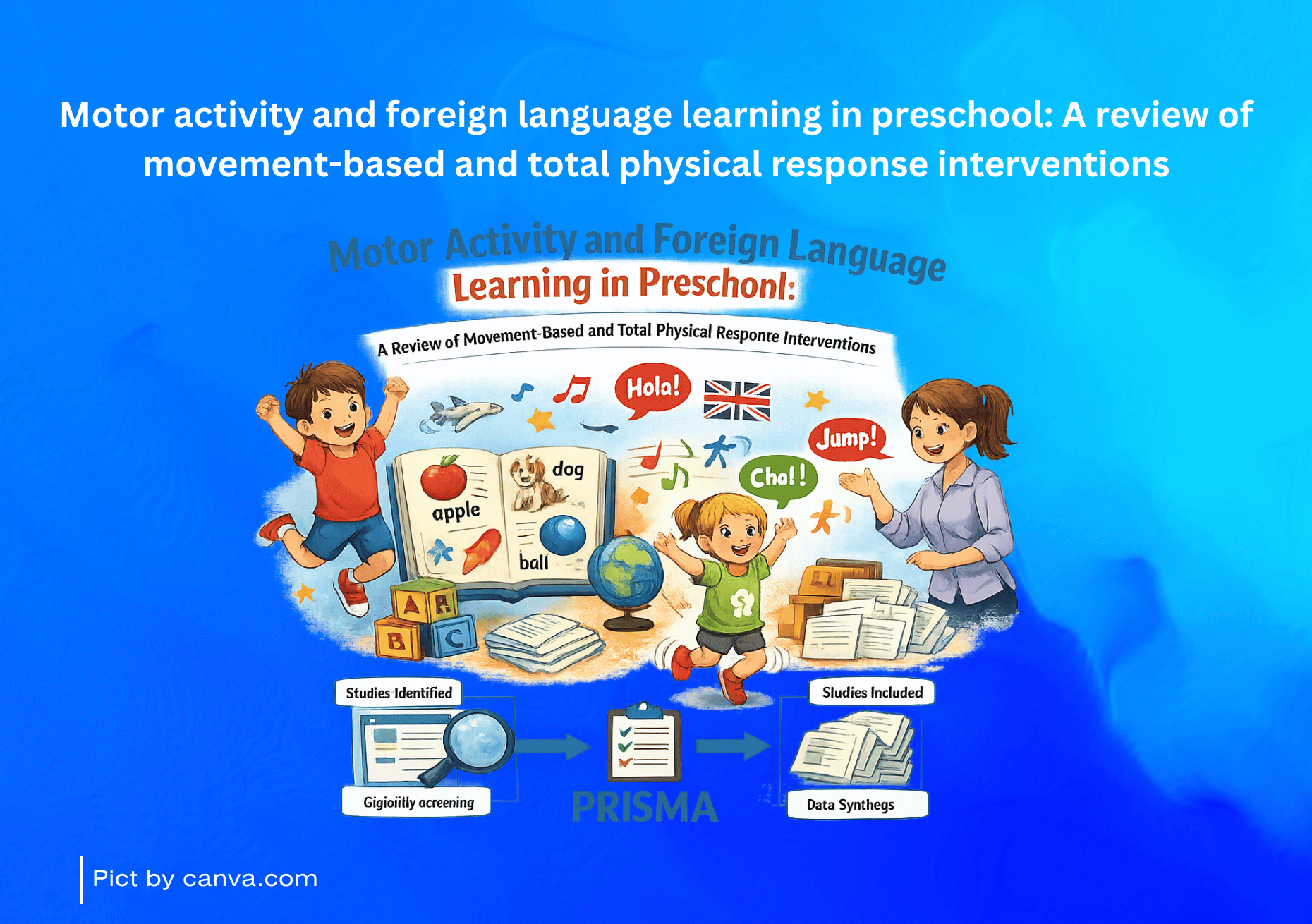
Motor activity and foreign language learning in preschool: A review of movement-based and total physical response interventions
Manuela Valentini1, Nausicaa Simone2, Alessandro Beretta31. Department of Humanities, University of Urbino Carlo Bo , IT2. Department of Humanities, University of Urbino Carlo Bo , IT3. Department of Humanities, University of Urbino Carlo Bo , IT2026-04-02|page 93-105AbstractBackground: Movement may support early foreign-language learning through embodied learning, but the preschool evidence base is fragmented.
Objective: To review empirical studies on movement-based and Total Physical Response (TPR) interventions for foreign-language learning in preschool children.
Method: This study employed a systematic review design based on PRISMA 2020 guidelines, involving database searches and citation tracking to identify empirical studies on movement-based and Total Physical Response (TPR) interventions in preschool foreign-language learning. Studies were screened using predefined eligibility criteria and appraised using the Mixed Methods Appraisal Tool (MMAT). Data from eligible studies were extracted and synthesized narratively due to methodological heterogeneity.
Results: Eight studies met the inclusion criteria. Across stronger controlled studies, semantically integrated movement generally produced more favorable vocabulary and verbal memory outcomes than sedentary teaching or less integrated movement. Evidence focused specifically on TPR was positive in terms of engagement and short-term learning, but methodologically heterogeneous and less robust.
Conclusion: Current preschool evidence supports the promise of integrated movement-based language teaching, particularly when movement is tightly aligned with instructional content. However, the evidence base remains small, largely limited to vocabulary-related outcomes, and further rigorous preschool trials are needed to clarify optimal implementation and the distinct contribution of TPR.APA Citation StyleValentini, M. , Simone, N. , & Beretta, A. (2026). Motor activity and foreign language learning in preschool: A review of movement-based and total physical response interventions. Physical Education and Sports: Studies and Research, 93-105. https://doi.org/10.56003/pessr.v5i1.694 -
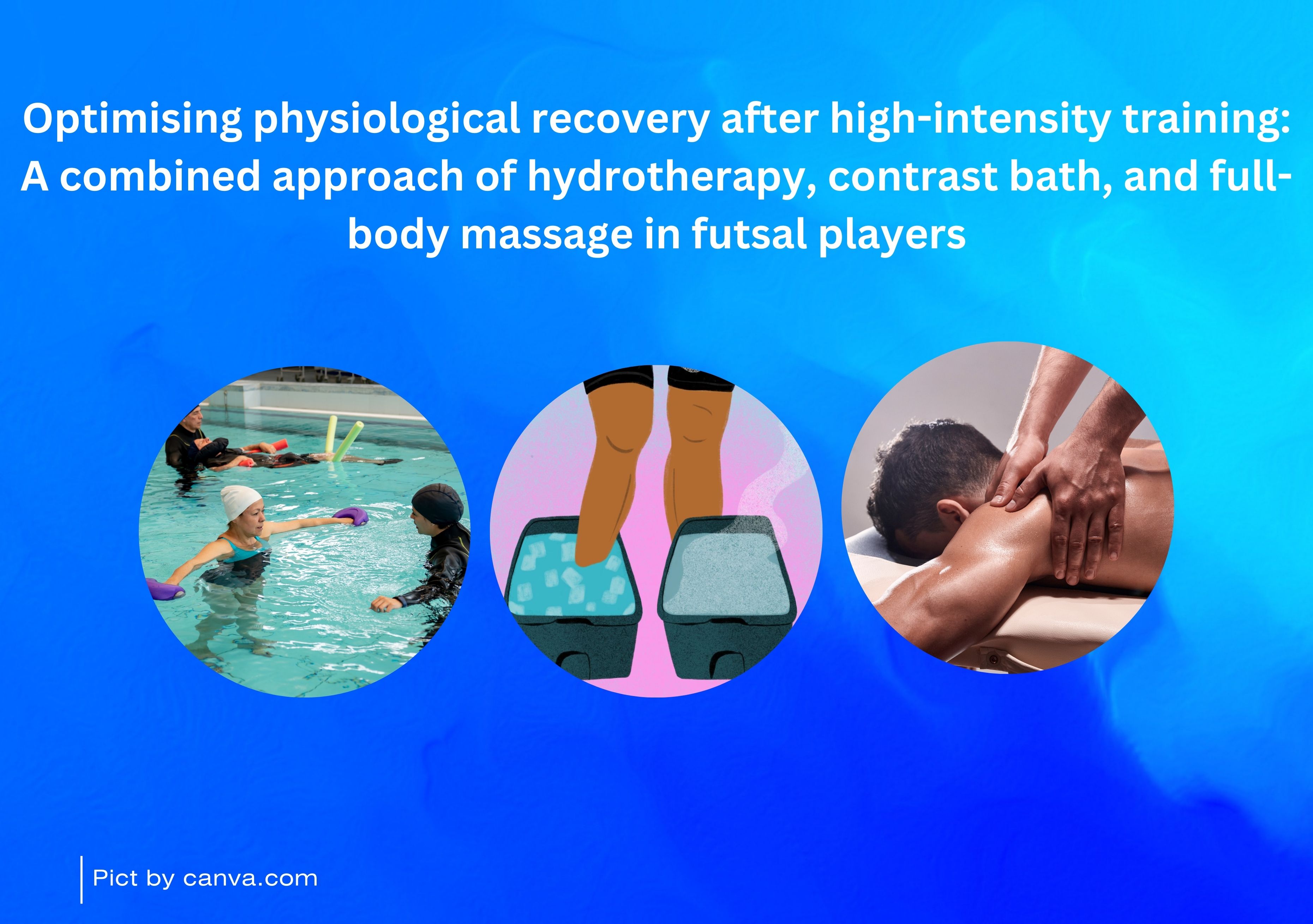
Optimising physiological recovery after high-intensity training: A combined approach of hydrotherapy, contrast bath, and full-body massage in futsal players
Afif Dwi Nugraha1, Laily Mita Andriana2, Muhamad Fauzi Antoni3, Muhammad Labib Siena Ar Rasyid4, Bhekti Lestari51. Universitas Negeri Surabaya , ID2. Universitas Negeri Surabaya , ID3. Universitas Negeri Surabaya , ID4. Universitas Negeri Surabaya , ID5. Universitas Negeri Surabaya , ID2025-12-15|page 302-317AbstractBackground: Efficient recovery after high-intensity interval training (HIIT) is crucial for maintaining optimal performance and minimizing the risk of injury.
Objectives: This study aims to analyze the effectiveness of combining hydrotherapy contrast baths and full-body massage in accelerating physiological recovery after a HIIT session, compared to the application of a single method.
Methods: This study employed a pre–post quasi-experimental design with three parallel groups (n = 45; 15 participants per group) to analyze the effectiveness of hydrotherapy combined with whole-body massage compared with each method applied separately. Participants were assigned to one of three conditions: (1) hydrotherapy contrast bath only, (2) full-body massage only, and (3) a combined intervention using both techniques. Physiological recovery was assessed using validated instruments, including heart rate monitors for heart rate recovery (HRR), portable lactate analysers for blood lactate concentration, and a visual analogue scale (VAS) for perceived muscle soreness. Data were analysed using the Shapiro–Wilk test, paired-sample t-test, and One-Way ANOVA.
Results: The findings demonstrated that the combined hydrotherapy–massage protocol resulted in greater improvements than the single-method groups, particularly in lactate reduction (e.g., -3.1 ± 0.8 mmol/L vs. - 1.9 ± 0.7 mmol/L and - 2.0 ± 0.6 mmol/L; p<0.05) and faster HRR. Participants in the combined group also reported significantly lower muscle soreness (p<0.05).
Conclusions: This suggests that integrating contrast bath hydrotherapy with full-body massage enhances circulation, accelerates metabolic waste clearance, and improves subjective recovery following HIIT. Future studies are recommended to include larger samples, compare different hydrotherapy temperatures, or examine long-term adaptations from repeated recovery sessions.APA Citation StyleNugraha, A. D. , Andriana, L. M. , Antoni, M. F. , Rasyid, M. L. S. A. , & Lestari, B. (2025). Optimising physiological recovery after high-intensity training: A combined approach of hydrotherapy, contrast bath, and full-body massage in futsal players. Physical Education and Sports: Studies and Research, 302-317. https://doi.org/10.56003/pessr.v4i3.655 -
Enhancing locomotor skills in preschoolers through play jump rope
Nancy Trisari Schiff1, Andy Supriady21. Sekolah Tinggi Keguruan dan Ilmu Pendidikan (STKIP) Pasundan , ID2. Sekolah Tinggi Keguruan dan Ilmu Pendidikan (STKIP) Pasundan , ID2026-04-14|page 135-146AbstractBackground: Fundamental Motor Skills (FMS), particularly in the Locomotor Skills domain, are an essential prerequisite for lifelong physical participation. However, the dominance of a sedentary lifestyle threatens young children's mastery of these skills.
Objectives: This study aims to test and prove the effectiveness of the jump rope play intervention program in improving locomotor skills in 5–6-year-old children.
Methods: This research uses a quasi-experimental one-group pretest-posttest design. The sample consisted of 19 males and 11 females, for a total of 30 children. Locomotor skills are measured objectively using the Locomotor subtest of the Test of Gross Motor Development-2 (TGMD-2). The Jump Rope Game intervention was implemented in a structured manner over 8 weeks (3 sessions/week). The data were analyzed using the Paired-Samples T-Test.
Results: The research results show a highly significant improvement in locomotor skills scores after the intervention. The average score increased from 23.30 on the pretest to 27.87 on the posttest, reflecting a 19.61% increase. The paired-samples t-test yielded a p-value of 0.000 (p<0.05), confirming that the difference between the two measurements was statistically significant.
Conclusions: Jump rope games have proven to be an effective, efficient, and enjoyable intervention for significantly improving young children's locomotor skills. This research recommends integrating inexpensive, easily accessible play-based activities into the early childhood education curriculum as a practical strategy to support physical literacy and address basic movement deficits.
APA Citation StyleSchiff, N. T. , & Supriady, A. (2026). Enhancing locomotor skills in preschoolers through play jump rope. Physical Education and Sports: Studies and Research, 135-146. https://doi.org/10.56003/pessr.v5i1.652 -

Fun game–based learning improves gross motor skills in early primary school children
Ahmad Muttaqin Darussalam1, Sugiharto Sugiharto2, Sapto Adi31. State University of Malang , ID2. State University of Malang , ID3. State University of Malang , ID2025-11-23|page 236-249AbstractBackground: Children who face difficulties in gross motor skill development may withdraw from physical activities, experience low self-esteem, and suffer from social anxiety. Physical education plays a vital role in fostering gross motor development, especially when delivered through enjoyable and engaging activities such as fun games.
Objectives: This study aimed to investigate the impact of fun game–based learning on the development of gross motor skills in early primary school children.
Methods: The study employed a quasi-experimental design with a non-equivalent control group. A total of 36 second-grade students from SDIT Mutiara Hati in Malang participated in this study. Participants were assigned to one of three groups: a control group, a group-based fun games intervention, and an individual-based fun games intervention. The interventions were implemented three times a week for 30 minutes over a period of seven weeks. Gross motor skills were measured before and after the intervention using the Test of Gross Motor Development–Third Edition (TGMD-3), a reliable and validated instrument. Data were analyzed using homogeneity and normality tests, paired-sample t-tests, one-way ANOVA, and Tukey's HSD post hoc tests, with a significance level set at p < 0.05 (SPSS version 25).
Results: Both the individual and group fun game–based learning interventions produced significant improvements in gross motor skills compared with the control group (p < 0.05). Moreover, a significant difference was found between the two intervention types, indicating that the mode of fun game delivery influences outcomes (p < 0.05).
Conclusions: Fun game–based learning, whether delivered individually or in groups, effectively enhances gross motor skills among early primary school children. Additionally, individual fun game–based learning demonstrated a significantly greater improvement compared to group-based learning.APA Citation StyleDarussalam, A. M. , Sugiharto, S. , & Adi, S. (2025). Fun game–based learning improves gross motor skills in early primary school children. Physical Education and Sports: Studies and Research, 236-249. https://doi.org/10.56003/pessr.v4i3.613 -
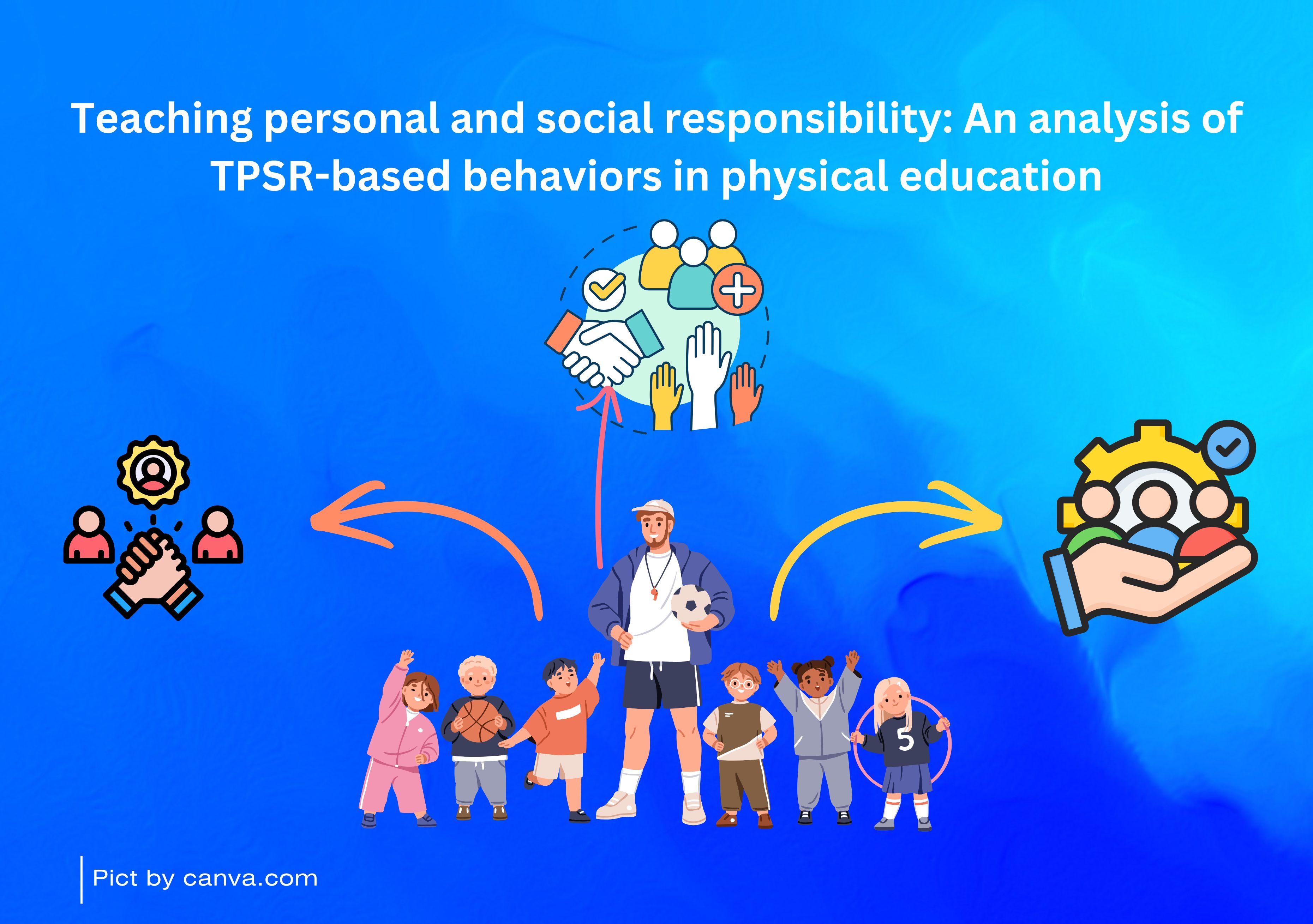
Teaching personal and social responsibility: An analysis of TPSR-based behaviors in physical education
Rama Adha Septiana1, Tite Juliantine21. Indonesia University of Education , ID2. Indonesia University of Education , ID2025-12-30|page 332-343AbstractBackground: The rapid growth of online gaming among students has raised concerns regarding behavioral regulation, responsibility, and social interaction in educational contexts.
Objectives: This study aims to systematically review empirical research on the Teaching Personal and Social Responsibility (TPSR) model and student behavioral outcomes, and to explore its potential implications for online gaming and digital behavior contexts.
Methods: A literature review was conducted using SAGE Journals and Taylor & Francis Online databases, selected due to their strong coverage of peer-reviewed research relevant to physical education and pedagogy. The search covered publications from 2014 to 2024 using the keywords “TPSR” AND “student” AND “behavior” AND (“online game” OR “gaming”). Inclusion criteria were: (1) peer-reviewed international journal articles, (2) empirical or review studies addressing TPSR and student behavior, (3) student populations, and (4) publication within the last ten years. Articles that did not explicitly address TPSR-based behavioral outcomes were excluded. From 43 initial records, 4 articles met the inclusion criteria and were synthesized using narrative synthesis.
Results: The included studies primarily focused on TPSR implementation in physical education contexts, emphasizing behavioral responsibility, psychosocial mechanisms, and pedagogical approaches. Of the four studies, two employed quasi-experimental designs, one used survey methods, and one adopted a literature review approach. Overall, the findings indicate that TPSR-based learning is associated with improvements in personal and social responsibility, positive behavior regulation, and supportive learning climates, although direct evidence linking TPSR to online gaming behavior remains limited.
Conclusions: The findings suggest that TPSR offers a promising pedagogical framework for fostering responsible behavior and social regulation among students in the digital era.APA Citation StyleSeptiana, R. A. , & Juliantine, T. (2025). Teaching personal and social responsibility: An analysis of TPSR-based behaviors in physical education. Physical Education and Sports: Studies and Research, 332-343. https://doi.org/10.56003/pessr.v4i3.647 -

Improving martial arts education through gamified learning: The case of Pencak Silat with Quizizz
M. Gusti Ariadi1, Wahyu Indra Bayu2, Soleh Solahuddin31. Sriwijaya University , ID2. Sriwijaya University , ID3. Sriwijaya University , ID2025-08-09|page 186-194AbstractBackground: The use of digital media in learning is an innovative effort to improve the quality of the teaching and learning process, including in physical education, particularly in the subject of Pencak Silat
Objectives: This study aims to determine the effect of using the Quizizz application on the learning outcomes of Pencak Silat among students at Public Senior High School 1 Indralaya Selatan.
Methods: This research was conducted using a quantitative approach. The design used is a one-group pretest-posttest design. In this design, students are given a pretest before treatment, followed by a learning treatment using Quizizz media. After the treatment is completed, a posttest is administered. The population in this study consists of all 11th-grade students at Senior High School 1 Indralaya Selatan, totaling 149 students. From that population, a simple random sample of 30 students will be taken to serve as the research sample. The research instruments include a cognitive test in the form of multiple-choice questions and a psychomotor test in the form of basic pencak silat technique practice. Then the data were analyzed using the Shapiro-Wilk normality test to ensure data distribution, followed by a paired sample t-test using IBM SPSS Statistics version 30.0.0.0 (172) software.
Results: The analysis shows a significant increase in pretest to posttest scores, both in cognitive aspects (from an average of 37.87 to 58.83) and psychomotor aspects (from an average of 5.43 to 8.70). In the paired sample t-test, the significance value showed <0.001, indicating a significant effect of Quizizz media on students' learning outcomes.
Conclusions: This research concludes that the Quizizz application effectively enhances the understanding of concepts and fundamental movement skills of pencak silat in a fun and interactive way.
APA Citation StyleAriadi, M. G. , Bayu, W. I. , & Solahuddin, S. (2025). Improving martial arts education through gamified learning: The case of Pencak Silat with Quizizz. Physical Education and Sports: Studies and Research, 186-194. https://doi.org/10.56003/pessr.v4i2.579 -
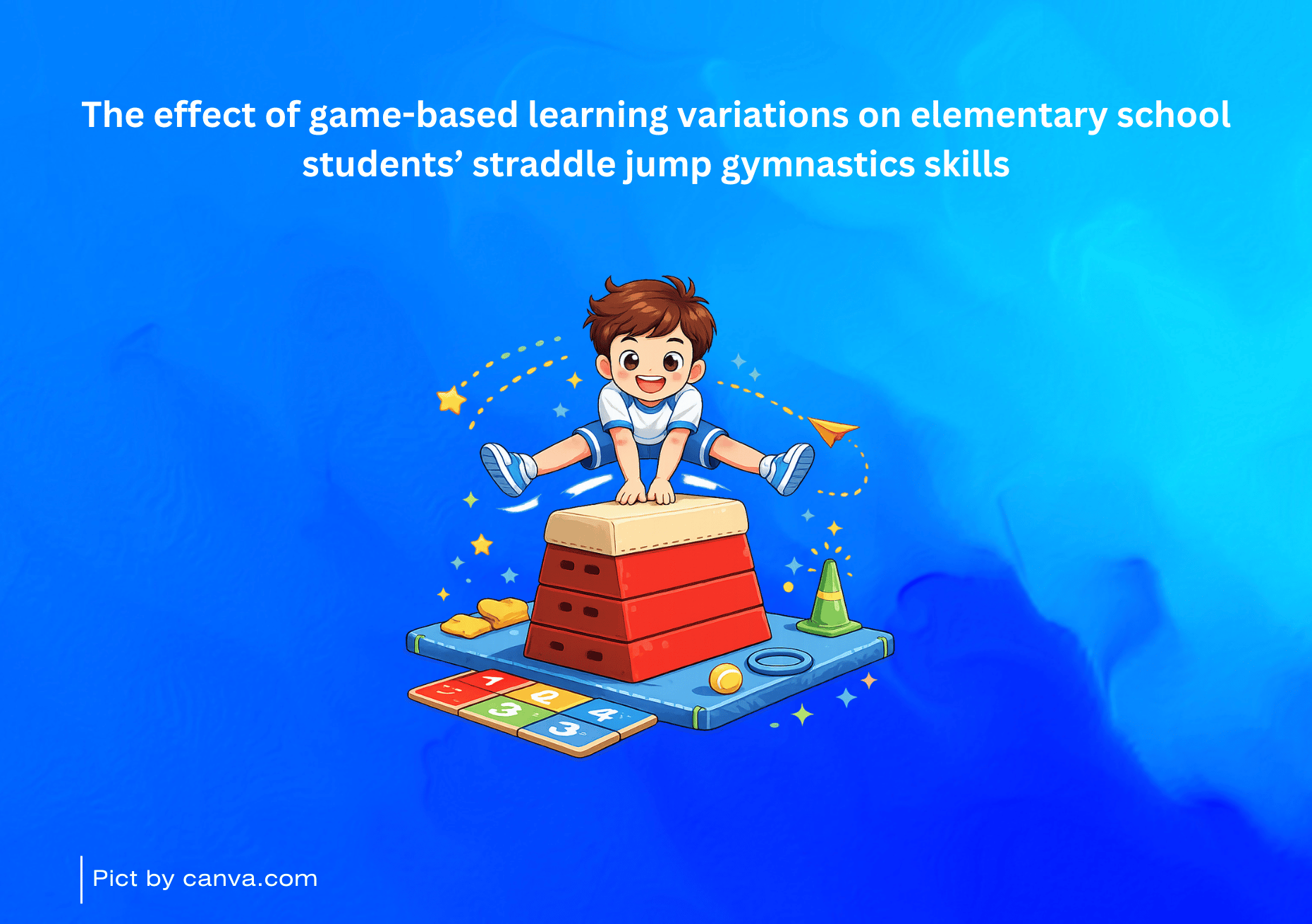
The effect of game-based learning variations on elementary school students’ straddle jump gymnastics skills
Fadhilah Nurwahid1, Rizal Ahmad Fauzi2, Adang Sudrazat31. Indonesian University of Education , ID2. Indonesian University of Education , ID3. Indonesian University of Education , ID2026-04-01|page 57-67AbstractBackground: Physical education in primary schools is essential for the development of students' motor skills, including gymnastic abilities such as the straddle leap. In fact, numerous students continue to struggle to execute these movements accurately because of repetitive teaching approaches that fail to engage them actively. Consequently, a more stimulating and diverse educational methodology, including game-based activities, is required.
Objectives: This study examines the impact of fluctuations in game-based learning on the enhancement of straddle jump gymnastics skills among primary school students.
Methods: This research employed a quantitative methodology using a pre-experimental framework, namely the One-Group Pretest–Posttest Design. The study population comprised all 40 fourth-grade students at Citungku Elementary School, who were sampled using a total sampling technique. Data were gathered via a practical examination of straddle jump movement proficiency, adhering to the Australian Gymnastic Federation's evaluation criteria, which encompass four components: the initiation, propulsion, suspended posture, and landing. The intervention lasted four weeks and included eight sessions featuring activities such as frog leaps, mirror jumps, rope jumping, and hopscotch, all aimed at training the elements of the straddle jump. The Shapiro-Wilk normality test and paired-samples t-test were conducted in SPSS version 27 for data analysis.
Results: The study found an improvement in students' capabilities following the implementation of game-based learning modifications. The mean pretest score of 58.00 rose to 74.76 in the posttest. The paired-samples t-test yielded a t value of -9.894 and a p-value of 0.001 (< 0.05), indicating a significant difference between pre- and post-treatment outcomes. This demonstrates that the executed game activities facilitated improvements in students' motor coordination, push-off strength, body control during floating, and landing methods during the straddle jump movement.
Conclusions: Variations of game-based learning, including frog jumping, mirror jumping, rope jumping, and hopscotch, have demonstrated efficacy in enhancing straddle jumping gymnastics skills among elementary school students while fostering a more dynamic and pleasurable physical learning experience.
APA Citation StyleNurwahid, F. , Fauzi, R. A. , & Sudrazat, A. (2026). The effect of game-based learning variations on elementary school students’ straddle jump gymnastics skills. Physical Education and Sports: Studies and Research, 57-67. https://doi.org/10.56003/pessr.v5i1.705 -

The combination of plyometric and ladder drills can improve acceleration and footwork skills in badminton players
Muhammad Labib Siena Ar Rasyid1, Oce Wiriawan2, Afif Rusdiawan3, Laily Mita Andriana4, Enarnimas Dwi Ratna Damayanti51. Department of Sports Coaching Education, Faculty of Sport and Health Sciences, Universitas Negeri Surabaya , ID2. Department of Sports Coaching Education, Faculty of Sport and Health Sciences, Universitas Negeri Surabaya , ID3. Department of Sports Science, Faculty of Sport and Health Sciences, Universitas Negeri Surabaya , ID4. Department of Sports Coaching Education, Faculty of Sport and Health Sciences, Universitas Negeri Surabaya , ID5. Department of Sports Coaching Education, Faculty of Sport and Health Sciences, Universitas Negeri Surabaya , ID2026-03-08|page 28-39AbstractBackground: Recognized globally as the fastest racket sport in the world, badminton demands exceptional acceleration and footwork skills for competitive success. However, many intermediate players often struggle to produce the explosive power needed for fast-paced rallies. To enhance these physical attributes, targeted training interventions, such as a hybrid regimen of plyometric and ladder drills, are often required.
Objectives: This study aims to analyze the efficacy of integrating plyometric exercises with ladder drills in enhancing acceleration and footwork proficiency among badminton players.
Methods: This research employed a quasi-experimental design with a non-equivalent control group. Through purposive sampling, 24 male participants (aged 14-16 years) with at least 2 years of training experience, good health, and no history of recent injuries were selected. They were assigned to either the PLD Group (age: 15.00 ± 0.74 years; height: 162.00 ± 0.07 cm; weight: 50.58 ± 5.68 kg; BMI: 19.20 ± 0.88 kg/m²) or the CV Group (age: 15.00 ± 0.85 years; height: 162.08 ± 0.08 cm; weight: 51.75 ± 8.05 kg; BMI: 19.59 ± 1.56 kg/m²). The intervention spanned six weeks, with three sessions per week. Performance in acceleration was assessed using a 10-meter sprint, and footwork skills were assessed using the footwork skills test (Tohar version) pre- and post-intervention. Data analysis employed the Wilcoxon signed-rank and the Mann-Whitney tests.
Results: The Wilcoxon analysis indicated that both the PLD and CV Groups achieved improvements in acceleration and footwork skills (p<0.05). However, the Mann-Whitney test revealed a statistically significant difference between the two groups, with the PLD Group demonstrating superior gains in both acceleration (p<0.05) and footwork skills (p<0.05) compared to the CV Group.
Conclusions: Integrating plyometric training and ladder drills is an effective strategy for significantly improving acceleration and footwork skills in badminton players.
APA Citation StyleRasyid, M. L. S. A. , Wiriawan, O. , Rusdiawan, A. , Andriana, L. M. , & Damayanti, E. D. R. (2026). The combination of plyometric and ladder drills can improve acceleration and footwork skills in badminton players. Physical Education and Sports: Studies and Research, 28-39. https://doi.org/10.56003/pessr.v5i1.669 -

The effect of peer teaching and think pair share on rhythmic gymnastics learning outcomes
Muhammad Lutfi Hasan1, Ibnu Fatkhu Royana2, Utvi Hinda Zhannisa31. Universitas PGRI Semarang , ID2. Universitas PGRI Semarang , ID3. Universitas PGRI Semarang , ID2025-08-14|page 195-203AbstractBackground: Rhythmic gymnastics plays a vital role in developing students' motor skills, coordination, and rhythm, yet many still face challenges in mastering movement concepts.
Objectives: This study compared the effectiveness of Peer Teaching and Think Pair Share (TPS) cooperative learning models in improving rhythmic gymnastics learning outcomes.
Methods: A quasi-experimental design with a two-group pretest–posttest was conducted on 68 eighth-grade students (male and female) at State Junior High School 4 Semarang, divided into Peer Teaching (n=34) and TPS (n=34) groups. Learning outcomes were assessed using a validated rhythmic gymnastics performance test, and data were analyzed descriptively with gain score calculation.
Results: The TPS group achieved a greater improvement in posttest scores (from 67.21 to 79.59; +18.41%) compared to the Peer Teaching group (from 79.18 to 79.85; +0.85%). These results indicate that TPS enhances students' understanding, coordination, and engagement in rhythmic gymnastics learning.
Conclusions: TPS is recommended for physical education teachers to improve performance, particularly for students with lower initial skills. Further studies should explore its long-term effects and retention.
APA Citation StyleHasan, M. L. , Royana, I. F. , & Zhannisa, U. H. (2025). The effect of peer teaching and think pair share on rhythmic gymnastics learning outcomes. Physical Education and Sports: Studies and Research, 195-203. https://doi.org/10.56003/pessr.v4i2.619 -

Low-impact specialized pilates is better than low intensity steady state for increasing fitness level
Laily Mita Andriana1, Kunjung Ashadi2, Fransisca Januarumi Marhaendra Wijaya3, Muhamad Fauzi Antoni41. Universitas Negeri Surabaya , ID2. Universitas Negeri Surabaya , ID3. Universitas Negeri Surabaya , ID4. Universitas Negeri Surabaya , ID2025-07-13|page 139-151AbstractBackground: Elderly individuals with disabilities often face challenges in maintaining physical fitness, highlighting the need for effective and appropriate exercise methods tailored to their limitations.
Objectives: This study compares the effectiveness of low-impact specialized Pilates and Low-Intensity Steady-State (LISS) exercise in improving fitness levels among older adults with mild to moderate disabilities. The unique advantage of Pilates in enhancing balance and core strength is presented as a novel contribution.
Methods: A quasi-experimental design with pre-test and post-test assessments was employed, involving 40 elderly participants with disabilities divided into two intervention groups over 8 weeks. Participants were selected through purposive sampling based on the inclusion criteria of 60–75 years with mild to moderate disabilities. Fitness levels were assessed using the Senior Fitness Test, which evaluates muscular strength, balance, flexibility, and aerobic capacity.
Results: Data analysis was conducted using the Shapiro–Wilk test, paired sample t-test, and independent sample t-test. The results demonstrated that the low-impact specialized Pilates group showed significant improvements in core strength, balance, and flexibility, whereas the LISS group exhibited greater improvements in aerobic capacity.
Conclusions: In conclusion, low-impact specialized Pilates is more effective in enhancing overall fitness among elderly individuals with disabilities. Therefore, it is recommended as a suitable exercise modality for rehabilitation and health maintenance programs to improve this population's quality of life and functional independence.
APA Citation StyleAndriana, L. M. , Ashadi, K. , Wijaya, F. J. M. , & Antoni, M. F. (2025). Low-impact specialized pilates is better than low intensity steady state for increasing fitness level. Physical Education and Sports: Studies and Research, 139-151. https://doi.org/10.56003/pessr.v4i2.575 -

Impact of five-cone and ladder drill training on agility among U15 football athletes
Pupuh Harya Prembanyu1, Agus Wiyanto2, Setiyawan Setiyawan31. Universitas PGRI Semarang , ID2. Universitas PGRI Semarang , ID3. Universitas PGRI Semarang , ID2025-11-26|page 266-274AbstractBackground: Although it may seem simple, soccer has complex characteristics, which is why many children are attracted to training at soccer schools. Agility is a crucial aspect of the game, as it enables a player to move quickly, evade opponents, and control the ball effectively. At the Pemalang Regency Bina Talenta Soccer School (SSB), agility training is not conducted optimally and has not been implemented systematically with effective methods. Therefore, exercises such as the five-cone and ladder drills need to be implemented to improve player agility more effectively.
Objectives: This study aims to examine the impact of five-cone and ladder drill training on the agility of U15 football athletes.
Methods: This study used a quantitative descriptive method with a quasi-experimental approach. The experimental design was a pretest-posttest in two groups. The sampling technique used was purposive sampling with 20 players participating in a four-week training program. The instrument to measure agility was the Illinois Agility Test, with a validity level of r = 0.87. The measurement data were analyzed using a difference test with the help of SPSS software version 29.0.
Results: The five-cone drill and the ladder drill had a significant effect on agility, as both exercises had a significance value of <0.05. The five-cone drill was more effective than the ladder drill. This was due to the difference in scores between the five-cone drill, which increased by 1.04, and the ladder drill, which increased by 0.84.
Conclusions: Both training methods are effective in improving agility and can be integrated into school-based football training programs. Furthermore, the results of implementing these methods can enhance player performance and provide a valuable source of new knowledge for future researchers on agility in SSB players.
APA Citation StylePrembanyu, P. H. , Wiyanto, A. , & Setiyawan, S. (2025). Impact of five-cone and ladder drill training on agility among U15 football athletes. Physical Education and Sports: Studies and Research, 266-274. https://doi.org/10.56003/pessr.v4i3.633 -
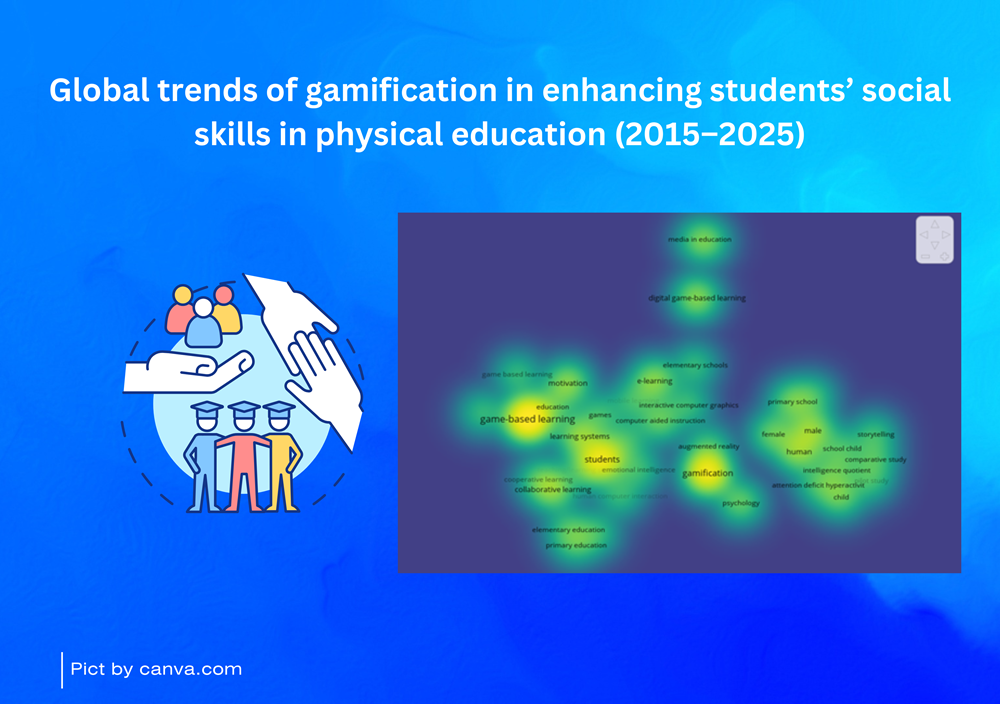
Global trends of gamification in enhancing students’ social skills in physical education (2015–2025)
Rajip Mustafillah Rusdiyanto1, Ari Wibowo Kurniawan21. State University of Malang , ID2. State University of Malang , ID2025-07-01|page 125-138AbstractBackground: The development of digital technology has triggered a more interactive learning transformation through gamification, namely using game elements to increase students' motivation, engagement, and social skills, such as cooperation, communication, empathy, and problem solving.
Objectives: This study aims to analyze global research trends on gamification in enhancing students' social skills, particularly in physical education, through a bibliometric analysis from 2015 to 2025.
Methods: This study employed a bibliometric design. Data were retrived from the Scopus database on April 22, 2025, using specific keywords: (gamification OR gamified learning OR game-base-based learning) AND ("physical education" OR "PE class" OR "sport education") AND (social skills" OR "social competence" OR "social interaction") AND (elementary school" OR "primary school" OR "midle school" OR "junior high school" OR "high school" OR "secondary school" From an initial 120 documents, 47 met the inclusion criteria. VOSViewer was used to analyze keyword co-occurrence, visualize trends, and identify thematic clusters by completely counting on all keywords with at least two documents per author.
Results: 47 relevant articles were identified, with publication peaking in 2020. Keyword analysis revealed five main thematic clusters: gamification in education, digital game-based learning, collaborative learning, emerging technologies, and motivation. The most frequent keywords were game-based learning (n=12), gamification (n=9), and students (n=8). The University of Patras emerged as the most productive institution, while the leading journal was the International Journal of Learning, Teaching and Educational Research.
Conclusions: Although research on gamification has grown significantly, its application in physical education remains underexplored. This study reveals a gap in leveraging gamification to develop students' social skills in physical education. Future research should focus on integrating gamification in this context while considering sociocultural and technological factors to ensure inclusive and effective implementation.
APA Citation StyleRusdiyanto, R. M. , & Kurniawan, A. W. (2025). Global trends of gamification in enhancing students’ social skills in physical education (2015–2025). Physical Education and Sports: Studies and Research, 125-138. https://doi.org/10.56003/pessr.v4i2.598 -

Impact of plyometric training using step-up and lateral box jumps on the improvement of leg muscle power in youth school futsal athletes
Risky Sandy Kurniawan1, Donny Anhar Fahmi2, Setiyawan Setiyawan31. Universitas PGRI Semarang , ID2. Universitas PGRI Semarang , ID3. Universitas PGRI Semarang , ID2025-08-15|page 212-221AbstractBackground: Futsal is a high-intensity sport that requires leg muscle power, especially in aerial duels, anticipating the ball, and performing powerful kicks. Limited jumping ability can reduce leg muscle power and overall performance.
Objectives: This study aims to test the impact of plyometric training using step-up and lateral box jumps on the improvement of leg muscle power in youth school futsal athletes.
Methods: A quasi-experimental single-group pretest-posttest design was conducted with 40 male participants over a four-week plyometric training program. Leg muscle power was measured using a vertical jump test before and after the intervention. Data were analyzed using a t-test with the assistance of SPSS.
Results: Both step-up and lateral box jumps significantly increased leg muscle power (p < 0.05). The step-up group showed an average increase of 4.20 cm, while the lateral box jump group showed an average increase of 3.45 cm, with no statistically significant difference (p = 0.326).
Conclusions: Both training methods effectively enhance leg muscle power and can be integrated into school-based futsal training programs to improve performance.
APA Citation StyleKurniawan, R. S. , Fahmi, D. A. , & Setiyawan, S. (2025). Impact of plyometric training using step-up and lateral box jumps on the improvement of leg muscle power in youth school futsal athletes. Physical Education and Sports: Studies and Research, 212-221. https://doi.org/10.56003/pessr.v4i2.611 -
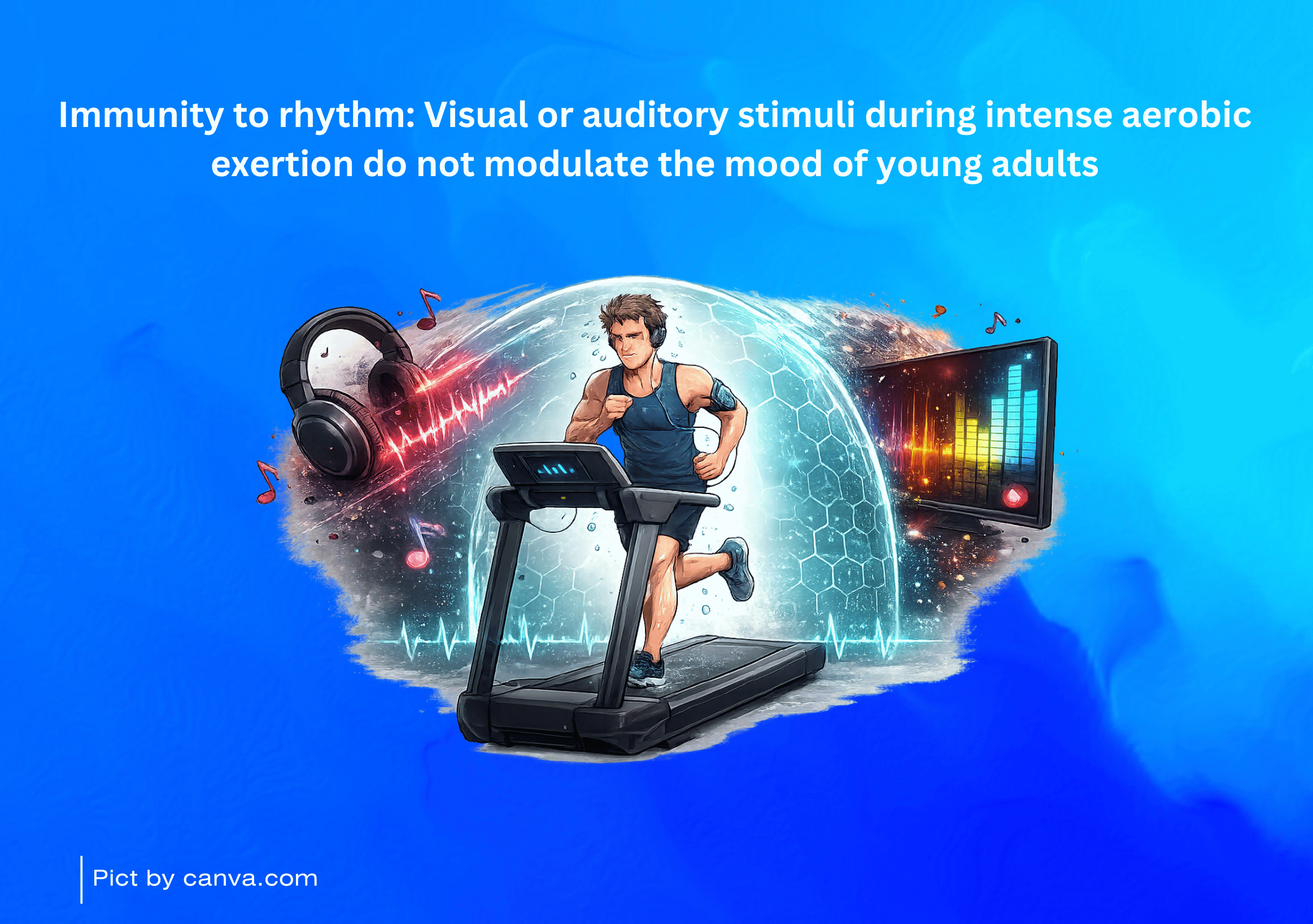
Immunity to rhythm: Visual or auditory stimuli during intense aerobic exertion do not modulate the mood of young adults
Flavio de Souza Araujo1, Camila Maria Menezes Almeida2, Mariana Ferreira de Souza3, Marcelo Magalhães Sales4, José Fernando Vila Nova de Moraes51. Federal University of Vale do São Francisco , BR2. Federal University of Vale do São Francisco , BR3. Federal University of Vale do São Francisco , BR4. State University of Goiás , BR5. Universidade Federal do Vale do São Francisco (UNIVASF) , BR2026-04-26|page 160-171AbstractBackground: High-intensity aerobic exercise can promote higher energy expenditure when compared to low and moderate-intensity exercise. However, vigorous exercise can negatively influence mood responses related to adherence. Auditory and audiovisual resources have been used to improve psychological variables during and after exercise.
Objectives: To analyze the influence of listening to music and watching video clips on mood responses of young adults after a high-intensity aerobic exercise session.
Methods: This is a Cross-Sectional Randomized Controlled Study in which fourteen male participants (23.4 ± 3.1 years; 26.2 ± 3.4 kg/m²) randomly performed exercise sessions on a cyclergometer, at an intensity of 10% above anaerobic threshold, in three situations: control (C), listening to music (M), and watching video clips (VC). At the end of each session, participants underwent 30 min of passive recovery. Mood responses were measured using Brunel’s Mood Scale (BRUMS) before exercise, immediately after exercise, and after recovery. Friedman’s and Wilcoxon’s tests were used, with a significance level of 5%.
Results: No statistical differences were found between conditions (C, C, and VC) for the dimensions confusion, fatigue, anger, tension, and vigor (p>0.05). A statistically significant difference was found for depression before exercise, with M higher than C and VC (p<0.05); however, no differences were observed after exercise or recovery.
Conclusions: Listening to music and/or watching video clips does not influence mood responses in young adults after high-intensity aerobic exercise on a cyclergometer.
APA Citation StyleAraujo, F. D. S. , Almeida, C. M. M. , Souza, M. F. D. , Sales, M. M. , & Moraes, J. F. V. N. D. (2026). Immunity to rhythm: Visual or auditory stimuli during intense aerobic exertion do not modulate the mood of young adults. Physical Education and Sports: Studies and Research, 160-171. https://doi.org/10.56003/pessr.v5i1.702 -
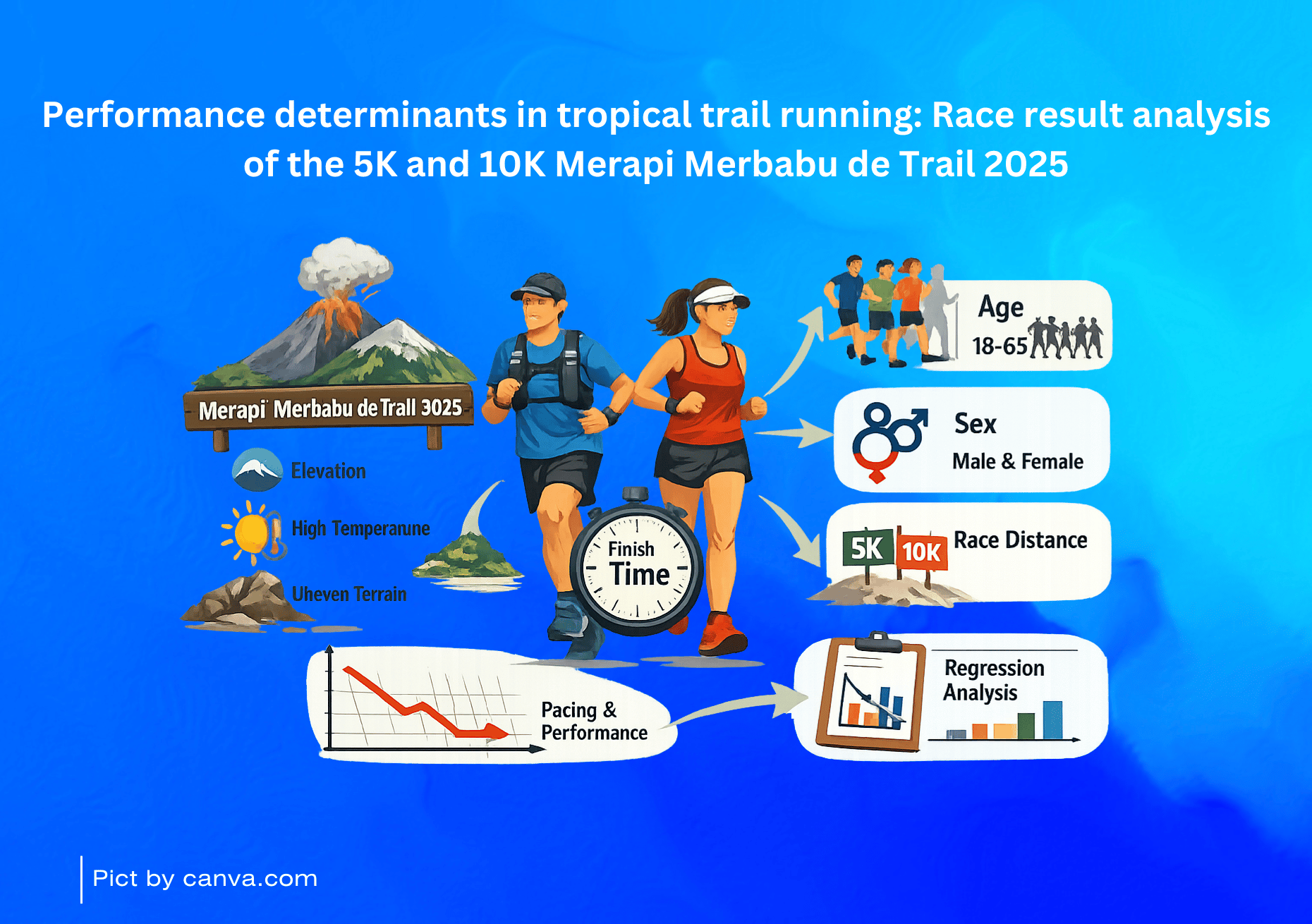
Performance determinants in tropical trail running: Race result analysis of the 5K and 10K Merapi Merbabu de Trail 2025
Siti Baitul Mukarromah1, Sugiarto Sugiarto2, Gustiana Mega Anggita3, Sri Agus Budi Santoso4, Sangheon Park5, Ambar Dwi Erawati6, Rikha Liemiyah7, Aziiz Mardanarian Rosdianto8, Ronny Lesmana9, Faisyal Syofian101. State University of Semarang , ID2. State University of Semarang , ID3. State University of Semarang , ID4. Tarra Adventure, Boyolali Regency, Central Java Province , ID5. Korea Institute of Sport Science, Seoul , KR6. Widya Husada Semarang University , ID7. Universitas Dian Nuswantoro , ID8. Universitas Padjajaran , ID9. Universitas Padjajaran , ID10. Sultan Agung Islamic University , ID2026-04-03|page 82-92AbstractBackground: The limited research on the determinants of performance in short-distance trail running in tropical environments is a major problem in understanding the influence of environmental conditions on runners' performance and pacing strategies.
Objectives: This study aimed to examine the influence of race distance, sex, and age on trail running performance in the 5K and 10K categories of the Merapi Merbabu de Trail 2025.
Methods: A retrospective observational race result analysis was conducted using official race data from the Merapi Merbabu de Trail 2025. The study included 429 runners (5K: n = 144; 10K: n = 285), consisting of 275 male and 154 female participants. The primary outcome variable was finish time (in minutes), while the independent variables included race, distance, sex, and age. Statistical analyses were performed using SPSS version 26, including descriptive statistics, independent-samples t-tests, Cohen’s d effect sizes, and multiple linear regression to evaluate predictors of performance.
Results: Results showed a significant difference in performance between race distances. The mean finish time for the 5K category was 152.8 ± 44.3 minutes, while the 10K category averaged 306.1 ± 74.3 minutes (t = -26.68, p < 0.001, Cohen’s d = 2.50). Male runners completed the 10K race faster than female runners (293 vs. 345 minutes). Regression analysis indicated that finish time increased by approximately 2–3 minutes per year of age, indicating a progressive decline in performance with increasing age.
Conclusions: These findings indicate that race distance, sex, and age are significant determinants of trail running performance in tropical environments.APA Citation StyleMukarromah, S. B. , Sugiarto, S. , Anggita, G. M. , Santoso, S. A. B. , Park, S. , Erawati, A. D. , Liemiyah, R. , Rosdianto, A. M. , Lesmana, R. , & Syofian, F. (2026). Performance determinants in tropical trail running: Race result analysis of the 5K and 10K Merapi Merbabu de Trail 2025. Physical Education and Sports: Studies and Research, 82-92. https://doi.org/10.56003/pessr.v5i1.699

1 - 15 of 15 items




















