Search
Search Results
##search.searchResults.foundPlural##
-

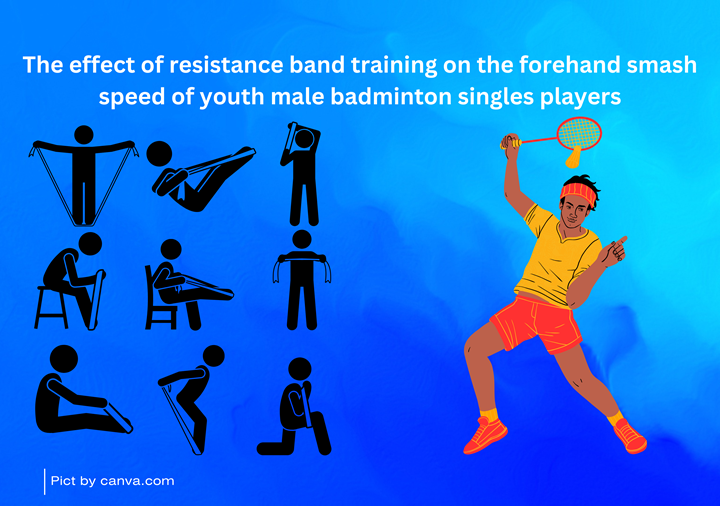
The effect of resistance band training on the forehand smash speed of youth male badminton singles players
Danan Satria Rahadhi1, Yopi Kusdinar2, Patriana Nurmansyah Awwaludin3, Mulyana Mulyana 41. Indonesia University of Education , ID2. Indonesia University of Education , ID3. Indonesia University of Education , ID4. Indonesia University of Education , ID2025-04-30|page 60-70AbstractBackground: Forehand smash shots kill opponents with explosive blows in a badminton game. In hitting a forehand smash, there are several problems, one of which is the speed of the punch.
Objectives: This study is designed to investigate and identify alternative exercises that can enhance the speed of smash shots. The findings of this study are expected to provide valuable insights for athletes and trainers, aiding in the development of effective training programs.
Methods: The research method used in this study is an experimental method with a quantitative approach and a Two Group Pretest-Posttest Design research design. The population in this study were PB Pasundan Bandung badminton athletes, totaling 30 athletes, with a sample of 20 people using a purposive sampling technique. The instrument in this study used a smash shot speed test using the Velocity Speed Gun tool. The data was processed and analyzed using the normality test with Shapiro-Wilk and then analyzed using the independent t-test with SPSS 23.
Results: The T-test value is with a Sig value. (2-tailed) of 0.00, based on the test results, the Sig value. (2-tailed) <0.05 so that H0 is rejected. So, resistance band training has a significant effect on increasing the speed of forehand smash shots.
Conclusions: In conclusion, the consistent use of resistance bands in training sessions could be a game-changer in boosting the speed of forehand smash shots for badminton athletes. These results strongly advocate integrating resistance band training into early-stage badminton training programs. Future studies could further explore its long-term effects and application across different age groups, fostering hope for the continued evolution of training methods in badminton.
APA Citation StyleRahadhi, D. S. , Kusdinar, Y. , Awwaludin, P. N. , & Mulyana , M. (2025). The effect of resistance band training on the forehand smash speed of youth male badminton singles players. Physical Education and Sports: Studies and Research, 60-70. https://doi.org/10.56003/pessr.v4i1.524 -

The impact of coaching communication styles and training programs on novice tennis player satisfaction: A case study from Indonesia
Mohammad Aldi Zakaria1, Limpad Nurrachmad21. State University of Semarang , ID2. State University of Semarang , ID2025-07-17|page 152-161AbstractBackground: The satisfaction of beginner tennis players is often influenced by coaches' communication styles and the structure of training programs.
Objectives: This study analyzed the effects of coaching communication style and training program design on player satisfaction at Club First Tennis.
Methods: A quantitative, descriptive-associative approach was used with 50 beginner players in regular training sessions. Data were collected using a Likert-scale questionnaire covering coach communication style, training program design, and player satisfaction. Statistical analyses included validity and reliability tests, normality checks, and Spearman's rank correlation due to non-parametric data.
Results: Results showed strong, significant relationships between coaching communication and player satisfaction (r = 0.615, p < 0.05), as well as between training programs and satisfaction (r = 0.620, p < 0.05). These findings indicate that supportive and adaptive communication and well-structured training enhance athlete satisfaction and engagement.
Conclusions: The study highlights the importance of integrating effective communication and program planning in coaching beginner athletes. Future studies are encouraged to explore additional influencing factors such as intrinsic motivation or external support, and to involve larger sample sizes for broader generalizability.
APA Citation StyleZakaria, M. A. , & Nurrachmad, L. (2025). The impact of coaching communication styles and training programs on novice tennis player satisfaction: A case study from Indonesia. Physical Education and Sports: Studies and Research, 152-161. https://doi.org/10.56003/pessr.v4i2.603 -
Weightlifting coaches' and athletes' understanding of injury prevention programs: a case study of Lumajang and Malang
Muhammad Izzan Atmagara1, Yulingga Nanda Hanief21. State University of Malang , ID2. State University of Malang , ID2025-09-21|page 222-235AbstractBackground: Weightlifting is a high-intensity sport with a high risk of injuries due to improper technique, insufficient warm-up, and excessive training loads.
Objectives: This study explores the understanding, strategies, and barriers of weightlifting coaches and athletes in Lumajang District and Malang City related to implementing injury prevention programs in performance sports.
Methods: This study used a qualitative case study approach. Participants were selected using purposive sampling, consisting of weightlifting coaches with at least one year of experience and athletes who had trained and competed at the regional level. Data were collected through interviews, observations, and document analysis, while data were analyzed using the Miles and Huberman model, including reduction, presentation, and conclusion.
Results: The results showed that coaches and athletes emphasized dynamic warm-ups, core and back strengthening exercises, and correct lifting techniques as the main strategies to prevent injuries. However, limitations in facilities, literature access, and training variety were identified as barriers to implementing optimal injury prevention programs.
Conclusions: This study concludes that effective injury prevention in weightlifting requires structured warm-up routines, individualized training programs, and adequate supporting equipment. Strengthening coaches’ knowledge and providing better facilities are crucial to minimize injuries and enhance athlete performance.APA Citation StyleAtmagara, M. I. , & Hanief, Y. N. (2025). Weightlifting coaches' and athletes' understanding of injury prevention programs: a case study of Lumajang and Malang. Physical Education and Sports: Studies and Research, 222-235. https://doi.org/10.56003/pessr.v4i2.601 -
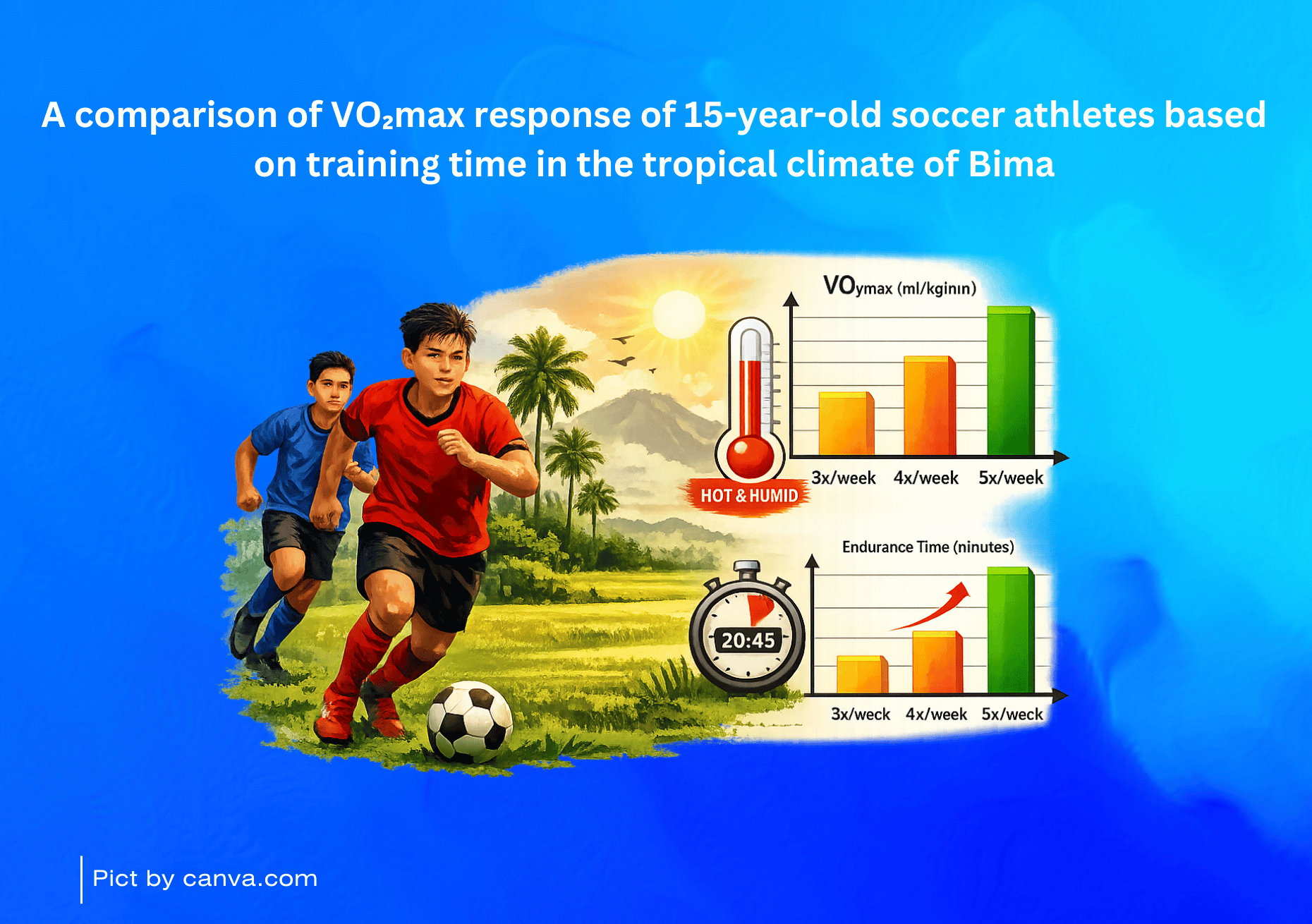
A comparison of VO₂max response of 15-year-old soccer athletes based on training time in the tropical climate of Bima
Firdaus Firdaus1, Taty Hartati2, Rabwan Satriawan3, Shutan Arie Shandi4, Nor Fazila Abd Malek51. Department of Physical Education, STKIP Taman Siswa Bima , ID2. Department of History, STKIP Taman Siswa Bima , ID3. Department of Physical Education, STKIP Taman Siswa Bima , ID4. Department of Physical Education, STKIP Taman Siswa Bima , ID5. Faculty of Sports Science and Coaching, Sultan Idris Education University , MY2026-04-14|page 125-134AbstractBackground: VO₂max is the primary indicator of a soccer athlete's aerobic capacity, but in tropical climates like Bima, high temperatures and humidity can affect VO₂max achievement. Hence, the timing of training is an important factor to consider.
Objectives: This study aims to analyze differences in VO₂max across training times (morning and afternoon) in 15-year-old youth soccer athletes from the Bima Football Association (PERSSEBI).
Methods: The study used a quantitative, comparative, cross-sectional observational design. The study subjects were 45 athletes (age 15.31±0.46; height 163.12±4.35 cm; weight 55.28±3.67 kg; and body mass index (BMI) 20.78±1.18 kg/m²) from the Bima Football Association (PERSEBI), selected by purposive sampling, and divided into morning (n=23) and afternoon (n=22) training groups. VO₂max was measured using a multistage fitness test (Bleep Test). Data analysis included descriptive statistics, the Shapiro–Wilk normality test, the Levene homogeneity test, and the independent-samples t-test at a significance level of 0.05, using IBM SPSS 25.
Results: The descriptive analysis showed that the average VO₂max of the morning group was 43.78 ± 2.34 ml/kg/minute, higher than that of the afternoon group (42.91 ± 2.29 ml/kg/minute). The results of the independent sample t-test showed that there was a significant difference in VO₂max between the two groups with a t value = 2.14 with df = 43 and a significant p value = 0.04 (p < 0.05) with an average difference of 0.87 ml/kg/minute indicating that the morning exercise group had a higher Vo2max value than the afternoon exercise group.
Conclusions: These findings suggest that training time contributes to differences in athletes' VO₂max values in tropical environments, with morning training resulting in higher performance than afternoon training. Therefore, scheduling training that accounts for environmental conditions is crucial for optimizing athletes' VO₂max.
APA Citation StyleFirdaus, F. , Hartati, T. , Satriawan, R. , Shandi, S. A. , & Malek, N. F. A. (2026). A comparison of VO₂max response of 15-year-old soccer athletes based on training time in the tropical climate of Bima. Physical Education and Sports: Studies and Research, 125-134. https://doi.org/10.56003/pessr.v5i1.709 -
Impact of five-cone and ladder drill training on agility among U15 football athletes
Pupuh Harya Prembanyu1, Agus Wiyanto2, Setiyawan Setiyawan31. Universitas PGRI Semarang , ID2. Universitas PGRI Semarang , ID3. Universitas PGRI Semarang , ID2025-11-26|page 266-274AbstractBackground: Although it may seem simple, soccer has complex characteristics, which is why many children are attracted to training at soccer schools. Agility is a crucial aspect of the game, as it enables a player to move quickly, evade opponents, and control the ball effectively. At the Pemalang Regency Bina Talenta Soccer School (SSB), agility training is not conducted optimally and has not been implemented systematically with effective methods. Therefore, exercises such as the five-cone and ladder drills need to be implemented to improve player agility more effectively.
Objectives: This study aims to examine the impact of five-cone and ladder drill training on the agility of U15 football athletes.
Methods: This study used a quantitative descriptive method with a quasi-experimental approach. The experimental design was a pretest-posttest in two groups. The sampling technique used was purposive sampling with 20 players participating in a four-week training program. The instrument to measure agility was the Illinois Agility Test, with a validity level of r = 0.87. The measurement data were analyzed using a difference test with the help of SPSS software version 29.0.
Results: The five-cone drill and the ladder drill had a significant effect on agility, as both exercises had a significance value of <0.05. The five-cone drill was more effective than the ladder drill. This was due to the difference in scores between the five-cone drill, which increased by 1.04, and the ladder drill, which increased by 0.84.
Conclusions: Both training methods are effective in improving agility and can be integrated into school-based football training programs. Furthermore, the results of implementing these methods can enhance player performance and provide a valuable source of new knowledge for future researchers on agility in SSB players.
APA Citation StylePrembanyu, P. H. , Wiyanto, A. , & Setiyawan, S. (2025). Impact of five-cone and ladder drill training on agility among U15 football athletes. Physical Education and Sports: Studies and Research, 266-274. https://doi.org/10.56003/pessr.v4i3.633 -
Impact of plyometric training using step-up and lateral box jumps on the improvement of leg muscle power in youth school futsal athletes
Risky Sandy Kurniawan1, Donny Anhar Fahmi2, Setiyawan Setiyawan31. Universitas PGRI Semarang , ID2. Universitas PGRI Semarang , ID3. Universitas PGRI Semarang , ID2025-08-15|page 212-221AbstractBackground: Futsal is a high-intensity sport that requires leg muscle power, especially in aerial duels, anticipating the ball, and performing powerful kicks. Limited jumping ability can reduce leg muscle power and overall performance.
Objectives: This study aims to test the impact of plyometric training using step-up and lateral box jumps on the improvement of leg muscle power in youth school futsal athletes.
Methods: A quasi-experimental single-group pretest-posttest design was conducted with 40 male participants over a four-week plyometric training program. Leg muscle power was measured using a vertical jump test before and after the intervention. Data were analyzed using a t-test with the assistance of SPSS.
Results: Both step-up and lateral box jumps significantly increased leg muscle power (p < 0.05). The step-up group showed an average increase of 4.20 cm, while the lateral box jump group showed an average increase of 3.45 cm, with no statistically significant difference (p = 0.326).
Conclusions: Both training methods effectively enhance leg muscle power and can be integrated into school-based futsal training programs to improve performance.
APA Citation StyleKurniawan, R. S. , Fahmi, D. A. , & Setiyawan, S. (2025). Impact of plyometric training using step-up and lateral box jumps on the improvement of leg muscle power in youth school futsal athletes. Physical Education and Sports: Studies and Research, 212-221. https://doi.org/10.56003/pessr.v4i2.611 -
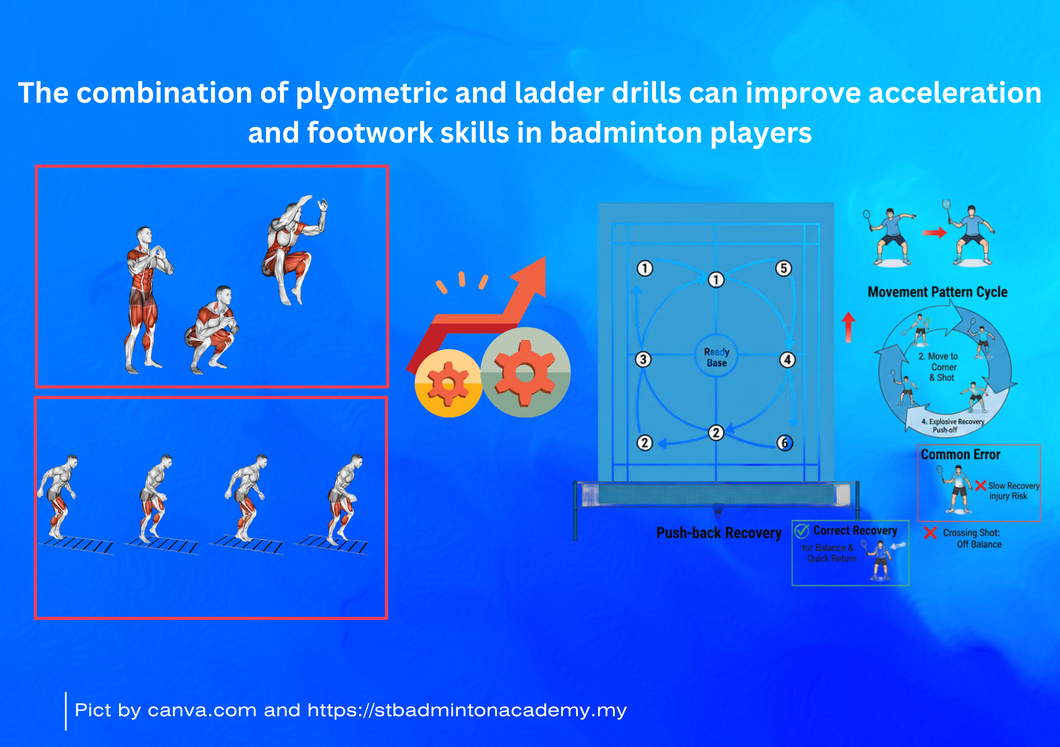
The combination of plyometric and ladder drills can improve acceleration and footwork skills in badminton players
Muhammad Labib Siena Ar Rasyid1, Oce Wiriawan2, Afif Rusdiawan3, Laily Mita Andriana4, Enarnimas Dwi Ratna Damayanti51. Department of Sports Coaching Education, Faculty of Sport and Health Sciences, Universitas Negeri Surabaya , ID2. Department of Sports Coaching Education, Faculty of Sport and Health Sciences, Universitas Negeri Surabaya , ID3. Department of Sports Science, Faculty of Sport and Health Sciences, Universitas Negeri Surabaya , ID4. Department of Sports Coaching Education, Faculty of Sport and Health Sciences, Universitas Negeri Surabaya , ID5. Department of Sports Coaching Education, Faculty of Sport and Health Sciences, Universitas Negeri Surabaya , ID2026-03-08|page 28-39AbstractBackground: Recognized globally as the fastest racket sport in the world, badminton demands exceptional acceleration and footwork skills for competitive success. However, many intermediate players often struggle to produce the explosive power needed for fast-paced rallies. To enhance these physical attributes, targeted training interventions, such as a hybrid regimen of plyometric and ladder drills, are often required.
Objectives: This study aims to analyze the efficacy of integrating plyometric exercises with ladder drills in enhancing acceleration and footwork proficiency among badminton players.
Methods: This research employed a quasi-experimental design with a non-equivalent control group. Through purposive sampling, 24 male participants (aged 14-16 years) with at least 2 years of training experience, good health, and no history of recent injuries were selected. They were assigned to either the PLD Group (age: 15.00 ± 0.74 years; height: 162.00 ± 0.07 cm; weight: 50.58 ± 5.68 kg; BMI: 19.20 ± 0.88 kg/m²) or the CV Group (age: 15.00 ± 0.85 years; height: 162.08 ± 0.08 cm; weight: 51.75 ± 8.05 kg; BMI: 19.59 ± 1.56 kg/m²). The intervention spanned six weeks, with three sessions per week. Performance in acceleration was assessed using a 10-meter sprint, and footwork skills were assessed using the footwork skills test (Tohar version) pre- and post-intervention. Data analysis employed the Wilcoxon signed-rank and the Mann-Whitney tests.
Results: The Wilcoxon analysis indicated that both the PLD and CV Groups achieved improvements in acceleration and footwork skills (p<0.05). However, the Mann-Whitney test revealed a statistically significant difference between the two groups, with the PLD Group demonstrating superior gains in both acceleration (p<0.05) and footwork skills (p<0.05) compared to the CV Group.
Conclusions: Integrating plyometric training and ladder drills is an effective strategy for significantly improving acceleration and footwork skills in badminton players.
APA Citation StyleRasyid, M. L. S. A. , Wiriawan, O. , Rusdiawan, A. , Andriana, L. M. , & Damayanti, E. D. R. (2026). The combination of plyometric and ladder drills can improve acceleration and footwork skills in badminton players. Physical Education and Sports: Studies and Research, 28-39. https://doi.org/10.56003/pessr.v5i1.669 -
The effect of championship participation on training intensity and motivation of Pencak Silat student athletes at Semarang State University, Indonesia
Achmad Alif Firmansyah1, Nanang Indardi21. State University of Semarang , ID2. State University of Semarang , ID2025-08-15|page 204-211AbstractBackground: Consistent training and high enthusiasm are the keys to an athlete's success in achieving optimal performance. However, among Pencak Silat athletes at Semarang State University (UNNES), there is a decrease in training intensity and enthusiasm when there is no championship agenda.
Objectives: The purpose of this study is to analyze the effect of participation in a championship on the training intensity and motivation of Semarang State University Pencak Silat athletes.
Methods: This study used a pre-post design with the same subjects (n = 30) and an explanatory quantitative approach to determine the effect of championship participation on training intensity and motivation. Data were collected using a Likert scale questionnaire that has been tested for validity and reliability (α = 0.872). Data analysis was performed using a paired t-test using SPSS.
Results: The results showed a significant increase in training intensity from a mean ± SD of 3.12 ± 0.54 (pre) to 3.78 ± 0.49 (post), and training motivation from 3.05 ± 0.61 (pre) to 3.85 ± 0.55 (post), with t(29) = 5.62 and 6.03, respectively, p = 0.004. Cohen's d effect sizes of 1.03 (intensity) and 1.10 (motivation) indicate significant effects.
Conclusions: These findings indicate that participation in championships is a significant external motivator in improving the quality of athletes' training. Therefore, championships can be a coaching strategy to maintain sustainable training motivation, a practical implication that this study has clearly demonstrated.
APA Citation StyleFirmansyah, A. A. , & Indardi, N. (2025). The effect of championship participation on training intensity and motivation of Pencak Silat student athletes at Semarang State University, Indonesia. Physical Education and Sports: Studies and Research, 204-211. https://doi.org/10.56003/pessr.v4i2.620 -

Medical observations and injury analysis: All Girls Touch Rugby Championship 2024
Mohamad Nizam Nazarudin1, Yong Qin Tan2, Ardo Okilanda3, Yovhandra Ockta4, Reshandi Nugraha51. National University of Malaysia , MY2. National University of Malaysia , MY3. State University of Padang , ID4. Universitas Teuku Umar , ID5. UniversitasPendidikan Indonesia , ID2025-04-04|page 32-45AbstractBackground: Touch rugby is a high-intensity, non-contact sport requiring agility, speed, and coordination. This study analyzes injury distribution, treatment effectiveness, and preventive measures among youth touch rugby players.
Objectives: This study examined injury patterns among adolescent female athletes during the 2024 All-Girls Touch Rugby Championship (AGTR 2024).
Methods: A retrospective observational study was conducted using medical reports from the two-day All-Girls Touch Rugby Championship 2024 (AGTR 2024) at Universiti Putra Malaysia. The study examined 484 female athletes (ages 9–18 years), with 176 injuries recorded and categorized as soft tissue injuries (52.3%), abrasions (23.9%), and sprains (14.2%). Descriptive statistics were used to assess injury distribution, while chi-square analysis (χ² = 10.45, p < 0.01) evaluated the relationship between injury type and age group.
Results: Younger players (10–14 years) sustained more abrasions (60%), whereas older athletes (15–18 years) had a higher incidence of soft tissue injuries (68%). Injuries increased by 66.7% on Day 2, highlighting the impact of cumulative fatigue and tournament intensity. Ice therapy (68%) and bandaging (55%) were the most utilized treatments, with only 7% of cases requiring outpatient referrals.
Conclusions: Findings underscore the need for structured warm-ups, enhanced hydration protocols, and targeted strength training to reduce injury risks. The study emphasizes the role of injury surveillance, playing surface improvements, and gender-specific training programs in preventing injuries and enhancing athlete safety. Implementing evidence-based preventive strategies can promote the long-term development and sustainability of touch rugby for adolescent athletes. Future research should focus on longitudinal injury tracking and tailored intervention strategies.
APA Citation StyleNazarudin, M. N. , Tan, Y. Q. , Okilanda, A. , Ockta, Y. , & Nugraha, R. (2025). Medical observations and injury analysis: All Girls Touch Rugby Championship 2024. Physical Education and Sports: Studies and Research, 32-45. https://doi.org/10.56003/pessr.v4i1.495 -
Low-impact specialized pilates is better than low intensity steady state for increasing fitness level
Laily Mita Andriana1, Kunjung Ashadi2, Fransisca Januarumi Marhaendra Wijaya3, Muhamad Fauzi Antoni41. Universitas Negeri Surabaya , ID2. Universitas Negeri Surabaya , ID3. Universitas Negeri Surabaya , ID4. Universitas Negeri Surabaya , ID2025-07-13|page 139-151AbstractBackground: Elderly individuals with disabilities often face challenges in maintaining physical fitness, highlighting the need for effective and appropriate exercise methods tailored to their limitations.
Objectives: This study compares the effectiveness of low-impact specialized Pilates and Low-Intensity Steady-State (LISS) exercise in improving fitness levels among older adults with mild to moderate disabilities. The unique advantage of Pilates in enhancing balance and core strength is presented as a novel contribution.
Methods: A quasi-experimental design with pre-test and post-test assessments was employed, involving 40 elderly participants with disabilities divided into two intervention groups over 8 weeks. Participants were selected through purposive sampling based on the inclusion criteria of 60–75 years with mild to moderate disabilities. Fitness levels were assessed using the Senior Fitness Test, which evaluates muscular strength, balance, flexibility, and aerobic capacity.
Results: Data analysis was conducted using the Shapiro–Wilk test, paired sample t-test, and independent sample t-test. The results demonstrated that the low-impact specialized Pilates group showed significant improvements in core strength, balance, and flexibility, whereas the LISS group exhibited greater improvements in aerobic capacity.
Conclusions: In conclusion, low-impact specialized Pilates is more effective in enhancing overall fitness among elderly individuals with disabilities. Therefore, it is recommended as a suitable exercise modality for rehabilitation and health maintenance programs to improve this population's quality of life and functional independence.
APA Citation StyleAndriana, L. M. , Ashadi, K. , Wijaya, F. J. M. , & Antoni, M. F. (2025). Low-impact specialized pilates is better than low intensity steady state for increasing fitness level. Physical Education and Sports: Studies and Research, 139-151. https://doi.org/10.56003/pessr.v4i2.575 -
Determinants of athlete motivation and engagement in collegiate team sports: Toward a sports development framework
Teejay D. Panganiban1, Samboy Nabor21. Batangas State University TNEU JPLPC-Malvar , PH2. University of Perpetual Help System Dalta Las Piñas , PH2026-04-14|page 147-159AbstractBackground: Athlete motivation and sustained engagement are essential for retention in collegiate sports programs; however, the institutional and environmental factors that influence these outcomes remain underexplored.
Objectives: This study aimed to examine the determinants of athlete motivation and engagement in collegiate team sports using a Self-Determination Theory perspective, with engagement serving as a proxy for retention behavior.
Methods: A mixed-methods design was employed involving 75 collegiate student-athletes representing basketball, volleyball (men and women), baseball, and softball teams. Quantitative data were collected using a validated, researcher-developed questionnaire based on Self-Determination Theory and analyzed using descriptive statistics, Pearson's correlation, multiple regression, and Structural Equation Modeling (SEM). In contrast, qualitative data were analyzed using thematic analysis.
Results: Findings revealed that organizational commitment (M = 3.42) and environmental support (M = 3.47) were rated very high, while incentives and facilities were rated high. All program components were significantly associated with athlete engagement (p < .05). Regression analysis showed that environmental support (β = .36) and perceived support (β = .31) were the strongest predictors, explaining 68% of the variance (R² = 0.68). SEM results indicated a good model fit (CFI = 0.95; RMSEA = 0.061).
Conclusions: Qualitative findings highlighted intrinsic motivations, such as passion and belonging, as well as extrinsic motivators, including scholarships and rewards, alongside barriers, including financial delays, academic conflicts, and burnout. The study concludes that environmental and perceived support are the primary determinants of athlete engagement, emphasizing the critical role of competence-supportive environments in sustaining motivation and improving athlete retention.
APA Citation StylePanganiban, T. D. , & Nabor, S. (2026). Determinants of athlete motivation and engagement in collegiate team sports: Toward a sports development framework. Physical Education and Sports: Studies and Research, 147-159. https://doi.org/10.56003/pessr.v5i1.718 -
Enhancing locomotor skills in preschoolers through play jump rope
Nancy Trisari Schiff1, Andy Supriady21. Sekolah Tinggi Keguruan dan Ilmu Pendidikan (STKIP) Pasundan , ID2. Sekolah Tinggi Keguruan dan Ilmu Pendidikan (STKIP) Pasundan , ID2026-04-14|page 135-146AbstractBackground: Fundamental Motor Skills (FMS), particularly in the Locomotor Skills domain, are an essential prerequisite for lifelong physical participation. However, the dominance of a sedentary lifestyle threatens young children's mastery of these skills.
Objectives: This study aims to test and prove the effectiveness of the jump rope play intervention program in improving locomotor skills in 5–6-year-old children.
Methods: This research uses a quasi-experimental one-group pretest-posttest design. The sample consisted of 19 males and 11 females, for a total of 30 children. Locomotor skills are measured objectively using the Locomotor subtest of the Test of Gross Motor Development-2 (TGMD-2). The Jump Rope Game intervention was implemented in a structured manner over 8 weeks (3 sessions/week). The data were analyzed using the Paired-Samples T-Test.
Results: The research results show a highly significant improvement in locomotor skills scores after the intervention. The average score increased from 23.30 on the pretest to 27.87 on the posttest, reflecting a 19.61% increase. The paired-samples t-test yielded a p-value of 0.000 (p<0.05), confirming that the difference between the two measurements was statistically significant.
Conclusions: Jump rope games have proven to be an effective, efficient, and enjoyable intervention for significantly improving young children's locomotor skills. This research recommends integrating inexpensive, easily accessible play-based activities into the early childhood education curriculum as a practical strategy to support physical literacy and address basic movement deficits.
APA Citation StyleSchiff, N. T. , & Supriady, A. (2026). Enhancing locomotor skills in preschoolers through play jump rope. Physical Education and Sports: Studies and Research, 135-146. https://doi.org/10.56003/pessr.v5i1.652 -
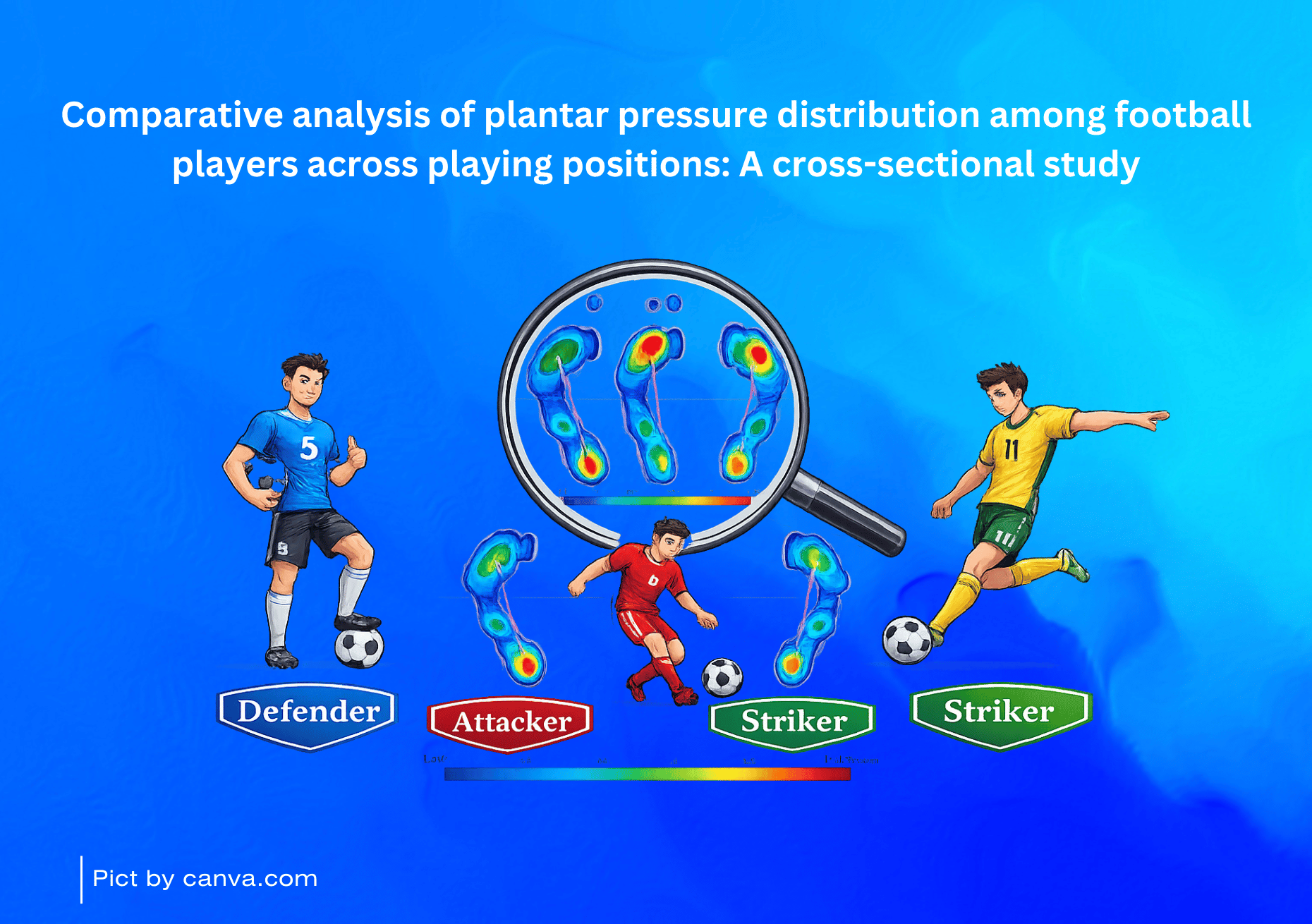
Comparative analysis of plantar pressure distribution among football players across playing positions: A cross-sectional study
Arif Pristianto1, Anindya Maghfira Zain2, Farid Rahman3, Pungki Indarto4, Anugrah Nur Warthadi51. Department of Physiotherapy, Faculty of Health Sciences, Universitas Muhammadiyah Surakarta , ID2. Department of Physiotherapy, Faculty of Health Sciences, Universitas Muhammadiyah Surakarta , ID3. Department of Physiotherapy, Faculty of Health Sciences, Universitas Muhammadiyah Surakarta , ID4. Department of Sport Education, Faculty of Teacher Training and Education, Universitas Muhammadiyah Surakarta , ID5. Department of Sport Education, Faculty of Teacher Training and Education, Universitas Muhammadiyah Surakarta , ID2026-04-01|page 68-81AbstractBackground: Football players exhibit different muscle activation patterns during different playing activities, which can affect plantar pressure on the feet. Uneven, unbalanced plantar pressure distribution can cause muscle tension, leading to musculoskeletal injuries in the feet.
Objectives: This study aims to determine and compare plantar pressure distribution among football players based on playing position.
Methods: This study is an analytical observational study using a cross-sectional approach. The sample in this study consisted of 24 football players aged 15-18 years who met the inclusion criteria. Plantar pressure was measured using a Zebris Force Distribution Measurement (FDM) platform on the forefoot and rearfoot areas. Statistical analysis included normality tests (Shapiro-Wilk) and multivariate tests (ANOVA) according to data distribution.
Results: Differences in plantar pressure were observed between defenders, forwards, and strikers in static conditions (p < 0.05), but not in dynamic conditions (p > 0.05).
Conclusions: This study shows differences in plantar pressure distribution among football players in defender, forward, and striker positions under static conditions. However, under dynamic conditions, no significant differences were found among playing positions.
APA Citation StylePristianto, A. , Zain, A. M. , Rahman, F. , Indarto, P. , & Warthadi, A. N. (2026). Comparative analysis of plantar pressure distribution among football players across playing positions: A cross-sectional study. Physical Education and Sports: Studies and Research, 68-81. https://doi.org/10.56003/pessr.v5i1.692 -

Fun game–based learning improves gross motor skills in early primary school children
Ahmad Muttaqin Darussalam1, Sugiharto Sugiharto2, Sapto Adi31. State University of Malang , ID2. State University of Malang , ID3. State University of Malang , ID2025-11-23|page 236-249AbstractBackground: Children who face difficulties in gross motor skill development may withdraw from physical activities, experience low self-esteem, and suffer from social anxiety. Physical education plays a vital role in fostering gross motor development, especially when delivered through enjoyable and engaging activities such as fun games.
Objectives: This study aimed to investigate the impact of fun game–based learning on the development of gross motor skills in early primary school children.
Methods: The study employed a quasi-experimental design with a non-equivalent control group. A total of 36 second-grade students from SDIT Mutiara Hati in Malang participated in this study. Participants were assigned to one of three groups: a control group, a group-based fun games intervention, and an individual-based fun games intervention. The interventions were implemented three times a week for 30 minutes over a period of seven weeks. Gross motor skills were measured before and after the intervention using the Test of Gross Motor Development–Third Edition (TGMD-3), a reliable and validated instrument. Data were analyzed using homogeneity and normality tests, paired-sample t-tests, one-way ANOVA, and Tukey's HSD post hoc tests, with a significance level set at p < 0.05 (SPSS version 25).
Results: Both the individual and group fun game–based learning interventions produced significant improvements in gross motor skills compared with the control group (p < 0.05). Moreover, a significant difference was found between the two intervention types, indicating that the mode of fun game delivery influences outcomes (p < 0.05).
Conclusions: Fun game–based learning, whether delivered individually or in groups, effectively enhances gross motor skills among early primary school children. Additionally, individual fun game–based learning demonstrated a significantly greater improvement compared to group-based learning.APA Citation StyleDarussalam, A. M. , Sugiharto, S. , & Adi, S. (2025). Fun game–based learning improves gross motor skills in early primary school children. Physical Education and Sports: Studies and Research, 236-249. https://doi.org/10.56003/pessr.v4i3.613 -
Analyzing the promotion of social skills and values in physical education texts and programmes
Loubna Belabbes1, Omar Ben Rakaa2, Moulay Smail Hafidi Alaoui31. Mohammed-V University , MA2. Hassan II University of Casablanca , MA3. Mohammed-V University , MA2025-12-12|page 275-290AbstractBackground: Global education systems increasingly emphasize holistic development by integrating social skills and ethical values into curricula, with physical education playing a central role in shaping students' cognitive, emotional, and civic competencies.
Objectives: This study examines how educational programs and policy documents promote social skills (e.g., empathy, communication, collaboration, autonomy) and ethical principles, with particular attention to the contribution of physical education in fostering academic achievement and responsible citizenship.
Methods: A structured literature review was conducted, applying predefined eligibility criteria and guided by socio-emotional learning and self-determination theory. Forty-five academic and institutional texts (published between 2013 and 2023), including frameworks from UNESCO and the Moroccan Ministry of Education, as well as programs such as PATHS and Second Step, were analyzed across diverse linguistic and cultural contexts, with a primary focus on Morocco.
Results: Communication (11.11%; 5/45), autonomy (8.89%; 4/45), and cooperation (8.89%; 4/45) emerged as the most frequently emphasized competencies in both Moroccan and international curricula. Physical education was found to reinforce resilience, leadership, and collaborative skills, whereas empathy (4.44%; 2/45) remained underrepresented—reflecting the prevailing prioritization of technical rather than socio-emotional competencies. Implementation remains constrained by structural barriers, including limited resources and cultural misalignment, despite the legislative support of Morocco's framework law 51-17.
Conclusions: Embedding social skills within physical education supports students' holistic development. Achieving meaningful implementation requires: (1) short-term alignment of system-level policies and teacher training, and (2) long-term cultural adaptation of programs supported by measurable monitoring indicators.APA Citation StyleBelabbes, L. , Ben Rakaa, O. , & Alaoui, M. S. H. (2025). Analyzing the promotion of social skills and values in physical education texts and programmes. Physical Education and Sports: Studies and Research, 275-290. https://doi.org/10.56003/pessr.v4i3.493 -
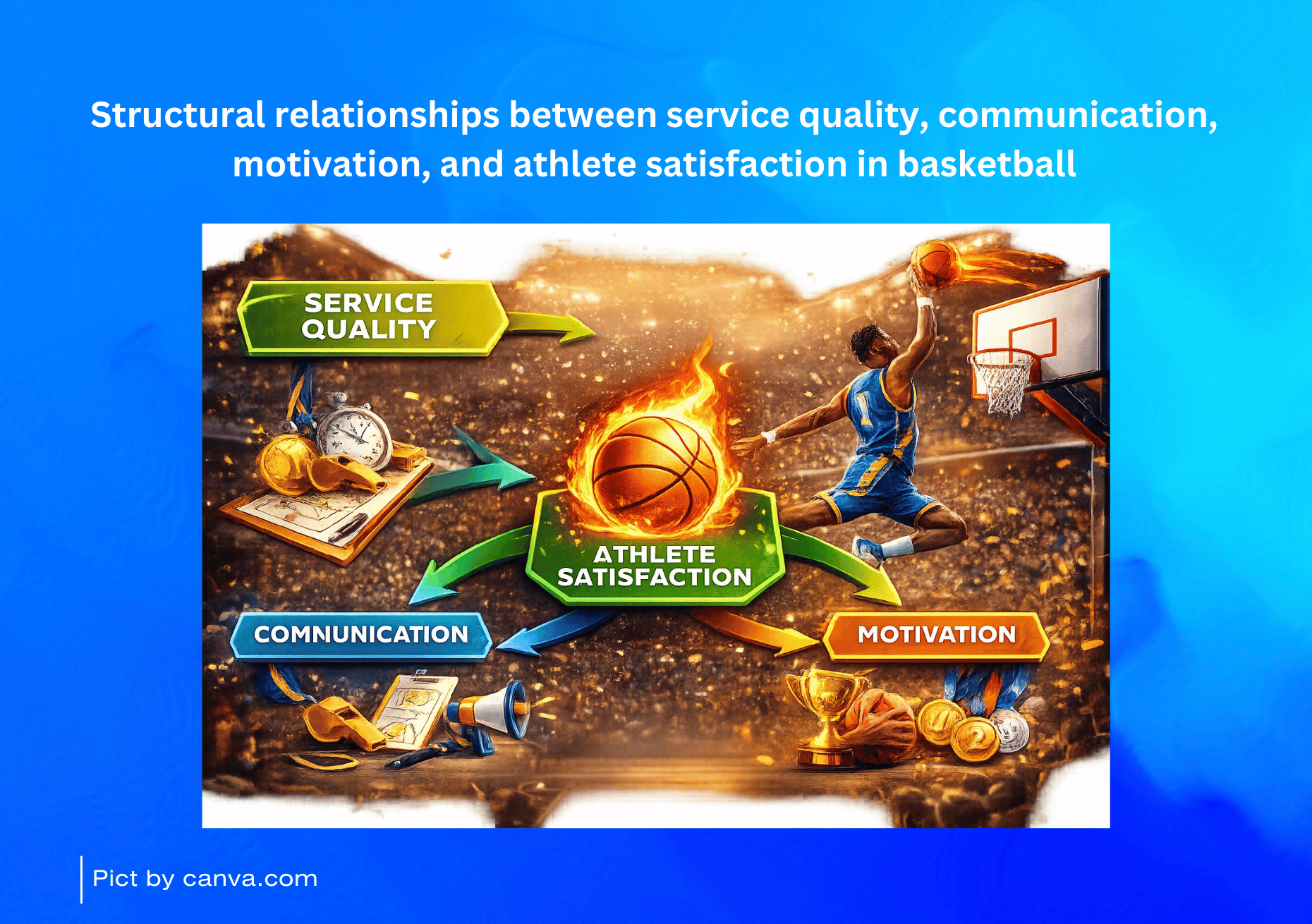
Structural relationships between service quality, communication, motivation, and athlete satisfaction in basketball Indonesia
Fajar Gumilang H.M1, Agung Nugroho2, Rumpis Agus Sudarko3, Fauzi Fauzi4, Fajar Sriwahyuniati51. Yogyakarta State University , ID2. Yogyakarta State University , ID3. Yogyakarta State University , ID4. Yogyakarta State University , ID5. Yogyakarta State University , ID2026-04-09|page 113-124AbstractBackground: Many basketball clubs aim to enhance athlete satisfaction through service quality, communication, and motivation; however, empirical evidence validating these factors as measurable constructs remains limited.
Objectives: This study examines whether these variables function as latent constructs influencing athlete satisfaction and validates their measurement structure using confirmatory factor analysis.
Methods: This study used a quantitative survey and included 263 basketball athletes from various clubs in Sidoarjo, comprising 110 males and 153 females. The participant characteristics focused on players still in the developmental stage who had been actively participating in club training programs for 3 to 6 months, with educational levels ranging from junior high school to college. Participants were selected using purposive sampling. Data were collected using a valid and reliable Likert-scale questionnaire and analyzed using Structural Equation Modeling (SEM) via AMOS 22.
Results: The results demonstrate that service quality (β=0.337, ????=0.000) and communication (β=0.439, ????=0.000) significantly enhance motivation. Furthermore, motivation significantly affects athlete satisfaction (β = 0.582, ???? = 0.000). Crucially, the analysis confirms that motivation mediates the relationship between service quality (indirect effect=0.139) and communication (indirect effect=0.240) on satisfaction.
Conclusions: Theoretically, this study confirms motivation as a vital psychological mediator linking managerial inputs to athlete satisfaction. In practice, the findings demonstrate that while high-quality physical facilities provide a necessary structural foundation, they must be integrated with effective, supportive coaching communication to optimally ignite athletes' intrinsic drive and maximize their overall club experience.APA Citation StyleH.M, F. G. , Nugroho, A. , Sudarko, R. A. , Fauzi, F. , & Sriwahyuniati, F. (2026). Structural relationships between service quality, communication, motivation, and athlete satisfaction in basketball: Indonesia. Physical Education and Sports: Studies and Research, 113-124. https://doi.org/10.56003/pessr.v5i1.691 -
Performance anxiety among student table tennis players
Yumna Wahyuningsih1, Ibnu Fatkhu Royana2, Galih Dwi Pradipta31. Universitas PGRI Semarang , ID2. Universitas PGRI Semarang , ID3. Universitas PGRI Semarang , ID2025-12-18|page 318-331AbstractBackground: Anxiety is a common psychological factor that significantly affects athletic performance, especially in competitive settings. Student-athletes face dual pressures from academic responsibilities and athletic commitments, making them vulnerable to performance anxiety that can impair focus, concentration, and decision-making.
Objectives: This study aims to analyze performance anxiety among table tennis athletes in the Student Activity Unit (UKM) of Universitas PGRI Semarang and to examine differences in performance evaluation outcomes based on sources from internal and external factors.
Methods: A comparative quantitative design with a cross-sectional approach was used. Fifty athletes participated (n=25 assessed by internal factors, n=25 assessed by external factors). Anxiety/performance was measured using a self-report questionnaire consisting of 15 Likert-scale items (1-5 scale) validated by three sport psychology experts. Data were analyzed using one-way ANOVA after confirming normality (Shapiro-Wilk test) and homogeneity (Levene's test).
Results: The internal group had a higher mean score (M = 3.64, SD = 0.86) compared to the external group (M = 3.07, SD = 0.86). ANOVA revealed a statistically significant difference, F(1,48) = 4.92, p = 0.031, η² = 0.093, with an estimated Cohen's d of approximately 0.66, indicating a medium effect size. These findings indicate that anxiety factors affect athletes' performance, with internal factors tending to score higher than external factors.
Conclusions: This study concludes that anxiety affects the performance of table tennis athletes in the Student Activity Unit (UKM) at Universitas PGRI Semarang. Specifically, internal factors such as self-confidence and perfectionism have been proven to have a greater impact than external factors.APA Citation StyleWahyuningsih, Y. , Royana, I. F. , & Pradipta, G. D. (2025). Performance anxiety among student table tennis players. Physical Education and Sports: Studies and Research, 318-331. https://doi.org/10.56003/pessr.v4i3.618 -
Promoting gender responsiveness in teaching physical education
Ryan Cazel Lalog11. Batangas State University , PH2025-04-04|page 1-14AbstractBackground: Implementing gender policies in physical education at Batangas State University remains moderate, with challenges in ensuring gender-responsive and equitable activities for male and female students. Issues such as students' self-confidence, self-perception, and limited gender mainstreaming strategies and resources hinder the development of a more inclusive learning environment.
Objectives: This study examined gender policy implementation, the use of strategies and resources in various physical education activities, differences in male and female instructors' assessments, challenges in gender mainstreaming, and the development of gender-responsive activities.
Methods: A descriptive research method was used, collecting data from 105 university physical education instructors (77 males, 28 females) through a researcher-made survey questionnaire.
Results: Findings revealed that gender policies were moderately implemented (mean score: 3.47), while both male (3.67) and female (3.63) instructors highly utilized strategies and resources in physical fitness, rhythmic activities, individual and dual sports, and team sports. No significant differences were observed in male and female educators' assessments, indicating shared perspectives on gender mainstreaming.
Conclusions: The study emphasizes the need for more vigorous policy enforcement and improvements in sports-related content to enhance gender inclusivity. Addressing self-confidence, self-perception, and individual differences is crucial for fostering equitable learning experiences. Universities should provide continuous professional development for PE instructors on gender-sensitive teaching strategies. Future research should explore the long-term impact of gender-responsive approaches on student engagement, performance, and overall well-being in physical education.
APA Citation StyleLalog, R. C. (2025). Promoting gender responsiveness in teaching physical education. Physical Education and Sports: Studies and Research, 1-14. https://doi.org/10.56003/pessr.v4i1.392 -
Effectiveness of adding single leg hop training to wobble board training in improving dynamic balance and lower limb explosive power in 13–14-year-old basketball players: A randomized controlled trial
Lanang Imam Herlambang1, I Made Muliarta2, Wahyuddin Wahyuddin31. Master's Program in Sport Physiology, Faculty of Medicine, Universitas Udayana , ID2. Master's Program in Sport Physiology, Faculty of Medicine, Universitas Udayana , ID3. Faculty of Physiotherapy, Universitas Esa Unggul , ID2026-09-07|page 248-263AbstractBackground: Dynamic balance and lower-limb explosive power are important for youth basketball performance. Wobble board training may improve postural control, while single leg hop exercises may provide additional benefits through dynamic unilateral loading. However, evidence regarding their combined effects in adolescent basketball players remains limited.
Objective: To determine whether adding single leg hop training to wobble board training produces greater improvements in dynamic balance and lower-limb explosive power than wobble board training alone in 13–14-year-old basketball players.
Methods: This randomized controlled trial included 40 players randomly allocated (1:1) to wobble board training (control; n = 20) or combined wobble board and single leg hop training (experimental; n = 20). Both groups trained for six weeks, three 30-minute sessions per week. Dynamic balance (primary outcome) and lower-limb explosive power (secondary outcome) were assessed using the Y-Balance Test (YBT) and Vertical Jump Test (VJT), respectively. Within- and between-group changes were analysed using paired- and independent-samples t-tests (α = 0.05).
Results: All participants completed the intervention. Both groups improved significantly in YBT and VJT performance (p < 0.001). The experimental group showed greater improvements in YBT (mean change: 15.32 vs 5.23 cm; mean difference = 10.08 cm; 95% CI [7.73, 12.43]; p < 0.001; d = 2.75) and VJT (5.75 vs 0.82 cm; mean difference = 4.94 cm; 95% CI [4.22, 5.66]; p < 0.001; d = 4.41).
Conclusion: Adding single leg hop training to wobble board training produced greater improvements in dynamic balance and lower-limb explosive power. However, the findings do not establish an isolated single-leg-hop effect or injury-prevention benefit.
APA Citation StyleHerlambang, L. I. , Muliarta, I. M. , & Wahyuddin, W. (2026). Effectiveness of adding single leg hop training to wobble board training in improving dynamic balance and lower limb explosive power in 13–14-year-old basketball players: A randomized controlled trial. Physical Education and Sports: Studies and Research, 248-263. https://journal.rezkimedia.or.id/pes/article/view/760 -
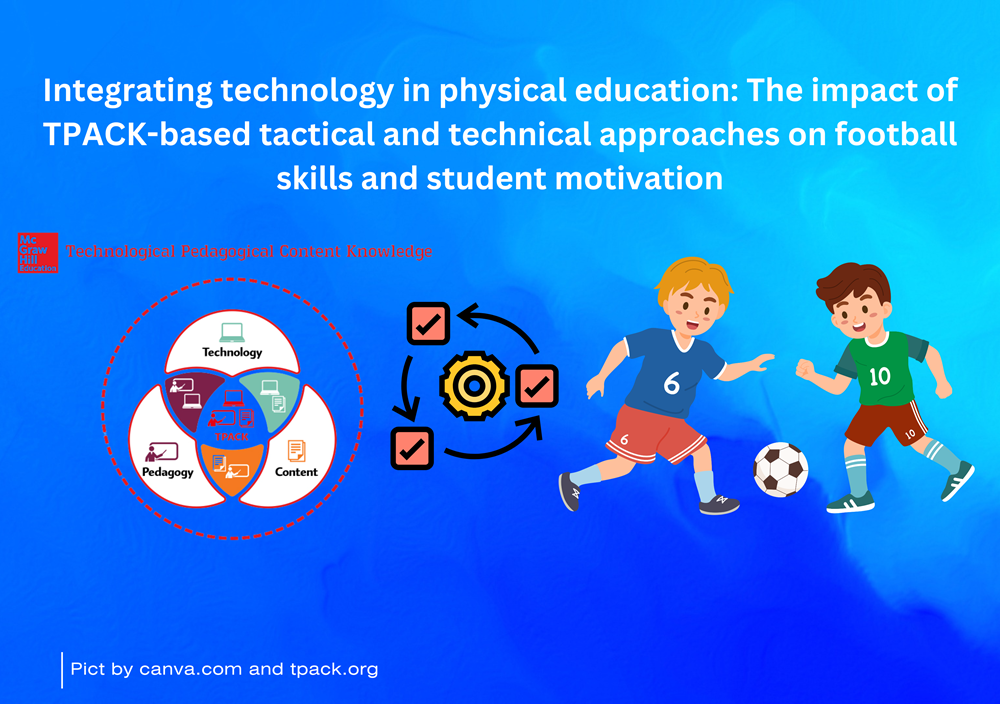
Integrating technology in physical education: The impact of TPACK-based tactical and technical approaches on football skills and student motivation
Defri Mulyana1, Adang Suherman2, Komarudin Komarudin3, Bambang Abduljabar4, Fegie Rizkia Mulyana51. Indonesia University of Education , ID2. Indonesia University of Education , ID3. Indonesia University of Education , ID4. Indonesia University of Education , ID5. Siliwangi University , ID2025-05-14|page 71-82AbstractBackground: Motivation and skill development are vital in physical education, particularly football. Tactical learning emphasizes decision-making and game understanding, while technical learning focuses on mastering fundamental skills.
Objectives: This study aimed to analyze the impact of a TPACK-based tactical and technical learning approach on student motivation and football skill acquisition among high school students in Tasikmalaya.
Methods: The study applied the TPACK framework—integrating Technological, Pedagogical, and Content Knowledge—in designing the learning model. Using an experimental method with a pre-test–post-test design, 30 students were divided into two groups. Motivation was assessed via a Likert-scale questionnaire, while football skills (passing, heading, dribbling, shooting, and playing ability) were evaluated through standardized tests. Data were analyzed using paired and independent t-tests with a significance level of p < 0.05.
Results: The technical approach significantly enhanced basic football skills, notably heading (t = 8.47) and shooting (t = 8.29), proving its effectiveness in improving fundamental competencies. Conversely, the tactical approach showed a notable increase in student motivation (t = 4.98) and playing ability (t = 5.94), reflecting its strength in fostering strategic understanding and engagement. TPACK integration further reinforced both approaches through effective use of technology.
Conclusions: The study highlights the importance of combining tactical and technical approaches to promote holistic student development. Continued research is needed to explore the long-term effects and potential of integrating diverse technological tools in physical education.
APA Citation StyleMulyana, D. , Suherman, A. , Komarudin, K. , Abduljabar, B. , & Mulyana, F. R. (2025). Integrating technology in physical education: The impact of TPACK-based tactical and technical approaches on football skills and student motivation. Physical Education and Sports: Studies and Research, 71-82. https://doi.org/10.56003/pessr.v4i1.523 -
The effect of game-based learning variations on elementary school students’ straddle jump gymnastics skills
Fadhilah Nurwahid1, Rizal Ahmad Fauzi2, Adang Sudrazat31. Indonesian University of Education , ID2. Indonesian University of Education , ID3. Indonesian University of Education , ID2026-04-01|page 57-67AbstractBackground: Physical education in primary schools is essential for the development of students' motor skills, including gymnastic abilities such as the straddle leap. In fact, numerous students continue to struggle to execute these movements accurately because of repetitive teaching approaches that fail to engage them actively. Consequently, a more stimulating and diverse educational methodology, including game-based activities, is required.
Objectives: This study examines the impact of fluctuations in game-based learning on the enhancement of straddle jump gymnastics skills among primary school students.
Methods: This research employed a quantitative methodology using a pre-experimental framework, namely the One-Group Pretest–Posttest Design. The study population comprised all 40 fourth-grade students at Citungku Elementary School, who were sampled using a total sampling technique. Data were gathered via a practical examination of straddle jump movement proficiency, adhering to the Australian Gymnastic Federation's evaluation criteria, which encompass four components: the initiation, propulsion, suspended posture, and landing. The intervention lasted four weeks and included eight sessions featuring activities such as frog leaps, mirror jumps, rope jumping, and hopscotch, all aimed at training the elements of the straddle jump. The Shapiro-Wilk normality test and paired-samples t-test were conducted in SPSS version 27 for data analysis.
Results: The study found an improvement in students' capabilities following the implementation of game-based learning modifications. The mean pretest score of 58.00 rose to 74.76 in the posttest. The paired-samples t-test yielded a t value of -9.894 and a p-value of 0.001 (< 0.05), indicating a significant difference between pre- and post-treatment outcomes. This demonstrates that the executed game activities facilitated improvements in students' motor coordination, push-off strength, body control during floating, and landing methods during the straddle jump movement.
Conclusions: Variations of game-based learning, including frog jumping, mirror jumping, rope jumping, and hopscotch, have demonstrated efficacy in enhancing straddle jumping gymnastics skills among elementary school students while fostering a more dynamic and pleasurable physical learning experience.
APA Citation StyleNurwahid, F. , Fauzi, R. A. , & Sudrazat, A. (2026). The effect of game-based learning variations on elementary school students’ straddle jump gymnastics skills. Physical Education and Sports: Studies and Research, 57-67. https://doi.org/10.56003/pessr.v5i1.705 -
Teaching personal and social responsibility: An analysis of TPSR-based behaviors in physical education
Rama Adha Septiana1, Tite Juliantine21. Indonesia University of Education , ID2. Indonesia University of Education , ID2025-12-30|page 332-343AbstractBackground: The rapid growth of online gaming among students has raised concerns regarding behavioral regulation, responsibility, and social interaction in educational contexts.
Objectives: This study aims to systematically review empirical research on the Teaching Personal and Social Responsibility (TPSR) model and student behavioral outcomes, and to explore its potential implications for online gaming and digital behavior contexts.
Methods: A literature review was conducted using SAGE Journals and Taylor & Francis Online databases, selected due to their strong coverage of peer-reviewed research relevant to physical education and pedagogy. The search covered publications from 2014 to 2024 using the keywords “TPSR” AND “student” AND “behavior” AND (“online game” OR “gaming”). Inclusion criteria were: (1) peer-reviewed international journal articles, (2) empirical or review studies addressing TPSR and student behavior, (3) student populations, and (4) publication within the last ten years. Articles that did not explicitly address TPSR-based behavioral outcomes were excluded. From 43 initial records, 4 articles met the inclusion criteria and were synthesized using narrative synthesis.
Results: The included studies primarily focused on TPSR implementation in physical education contexts, emphasizing behavioral responsibility, psychosocial mechanisms, and pedagogical approaches. Of the four studies, two employed quasi-experimental designs, one used survey methods, and one adopted a literature review approach. Overall, the findings indicate that TPSR-based learning is associated with improvements in personal and social responsibility, positive behavior regulation, and supportive learning climates, although direct evidence linking TPSR to online gaming behavior remains limited.
Conclusions: The findings suggest that TPSR offers a promising pedagogical framework for fostering responsible behavior and social regulation among students in the digital era.APA Citation StyleSeptiana, R. A. , & Juliantine, T. (2025). Teaching personal and social responsibility: An analysis of TPSR-based behaviors in physical education. Physical Education and Sports: Studies and Research, 332-343. https://doi.org/10.56003/pessr.v4i3.647 -
Perceptions of the sports community toward gymnastics achievement in Semarang City
Unique Mierdha Denata Winarko1, Said Junaidi21. State University of Semarang , ID2. State University of Semarang , ID2026-01-05|page 355-362AbstractBackground: Gymnastics is a fundamental sport that supports physical fitness development and long-term athletic performance through complex physical demands such as strength, flexibility, balance, coordination, and explosive power. However, its development as an achievement sport often receives limited structural and institutional support at the local level.
Objectives: : This study aimed to analyze the perceptions of the sports community toward gymnastics achievements in Semarang City and to identify discrepancies between conceptual support and perceived developmental conditions.
Methods: A quantitative descriptive survey design was employed involving 60 respondents from the sports community, including sport science students, physical education teachers, and sports practitioners. Data were collected using a validated and reliable closed-ended questionnaire measuring three perception indicators: acceptance, understanding, and appraisal of gymnastics as an achievement sport. Responses were assessed using a four-point Likert scale. Data analysis was conducted using descriptive statistics alongside validity and reliability testing.
Results: Item-level analysis indicated positive perceptions, with mean scores ranging from 3.05 to 3.79, reflecting strong recognition of gymnastics’ value and potential. However, classification of total perception scores showed that 58.33% of respondents rated the current condition of gymnastics development as very poor. This contrast highlights a clear gap between conceptual appreciation and perceived realities, particularly regarding infrastructure availability, coaching quality, and competition opportunities.
Conclusions: The sports community in Semarang City demonstrates strong conceptual support for gymnastics as an achievement sport, yet perceives substantial limitations in its practical development. Strengthening facilities, coaching systems, and competitive structures is essential to transform positive perceptions into sustainable athletic performance.APA Citation StyleWinarko, U. M. D. , & Junaidi, S. (2026). Perceptions of the sports community toward gymnastics achievement in Semarang City. Physical Education and Sports: Studies and Research, 355-362. https://doi.org/10.56003/pessr.v4i3.609 -
Improving martial arts education through gamified learning: The case of Pencak Silat with Quizizz
M. Gusti Ariadi1, Wahyu Indra Bayu2, Soleh Solahuddin31. Sriwijaya University , ID2. Sriwijaya University , ID3. Sriwijaya University , ID2025-08-09|page 186-194AbstractBackground: The use of digital media in learning is an innovative effort to improve the quality of the teaching and learning process, including in physical education, particularly in the subject of Pencak Silat
Objectives: This study aims to determine the effect of using the Quizizz application on the learning outcomes of Pencak Silat among students at Public Senior High School 1 Indralaya Selatan.
Methods: This research was conducted using a quantitative approach. The design used is a one-group pretest-posttest design. In this design, students are given a pretest before treatment, followed by a learning treatment using Quizizz media. After the treatment is completed, a posttest is administered. The population in this study consists of all 11th-grade students at Senior High School 1 Indralaya Selatan, totaling 149 students. From that population, a simple random sample of 30 students will be taken to serve as the research sample. The research instruments include a cognitive test in the form of multiple-choice questions and a psychomotor test in the form of basic pencak silat technique practice. Then the data were analyzed using the Shapiro-Wilk normality test to ensure data distribution, followed by a paired sample t-test using IBM SPSS Statistics version 30.0.0.0 (172) software.
Results: The analysis shows a significant increase in pretest to posttest scores, both in cognitive aspects (from an average of 37.87 to 58.83) and psychomotor aspects (from an average of 5.43 to 8.70). In the paired sample t-test, the significance value showed <0.001, indicating a significant effect of Quizizz media on students' learning outcomes.
Conclusions: This research concludes that the Quizizz application effectively enhances the understanding of concepts and fundamental movement skills of pencak silat in a fun and interactive way.
APA Citation StyleAriadi, M. G. , Bayu, W. I. , & Solahuddin, S. (2025). Improving martial arts education through gamified learning: The case of Pencak Silat with Quizizz. Physical Education and Sports: Studies and Research, 186-194. https://doi.org/10.56003/pessr.v4i2.579 -
Game-based approaches in higher education physical education: A systematic review
Arief Abdul Malik1, Adang Suherman2, Sucipto Sucipto3, Tite Juliantine4, Fegie Rizkia Mulyana51. Indonesia University of Education , ID2. Indonesia University of Education , ID3. Indonesia University of Education , ID4. Indonesia University of Education , ID5. Siliwangi University , ID2026-11-06|page 290-309AbstractBackground: Game-based approaches are increasingly used to develop tactical understanding and game performance in physical education. However, evidence regarding their implementation and effectiveness in higher education remains limited compared with K–12 settings.
Objective: This systematic review examined research trends, learning outcome domains, assessment instruments, and reported effects of the Tactical Games Model (TGM), Teaching Games for Understanding (TGfU), and related hybrid models among university students.
Methods: This systematic review followed the PRISMA 2020 reporting guidelines. Scopus was searched for experimental or intervention-based studies published between January 2021 and August 16, 2026, involving university students enrolled in physical education or sport-related programs. Of 205 records identified, six studies involving 507 participants met the eligibility criteria. Findings were synthesized narratively.
Results: The included studies primarily focused on team sports and assessed cognitive, psychomotor, affective, and psychological outcomes. The Game Performance Assessment Instrument (GPAI) was among the assessment tools used. The studies generally reported favorable outcomes in tactical performance, game understanding, motivation, engagement, and selected psychological measures. However, heterogeneity in interventions and assessment methods limited comparisons across studies. Evidence was insufficient to establish whether hybrid models consistently outperformed single-model approaches.
Conclusion: Game-based approaches may support multidimensional learning outcomes in higher education physical education. Nevertheless, the evidence remains limited to six heterogeneous studies identified through a single database. Broader literature searches and rigorous comparative studies using validated assessment instruments are needed to strengthen the evidence regarding their effectiveness.APA Citation StyleMalik, A. A. , Suherman, A. , Sucipto, S. , Juliantine, T. , & Rizkia Mulyana, F. (2026). Game-based approaches in higher education physical education: A systematic review. Physical Education and Sports: Studies and Research, 290-309. https://doi.org/10.56003/786