
Search
Search Results
##search.searchResults.foundPlural##
-

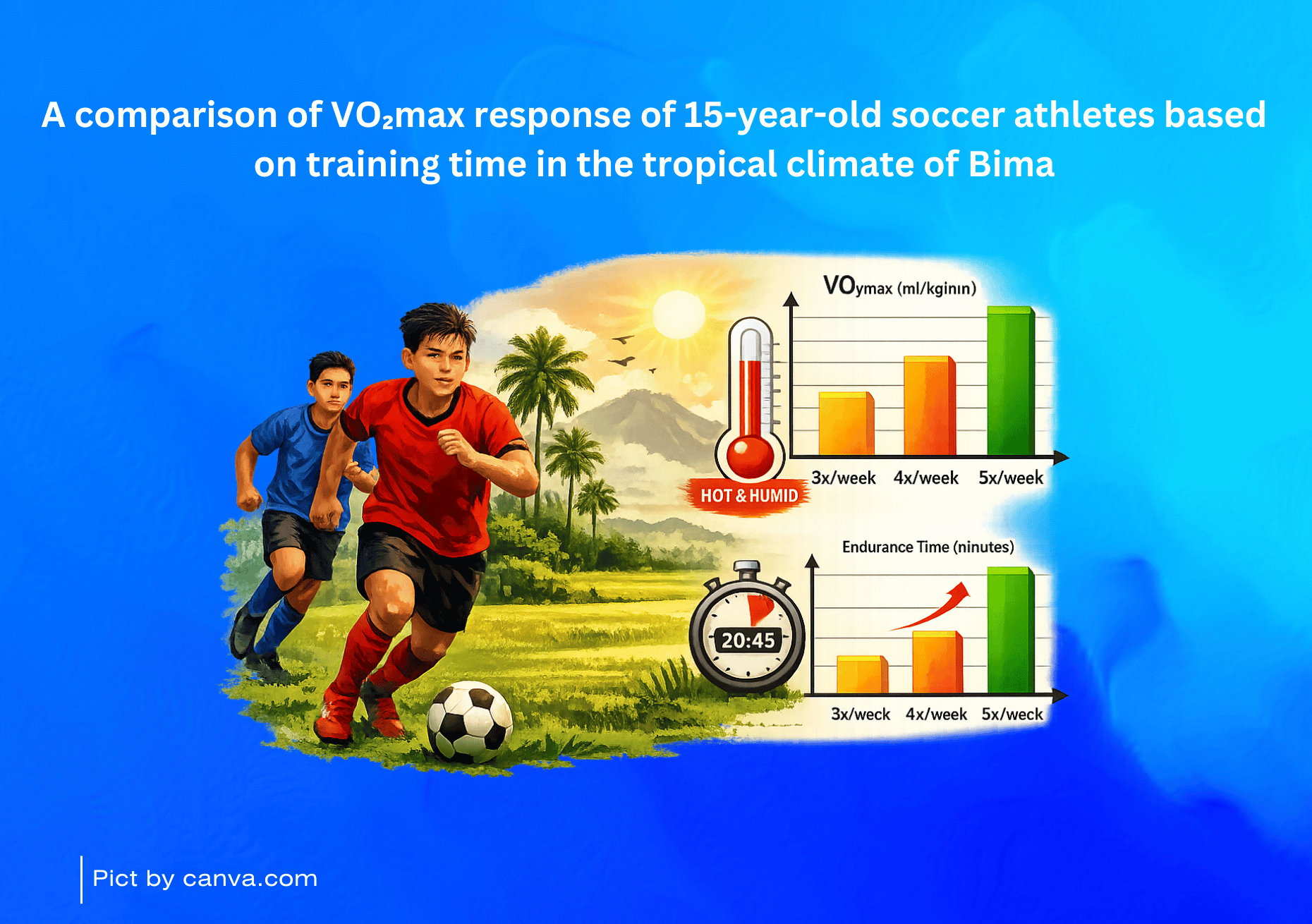
A comparison of VO₂max response of 15-year-old soccer athletes based on training time in the tropical climate of Bima
Firdaus Firdaus1, Taty Hartati2, Rabwan Satriawan3, Shutan Arie Shandi4, Nor Fazila Abd Malek51. Department of Physical Education, STKIP Taman Siswa Bima , ID2. Department of History, STKIP Taman Siswa Bima , ID3. Department of Physical Education, STKIP Taman Siswa Bima , ID4. Department of Physical Education, STKIP Taman Siswa Bima , ID5. Faculty of Sports Science and Coaching, Sultan Idris Education University , MY2026-04-14|page 125-134AbstractBackground: VO₂max is the primary indicator of a soccer athlete's aerobic capacity, but in tropical climates like Bima, high temperatures and humidity can affect VO₂max achievement. Hence, the timing of training is an important factor to consider.
Objectives: This study aims to analyze differences in VO₂max across training times (morning and afternoon) in 15-year-old youth soccer athletes from the Bima Football Association (PERSSEBI).
Methods: The study used a quantitative, comparative, cross-sectional observational design. The study subjects were 45 athletes (age 15.31±0.46; height 163.12±4.35 cm; weight 55.28±3.67 kg; and body mass index (BMI) 20.78±1.18 kg/m²) from the Bima Football Association (PERSEBI), selected by purposive sampling, and divided into morning (n=23) and afternoon (n=22) training groups. VO₂max was measured using a multistage fitness test (Bleep Test). Data analysis included descriptive statistics, the Shapiro–Wilk normality test, the Levene homogeneity test, and the independent-samples t-test at a significance level of 0.05, using IBM SPSS 25.
Results: The descriptive analysis showed that the average VO₂max of the morning group was 43.78 ± 2.34 ml/kg/minute, higher than that of the afternoon group (42.91 ± 2.29 ml/kg/minute). The results of the independent sample t-test showed that there was a significant difference in VO₂max between the two groups with a t value = 2.14 with df = 43 and a significant p value = 0.04 (p < 0.05) with an average difference of 0.87 ml/kg/minute indicating that the morning exercise group had a higher Vo2max value than the afternoon exercise group.
Conclusions: These findings suggest that training time contributes to differences in athletes' VO₂max values in tropical environments, with morning training resulting in higher performance than afternoon training. Therefore, scheduling training that accounts for environmental conditions is crucial for optimizing athletes' VO₂max.
APA Citation StyleFirdaus, F. , Hartati, T. , Satriawan, R. , Shandi, S. A. , & Malek, N. F. A. (2026). A comparison of VO₂max response of 15-year-old soccer athletes based on training time in the tropical climate of Bima. Physical Education and Sports: Studies and Research, 125-134. https://doi.org/10.56003/pessr.v5i1.709 -

Impact of plyometric training using step-up and lateral box jumps on the improvement of leg muscle power in youth school futsal athletes
Risky Sandy Kurniawan1, Donny Anhar Fahmi2, Setiyawan Setiyawan31. Universitas PGRI Semarang , ID2. Universitas PGRI Semarang , ID3. Universitas PGRI Semarang , ID2025-08-15|page 212-221AbstractBackground: Futsal is a high-intensity sport that requires leg muscle power, especially in aerial duels, anticipating the ball, and performing powerful kicks. Limited jumping ability can reduce leg muscle power and overall performance.
Objectives: This study aims to test the impact of plyometric training using step-up and lateral box jumps on the improvement of leg muscle power in youth school futsal athletes.
Methods: A quasi-experimental single-group pretest-posttest design was conducted with 40 male participants over a four-week plyometric training program. Leg muscle power was measured using a vertical jump test before and after the intervention. Data were analyzed using a t-test with the assistance of SPSS.
Results: Both step-up and lateral box jumps significantly increased leg muscle power (p < 0.05). The step-up group showed an average increase of 4.20 cm, while the lateral box jump group showed an average increase of 3.45 cm, with no statistically significant difference (p = 0.326).
Conclusions: Both training methods effectively enhance leg muscle power and can be integrated into school-based futsal training programs to improve performance.
APA Citation StyleKurniawan, R. S. , Fahmi, D. A. , & Setiyawan, S. (2025). Impact of plyometric training using step-up and lateral box jumps on the improvement of leg muscle power in youth school futsal athletes. Physical Education and Sports: Studies and Research, 212-221. https://doi.org/10.56003/pessr.v4i2.611 -

Weightlifting coaches' and athletes' understanding of injury prevention programs: a case study of Lumajang and Malang
Muhammad Izzan Atmagara1, Yulingga Nanda Hanief21. State University of Malang , ID2. State University of Malang , ID2025-09-21|page 222-235AbstractBackground: Weightlifting is a high-intensity sport with a high risk of injuries due to improper technique, insufficient warm-up, and excessive training loads.
Objectives: This study explores the understanding, strategies, and barriers of weightlifting coaches and athletes in Lumajang District and Malang City related to implementing injury prevention programs in performance sports.
Methods: This study used a qualitative case study approach. Participants were selected using purposive sampling, consisting of weightlifting coaches with at least one year of experience and athletes who had trained and competed at the regional level. Data were collected through interviews, observations, and document analysis, while data were analyzed using the Miles and Huberman model, including reduction, presentation, and conclusion.
Results: The results showed that coaches and athletes emphasized dynamic warm-ups, core and back strengthening exercises, and correct lifting techniques as the main strategies to prevent injuries. However, limitations in facilities, literature access, and training variety were identified as barriers to implementing optimal injury prevention programs.
Conclusions: This study concludes that effective injury prevention in weightlifting requires structured warm-up routines, individualized training programs, and adequate supporting equipment. Strengthening coaches’ knowledge and providing better facilities are crucial to minimize injuries and enhance athlete performance.APA Citation StyleAtmagara, M. I. , & Hanief, Y. N. (2025). Weightlifting coaches' and athletes' understanding of injury prevention programs: a case study of Lumajang and Malang. Physical Education and Sports: Studies and Research, 222-235. https://doi.org/10.56003/pessr.v4i2.601 -

Impact of five-cone and ladder drill training on agility among U15 football athletes
Pupuh Harya Prembanyu1, Agus Wiyanto2, Setiyawan Setiyawan31. Universitas PGRI Semarang , ID2. Universitas PGRI Semarang , ID3. Universitas PGRI Semarang , ID2025-11-26|page 266-274AbstractBackground: Although it may seem simple, soccer has complex characteristics, which is why many children are attracted to training at soccer schools. Agility is a crucial aspect of the game, as it enables a player to move quickly, evade opponents, and control the ball effectively. At the Pemalang Regency Bina Talenta Soccer School (SSB), agility training is not conducted optimally and has not been implemented systematically with effective methods. Therefore, exercises such as the five-cone and ladder drills need to be implemented to improve player agility more effectively.
Objectives: This study aims to examine the impact of five-cone and ladder drill training on the agility of U15 football athletes.
Methods: This study used a quantitative descriptive method with a quasi-experimental approach. The experimental design was a pretest-posttest in two groups. The sampling technique used was purposive sampling with 20 players participating in a four-week training program. The instrument to measure agility was the Illinois Agility Test, with a validity level of r = 0.87. The measurement data were analyzed using a difference test with the help of SPSS software version 29.0.
Results: The five-cone drill and the ladder drill had a significant effect on agility, as both exercises had a significance value of <0.05. The five-cone drill was more effective than the ladder drill. This was due to the difference in scores between the five-cone drill, which increased by 1.04, and the ladder drill, which increased by 0.84.
Conclusions: Both training methods are effective in improving agility and can be integrated into school-based football training programs. Furthermore, the results of implementing these methods can enhance player performance and provide a valuable source of new knowledge for future researchers on agility in SSB players.
APA Citation StylePrembanyu, P. H. , Wiyanto, A. , & Setiyawan, S. (2025). Impact of five-cone and ladder drill training on agility among U15 football athletes. Physical Education and Sports: Studies and Research, 266-274. https://doi.org/10.56003/pessr.v4i3.633 -

A critical analysis of the disconnection between science and practice in weight training
Ferdinando Cereda11. The Catholic University of the Sacred Heart in Milan , IT2025-04-07|page 46-59AbstractBackground: Resistance training (RT) has emerged as a powerful tool for health promotion, with substantial scientific evidence supporting its beneficial effects across multiple physiological systems and psychological domains. Despite this robust knowledge base, a significant disconnection persists between scientific evidence and practical implementation in both clinical and everyday settings.
Objectives: This study aims to critically examine this science-practice gap by analyzing common misconceptions surrounding RT and proposing strategies to enhance knowledge translation.
Methods: Through a narrative review of scientific literature from PubMed, Scopus, and Google Scholar, the research synthesizes evidence regarding RT's scientifically validated benefits, prevalent myths, and effective communication approaches.
Results: Findings show a concerning lack of scientific awareness among practitioners and end-users. Persistent misconceptions, such as "RT reduces flexibility" and "plant-based proteins are inferior for muscle hypertrophy," continue to circulate despite contradictory evidence.
Conclusions: Improved scientific communication via targeted educational programs, digital platforms, and collaboration between researchers and policymakers is urgently needed to bridge this gap and maximize RT’s public health impact.
APA Citation StyleCereda, F. (2025). A critical analysis of the disconnection between science and practice in weight training. Physical Education and Sports: Studies and Research, 46-59. https://doi.org/10.56003/pessr.v4i1.499 -

Promoting gender responsiveness in teaching physical education
Ryan Cazel Lalog11. Batangas State University , PH2025-04-04|page 1-14AbstractBackground: Implementing gender policies in physical education at Batangas State University remains moderate, with challenges in ensuring gender-responsive and equitable activities for male and female students. Issues such as students' self-confidence, self-perception, and limited gender mainstreaming strategies and resources hinder the development of a more inclusive learning environment.
Objectives: This study examined gender policy implementation, the use of strategies and resources in various physical education activities, differences in male and female instructors' assessments, challenges in gender mainstreaming, and the development of gender-responsive activities.
Methods: A descriptive research method was used, collecting data from 105 university physical education instructors (77 males, 28 females) through a researcher-made survey questionnaire.
Results: Findings revealed that gender policies were moderately implemented (mean score: 3.47), while both male (3.67) and female (3.63) instructors highly utilized strategies and resources in physical fitness, rhythmic activities, individual and dual sports, and team sports. No significant differences were observed in male and female educators' assessments, indicating shared perspectives on gender mainstreaming.
Conclusions: The study emphasizes the need for more vigorous policy enforcement and improvements in sports-related content to enhance gender inclusivity. Addressing self-confidence, self-perception, and individual differences is crucial for fostering equitable learning experiences. Universities should provide continuous professional development for PE instructors on gender-sensitive teaching strategies. Future research should explore the long-term impact of gender-responsive approaches on student engagement, performance, and overall well-being in physical education.
APA Citation StyleLalog, R. C. (2025). Promoting gender responsiveness in teaching physical education. Physical Education and Sports: Studies and Research, 1-14. https://doi.org/10.56003/pessr.v4i1.392 -
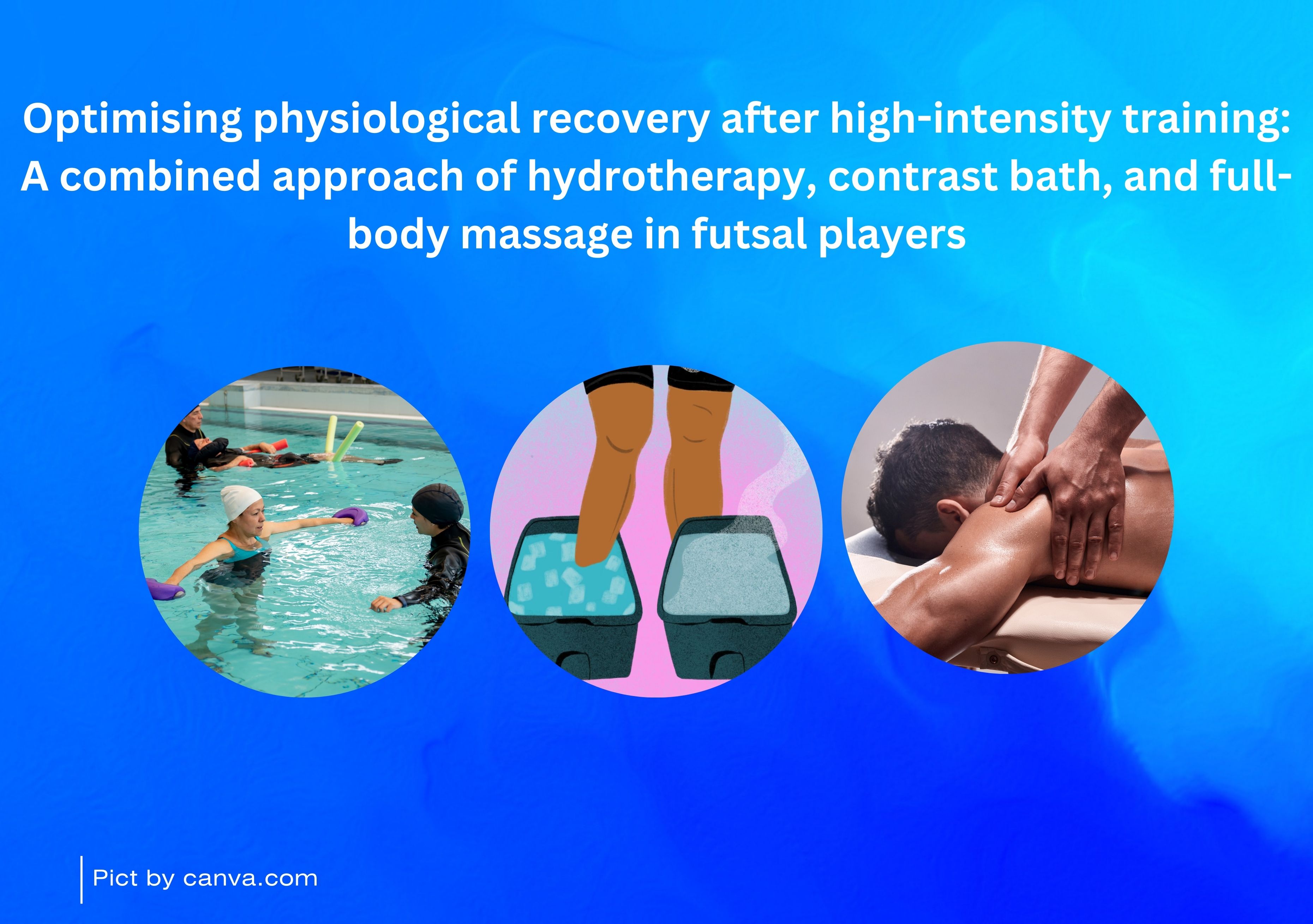
Optimising physiological recovery after high-intensity training: A combined approach of hydrotherapy, contrast bath, and full-body massage in futsal players
Afif Dwi Nugraha1, Laily Mita Andriana2, Muhamad Fauzi Antoni3, Muhammad Labib Siena Ar Rasyid4, Bhekti Lestari51. Universitas Negeri Surabaya , ID2. Universitas Negeri Surabaya , ID3. Universitas Negeri Surabaya , ID4. Universitas Negeri Surabaya , ID5. Universitas Negeri Surabaya , ID2025-12-15|page 302-317AbstractBackground: Efficient recovery after high-intensity interval training (HIIT) is crucial for maintaining optimal performance and minimizing the risk of injury.
Objectives: This study aims to analyze the effectiveness of combining hydrotherapy contrast baths and full-body massage in accelerating physiological recovery after a HIIT session, compared to the application of a single method.
Methods: This study employed a pre–post quasi-experimental design with three parallel groups (n = 45; 15 participants per group) to analyze the effectiveness of hydrotherapy combined with whole-body massage compared with each method applied separately. Participants were assigned to one of three conditions: (1) hydrotherapy contrast bath only, (2) full-body massage only, and (3) a combined intervention using both techniques. Physiological recovery was assessed using validated instruments, including heart rate monitors for heart rate recovery (HRR), portable lactate analysers for blood lactate concentration, and a visual analogue scale (VAS) for perceived muscle soreness. Data were analysed using the Shapiro–Wilk test, paired-sample t-test, and One-Way ANOVA.
Results: The findings demonstrated that the combined hydrotherapy–massage protocol resulted in greater improvements than the single-method groups, particularly in lactate reduction (e.g., -3.1 ± 0.8 mmol/L vs. - 1.9 ± 0.7 mmol/L and - 2.0 ± 0.6 mmol/L; p<0.05) and faster HRR. Participants in the combined group also reported significantly lower muscle soreness (p<0.05).
Conclusions: This suggests that integrating contrast bath hydrotherapy with full-body massage enhances circulation, accelerates metabolic waste clearance, and improves subjective recovery following HIIT. Future studies are recommended to include larger samples, compare different hydrotherapy temperatures, or examine long-term adaptations from repeated recovery sessions.APA Citation StyleNugraha, A. D. , Andriana, L. M. , Antoni, M. F. , Rasyid, M. L. S. A. , & Lestari, B. (2025). Optimising physiological recovery after high-intensity training: A combined approach of hydrotherapy, contrast bath, and full-body massage in futsal players. Physical Education and Sports: Studies and Research, 302-317. https://doi.org/10.56003/pessr.v4i3.655 -

Fun game–based learning improves gross motor skills in early primary school children
Ahmad Muttaqin Darussalam1, Sugiharto Sugiharto2, Sapto Adi31. State University of Malang , ID2. State University of Malang , ID3. State University of Malang , ID2025-11-23|page 236-249AbstractBackground: Children who face difficulties in gross motor skill development may withdraw from physical activities, experience low self-esteem, and suffer from social anxiety. Physical education plays a vital role in fostering gross motor development, especially when delivered through enjoyable and engaging activities such as fun games.
Objectives: This study aimed to investigate the impact of fun game–based learning on the development of gross motor skills in early primary school children.
Methods: The study employed a quasi-experimental design with a non-equivalent control group. A total of 36 second-grade students from SDIT Mutiara Hati in Malang participated in this study. Participants were assigned to one of three groups: a control group, a group-based fun games intervention, and an individual-based fun games intervention. The interventions were implemented three times a week for 30 minutes over a period of seven weeks. Gross motor skills were measured before and after the intervention using the Test of Gross Motor Development–Third Edition (TGMD-3), a reliable and validated instrument. Data were analyzed using homogeneity and normality tests, paired-sample t-tests, one-way ANOVA, and Tukey's HSD post hoc tests, with a significance level set at p < 0.05 (SPSS version 25).
Results: Both the individual and group fun game–based learning interventions produced significant improvements in gross motor skills compared with the control group (p < 0.05). Moreover, a significant difference was found between the two intervention types, indicating that the mode of fun game delivery influences outcomes (p < 0.05).
Conclusions: Fun game–based learning, whether delivered individually or in groups, effectively enhances gross motor skills among early primary school children. Additionally, individual fun game–based learning demonstrated a significantly greater improvement compared to group-based learning.APA Citation StyleDarussalam, A. M. , Sugiharto, S. , & Adi, S. (2025). Fun game–based learning improves gross motor skills in early primary school children. Physical Education and Sports: Studies and Research, 236-249. https://doi.org/10.56003/pessr.v4i3.613 -
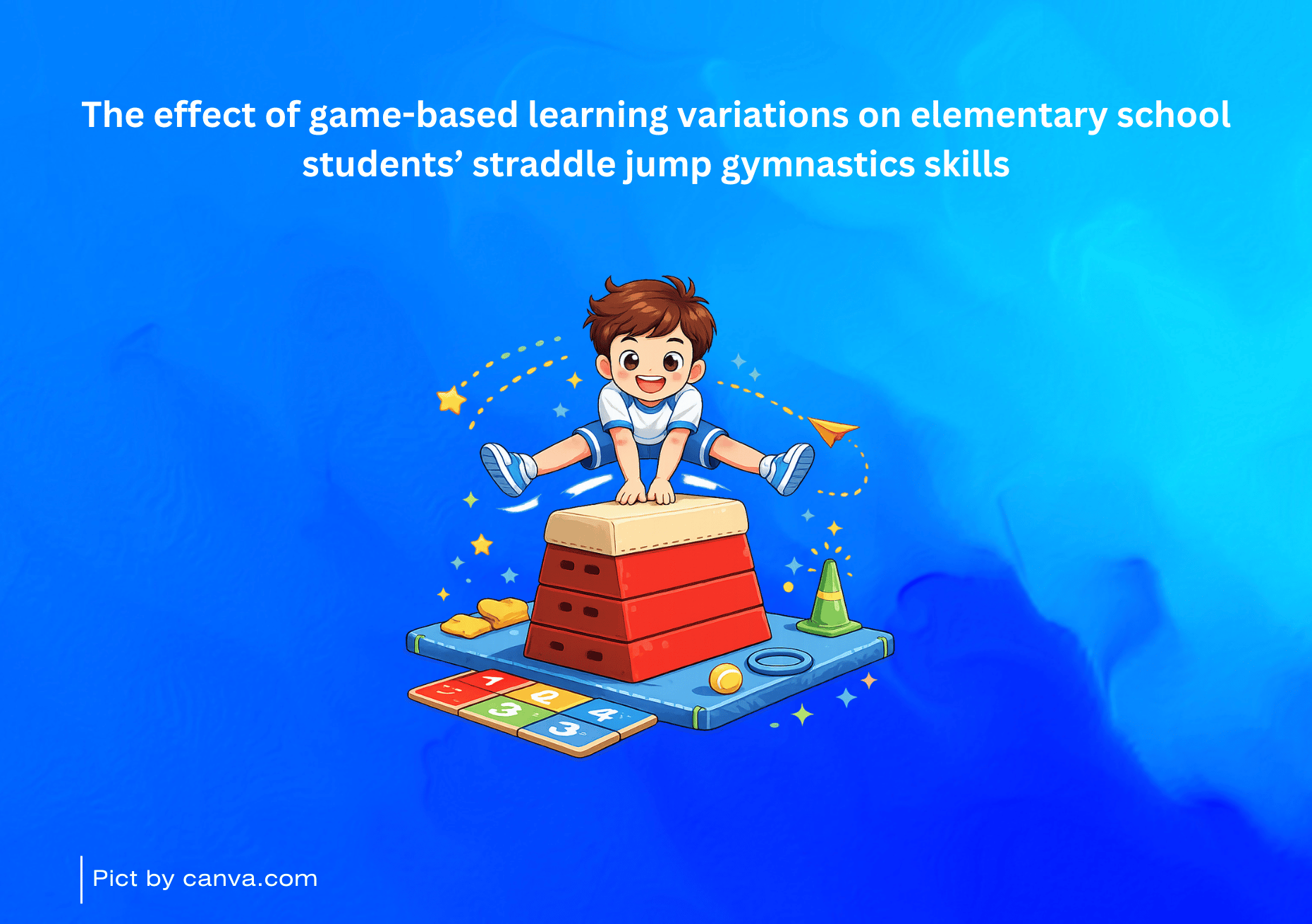
The effect of game-based learning variations on elementary school students’ straddle jump gymnastics skills
Fadhilah Nurwahid1, Rizal Ahmad Fauzi2, Adang Sudrazat31. Indonesian University of Education , ID2. Indonesian University of Education , ID3. Indonesian University of Education , ID2026-04-01|page 57-67AbstractBackground: Physical education in primary schools is essential for the development of students' motor skills, including gymnastic abilities such as the straddle leap. In fact, numerous students continue to struggle to execute these movements accurately because of repetitive teaching approaches that fail to engage them actively. Consequently, a more stimulating and diverse educational methodology, including game-based activities, is required.
Objectives: This study examines the impact of fluctuations in game-based learning on the enhancement of straddle jump gymnastics skills among primary school students.
Methods: This research employed a quantitative methodology using a pre-experimental framework, namely the One-Group Pretest–Posttest Design. The study population comprised all 40 fourth-grade students at Citungku Elementary School, who were sampled using a total sampling technique. Data were gathered via a practical examination of straddle jump movement proficiency, adhering to the Australian Gymnastic Federation's evaluation criteria, which encompass four components: the initiation, propulsion, suspended posture, and landing. The intervention lasted four weeks and included eight sessions featuring activities such as frog leaps, mirror jumps, rope jumping, and hopscotch, all aimed at training the elements of the straddle jump. The Shapiro-Wilk normality test and paired-samples t-test were conducted in SPSS version 27 for data analysis.
Results: The study found an improvement in students' capabilities following the implementation of game-based learning modifications. The mean pretest score of 58.00 rose to 74.76 in the posttest. The paired-samples t-test yielded a t value of -9.894 and a p-value of 0.001 (< 0.05), indicating a significant difference between pre- and post-treatment outcomes. This demonstrates that the executed game activities facilitated improvements in students' motor coordination, push-off strength, body control during floating, and landing methods during the straddle jump movement.
Conclusions: Variations of game-based learning, including frog jumping, mirror jumping, rope jumping, and hopscotch, have demonstrated efficacy in enhancing straddle jumping gymnastics skills among elementary school students while fostering a more dynamic and pleasurable physical learning experience.
APA Citation StyleNurwahid, F. , Fauzi, R. A. , & Sudrazat, A. (2026). The effect of game-based learning variations on elementary school students’ straddle jump gymnastics skills. Physical Education and Sports: Studies and Research, 57-67. https://doi.org/10.56003/pessr.v5i1.705 -

Medical observations and injury analysis: All Girls Touch Rugby Championship 2024
Mohamad Nizam Nazarudin1, Yong Qin Tan2, Ardo Okilanda3, Yovhandra Ockta4, Reshandi Nugraha51. National University of Malaysia , MY2. National University of Malaysia , MY3. State University of Padang , ID4. Universitas Teuku Umar , ID5. UniversitasPendidikan Indonesia , ID2025-04-04|page 32-45AbstractBackground: Touch rugby is a high-intensity, non-contact sport requiring agility, speed, and coordination. This study analyzes injury distribution, treatment effectiveness, and preventive measures among youth touch rugby players.
Objectives: This study examined injury patterns among adolescent female athletes during the 2024 All-Girls Touch Rugby Championship (AGTR 2024).
Methods: A retrospective observational study was conducted using medical reports from the two-day All-Girls Touch Rugby Championship 2024 (AGTR 2024) at Universiti Putra Malaysia. The study examined 484 female athletes (ages 9–18 years), with 176 injuries recorded and categorized as soft tissue injuries (52.3%), abrasions (23.9%), and sprains (14.2%). Descriptive statistics were used to assess injury distribution, while chi-square analysis (χ² = 10.45, p < 0.01) evaluated the relationship between injury type and age group.
Results: Younger players (10–14 years) sustained more abrasions (60%), whereas older athletes (15–18 years) had a higher incidence of soft tissue injuries (68%). Injuries increased by 66.7% on Day 2, highlighting the impact of cumulative fatigue and tournament intensity. Ice therapy (68%) and bandaging (55%) were the most utilized treatments, with only 7% of cases requiring outpatient referrals.
Conclusions: Findings underscore the need for structured warm-ups, enhanced hydration protocols, and targeted strength training to reduce injury risks. The study emphasizes the role of injury surveillance, playing surface improvements, and gender-specific training programs in preventing injuries and enhancing athlete safety. Implementing evidence-based preventive strategies can promote the long-term development and sustainability of touch rugby for adolescent athletes. Future research should focus on longitudinal injury tracking and tailored intervention strategies.
APA Citation StyleNazarudin, M. N. , Tan, Y. Q. , Okilanda, A. , Ockta, Y. , & Nugraha, R. (2025). Medical observations and injury analysis: All Girls Touch Rugby Championship 2024. Physical Education and Sports: Studies and Research, 32-45. https://doi.org/10.56003/pessr.v4i1.495 -

Comparative analysis of plantar pressure distribution among football players across playing positions: A cross-sectional study
Arif Pristianto1, Anindya Maghfira Zain2, Farid Rahman3, Pungki Indarto4, Anugrah Nur Warthadi51. Department of Physiotherapy, Faculty of Health Sciences, Universitas Muhammadiyah Surakarta , ID2. Department of Physiotherapy, Faculty of Health Sciences, Universitas Muhammadiyah Surakarta , ID3. Department of Physiotherapy, Faculty of Health Sciences, Universitas Muhammadiyah Surakarta , ID4. Department of Sport Education, Faculty of Teacher Training and Education, Universitas Muhammadiyah Surakarta , ID5. Department of Sport Education, Faculty of Teacher Training and Education, Universitas Muhammadiyah Surakarta , ID2026-04-01|page 68-81AbstractBackground: Football players exhibit different muscle activation patterns during different playing activities, which can affect plantar pressure on the feet. Uneven, unbalanced plantar pressure distribution can cause muscle tension, leading to musculoskeletal injuries in the feet.
Objectives: This study aims to determine and compare plantar pressure distribution among football players based on playing position.
Methods: This study is an analytical observational study using a cross-sectional approach. The sample in this study consisted of 24 football players aged 15-18 years who met the inclusion criteria. Plantar pressure was measured using a Zebris Force Distribution Measurement (FDM) platform on the forefoot and rearfoot areas. Statistical analysis included normality tests (Shapiro-Wilk) and multivariate tests (ANOVA) according to data distribution.
Results: Differences in plantar pressure were observed between defenders, forwards, and strikers in static conditions (p < 0.05), but not in dynamic conditions (p > 0.05).
Conclusions: This study shows differences in plantar pressure distribution among football players in defender, forward, and striker positions under static conditions. However, under dynamic conditions, no significant differences were found among playing positions.
APA Citation StylePristianto, A. , Zain, A. M. , Rahman, F. , Indarto, P. , & Warthadi, A. N. (2026). Comparative analysis of plantar pressure distribution among football players across playing positions: A cross-sectional study. Physical Education and Sports: Studies and Research, 68-81. https://doi.org/10.56003/pessr.v5i1.692 -

Unveiling the digital gym: A phenomenological dive into online physical education pedagogy
Princes Lloyda Peralta11. Saint Louis College , PH2025-04-04|page 15-31AbstractBackground: The COVID-19 pandemic necessitated a rapid shift to online learning, posing significant challenges for traditionally hands-on subjects like Physical Education (PE). Limited student engagement, digital accessibility issues, and the need for pedagogical adaptation became major concerns for PE instructors.
Objectives: This study aims to explore the lived experiences of PE instructors in adapting to online instruction, identifying the strategies, challenges, and innovations they employed to maintain instructional effectiveness.
Methods: A qualitative research design utilizing Interpretative Phenomenological Analysis (IPA) was adopted to gain deep insights into instructors’ experiences. Purposive sampling was used to select seven PE instructors from urban and rural institutions, ensuring diverse teaching contexts. Data were collected through semi-structured interviews, and thematic analysis was conducted to identify key adaptation strategies.
Results: Five major themes emerged from the findings: (1) Adaptation to Online Instruction, where instructors restructured their teaching approaches to accommodate digital platforms; (2) Effective Use of Digital Tools, emphasizing the role of online resources in enhancing instructional delivery; (3) Innovative Approaches to Engagement, detailing gamification techniques and interactive pedagogies; (4) Equitable Access Strategies, addressing disparities in internet connectivity and learning resources; and (5) Assessment of Success and Progress, highlighting novel evaluation methods tailored for online PE instruction. These themes collectively form the "Navigating Instructional Delivery Through Innovation, Technology, Engagement, and Equity" framework.
Conclusions: The study provides valuable insights into how PE instructors have innovatively adapted to online learning, ensuring student engagement and equitable access to education. The findings offer implications for policy-making, teacher training programs, and the future integration of technology in PE instruction. Future research should explore student perspectives and the long-term impact of digital PE on learning outcomes.
APA Citation StylePeralta, P. L. (2025). Unveiling the digital gym: A phenomenological dive into online physical education pedagogy. Physical Education and Sports: Studies and Research, 15-31. https://doi.org/10.56003/pessr.v4i1.474 -
Enhancing locomotor skills in preschoolers through play jump rope
Nancy Trisari Schiff1, Andy Supriady21. Sekolah Tinggi Keguruan dan Ilmu Pendidikan (STKIP) Pasundan , ID2. Sekolah Tinggi Keguruan dan Ilmu Pendidikan (STKIP) Pasundan , ID2026-04-14|page 135-146AbstractBackground: Fundamental Motor Skills (FMS), particularly in the Locomotor Skills domain, are an essential prerequisite for lifelong physical participation. However, the dominance of a sedentary lifestyle threatens young children's mastery of these skills.
Objectives: This study aims to test and prove the effectiveness of the jump rope play intervention program in improving locomotor skills in 5–6-year-old children.
Methods: This research uses a quasi-experimental one-group pretest-posttest design. The sample consisted of 19 males and 11 females, for a total of 30 children. Locomotor skills are measured objectively using the Locomotor subtest of the Test of Gross Motor Development-2 (TGMD-2). The Jump Rope Game intervention was implemented in a structured manner over 8 weeks (3 sessions/week). The data were analyzed using the Paired-Samples T-Test.
Results: The research results show a highly significant improvement in locomotor skills scores after the intervention. The average score increased from 23.30 on the pretest to 27.87 on the posttest, reflecting a 19.61% increase. The paired-samples t-test yielded a p-value of 0.000 (p<0.05), confirming that the difference between the two measurements was statistically significant.
Conclusions: Jump rope games have proven to be an effective, efficient, and enjoyable intervention for significantly improving young children's locomotor skills. This research recommends integrating inexpensive, easily accessible play-based activities into the early childhood education curriculum as a practical strategy to support physical literacy and address basic movement deficits.
APA Citation StyleSchiff, N. T. , & Supriady, A. (2026). Enhancing locomotor skills in preschoolers through play jump rope. Physical Education and Sports: Studies and Research, 135-146. https://doi.org/10.56003/pessr.v5i1.652 -
Associations of lower limb muscle strength and body reaction time with crescent kick performance in competitive pencak silat athletes
Jery Setiawan1, Siti Baitul Mukarromah21. State University of Semarang , ID2. State University of Semarang , ID2026-08-17|page 208-219AbstractBackground: Crescent kick performance is an important technical component of competitive pencak silat and may be associated with physical capacities such as lower limb muscle strength and reaction time. However, evidence regarding the relationships of these physical characteristics with crescent kick performance remains limited.
Objectives: This study aimed to examine the associations of lower limb muscle strength and body reaction time with crescent kick performance among competitive pencak silat athletes.
Methods: This quantitative correlational study involved 30 competitive pencak silat athletes (age: 19.8 ± 2.1 years; height: 168.4 ± 6.3 cm; body mass: 61.7 ± 8.2 kg; body mass index: 21.7 ± 2.3 kg/m²) recruited using total sampling. Lower limb muscle strength was assessed using a leg dynamometer, body reaction time using a reaction timer, and crescent kick performance using a 10-second crescent kick test. Data were analyzed using descriptive statistics, Pearson correlation, and multiple correlation analysis, with statistical significance set at p < .05.
Results: Lower limb muscle strength was positively associated with crescent kick performance (r = 0.734, p < .001), whereas body reaction time was negatively associated with crescent kick performance (r = -0.739, p < .001), indicating that shorter reaction times were associated with better kick performance. Multiple correlation analysis showed a strong combined association of lower limb muscle strength and body reaction time with crescent kick performance (R = 0.754, R² = 0.568, p < .001). Together, these variables accounted for 56.8% of the variance in crescent kick performance.
Conclusions: Greater lower limb muscle strength and shorter body reaction time were associated with better crescent kick performance among competitive pencak silat athletes. These findings highlight the relevance of muscular strength and neuromuscular responsiveness to crescent kick performance and may inform physical conditioning programs for pencak silat athletes. Further studies with larger samples and additional biomechanical, physiological, and technical measures are needed to better understand the factors associated with crescent kick performance.
APA Citation StyleSetiawan, J. , & Mukarromah, S. B. (2026). Associations of lower limb muscle strength and body reaction time with crescent kick performance in competitive pencak silat athletes. Physical Education and Sports: Studies and Research, 208-219. https://doi.org/10.56003/pessr.v5i2.762 -

Low-impact specialized pilates is better than low intensity steady state for increasing fitness level
Laily Mita Andriana1, Kunjung Ashadi2, Fransisca Januarumi Marhaendra Wijaya3, Muhamad Fauzi Antoni41. Universitas Negeri Surabaya , ID2. Universitas Negeri Surabaya , ID3. Universitas Negeri Surabaya , ID4. Universitas Negeri Surabaya , ID2025-07-13|page 139-151AbstractBackground: Elderly individuals with disabilities often face challenges in maintaining physical fitness, highlighting the need for effective and appropriate exercise methods tailored to their limitations.
Objectives: This study compares the effectiveness of low-impact specialized Pilates and Low-Intensity Steady-State (LISS) exercise in improving fitness levels among older adults with mild to moderate disabilities. The unique advantage of Pilates in enhancing balance and core strength is presented as a novel contribution.
Methods: A quasi-experimental design with pre-test and post-test assessments was employed, involving 40 elderly participants with disabilities divided into two intervention groups over 8 weeks. Participants were selected through purposive sampling based on the inclusion criteria of 60–75 years with mild to moderate disabilities. Fitness levels were assessed using the Senior Fitness Test, which evaluates muscular strength, balance, flexibility, and aerobic capacity.
Results: Data analysis was conducted using the Shapiro–Wilk test, paired sample t-test, and independent sample t-test. The results demonstrated that the low-impact specialized Pilates group showed significant improvements in core strength, balance, and flexibility, whereas the LISS group exhibited greater improvements in aerobic capacity.
Conclusions: In conclusion, low-impact specialized Pilates is more effective in enhancing overall fitness among elderly individuals with disabilities. Therefore, it is recommended as a suitable exercise modality for rehabilitation and health maintenance programs to improve this population's quality of life and functional independence.
APA Citation StyleAndriana, L. M. , Ashadi, K. , Wijaya, F. J. M. , & Antoni, M. F. (2025). Low-impact specialized pilates is better than low intensity steady state for increasing fitness level. Physical Education and Sports: Studies and Research, 139-151. https://doi.org/10.56003/pessr.v4i2.575 -
Analyzing the promotion of social skills and values in physical education texts and programmes
Loubna Belabbes1, Omar Ben Rakaa2, Moulay Smail Hafidi Alaoui31. Mohammed-V University , MA2. Hassan II University of Casablanca , MA3. Mohammed-V University , MA2025-12-12|page 275-290AbstractBackground: Global education systems increasingly emphasize holistic development by integrating social skills and ethical values into curricula, with physical education playing a central role in shaping students' cognitive, emotional, and civic competencies.
Objectives: This study examines how educational programs and policy documents promote social skills (e.g., empathy, communication, collaboration, autonomy) and ethical principles, with particular attention to the contribution of physical education in fostering academic achievement and responsible citizenship.
Methods: A structured literature review was conducted, applying predefined eligibility criteria and guided by socio-emotional learning and self-determination theory. Forty-five academic and institutional texts (published between 2013 and 2023), including frameworks from UNESCO and the Moroccan Ministry of Education, as well as programs such as PATHS and Second Step, were analyzed across diverse linguistic and cultural contexts, with a primary focus on Morocco.
Results: Communication (11.11%; 5/45), autonomy (8.89%; 4/45), and cooperation (8.89%; 4/45) emerged as the most frequently emphasized competencies in both Moroccan and international curricula. Physical education was found to reinforce resilience, leadership, and collaborative skills, whereas empathy (4.44%; 2/45) remained underrepresented—reflecting the prevailing prioritization of technical rather than socio-emotional competencies. Implementation remains constrained by structural barriers, including limited resources and cultural misalignment, despite the legislative support of Morocco's framework law 51-17.
Conclusions: Embedding social skills within physical education supports students' holistic development. Achieving meaningful implementation requires: (1) short-term alignment of system-level policies and teacher training, and (2) long-term cultural adaptation of programs supported by measurable monitoring indicators.APA Citation StyleBelabbes, L. , Ben Rakaa, O. , & Alaoui, M. S. H. (2025). Analyzing the promotion of social skills and values in physical education texts and programmes. Physical Education and Sports: Studies and Research, 275-290. https://doi.org/10.56003/pessr.v4i3.493 -

Integrating technology in physical education: The impact of TPACK-based tactical and technical approaches on football skills and student motivation
Defri Mulyana1, Adang Suherman2, Komarudin Komarudin3, Bambang Abduljabar4, Fegie Rizkia Mulyana51. Indonesia University of Education , ID2. Indonesia University of Education , ID3. Indonesia University of Education , ID4. Indonesia University of Education , ID5. Siliwangi University , ID2025-05-14|page 71-82AbstractBackground: Motivation and skill development are vital in physical education, particularly football. Tactical learning emphasizes decision-making and game understanding, while technical learning focuses on mastering fundamental skills.
Objectives: This study aimed to analyze the impact of a TPACK-based tactical and technical learning approach on student motivation and football skill acquisition among high school students in Tasikmalaya.
Methods: The study applied the TPACK framework—integrating Technological, Pedagogical, and Content Knowledge—in designing the learning model. Using an experimental method with a pre-test–post-test design, 30 students were divided into two groups. Motivation was assessed via a Likert-scale questionnaire, while football skills (passing, heading, dribbling, shooting, and playing ability) were evaluated through standardized tests. Data were analyzed using paired and independent t-tests with a significance level of p < 0.05.
Results: The technical approach significantly enhanced basic football skills, notably heading (t = 8.47) and shooting (t = 8.29), proving its effectiveness in improving fundamental competencies. Conversely, the tactical approach showed a notable increase in student motivation (t = 4.98) and playing ability (t = 5.94), reflecting its strength in fostering strategic understanding and engagement. TPACK integration further reinforced both approaches through effective use of technology.
Conclusions: The study highlights the importance of combining tactical and technical approaches to promote holistic student development. Continued research is needed to explore the long-term effects and potential of integrating diverse technological tools in physical education.
APA Citation StyleMulyana, D. , Suherman, A. , Komarudin, K. , Abduljabar, B. , & Mulyana, F. R. (2025). Integrating technology in physical education: The impact of TPACK-based tactical and technical approaches on football skills and student motivation. Physical Education and Sports: Studies and Research, 71-82. https://doi.org/10.56003/pessr.v4i1.523 -
Performance anxiety among student table tennis players
Yumna Wahyuningsih1, Ibnu Fatkhu Royana2, Galih Dwi Pradipta31. Universitas PGRI Semarang , ID2. Universitas PGRI Semarang , ID3. Universitas PGRI Semarang , ID2025-12-18|page 318-331AbstractBackground: Anxiety is a common psychological factor that significantly affects athletic performance, especially in competitive settings. Student-athletes face dual pressures from academic responsibilities and athletic commitments, making them vulnerable to performance anxiety that can impair focus, concentration, and decision-making.
Objectives: This study aims to analyze performance anxiety among table tennis athletes in the Student Activity Unit (UKM) of Universitas PGRI Semarang and to examine differences in performance evaluation outcomes based on sources from internal and external factors.
Methods: A comparative quantitative design with a cross-sectional approach was used. Fifty athletes participated (n=25 assessed by internal factors, n=25 assessed by external factors). Anxiety/performance was measured using a self-report questionnaire consisting of 15 Likert-scale items (1-5 scale) validated by three sport psychology experts. Data were analyzed using one-way ANOVA after confirming normality (Shapiro-Wilk test) and homogeneity (Levene's test).
Results: The internal group had a higher mean score (M = 3.64, SD = 0.86) compared to the external group (M = 3.07, SD = 0.86). ANOVA revealed a statistically significant difference, F(1,48) = 4.92, p = 0.031, η² = 0.093, with an estimated Cohen's d of approximately 0.66, indicating a medium effect size. These findings indicate that anxiety factors affect athletes' performance, with internal factors tending to score higher than external factors.
Conclusions: This study concludes that anxiety affects the performance of table tennis athletes in the Student Activity Unit (UKM) at Universitas PGRI Semarang. Specifically, internal factors such as self-confidence and perfectionism have been proven to have a greater impact than external factors.APA Citation StyleWahyuningsih, Y. , Royana, I. F. , & Pradipta, G. D. (2025). Performance anxiety among student table tennis players. Physical Education and Sports: Studies and Research, 318-331. https://doi.org/10.56003/pessr.v4i3.618 -
Associations between physical activity intensity and motor balance in elementary school students: A sequential explanatory mixed-methods study
Fahrurrohman Firdaus1, Indra Safari2, Rizal Ahmad Fauzi31. Indonesian University of Education , ID2. Indonesian University of Education , ID3. Indonesian University of Education , ID2026-04-01|page 47-56AbstractBackground: Children in primary school are becoming more sedentary due to advances in digital technology, which may reduce their physical activity levels. The development of motor skills, especially balance, which is an essential feature of children's motor abilities, can be impacted by a lack of physical activity.
Objectives: This study aimed to examine the association between physical activity intensity and motor balance in elementary school students.
Methods: This study used a sequential explanatory mixed-methods design. The quantitative phase involved 50 students selected using saturated sampling, while the qualitative phase involved teachers and students selected purposively. Physical activity intensity was measured using the Physical Activity Questionnaire for Older Children (PAQ-C), while motor balance was assessed using the Balance Beam Test. Quantitative data were analyzed using Spearman's rank correlation, and qualitative data were analyzed using thematic analysis in NVivo.
Results: With a correlation coefficient of r = 0.687 and p < 0.05, the analysis demonstrated a strong, substantial positive link between motor balance levels and physical activity intensity. The intensity of physical activity accounted for 47.2% of motor balance. Qualitative research revealed that students with high levels of physical activity were more likely to engage in active play, such as running outside, cycling, and soccer, which, in turn, indirectly improve balance and postural stability.
Conclusions: This study demonstrates that physical activity intensity plays an important role in the development of motor balance among elementary school students. These findings highlight the importance of integrating active movement-based learning strategies in physical education programs.
APA Citation StyleFirdaus, F. , Safari, I. , & Fauzi, R. A. (2026). Associations between physical activity intensity and motor balance in elementary school students: A sequential explanatory mixed-methods study. Physical Education and Sports: Studies and Research, 47-56. https://doi.org/10.56003/pessr.v5i1.706 -
Perceptions of the sports community toward gymnastics achievement in Semarang City
Unique Mierdha Denata Winarko1, Said Junaidi21. State University of Semarang , ID2. State University of Semarang , ID2026-01-05|page 355-362AbstractBackground: Gymnastics is a fundamental sport that supports physical fitness development and long-term athletic performance through complex physical demands such as strength, flexibility, balance, coordination, and explosive power. However, its development as an achievement sport often receives limited structural and institutional support at the local level.
Objectives: : This study aimed to analyze the perceptions of the sports community toward gymnastics achievements in Semarang City and to identify discrepancies between conceptual support and perceived developmental conditions.
Methods: A quantitative descriptive survey design was employed involving 60 respondents from the sports community, including sport science students, physical education teachers, and sports practitioners. Data were collected using a validated and reliable closed-ended questionnaire measuring three perception indicators: acceptance, understanding, and appraisal of gymnastics as an achievement sport. Responses were assessed using a four-point Likert scale. Data analysis was conducted using descriptive statistics alongside validity and reliability testing.
Results: Item-level analysis indicated positive perceptions, with mean scores ranging from 3.05 to 3.79, reflecting strong recognition of gymnastics’ value and potential. However, classification of total perception scores showed that 58.33% of respondents rated the current condition of gymnastics development as very poor. This contrast highlights a clear gap between conceptual appreciation and perceived realities, particularly regarding infrastructure availability, coaching quality, and competition opportunities.
Conclusions: The sports community in Semarang City demonstrates strong conceptual support for gymnastics as an achievement sport, yet perceives substantial limitations in its practical development. Strengthening facilities, coaching systems, and competitive structures is essential to transform positive perceptions into sustainable athletic performance.APA Citation StyleWinarko, U. M. D. , & Junaidi, S. (2026). Perceptions of the sports community toward gymnastics achievement in Semarang City. Physical Education and Sports: Studies and Research, 355-362. https://doi.org/10.56003/pessr.v4i3.609 -
The association between healthy dietary habits and physical fitness among junior high school students: A rural school case study
Moch. Yunus1, Yulingga Nanda Hanief2, Muhammad Putra Ramadhan3, Erika Ayu Sylvianingrum41. State University of Malang , ID2. State University of Malang , ID3. State University of Malang , ID4. State University of Malang , ID2025-12-30|page 344-354AbstractBackground: The health conditions of the community, particularly in relation to the physical fitness of junior high school students, require serious attention, especially in rural areas that differ significantly from urban areas. Previous research findings on dietary patterns and physical fitness still show inconsistent results.
Objectives: This study aims to investigate the relationship between healthy eating habits and physical fitness among junior high school students residing in rural areas.
Methods: This study used a quantitative design with a cross-sectional approach. The research subjects consisted of 27 students from public junior high schools in rural areas, selected through a balanced stratified random sampling process that involved all grade levels. Eating habits were measured using a 24-hour food recall, as it is an effective method for monitoring food intake over a short period. Physical fitness was measured using the Nusantara Student Fitness Test (TKPN), a national standard instrument. Data analysis was performed using descriptive statistics, Spearman's correlation, and linear regression.
Results: Most of the study participants were underweight with varied eating patterns. The analysis results showed no significant relationship between physical fitness and healthy eating patterns, as indicated by a correlation coefficient of 0.061 and a p-value of 0.764. The small effect size suggests that eating patterns did not have a significant impact on fitness levels in this group of participants.
Conclusions: The study shows that rural junior high school students achieve their physical fitness through exercise and their exercise-rest patterns and their inherited characteristics rather than their diet.APA Citation StyleYunus, M. , Hanief, Y. N. , Ramadhan, M. P. , & Sylvianingrum, E. A. (2025). The association between healthy dietary habits and physical fitness among junior high school students: A rural school case study. Physical Education and Sports: Studies and Research, 344-354. https://doi.org/10.56003/pessr.v4i3.665 -

Improving martial arts education through gamified learning: The case of Pencak Silat with Quizizz
M. Gusti Ariadi1, Wahyu Indra Bayu2, Soleh Solahuddin31. Sriwijaya University , ID2. Sriwijaya University , ID3. Sriwijaya University , ID2025-08-09|page 186-194AbstractBackground: The use of digital media in learning is an innovative effort to improve the quality of the teaching and learning process, including in physical education, particularly in the subject of Pencak Silat
Objectives: This study aims to determine the effect of using the Quizizz application on the learning outcomes of Pencak Silat among students at Public Senior High School 1 Indralaya Selatan.
Methods: This research was conducted using a quantitative approach. The design used is a one-group pretest-posttest design. In this design, students are given a pretest before treatment, followed by a learning treatment using Quizizz media. After the treatment is completed, a posttest is administered. The population in this study consists of all 11th-grade students at Senior High School 1 Indralaya Selatan, totaling 149 students. From that population, a simple random sample of 30 students will be taken to serve as the research sample. The research instruments include a cognitive test in the form of multiple-choice questions and a psychomotor test in the form of basic pencak silat technique practice. Then the data were analyzed using the Shapiro-Wilk normality test to ensure data distribution, followed by a paired sample t-test using IBM SPSS Statistics version 30.0.0.0 (172) software.
Results: The analysis shows a significant increase in pretest to posttest scores, both in cognitive aspects (from an average of 37.87 to 58.83) and psychomotor aspects (from an average of 5.43 to 8.70). In the paired sample t-test, the significance value showed <0.001, indicating a significant effect of Quizizz media on students' learning outcomes.
Conclusions: This research concludes that the Quizizz application effectively enhances the understanding of concepts and fundamental movement skills of pencak silat in a fun and interactive way.
APA Citation StyleAriadi, M. G. , Bayu, W. I. , & Solahuddin, S. (2025). Improving martial arts education through gamified learning: The case of Pencak Silat with Quizizz. Physical Education and Sports: Studies and Research, 186-194. https://doi.org/10.56003/pessr.v4i2.579 -
Immunity to rhythm: Visual or auditory stimuli during intense aerobic exertion do not modulate the mood of young adults
Flavio de Souza Araujo1, Camila Maria Menezes Almeida2, Mariana Ferreira de Souza3, Marcelo Magalhães Sales4, José Fernando Vila Nova de Moraes51. Federal University of Vale do São Francisco , BR2. Federal University of Vale do São Francisco , BR3. Federal University of Vale do São Francisco , BR4. State University of Goiás , BR5. Universidade Federal do Vale do São Francisco (UNIVASF) , BR2026-04-26|page 160-171AbstractBackground: High-intensity aerobic exercise can promote higher energy expenditure when compared to low and moderate-intensity exercise. However, vigorous exercise can negatively influence mood responses related to adherence. Auditory and audiovisual resources have been used to improve psychological variables during and after exercise.
Objectives: To analyze the influence of listening to music and watching video clips on mood responses of young adults after a high-intensity aerobic exercise session.
Methods: This is a Cross-Sectional Randomized Controlled Study in which fourteen male participants (23.4 ± 3.1 years; 26.2 ± 3.4 kg/m²) randomly performed exercise sessions on a cyclergometer, at an intensity of 10% above anaerobic threshold, in three situations: control (C), listening to music (M), and watching video clips (VC). At the end of each session, participants underwent 30 min of passive recovery. Mood responses were measured using Brunel’s Mood Scale (BRUMS) before exercise, immediately after exercise, and after recovery. Friedman’s and Wilcoxon’s tests were used, with a significance level of 5%.
Results: No statistical differences were found between conditions (C, C, and VC) for the dimensions confusion, fatigue, anger, tension, and vigor (p>0.05). A statistically significant difference was found for depression before exercise, with M higher than C and VC (p<0.05); however, no differences were observed after exercise or recovery.
Conclusions: Listening to music and/or watching video clips does not influence mood responses in young adults after high-intensity aerobic exercise on a cyclergometer.
APA Citation StyleAraujo, F. D. S. , Almeida, C. M. M. , Souza, M. F. D. , Sales, M. M. , & Moraes, J. F. V. N. D. (2026). Immunity to rhythm: Visual or auditory stimuli during intense aerobic exertion do not modulate the mood of young adults. Physical Education and Sports: Studies and Research, 160-171. https://doi.org/10.56003/pessr.v5i1.702 -
Teaching personal and social responsibility: An analysis of TPSR-based behaviors in physical education
Rama Adha Septiana1, Tite Juliantine21. Indonesia University of Education , ID2. Indonesia University of Education , ID2025-12-30|page 332-343AbstractBackground: The rapid growth of online gaming among students has raised concerns regarding behavioral regulation, responsibility, and social interaction in educational contexts.
Objectives: This study aims to systematically review empirical research on the Teaching Personal and Social Responsibility (TPSR) model and student behavioral outcomes, and to explore its potential implications for online gaming and digital behavior contexts.
Methods: A literature review was conducted using SAGE Journals and Taylor & Francis Online databases, selected due to their strong coverage of peer-reviewed research relevant to physical education and pedagogy. The search covered publications from 2014 to 2024 using the keywords “TPSR” AND “student” AND “behavior” AND (“online game” OR “gaming”). Inclusion criteria were: (1) peer-reviewed international journal articles, (2) empirical or review studies addressing TPSR and student behavior, (3) student populations, and (4) publication within the last ten years. Articles that did not explicitly address TPSR-based behavioral outcomes were excluded. From 43 initial records, 4 articles met the inclusion criteria and were synthesized using narrative synthesis.
Results: The included studies primarily focused on TPSR implementation in physical education contexts, emphasizing behavioral responsibility, psychosocial mechanisms, and pedagogical approaches. Of the four studies, two employed quasi-experimental designs, one used survey methods, and one adopted a literature review approach. Overall, the findings indicate that TPSR-based learning is associated with improvements in personal and social responsibility, positive behavior regulation, and supportive learning climates, although direct evidence linking TPSR to online gaming behavior remains limited.
Conclusions: The findings suggest that TPSR offers a promising pedagogical framework for fostering responsible behavior and social regulation among students in the digital era.APA Citation StyleSeptiana, R. A. , & Juliantine, T. (2025). Teaching personal and social responsibility: An analysis of TPSR-based behaviors in physical education. Physical Education and Sports: Studies and Research, 332-343. https://doi.org/10.56003/pessr.v4i3.647 -
Improving physical self-perception and health-related fitness through gamification in physical education: A cluster randomized controlled trial
Ferdinando Cereda11. The Catholic University of the Sacred Heart in Milan , IT2026-03-08|page 7-27AbstractBackground: The global decline in adolescent physical activity necessitates pedagogical innovation to counter disengagement. Traditional norm-referenced physical education (PE) often alienates less skilled students, whereas gamification offers a promising criterion-referenced strategy to enhance motivation and learning.
Objectives: This study investigated the efficacy of a 12-week gamified didactic intervention on perceived physical self-concept, health-related fitness, and physical activity enjoyment among high school students.
Methods: A two-arm, parallel-group, cluster randomized controlled trial (Cluster-RCT) was conducted with 210 Italian adolescents (mean age 15.4 ± 0.9 years) nested within 10 intact classes (average cluster size = 21). Intact classes were randomised to an experimental group (gamified ‘MoveQuest’ module, k = 5) or a control group (traditional direct instruction, k = 5). Data were collected using the Revised Physical Self-Perception Profile (PSPP-R-IT), the ALPHA-FIT test battery, and the Physical Activity Enjoyment Scale (PACES). Following a per-protocol analytical approach, Linear mixed models (LMMs) were employed to analyse the data, accounting for the nested structure of the educational setting and handling cluster-level variance intraclass correlation coefficients (ICCs). Significance levels were interpreted considering the multiplicity of outcomes.
Results: Significant group × time interactions were observed, with the gamified group demonstrating superior improvements in sports competence (d = 0.65), physical self-worth (d = 0.58), and enjoyment (d = 0.82) compared to the control group. Physiologically, the experimental group showed significantly greater gains in cardiorespiratory fitness (V̇O₂ max) and agility, while body attractiveness remained stable in both groups.
Conclusions: Gamified didactics significantly enhance psychological engagement and specific motor performance parameters by prioritising individual progress over social comparison. This approach represents a valuable pedagogical tool for fostering physical literacy in secondary PE.APA Citation StyleCereda, F. (2026). Improving physical self-perception and health-related fitness through gamification in physical education: A cluster randomized controlled trial. Physical Education and Sports: Studies and Research, 7-27. https://doi.org/10.56003/pessr.v5i1.677





















