
Search
Search Results
##search.searchResults.foundPlural##
-

Improving physical self-perception and health-related fitness through gamification in physical education: A cluster randomized controlled trial
Ferdinando Cereda11. The Catholic University of the Sacred Heart in Milan , IT2026-03-08|page 7-27AbstractBackground: The global decline in adolescent physical activity necessitates pedagogical innovation to counter disengagement. Traditional norm-referenced physical education (PE) often alienates less skilled students, whereas gamification offers a promising criterion-referenced strategy to enhance motivation and learning.
Objectives: This study investigated the efficacy of a 12-week gamified didactic intervention on perceived physical self-concept, health-related fitness, and physical activity enjoyment among high school students.
Methods: A two-arm, parallel-group, cluster randomized controlled trial (Cluster-RCT) was conducted with 210 Italian adolescents (mean age 15.4 ± 0.9 years) nested within 10 intact classes (average cluster size = 21). Intact classes were randomised to an experimental group (gamified ‘MoveQuest’ module, k = 5) or a control group (traditional direct instruction, k = 5). Data were collected using the Revised Physical Self-Perception Profile (PSPP-R-IT), the ALPHA-FIT test battery, and the Physical Activity Enjoyment Scale (PACES). Following a per-protocol analytical approach, Linear mixed models (LMMs) were employed to analyse the data, accounting for the nested structure of the educational setting and handling cluster-level variance intraclass correlation coefficients (ICCs). Significance levels were interpreted considering the multiplicity of outcomes.
Results: Significant group × time interactions were observed, with the gamified group demonstrating superior improvements in sports competence (d = 0.65), physical self-worth (d = 0.58), and enjoyment (d = 0.82) compared to the control group. Physiologically, the experimental group showed significantly greater gains in cardiorespiratory fitness (V̇O₂ max) and agility, while body attractiveness remained stable in both groups.
Conclusions: Gamified didactics significantly enhance psychological engagement and specific motor performance parameters by prioritising individual progress over social comparison. This approach represents a valuable pedagogical tool for fostering physical literacy in secondary PE.APA Citation StyleCereda, F. (2026). Improving physical self-perception and health-related fitness through gamification in physical education: A cluster randomized controlled trial. Physical Education and Sports: Studies and Research, 7-27. https://doi.org/10.56003/pessr.v5i1.677 -

Weightlifting coaches' and athletes' understanding of injury prevention programs: a case study of Lumajang and Malang
Muhammad Izzan Atmagara1, Yulingga Nanda Hanief21. State University of Malang , ID2. State University of Malang , ID2025-09-21|page 222-235AbstractBackground: Weightlifting is a high-intensity sport with a high risk of injuries due to improper technique, insufficient warm-up, and excessive training loads.
Objectives: This study explores the understanding, strategies, and barriers of weightlifting coaches and athletes in Lumajang District and Malang City related to implementing injury prevention programs in performance sports.
Methods: This study used a qualitative case study approach. Participants were selected using purposive sampling, consisting of weightlifting coaches with at least one year of experience and athletes who had trained and competed at the regional level. Data were collected through interviews, observations, and document analysis, while data were analyzed using the Miles and Huberman model, including reduction, presentation, and conclusion.
Results: The results showed that coaches and athletes emphasized dynamic warm-ups, core and back strengthening exercises, and correct lifting techniques as the main strategies to prevent injuries. However, limitations in facilities, literature access, and training variety were identified as barriers to implementing optimal injury prevention programs.
Conclusions: This study concludes that effective injury prevention in weightlifting requires structured warm-up routines, individualized training programs, and adequate supporting equipment. Strengthening coaches’ knowledge and providing better facilities are crucial to minimize injuries and enhance athlete performance.APA Citation StyleAtmagara, M. I. , & Hanief, Y. N. (2025). Weightlifting coaches' and athletes' understanding of injury prevention programs: a case study of Lumajang and Malang. Physical Education and Sports: Studies and Research, 222-235. https://doi.org/10.56003/pessr.v4i2.601 -

The relationship between limb length and lower-limb explosive power on squat-style long jump performance in junior secondary students
Karina Octaviani1, Siti Nurrochmah21. State University of Malang , ID2. State University of Malang , ID2025-07-01|page 103-114AbstractBackground: To determine the relationship between leg length and leg muscle explosive power with squat style long jump performance applied to junior high school students.
Objectives: This study examines the relationship between leg length, leg muscle explosive power, and the ability to jump squatting style long.
Methods: The method used is a quantitative descriptive design with a correlational study. The study population amounted to 60 male students in class VIII. Sampling using the Purposive Proportional Systematic Random Sampling technique amounted to 45 students. The collected data were analyzed using three prerequisite tests: data normality test, homogeneity test, and linearity test. After fulfilling the prerequisite test requirements, it can be continued with 4 hypothesis tests, product moment test, multiple correlation test, regression equation line, and practical contribution and relative contribution.
Results: The data obtained using inferential statistics in multiple correlation analysis is complemented by multiple regression analysis. The results of the multiple correlation test obtained a coefficient = 0.687 and Sig. P = 0.001 < a = 0.05.
Conclusions: The study concludes a positive and linear relationship between leg length and leg muscle explosive power with squat-style long jump performance. Based on these findings, further research is recommended to explore additional variables such as speed, flexibility, and confidence, which may influence squat-style long jump performance.
APA Citation StyleOctaviani, K. , & Nurrochmah, S. (2025). The relationship between limb length and lower-limb explosive power on squat-style long jump performance in junior secondary students. Physical Education and Sports: Studies and Research, 103-114. https://doi.org/10.56003/pessr.v4i2.561 -
Teaching personal and social responsibility: An analysis of TPSR-based behaviors in physical education
Rama Adha Septiana1, Tite Juliantine21. Indonesia University of Education , ID2. Indonesia University of Education , ID2025-12-30|page 332-343AbstractBackground: The rapid growth of online gaming among students has raised concerns regarding behavioral regulation, responsibility, and social interaction in educational contexts.
Objectives: This study aims to systematically review empirical research on the Teaching Personal and Social Responsibility (TPSR) model and student behavioral outcomes, and to explore its potential implications for online gaming and digital behavior contexts.
Methods: A literature review was conducted using SAGE Journals and Taylor & Francis Online databases, selected due to their strong coverage of peer-reviewed research relevant to physical education and pedagogy. The search covered publications from 2014 to 2024 using the keywords “TPSR” AND “student” AND “behavior” AND (“online game” OR “gaming”). Inclusion criteria were: (1) peer-reviewed international journal articles, (2) empirical or review studies addressing TPSR and student behavior, (3) student populations, and (4) publication within the last ten years. Articles that did not explicitly address TPSR-based behavioral outcomes were excluded. From 43 initial records, 4 articles met the inclusion criteria and were synthesized using narrative synthesis.
Results: The included studies primarily focused on TPSR implementation in physical education contexts, emphasizing behavioral responsibility, psychosocial mechanisms, and pedagogical approaches. Of the four studies, two employed quasi-experimental designs, one used survey methods, and one adopted a literature review approach. Overall, the findings indicate that TPSR-based learning is associated with improvements in personal and social responsibility, positive behavior regulation, and supportive learning climates, although direct evidence linking TPSR to online gaming behavior remains limited.
Conclusions: The findings suggest that TPSR offers a promising pedagogical framework for fostering responsible behavior and social regulation among students in the digital era.APA Citation StyleSeptiana, R. A. , & Juliantine, T. (2025). Teaching personal and social responsibility: An analysis of TPSR-based behaviors in physical education. Physical Education and Sports: Studies and Research, 332-343. https://doi.org/10.56003/pessr.v4i3.647 -

Unveiling the digital gym: A phenomenological dive into online physical education pedagogy
Princes Lloyda Peralta11. Saint Louis College , PH2025-04-04|page 15-31AbstractBackground: The COVID-19 pandemic necessitated a rapid shift to online learning, posing significant challenges for traditionally hands-on subjects like Physical Education (PE). Limited student engagement, digital accessibility issues, and the need for pedagogical adaptation became major concerns for PE instructors.
Objectives: This study aims to explore the lived experiences of PE instructors in adapting to online instruction, identifying the strategies, challenges, and innovations they employed to maintain instructional effectiveness.
Methods: A qualitative research design utilizing Interpretative Phenomenological Analysis (IPA) was adopted to gain deep insights into instructors’ experiences. Purposive sampling was used to select seven PE instructors from urban and rural institutions, ensuring diverse teaching contexts. Data were collected through semi-structured interviews, and thematic analysis was conducted to identify key adaptation strategies.
Results: Five major themes emerged from the findings: (1) Adaptation to Online Instruction, where instructors restructured their teaching approaches to accommodate digital platforms; (2) Effective Use of Digital Tools, emphasizing the role of online resources in enhancing instructional delivery; (3) Innovative Approaches to Engagement, detailing gamification techniques and interactive pedagogies; (4) Equitable Access Strategies, addressing disparities in internet connectivity and learning resources; and (5) Assessment of Success and Progress, highlighting novel evaluation methods tailored for online PE instruction. These themes collectively form the "Navigating Instructional Delivery Through Innovation, Technology, Engagement, and Equity" framework.
Conclusions: The study provides valuable insights into how PE instructors have innovatively adapted to online learning, ensuring student engagement and equitable access to education. The findings offer implications for policy-making, teacher training programs, and the future integration of technology in PE instruction. Future research should explore student perspectives and the long-term impact of digital PE on learning outcomes.
APA Citation StylePeralta, P. L. (2025). Unveiling the digital gym: A phenomenological dive into online physical education pedagogy. Physical Education and Sports: Studies and Research, 15-31. https://doi.org/10.56003/pessr.v4i1.474 -
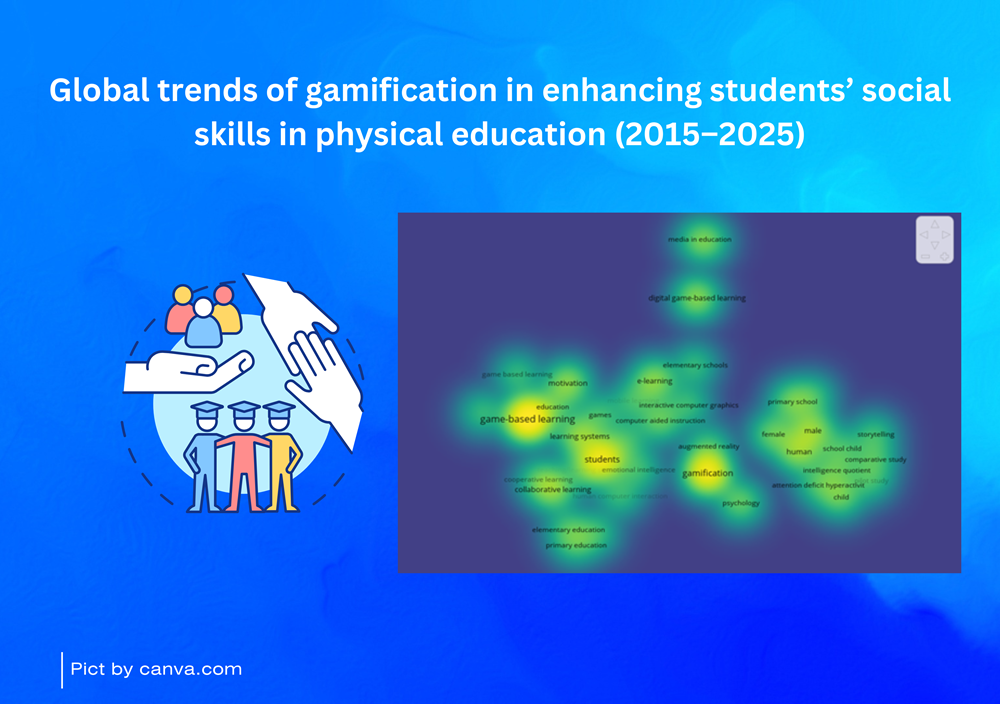
Global trends of gamification in enhancing students’ social skills in physical education (2015–2025)
Rajip Mustafillah Rusdiyanto1, Ari Wibowo Kurniawan21. State University of Malang , ID2. State University of Malang , ID2025-07-01|page 125-138AbstractBackground: The development of digital technology has triggered a more interactive learning transformation through gamification, namely using game elements to increase students' motivation, engagement, and social skills, such as cooperation, communication, empathy, and problem solving.
Objectives: This study aims to analyze global research trends on gamification in enhancing students' social skills, particularly in physical education, through a bibliometric analysis from 2015 to 2025.
Methods: This study employed a bibliometric design. Data were retrived from the Scopus database on April 22, 2025, using specific keywords: (gamification OR gamified learning OR game-base-based learning) AND ("physical education" OR "PE class" OR "sport education") AND (social skills" OR "social competence" OR "social interaction") AND (elementary school" OR "primary school" OR "midle school" OR "junior high school" OR "high school" OR "secondary school" From an initial 120 documents, 47 met the inclusion criteria. VOSViewer was used to analyze keyword co-occurrence, visualize trends, and identify thematic clusters by completely counting on all keywords with at least two documents per author.
Results: 47 relevant articles were identified, with publication peaking in 2020. Keyword analysis revealed five main thematic clusters: gamification in education, digital game-based learning, collaborative learning, emerging technologies, and motivation. The most frequent keywords were game-based learning (n=12), gamification (n=9), and students (n=8). The University of Patras emerged as the most productive institution, while the leading journal was the International Journal of Learning, Teaching and Educational Research.
Conclusions: Although research on gamification has grown significantly, its application in physical education remains underexplored. This study reveals a gap in leveraging gamification to develop students' social skills in physical education. Future research should focus on integrating gamification in this context while considering sociocultural and technological factors to ensure inclusive and effective implementation.
APA Citation StyleRusdiyanto, R. M. , & Kurniawan, A. W. (2025). Global trends of gamification in enhancing students’ social skills in physical education (2015–2025). Physical Education and Sports: Studies and Research, 125-138. https://doi.org/10.56003/pessr.v4i2.598 -

Mislabeling latent variables in factor analysis applied to football playing style research: A commentary
Spyridon Plakias11. Department of Physical Education and Sports, University of Thessaly , GR2026-03-25|page 40-46AbstractThe application of exploratory factor analysis and principal component analysis (PCA) has become increasingly prevalent in football analytics, offering a robust framework for identifying and quantifying playing styles. By condensing a large set of performance indicators into factors, these techniques provide valuable insights into tactical patterns. However, a persistent challenge lies in the subjective labeling of these factors, which can lead to ambiguous or misleading interpretations. This commentary highlights the issue of mislabeling latent variables in football playing style research, drawing on examples from recent studies to illustrate how inaccurate labels can distort both theoretical understanding and practical applications. The implications of poor labeling extend beyond academic discourse, potentially affecting coaches and analysts who rely on data-driven insights for tactical planning. To address these challenges, we propose best practice recommendations emphasizing conceptual clarity, standardized terminology, and expert validation. Accurate and consistent factor labeling is essential to ensure the reliability, comparability, and practical relevance of findings in the evolving field of football performance analysis.
APA Citation StylePlakias, S. (2026). Mislabeling latent variables in factor analysis applied to football playing style research: A commentary. Physical Education and Sports: Studies and Research, 40-46. https://doi.org/10.56003/pessr.v5i1.693 -

The effect of championship participation on training intensity and motivation of Pencak Silat student athletes at Semarang State University, Indonesia
Achmad Alif Firmansyah1, Nanang Indardi21. State University of Semarang , ID2. State University of Semarang , ID2025-08-15|page 204-211AbstractBackground: Consistent training and high enthusiasm are the keys to an athlete's success in achieving optimal performance. However, among Pencak Silat athletes at Semarang State University (UNNES), there is a decrease in training intensity and enthusiasm when there is no championship agenda.
Objectives: The purpose of this study is to analyze the effect of participation in a championship on the training intensity and motivation of Semarang State University Pencak Silat athletes.
Methods: This study used a pre-post design with the same subjects (n = 30) and an explanatory quantitative approach to determine the effect of championship participation on training intensity and motivation. Data were collected using a Likert scale questionnaire that has been tested for validity and reliability (α = 0.872). Data analysis was performed using a paired t-test using SPSS.
Results: The results showed a significant increase in training intensity from a mean ± SD of 3.12 ± 0.54 (pre) to 3.78 ± 0.49 (post), and training motivation from 3.05 ± 0.61 (pre) to 3.85 ± 0.55 (post), with t(29) = 5.62 and 6.03, respectively, p = 0.004. Cohen's d effect sizes of 1.03 (intensity) and 1.10 (motivation) indicate significant effects.
Conclusions: These findings indicate that participation in championships is a significant external motivator in improving the quality of athletes' training. Therefore, championships can be a coaching strategy to maintain sustainable training motivation, a practical implication that this study has clearly demonstrated.
APA Citation StyleFirmansyah, A. A. , & Indardi, N. (2025). The effect of championship participation on training intensity and motivation of Pencak Silat student athletes at Semarang State University, Indonesia. Physical Education and Sports: Studies and Research, 204-211. https://doi.org/10.56003/pessr.v4i2.620 -

Comparative analysis of plantar pressure distribution among football players across playing positions: A cross-sectional study
Arif Pristianto1, Anindya Maghfira Zain2, Farid Rahman3, Pungki Indarto4, Anugrah Nur Warthadi51. Department of Physiotherapy, Faculty of Health Sciences, Universitas Muhammadiyah Surakarta , ID2. Department of Physiotherapy, Faculty of Health Sciences, Universitas Muhammadiyah Surakarta , ID3. Department of Physiotherapy, Faculty of Health Sciences, Universitas Muhammadiyah Surakarta , ID4. Department of Sport Education, Faculty of Teacher Training and Education, Universitas Muhammadiyah Surakarta , ID5. Department of Sport Education, Faculty of Teacher Training and Education, Universitas Muhammadiyah Surakarta , ID2026-04-01|page 68-81AbstractBackground: Football players exhibit different muscle activation patterns during different playing activities, which can affect plantar pressure on the feet. Uneven, unbalanced plantar pressure distribution can cause muscle tension, leading to musculoskeletal injuries in the feet.
Objectives: This study aims to determine and compare plantar pressure distribution among football players based on playing position.
Methods: This study is an analytical observational study using a cross-sectional approach. The sample in this study consisted of 24 football players aged 15-18 years who met the inclusion criteria. Plantar pressure was measured using a Zebris Force Distribution Measurement (FDM) platform on the forefoot and rearfoot areas. Statistical analysis included normality tests (Shapiro-Wilk) and multivariate tests (ANOVA) according to data distribution.
Results: Differences in plantar pressure were observed between defenders, forwards, and strikers in static conditions (p < 0.05), but not in dynamic conditions (p > 0.05).
Conclusions: This study shows differences in plantar pressure distribution among football players in defender, forward, and striker positions under static conditions. However, under dynamic conditions, no significant differences were found among playing positions.
APA Citation StylePristianto, A. , Zain, A. M. , Rahman, F. , Indarto, P. , & Warthadi, A. N. (2026). Comparative analysis of plantar pressure distribution among football players across playing positions: A cross-sectional study. Physical Education and Sports: Studies and Research, 68-81. https://doi.org/10.56003/pessr.v5i1.692 -
Predictors of cardiorespiratory endurance in martial arts athletes: A path analysis of body composition, hemoglobin, and motivation
Novanto Ponco Nugroho 1, Dani Nur Riyadi2, Aridhotul Haqiyah31. Universitas Islam 45 Bekasi , ID2. Universitas Islam 45 Bekasi , ID3. Universitas Islam 45 Bekasi , ID2025-07-01|page 83-94AbstractBackground: Cardiorespiratory endurance is vital to athletic performance, particularly in sports requiring sustained physical exertion such as martial arts.
Objectives: This study examined the predictive roles of body composition (BMI), hemoglobin concentration, and motivation on cardiorespiratory endurance among university-level martial arts athletes.
Methods: Using a quantitative path analysis design, data were collected from 20 purposively selected martial arts athletes who regularly trained. Cardiorespiratory endurance was assessed via the multistage fitness test, BMI was calculated using standard anthropometric measures, hemoglobin was measured using the Harenz scale, and motivation was evaluated with a validated Likert-scale questionnaire.
Results: The analysis showed that BMI (ρ = 0.705, t = 3.071, p = 0.007) and hemoglobin concentration (ρ = 0.946, t = 4.672, p < 0.001) had significant positive effects on cardiorespiratory endurance. Motivation, however, did not have a significant direct effect (ρ = 0.087, t = 0.853, p = 0.203). Additionally, BMI correlated positively with both hemoglobin (ρ = 0.923, p < 0.001) and motivation (ρ = 0.670, p = 0.034), suggesting indirect effects through physiological mechanisms.
Conclusions: The findings underscore that physiological indicators, specifically BMI and hemoglobin, are more critical predictors of aerobic capacity than psychological factors like motivation in this athletic population. Due to sport-specific demands, these results may not be generalizable to non-martial arts athletes. Future studies should incorporate additional mediators such as training intensity and account for potential self-report bias in motivation assessments.
APA Citation StyleNugroho , N. P. , Riyadi, D. N. , & Haqiyah, A. (2025). Predictors of cardiorespiratory endurance in martial arts athletes: A path analysis of body composition, hemoglobin, and motivation. Physical Education and Sports: Studies and Research, 83-94. https://doi.org/10.56003/pessr.v4i2.559 -
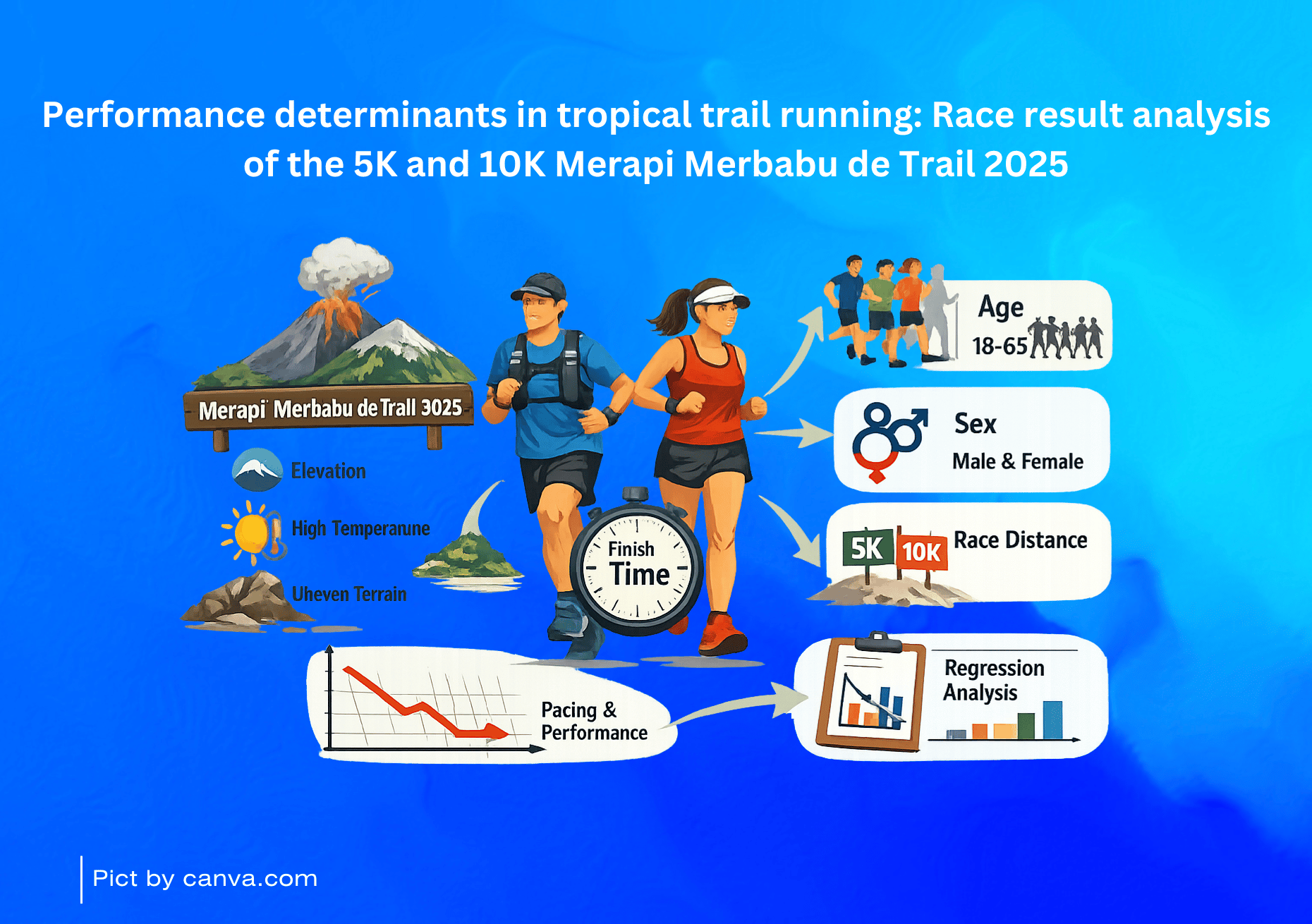
Performance determinants in tropical trail running: Race result analysis of the 5K and 10K Merapi Merbabu de Trail 2025
Siti Baitul Mukarromah1, Sugiarto Sugiarto2, Gustiana Mega Anggita3, Sri Agus Budi Santoso4, Sangheon Park5, Ambar Dwi Erawati6, Rikha Liemiyah7, Aziiz Mardanarian Rosdianto8, Ronny Lesmana9, Faisyal Syofian101. State University of Semarang , ID2. State University of Semarang , ID3. State University of Semarang , ID4. Tarra Adventure, Boyolali Regency, Central Java Province , ID5. Korea Institute of Sport Science, Seoul , KR6. Widya Husada Semarang University , ID7. Universitas Dian Nuswantoro , ID8. Universitas Padjajaran , ID9. Universitas Padjajaran , ID10. Sultan Agung Islamic University , ID2026-04-03|page 82-92AbstractBackground: The limited research on the determinants of performance in short-distance trail running in tropical environments is a major problem in understanding the influence of environmental conditions on runners' performance and pacing strategies.
Objectives: This study aimed to examine the influence of race distance, sex, and age on trail running performance in the 5K and 10K categories of the Merapi Merbabu de Trail 2025.
Methods: A retrospective observational race result analysis was conducted using official race data from the Merapi Merbabu de Trail 2025. The study included 429 runners (5K: n = 144; 10K: n = 285), consisting of 275 male and 154 female participants. The primary outcome variable was finish time (in minutes), while the independent variables included race, distance, sex, and age. Statistical analyses were performed using SPSS version 26, including descriptive statistics, independent-samples t-tests, Cohen’s d effect sizes, and multiple linear regression to evaluate predictors of performance.
Results: Results showed a significant difference in performance between race distances. The mean finish time for the 5K category was 152.8 ± 44.3 minutes, while the 10K category averaged 306.1 ± 74.3 minutes (t = -26.68, p < 0.001, Cohen’s d = 2.50). Male runners completed the 10K race faster than female runners (293 vs. 345 minutes). Regression analysis indicated that finish time increased by approximately 2–3 minutes per year of age, indicating a progressive decline in performance with increasing age.
Conclusions: These findings indicate that race distance, sex, and age are significant determinants of trail running performance in tropical environments.APA Citation StyleMukarromah, S. B. , Sugiarto, S. , Anggita, G. M. , Santoso, S. A. B. , Park, S. , Erawati, A. D. , Liemiyah, R. , Rosdianto, A. M. , Lesmana, R. , & Syofian, F. (2026). Performance determinants in tropical trail running: Race result analysis of the 5K and 10K Merapi Merbabu de Trail 2025. Physical Education and Sports: Studies and Research, 82-92. https://doi.org/10.56003/pessr.v5i1.699 -

Impact of plyometric training using step-up and lateral box jumps on the improvement of leg muscle power in youth school futsal athletes
Risky Sandy Kurniawan1, Donny Anhar Fahmi2, Setiyawan Setiyawan31. Universitas PGRI Semarang , ID2. Universitas PGRI Semarang , ID3. Universitas PGRI Semarang , ID2025-08-15|page 212-221AbstractBackground: Futsal is a high-intensity sport that requires leg muscle power, especially in aerial duels, anticipating the ball, and performing powerful kicks. Limited jumping ability can reduce leg muscle power and overall performance.
Objectives: This study aims to test the impact of plyometric training using step-up and lateral box jumps on the improvement of leg muscle power in youth school futsal athletes.
Methods: A quasi-experimental single-group pretest-posttest design was conducted with 40 male participants over a four-week plyometric training program. Leg muscle power was measured using a vertical jump test before and after the intervention. Data were analyzed using a t-test with the assistance of SPSS.
Results: Both step-up and lateral box jumps significantly increased leg muscle power (p < 0.05). The step-up group showed an average increase of 4.20 cm, while the lateral box jump group showed an average increase of 3.45 cm, with no statistically significant difference (p = 0.326).
Conclusions: Both training methods effectively enhance leg muscle power and can be integrated into school-based futsal training programs to improve performance.
APA Citation StyleKurniawan, R. S. , Fahmi, D. A. , & Setiyawan, S. (2025). Impact of plyometric training using step-up and lateral box jumps on the improvement of leg muscle power in youth school futsal athletes. Physical Education and Sports: Studies and Research, 212-221. https://doi.org/10.56003/pessr.v4i2.611 -
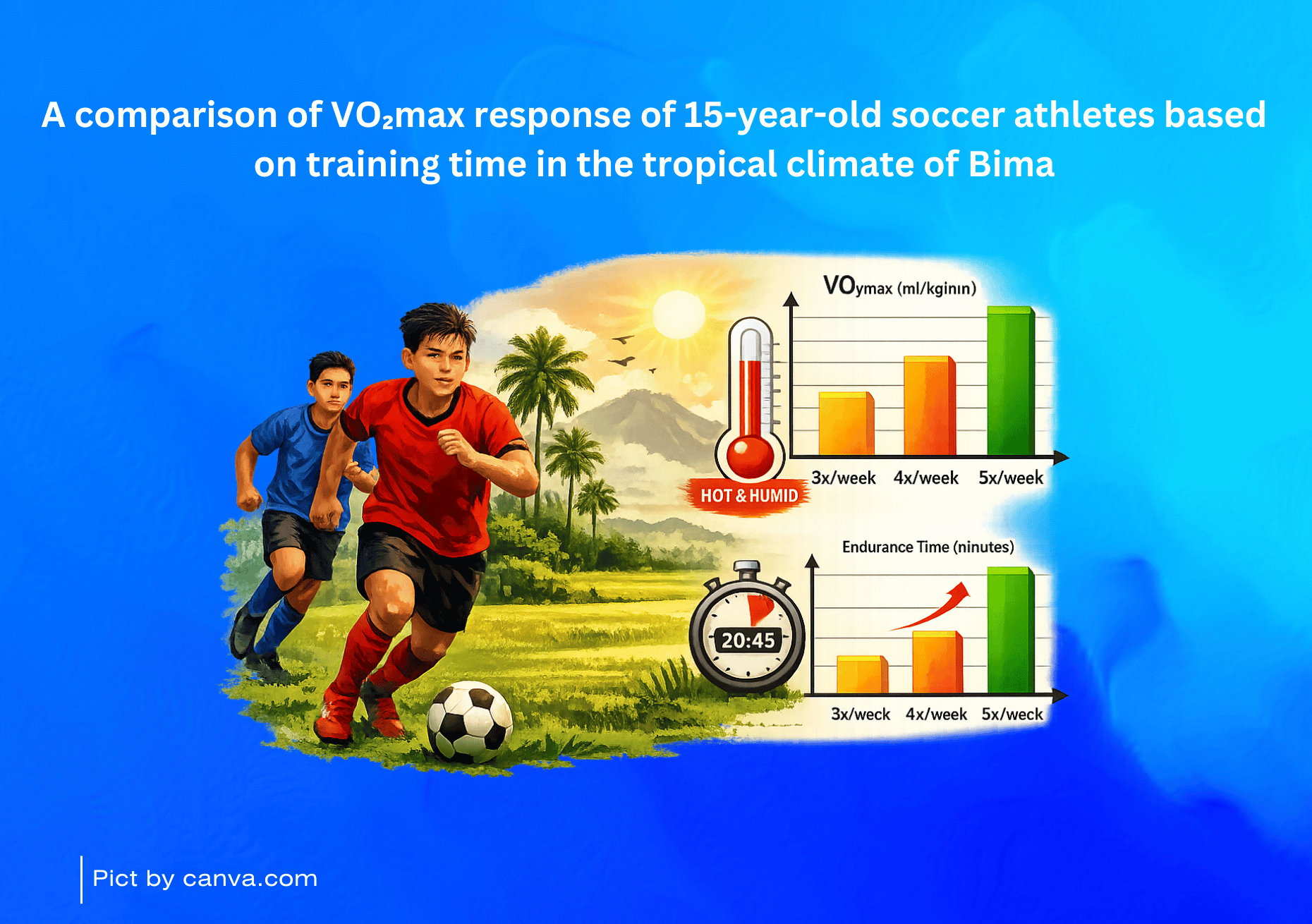
A comparison of VO₂max response of 15-year-old soccer athletes based on training time in the tropical climate of Bima
Firdaus Firdaus1, Taty Hartati2, Rabwan Satriawan3, Shutan Arie Shandi4, Nor Fazila Abd Malek51. Department of Physical Education, STKIP Taman Siswa Bima , ID2. Department of History, STKIP Taman Siswa Bima , ID3. Department of Physical Education, STKIP Taman Siswa Bima , ID4. Department of Physical Education, STKIP Taman Siswa Bima , ID5. Faculty of Sports Science and Coaching, Sultan Idris Education University , MY2026-04-14|page 125-134AbstractBackground: VO₂max is the primary indicator of a soccer athlete's aerobic capacity, but in tropical climates like Bima, high temperatures and humidity can affect VO₂max achievement. Hence, the timing of training is an important factor to consider.
Objectives: This study aims to analyze differences in VO₂max across training times (morning and afternoon) in 15-year-old youth soccer athletes from the Bima Football Association (PERSSEBI).
Methods: The study used a quantitative, comparative, cross-sectional observational design. The study subjects were 45 athletes (age 15.31±0.46; height 163.12±4.35 cm; weight 55.28±3.67 kg; and body mass index (BMI) 20.78±1.18 kg/m²) from the Bima Football Association (PERSEBI), selected by purposive sampling, and divided into morning (n=23) and afternoon (n=22) training groups. VO₂max was measured using a multistage fitness test (Bleep Test). Data analysis included descriptive statistics, the Shapiro–Wilk normality test, the Levene homogeneity test, and the independent-samples t-test at a significance level of 0.05, using IBM SPSS 25.
Results: The descriptive analysis showed that the average VO₂max of the morning group was 43.78 ± 2.34 ml/kg/minute, higher than that of the afternoon group (42.91 ± 2.29 ml/kg/minute). The results of the independent sample t-test showed that there was a significant difference in VO₂max between the two groups with a t value = 2.14 with df = 43 and a significant p value = 0.04 (p < 0.05) with an average difference of 0.87 ml/kg/minute indicating that the morning exercise group had a higher Vo2max value than the afternoon exercise group.
Conclusions: These findings suggest that training time contributes to differences in athletes' VO₂max values in tropical environments, with morning training resulting in higher performance than afternoon training. Therefore, scheduling training that accounts for environmental conditions is crucial for optimizing athletes' VO₂max.
APA Citation StyleFirdaus, F. , Hartati, T. , Satriawan, R. , Shandi, S. A. , & Malek, N. F. A. (2026). A comparison of VO₂max response of 15-year-old soccer athletes based on training time in the tropical climate of Bima. Physical Education and Sports: Studies and Research, 125-134. https://doi.org/10.56003/pessr.v5i1.709 -

The relationship between arm length and body mass index (BMI) with turbo-throwing performance in elementary school students
Awaliyah Riskyta Putri1, Siti Nurrochmah21. State University of Malang , ID2. State University of Malang , ID2025-07-01|page 115-124AbstractBackground: This research is motivated by insufficient scientific research that specifically examines the relationship between arm length and Body Mass Index (BMI) on turbo throwing performance in elementary school students, especially in preparation for the National Student Sports Olympics (O2SN).
Objectives: This study examines the relationship between arm length and BMI and the turbo-throwing performance of sixth-grade students of State Elementary School Bunulrejo 1 Malang in preparation for the National Student Sports Olympics (O2SN) in 2025.
Methods: The method used is a quantitative descriptive design with a correlational study. The study population comprised 71 male students, with a sample of 45 male students. The research instrument was a turbo-throwing basic motion performance test, arm length measurement, and Body Mass Index (BMI) measurement. The analysis technique uses inferential statistics in the form of multiple correlation analysis, which is complemented by multiple regression analysis.
Results: The results were obtained using inferential statistics through multiple correlation analysis. The results of the multiple correlation test obtained a coefficient value = 0.723 and Sig. P = 0.001 < a = 0.05, and the contribution of the variable effectiveness of arm's length to turbo-throwing performance is 46.3%, while BMI is 5.9%, so the variables arm length and BMI provide an effective contribution of 52.2%.
Conclusions: Arm length and BMI significantly influence turbo-throwing performance. Arm length is the most dominant factor. These results can be a reference for teachers and coaches when selecting O2SNs and coaching athletes at the basic education level. Future researchers are expected to examine other variables that have not been studied to provide a more comprehensive picture of turbo-throwing performance.
APA Citation StylePutri, A. R. , & Nurrochmah, S. (2025). The relationship between arm length and body mass index (BMI) with turbo-throwing performance in elementary school students. Physical Education and Sports: Studies and Research, 115-124. https://doi.org/10.56003/pessr.v4i2.563 -

The association between healthy dietary habits and physical fitness among junior high school students: A rural school case study
Moch. Yunus1, Yulingga Nanda Hanief2, Muhammad Putra Ramadhan3, Erika Ayu Sylvianingrum41. State University of Malang , ID2. State University of Malang , ID3. State University of Malang , ID4. State University of Malang , ID2025-12-30|page 344-354AbstractBackground: The health conditions of the community, particularly in relation to the physical fitness of junior high school students, require serious attention, especially in rural areas that differ significantly from urban areas. Previous research findings on dietary patterns and physical fitness still show inconsistent results.
Objectives: This study aims to investigate the relationship between healthy eating habits and physical fitness among junior high school students residing in rural areas.
Methods: This study used a quantitative design with a cross-sectional approach. The research subjects consisted of 27 students from public junior high schools in rural areas, selected through a balanced stratified random sampling process that involved all grade levels. Eating habits were measured using a 24-hour food recall, as it is an effective method for monitoring food intake over a short period. Physical fitness was measured using the Nusantara Student Fitness Test (TKPN), a national standard instrument. Data analysis was performed using descriptive statistics, Spearman's correlation, and linear regression.
Results: Most of the study participants were underweight with varied eating patterns. The analysis results showed no significant relationship between physical fitness and healthy eating patterns, as indicated by a correlation coefficient of 0.061 and a p-value of 0.764. The small effect size suggests that eating patterns did not have a significant impact on fitness levels in this group of participants.
Conclusions: The study shows that rural junior high school students achieve their physical fitness through exercise and their exercise-rest patterns and their inherited characteristics rather than their diet.APA Citation StyleYunus, M. , Hanief, Y. N. , Ramadhan, M. P. , & Sylvianingrum, E. A. (2025). The association between healthy dietary habits and physical fitness among junior high school students: A rural school case study. Physical Education and Sports: Studies and Research, 344-354. https://doi.org/10.56003/pessr.v4i3.665 -

Improving martial arts education through gamified learning: The case of Pencak Silat with Quizizz
M. Gusti Ariadi1, Wahyu Indra Bayu2, Soleh Solahuddin31. Sriwijaya University , ID2. Sriwijaya University , ID3. Sriwijaya University , ID2025-08-09|page 186-194AbstractBackground: The use of digital media in learning is an innovative effort to improve the quality of the teaching and learning process, including in physical education, particularly in the subject of Pencak Silat
Objectives: This study aims to determine the effect of using the Quizizz application on the learning outcomes of Pencak Silat among students at Public Senior High School 1 Indralaya Selatan.
Methods: This research was conducted using a quantitative approach. The design used is a one-group pretest-posttest design. In this design, students are given a pretest before treatment, followed by a learning treatment using Quizizz media. After the treatment is completed, a posttest is administered. The population in this study consists of all 11th-grade students at Senior High School 1 Indralaya Selatan, totaling 149 students. From that population, a simple random sample of 30 students will be taken to serve as the research sample. The research instruments include a cognitive test in the form of multiple-choice questions and a psychomotor test in the form of basic pencak silat technique practice. Then the data were analyzed using the Shapiro-Wilk normality test to ensure data distribution, followed by a paired sample t-test using IBM SPSS Statistics version 30.0.0.0 (172) software.
Results: The analysis shows a significant increase in pretest to posttest scores, both in cognitive aspects (from an average of 37.87 to 58.83) and psychomotor aspects (from an average of 5.43 to 8.70). In the paired sample t-test, the significance value showed <0.001, indicating a significant effect of Quizizz media on students' learning outcomes.
Conclusions: This research concludes that the Quizizz application effectively enhances the understanding of concepts and fundamental movement skills of pencak silat in a fun and interactive way.
APA Citation StyleAriadi, M. G. , Bayu, W. I. , & Solahuddin, S. (2025). Improving martial arts education through gamified learning: The case of Pencak Silat with Quizizz. Physical Education and Sports: Studies and Research, 186-194. https://doi.org/10.56003/pessr.v4i2.579 -
Association between ADHD symptom severity and motor activity in preschool children: A cross-sectional study
Adnan Faris Naufal1, Chevanya Diva Titania Davinci2, Anida Azkia Fitri31. Department of Physiotherapy, Faculty of Health Science, Universitas Muhammadiyah Surakarta , ID2. Department of Physiotherapy, Faculty of Health Science, Universitas Muhammadiyah Surakarta , ID3. Department of Physiotherapy, Faculty of Health Science, Universitas Muhammadiyah Surakarta , ID2026-08-24|page 220-232AbstractBackground: Attention-deficit/hyperactivity disorder (ADHD) is a neurodevelopmental disorder characterized by inattention, hyperactivity, and impulsivity. Objective measurement of motor activity may complement parent-reported assessment of ADHD symptoms.
Objectives: This study aimed to examine the association between ADHD Rating Scale-5 scores and step counts, used as an objective indicator of motor activity, among children aged 4–6 years.
Methods: A cross-sectional observational study was conducted among 110 children aged 4–6 years selected through purposive sampling. ADHD symptoms were assessed using the parent-completed ADHD Rating Scale-5, while step counts were measured using a digital pedometer during a 15-minute school recess. Data normality was assessed using the Kolmogorov–Smirnov test. Pearson's product–moment correlation was used to examine the association between total ADHD Rating Scale-5 scores and step counts, whereas Spearman's rank correlation was used for the Inattention and Hyperactivity–Impulsivity domain scores.
Results: Total ADHD Rating Scale-5 scores showed a very strong positive correlation with step counts (r = .865, p < .001). At the domain level, Inattention scores showed a strong positive correlation with step counts (ρ = .756, p < .001), while Hyperactivity–Impulsivity scores showed a very strong positive correlation (ρ = .818, p < .001).
Conclusions: Higher ADHD symptom scores were strongly associated with higher motor activity, as indicated by step counts, among preschool children. Step-count measurement may provide a simple objective measure that complements parent-reported assessment of ADHD symptoms; however, it should not be interpreted as a diagnostic measure for ADHD.
APA Citation StyleNaufal, A. F. , Davinci, C. D. T. , & Fitri, A. A. (2026). Association between ADHD symptom severity and motor activity in preschool children: A cross-sectional study. Physical Education and Sports: Studies and Research, 220-232. https://doi.org/10.56003/pessr.v5i2.777 -
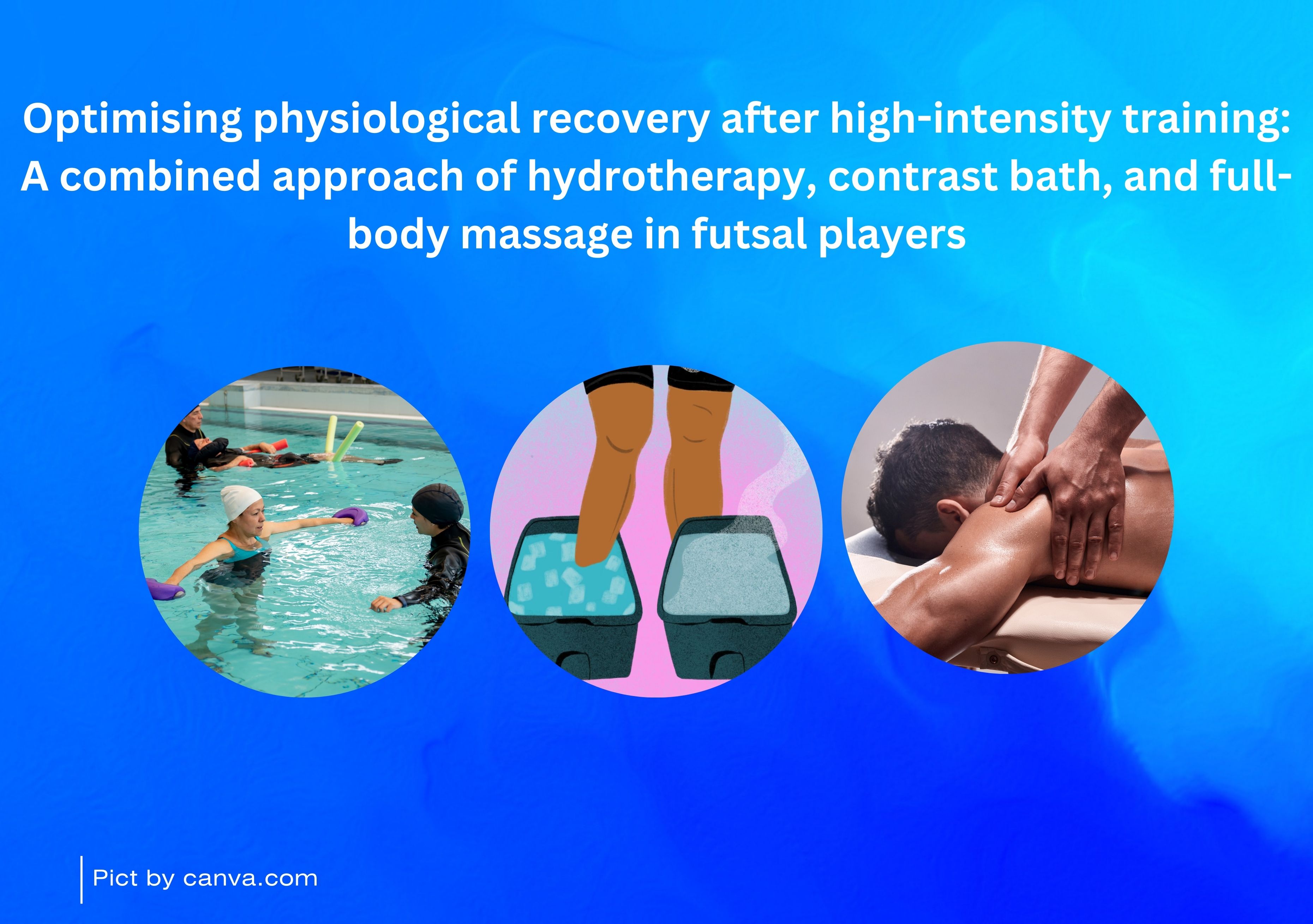
Optimising physiological recovery after high-intensity training: A combined approach of hydrotherapy, contrast bath, and full-body massage in futsal players
Afif Dwi Nugraha1, Laily Mita Andriana2, Muhamad Fauzi Antoni3, Muhammad Labib Siena Ar Rasyid4, Bhekti Lestari51. Universitas Negeri Surabaya , ID2. Universitas Negeri Surabaya , ID3. Universitas Negeri Surabaya , ID4. Universitas Negeri Surabaya , ID5. Universitas Negeri Surabaya , ID2025-12-15|page 302-317AbstractBackground: Efficient recovery after high-intensity interval training (HIIT) is crucial for maintaining optimal performance and minimizing the risk of injury.
Objectives: This study aims to analyze the effectiveness of combining hydrotherapy contrast baths and full-body massage in accelerating physiological recovery after a HIIT session, compared to the application of a single method.
Methods: This study employed a pre–post quasi-experimental design with three parallel groups (n = 45; 15 participants per group) to analyze the effectiveness of hydrotherapy combined with whole-body massage compared with each method applied separately. Participants were assigned to one of three conditions: (1) hydrotherapy contrast bath only, (2) full-body massage only, and (3) a combined intervention using both techniques. Physiological recovery was assessed using validated instruments, including heart rate monitors for heart rate recovery (HRR), portable lactate analysers for blood lactate concentration, and a visual analogue scale (VAS) for perceived muscle soreness. Data were analysed using the Shapiro–Wilk test, paired-sample t-test, and One-Way ANOVA.
Results: The findings demonstrated that the combined hydrotherapy–massage protocol resulted in greater improvements than the single-method groups, particularly in lactate reduction (e.g., -3.1 ± 0.8 mmol/L vs. - 1.9 ± 0.7 mmol/L and - 2.0 ± 0.6 mmol/L; p<0.05) and faster HRR. Participants in the combined group also reported significantly lower muscle soreness (p<0.05).
Conclusions: This suggests that integrating contrast bath hydrotherapy with full-body massage enhances circulation, accelerates metabolic waste clearance, and improves subjective recovery following HIIT. Future studies are recommended to include larger samples, compare different hydrotherapy temperatures, or examine long-term adaptations from repeated recovery sessions.APA Citation StyleNugraha, A. D. , Andriana, L. M. , Antoni, M. F. , Rasyid, M. L. S. A. , & Lestari, B. (2025). Optimising physiological recovery after high-intensity training: A combined approach of hydrotherapy, contrast bath, and full-body massage in futsal players. Physical Education and Sports: Studies and Research, 302-317. https://doi.org/10.56003/pessr.v4i3.655 -

The effect of peer teaching and think pair share on rhythmic gymnastics learning outcomes
Muhammad Lutfi Hasan1, Ibnu Fatkhu Royana2, Utvi Hinda Zhannisa31. Universitas PGRI Semarang , ID2. Universitas PGRI Semarang , ID3. Universitas PGRI Semarang , ID2025-08-14|page 195-203AbstractBackground: Rhythmic gymnastics plays a vital role in developing students' motor skills, coordination, and rhythm, yet many still face challenges in mastering movement concepts.
Objectives: This study compared the effectiveness of Peer Teaching and Think Pair Share (TPS) cooperative learning models in improving rhythmic gymnastics learning outcomes.
Methods: A quasi-experimental design with a two-group pretest–posttest was conducted on 68 eighth-grade students (male and female) at State Junior High School 4 Semarang, divided into Peer Teaching (n=34) and TPS (n=34) groups. Learning outcomes were assessed using a validated rhythmic gymnastics performance test, and data were analyzed descriptively with gain score calculation.
Results: The TPS group achieved a greater improvement in posttest scores (from 67.21 to 79.59; +18.41%) compared to the Peer Teaching group (from 79.18 to 79.85; +0.85%). These results indicate that TPS enhances students' understanding, coordination, and engagement in rhythmic gymnastics learning.
Conclusions: TPS is recommended for physical education teachers to improve performance, particularly for students with lower initial skills. Further studies should explore its long-term effects and retention.
APA Citation StyleHasan, M. L. , Royana, I. F. , & Zhannisa, U. H. (2025). The effect of peer teaching and think pair share on rhythmic gymnastics learning outcomes. Physical Education and Sports: Studies and Research, 195-203. https://doi.org/10.56003/pessr.v4i2.619 -
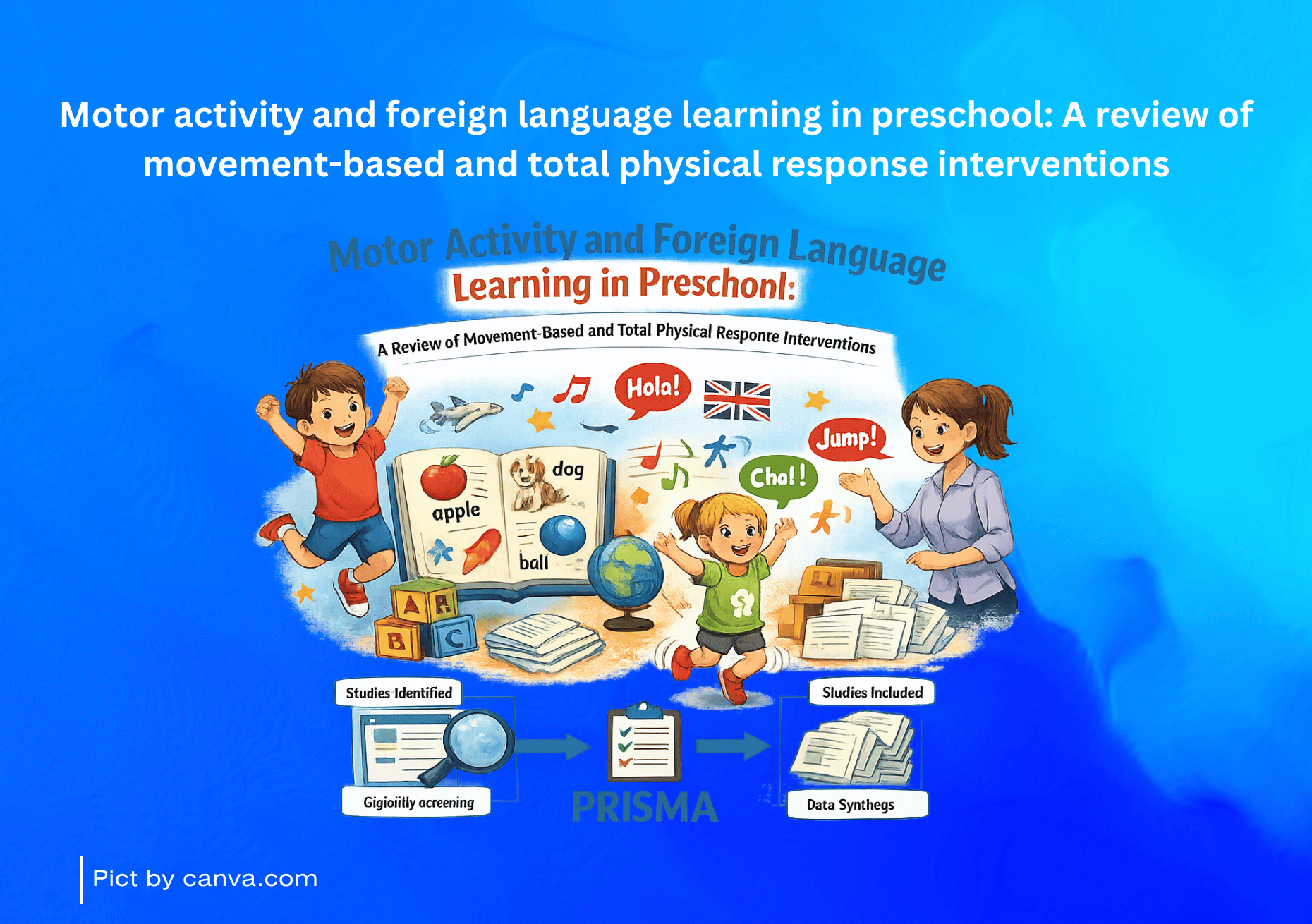
Motor activity and foreign language learning in preschool: A review of movement-based and total physical response interventions
Manuela Valentini1, Nausicaa Simone2, Alessandro Beretta31. Department of Humanities, University of Urbino Carlo Bo , IT2. Department of Humanities, University of Urbino Carlo Bo , IT3. Department of Humanities, University of Urbino Carlo Bo , IT2026-04-02|page 93-105AbstractBackground: Movement may support early foreign-language learning through embodied learning, but the preschool evidence base is fragmented.
Objective: To review empirical studies on movement-based and Total Physical Response (TPR) interventions for foreign-language learning in preschool children.
Method: This study employed a systematic review design based on PRISMA 2020 guidelines, involving database searches and citation tracking to identify empirical studies on movement-based and Total Physical Response (TPR) interventions in preschool foreign-language learning. Studies were screened using predefined eligibility criteria and appraised using the Mixed Methods Appraisal Tool (MMAT). Data from eligible studies were extracted and synthesized narratively due to methodological heterogeneity.
Results: Eight studies met the inclusion criteria. Across stronger controlled studies, semantically integrated movement generally produced more favorable vocabulary and verbal memory outcomes than sedentary teaching or less integrated movement. Evidence focused specifically on TPR was positive in terms of engagement and short-term learning, but methodologically heterogeneous and less robust.
Conclusion: Current preschool evidence supports the promise of integrated movement-based language teaching, particularly when movement is tightly aligned with instructional content. However, the evidence base remains small, largely limited to vocabulary-related outcomes, and further rigorous preschool trials are needed to clarify optimal implementation and the distinct contribution of TPR.APA Citation StyleValentini, M. , Simone, N. , & Beretta, A. (2026). Motor activity and foreign language learning in preschool: A review of movement-based and total physical response interventions. Physical Education and Sports: Studies and Research, 93-105. https://doi.org/10.56003/pessr.v5i1.694 -

Benefits of the SHC System on Publication Management and Promotion of Sports Actor Services
Sapto Adi1, Abi Fajar Fathoni21. State University of Malang , ID2. State University of Malang , ID2022-04-06|page 1-20AbstractBackground: Publication and promotion of the profession as a sports actor has not been seen optimally. One that shows this is that it is difficult to find traces of the legality of the profession, its achievements, and its relationships. Some of these traces are very important to know because they can be a measure of the quality of services so that the public can determine the appropriate sports players to meet the needs of services in the field of sports. For this reason, it is necessary to develop an online system that makes it easier for the public to obtain information related to sports actors. As well as helping sports actors for the publication and promotion of their profession.
Objectives: The purpose of the research is to develop a Sport Human Connection (SHC) system that can help sports players for publication and promotion of their profession.
Methods: This research method uses research and development methods. The research subjects were sports actors (coaches, athletes, management of sports institutions, masseurs, and physiotherapists) as many as 60 people. The selection of research subjects was done randomly. The data collection technique was carried out by conducting a survey. The research instrument used closed and open questionnaires. The data analysis technique used is descriptive quantitative data analysis and narrative analysis.
Results: From the data obtained from the research subjects, it can be said that the SHC system has benefits for the publication and promotion of the profession of sports players with the support of features that display professional legality, achievements, relations, and communication features.
Conclusion: Looking at the results of the study, it can be concluded that the SHC system provides the benefits of publication and promotion of the profession of sports players.
APA Citation StyleAdi, S. , & Fathoni, A. F. (2022). Benefits of the SHC System on Publication Management and Promotion of Sports Actor Services. Physical Education and Sports: Studies and Research, 1-20. https://doi.org/10.56003/pessr.v1i1.71





















