
Search
Search Results
##search.searchResults.foundPlural##
-


Integrating technology in physical education: The impact of TPACK-based tactical and technical approaches on football skills and student motivation
Defri Mulyana1, Adang Suherman2, Komarudin Komarudin3, Bambang Abduljabar4, Fegie Rizkia Mulyana51. Indonesia University of Education , ID2. Indonesia University of Education , ID3. Indonesia University of Education , ID4. Indonesia University of Education , ID5. Siliwangi University , ID2025-05-14|page 71-82AbstractBackground: Motivation and skill development are vital in physical education, particularly football. Tactical learning emphasizes decision-making and game understanding, while technical learning focuses on mastering fundamental skills.
Objectives: This study aimed to analyze the impact of a TPACK-based tactical and technical learning approach on student motivation and football skill acquisition among high school students in Tasikmalaya.
Methods: The study applied the TPACK framework—integrating Technological, Pedagogical, and Content Knowledge—in designing the learning model. Using an experimental method with a pre-test–post-test design, 30 students were divided into two groups. Motivation was assessed via a Likert-scale questionnaire, while football skills (passing, heading, dribbling, shooting, and playing ability) were evaluated through standardized tests. Data were analyzed using paired and independent t-tests with a significance level of p < 0.05.
Results: The technical approach significantly enhanced basic football skills, notably heading (t = 8.47) and shooting (t = 8.29), proving its effectiveness in improving fundamental competencies. Conversely, the tactical approach showed a notable increase in student motivation (t = 4.98) and playing ability (t = 5.94), reflecting its strength in fostering strategic understanding and engagement. TPACK integration further reinforced both approaches through effective use of technology.
Conclusions: The study highlights the importance of combining tactical and technical approaches to promote holistic student development. Continued research is needed to explore the long-term effects and potential of integrating diverse technological tools in physical education.
APA Citation StyleMulyana, D. , Suherman, A. , Komarudin, K. , Abduljabar, B. , & Mulyana, F. R. (2025). Integrating technology in physical education: The impact of TPACK-based tactical and technical approaches on football skills and student motivation. Physical Education and Sports: Studies and Research, 71-82. https://doi.org/10.56003/pessr.v4i1.523 -

Unveiling the digital gym: A phenomenological dive into online physical education pedagogy
Princes Lloyda Peralta11. Saint Louis College , PH2025-04-04|page 15-31AbstractBackground: The COVID-19 pandemic necessitated a rapid shift to online learning, posing significant challenges for traditionally hands-on subjects like Physical Education (PE). Limited student engagement, digital accessibility issues, and the need for pedagogical adaptation became major concerns for PE instructors.
Objectives: This study aims to explore the lived experiences of PE instructors in adapting to online instruction, identifying the strategies, challenges, and innovations they employed to maintain instructional effectiveness.
Methods: A qualitative research design utilizing Interpretative Phenomenological Analysis (IPA) was adopted to gain deep insights into instructors’ experiences. Purposive sampling was used to select seven PE instructors from urban and rural institutions, ensuring diverse teaching contexts. Data were collected through semi-structured interviews, and thematic analysis was conducted to identify key adaptation strategies.
Results: Five major themes emerged from the findings: (1) Adaptation to Online Instruction, where instructors restructured their teaching approaches to accommodate digital platforms; (2) Effective Use of Digital Tools, emphasizing the role of online resources in enhancing instructional delivery; (3) Innovative Approaches to Engagement, detailing gamification techniques and interactive pedagogies; (4) Equitable Access Strategies, addressing disparities in internet connectivity and learning resources; and (5) Assessment of Success and Progress, highlighting novel evaluation methods tailored for online PE instruction. These themes collectively form the "Navigating Instructional Delivery Through Innovation, Technology, Engagement, and Equity" framework.
Conclusions: The study provides valuable insights into how PE instructors have innovatively adapted to online learning, ensuring student engagement and equitable access to education. The findings offer implications for policy-making, teacher training programs, and the future integration of technology in PE instruction. Future research should explore student perspectives and the long-term impact of digital PE on learning outcomes.
APA Citation StylePeralta, P. L. (2025). Unveiling the digital gym: A phenomenological dive into online physical education pedagogy. Physical Education and Sports: Studies and Research, 15-31. https://doi.org/10.56003/pessr.v4i1.474 -
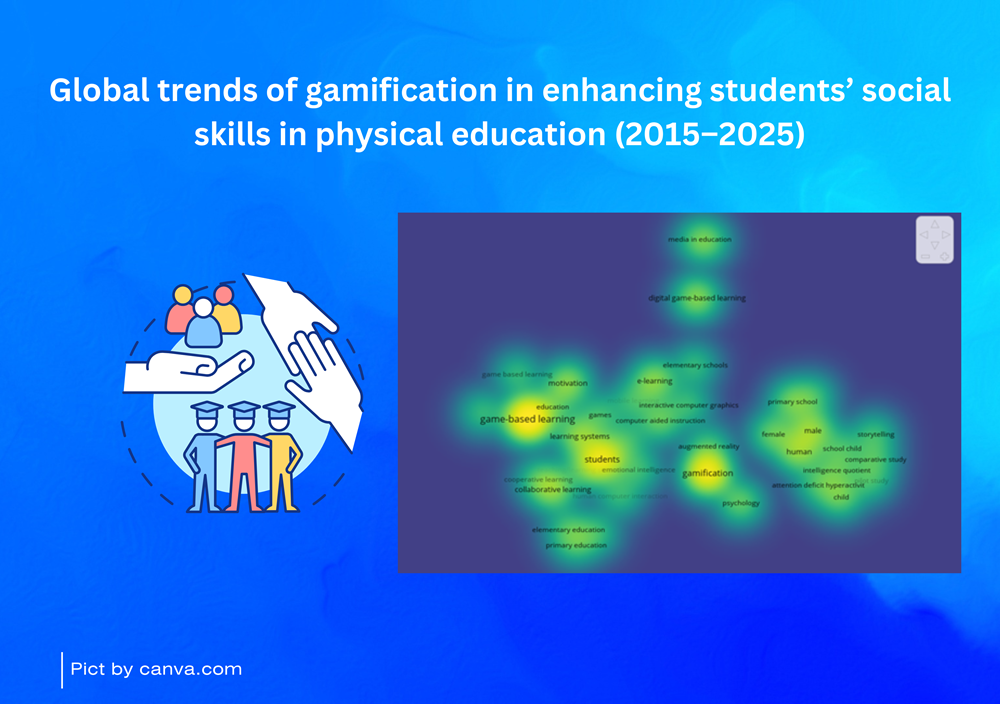
Global trends of gamification in enhancing students’ social skills in physical education (2015–2025)
Rajip Mustafillah Rusdiyanto1, Ari Wibowo Kurniawan21. State University of Malang , ID2. State University of Malang , ID2025-07-01|page 125-138AbstractBackground: The development of digital technology has triggered a more interactive learning transformation through gamification, namely using game elements to increase students' motivation, engagement, and social skills, such as cooperation, communication, empathy, and problem solving.
Objectives: This study aims to analyze global research trends on gamification in enhancing students' social skills, particularly in physical education, through a bibliometric analysis from 2015 to 2025.
Methods: This study employed a bibliometric design. Data were retrived from the Scopus database on April 22, 2025, using specific keywords: (gamification OR gamified learning OR game-base-based learning) AND ("physical education" OR "PE class" OR "sport education") AND (social skills" OR "social competence" OR "social interaction") AND (elementary school" OR "primary school" OR "midle school" OR "junior high school" OR "high school" OR "secondary school" From an initial 120 documents, 47 met the inclusion criteria. VOSViewer was used to analyze keyword co-occurrence, visualize trends, and identify thematic clusters by completely counting on all keywords with at least two documents per author.
Results: 47 relevant articles were identified, with publication peaking in 2020. Keyword analysis revealed five main thematic clusters: gamification in education, digital game-based learning, collaborative learning, emerging technologies, and motivation. The most frequent keywords were game-based learning (n=12), gamification (n=9), and students (n=8). The University of Patras emerged as the most productive institution, while the leading journal was the International Journal of Learning, Teaching and Educational Research.
Conclusions: Although research on gamification has grown significantly, its application in physical education remains underexplored. This study reveals a gap in leveraging gamification to develop students' social skills in physical education. Future research should focus on integrating gamification in this context while considering sociocultural and technological factors to ensure inclusive and effective implementation.
APA Citation StyleRusdiyanto, R. M. , & Kurniawan, A. W. (2025). Global trends of gamification in enhancing students’ social skills in physical education (2015–2025). Physical Education and Sports: Studies and Research, 125-138. https://doi.org/10.56003/pessr.v4i2.598 -

The effect of resistance band training on the forehand smash speed of youth male badminton singles players
Danan Satria Rahadhi1, Yopi Kusdinar2, Patriana Nurmansyah Awwaludin3, Mulyana Mulyana 41. Indonesia University of Education , ID2. Indonesia University of Education , ID3. Indonesia University of Education , ID4. Indonesia University of Education , ID2025-04-30|page 60-70AbstractBackground: Forehand smash shots kill opponents with explosive blows in a badminton game. In hitting a forehand smash, there are several problems, one of which is the speed of the punch.
Objectives: This study is designed to investigate and identify alternative exercises that can enhance the speed of smash shots. The findings of this study are expected to provide valuable insights for athletes and trainers, aiding in the development of effective training programs.
Methods: The research method used in this study is an experimental method with a quantitative approach and a Two Group Pretest-Posttest Design research design. The population in this study were PB Pasundan Bandung badminton athletes, totaling 30 athletes, with a sample of 20 people using a purposive sampling technique. The instrument in this study used a smash shot speed test using the Velocity Speed Gun tool. The data was processed and analyzed using the normality test with Shapiro-Wilk and then analyzed using the independent t-test with SPSS 23.
Results: The T-test value is with a Sig value. (2-tailed) of 0.00, based on the test results, the Sig value. (2-tailed) <0.05 so that H0 is rejected. So, resistance band training has a significant effect on increasing the speed of forehand smash shots.
Conclusions: In conclusion, the consistent use of resistance bands in training sessions could be a game-changer in boosting the speed of forehand smash shots for badminton athletes. These results strongly advocate integrating resistance band training into early-stage badminton training programs. Future studies could further explore its long-term effects and application across different age groups, fostering hope for the continued evolution of training methods in badminton.
APA Citation StyleRahadhi, D. S. , Kusdinar, Y. , Awwaludin, P. N. , & Mulyana , M. (2025). The effect of resistance band training on the forehand smash speed of youth male badminton singles players. Physical Education and Sports: Studies and Research, 60-70. https://doi.org/10.56003/pessr.v4i1.524 -

Development and evaluation of an Android-based multimedia application to promote healthy lifestyles in physical education: A study at State Junior High School 29 Semarang
Galang Yusuf Pujiyanto1, Ibnu Fatkhu Royana2, Muh. Isna Nurdin Wibisana31. Universitas PGRI Semarang , ID2. Universitas PGRI Semarang , ID3. Universitas PGRI Semarang , ID2025-07-23|page 162-174AbstractBackground: The integration of interactive, technology-based media in Physical Education, particularly for teaching health-related content, remains limited despite its potential to enhance student engagement and learning outcomes.
Objectives: This study aims to address this gap by developing and evaluating the effectiveness of an Android-based multimedia learning application, "Healthy Habits," designed to support the delivery of healthy lifestyle materials in Physical Education, Sports, and Health (Physical Education) subjects at the junior high school level.
Methods: The research employed a research and development (R&D) approach, involving expert validation from media and content specialists and usability trials with teachers and students.
Results: Validation results indicated a "Good" rating from the material expert (average score: 4.05) and a "Very Good" rating from the media expert (average score: 4.24), confirming the application's content quality and technical feasibility. Teacher evaluations also yielded a "Good" rating (average score: 4.07). Student trials produced positive responses, with small group testing receiving a "Very Good" rating (average score: 3.29), which increased to 4.23 ("Very Good") in large group testing. An effectiveness test assessing cognitive, affective, and psychomotor learning outcomes showed an average score of 85.6%, categorized as "Very Good." These findings demonstrate the feasibility and effectiveness of "Healthy Habits" as a digital learning tool for promoting healthy lifestyles in secondary school students.
Conclusions: The application offers practical value for educators and curriculum developers seeking to integrate mobile technology into Physical Education. Future studies are encouraged to explore the implementation of this application in varied educational contexts and its potential integration across other subject areas.
APA Citation StylePujiyanto, G. Y. , Royana, I. F. , & Wibisana, M. I. N. (2025). Development and evaluation of an Android-based multimedia application to promote healthy lifestyles in physical education: A study at State Junior High School 29 Semarang. Physical Education and Sports: Studies and Research, 162-174. https://doi.org/10.56003/pessr.v4i2.607 -
Development and evaluation of a web-based interactive flashcard tool (Aero’Zen) for low-impact rhythmic activity instruction in physical education
Zenny Ni'matul Ulya1, Donny Anhar Fahmi2, Ibnu Fatkhu Royana31. Department of Physical Education, Faculty of Social Sciences and Physical Education, Universitas PGRI Semarang , ID2. Department of Physical Education, Faculty of Social Sciences and Physical Education, Universitas PGRI Semarang , ID3. Department of Physical Education, Faculty of Social Sciences and Physical Education, Universitas PGRI Semarang , ID2026-08-31|page 233-247AbstractBackground: Teaching rhythmic activities in physical education continues to face challenges due to the limited availability of visual learning aids that demonstrate movements systematically, repeatedly, and accessibly.
Objectives: This study aimed to develop and evaluate Aero’Zen, a web-based interactive flashcard tool integrating movement illustrations, QR codes, and demonstration videos for basic low-impact rhythmic activities.
Methods: This research and development study employed the ADDIE model. Following product development and expert validation, learning outcomes were evaluated using a one-group pretest–posttest pre-experimental design involving 30 tenth-grade students at SMK Negeri 2 Semarang. Product feasibility was assessed by media experts, subject matter experts, and a physical education practitioner. Pretest and posttest scores were analyzed using the Shapiro–Wilk test for normality and paired-samples t-tests, with the significance level set at α = .05.
Results: Aero’Zen was rated highly suitable by media experts (95.75%), subject matter experts (94.50%), and a physical education practitioner (88.75%). Mean scores increased from 75.40 to 89.97 in the cognitive domain, from 28.80 to 32.77 in the affective domain, and from 19.87 to 32.00 in the psychomotor domain. Paired-samples t-tests revealed significant differences between pretest and posttest scores across all three domains (all p < .001).
Conclusions: Aero’Zen is a highly suitable web-based learning medium with the potential to support students’ cognitive, affective, and psychomotor learning outcomes, including movement coordination and performance, in low-impact rhythmic activities. Its integrated flashcards, QR-code access, and demonstration videos provide a flexible resource for repeated and independent learning. Future studies should use randomized controlled trials with larger and more diverse samples to strengthen causal inference and generalizability.
APA Citation StyleUlya, Z. N. , Fahmi, D. A. , & Royana, I. F. (2026). Development and evaluation of a web-based interactive flashcard tool (Aero’Zen) for low-impact rhythmic activity instruction in physical education. Physical Education and Sports: Studies and Research, 233-247. https://doi.org/10.56003/pessr.v5i2.761 -

Improving martial arts education through gamified learning: The case of Pencak Silat with Quizizz
M. Gusti Ariadi1, Wahyu Indra Bayu2, Soleh Solahuddin31. Sriwijaya University , ID2. Sriwijaya University , ID3. Sriwijaya University , ID2025-08-09|page 186-194AbstractBackground: The use of digital media in learning is an innovative effort to improve the quality of the teaching and learning process, including in physical education, particularly in the subject of Pencak Silat
Objectives: This study aims to determine the effect of using the Quizizz application on the learning outcomes of Pencak Silat among students at Public Senior High School 1 Indralaya Selatan.
Methods: This research was conducted using a quantitative approach. The design used is a one-group pretest-posttest design. In this design, students are given a pretest before treatment, followed by a learning treatment using Quizizz media. After the treatment is completed, a posttest is administered. The population in this study consists of all 11th-grade students at Senior High School 1 Indralaya Selatan, totaling 149 students. From that population, a simple random sample of 30 students will be taken to serve as the research sample. The research instruments include a cognitive test in the form of multiple-choice questions and a psychomotor test in the form of basic pencak silat technique practice. Then the data were analyzed using the Shapiro-Wilk normality test to ensure data distribution, followed by a paired sample t-test using IBM SPSS Statistics version 30.0.0.0 (172) software.
Results: The analysis shows a significant increase in pretest to posttest scores, both in cognitive aspects (from an average of 37.87 to 58.83) and psychomotor aspects (from an average of 5.43 to 8.70). In the paired sample t-test, the significance value showed <0.001, indicating a significant effect of Quizizz media on students' learning outcomes.
Conclusions: This research concludes that the Quizizz application effectively enhances the understanding of concepts and fundamental movement skills of pencak silat in a fun and interactive way.
APA Citation StyleAriadi, M. G. , Bayu, W. I. , & Solahuddin, S. (2025). Improving martial arts education through gamified learning: The case of Pencak Silat with Quizizz. Physical Education and Sports: Studies and Research, 186-194. https://doi.org/10.56003/pessr.v4i2.579 -
Associations between physical activity intensity and motor balance in elementary school students: A sequential explanatory mixed-methods study
Fahrurrohman Firdaus1, Indra Safari2, Rizal Ahmad Fauzi31. Indonesian University of Education , ID2. Indonesian University of Education , ID3. Indonesian University of Education , ID2026-04-01|page 47-56AbstractBackground: Children in primary school are becoming more sedentary due to advances in digital technology, which may reduce their physical activity levels. The development of motor skills, especially balance, which is an essential feature of children's motor abilities, can be impacted by a lack of physical activity.
Objectives: This study aimed to examine the association between physical activity intensity and motor balance in elementary school students.
Methods: This study used a sequential explanatory mixed-methods design. The quantitative phase involved 50 students selected using saturated sampling, while the qualitative phase involved teachers and students selected purposively. Physical activity intensity was measured using the Physical Activity Questionnaire for Older Children (PAQ-C), while motor balance was assessed using the Balance Beam Test. Quantitative data were analyzed using Spearman's rank correlation, and qualitative data were analyzed using thematic analysis in NVivo.
Results: With a correlation coefficient of r = 0.687 and p < 0.05, the analysis demonstrated a strong, substantial positive link between motor balance levels and physical activity intensity. The intensity of physical activity accounted for 47.2% of motor balance. Qualitative research revealed that students with high levels of physical activity were more likely to engage in active play, such as running outside, cycling, and soccer, which, in turn, indirectly improve balance and postural stability.
Conclusions: This study demonstrates that physical activity intensity plays an important role in the development of motor balance among elementary school students. These findings highlight the importance of integrating active movement-based learning strategies in physical education programs.
APA Citation StyleFirdaus, F. , Safari, I. , & Fauzi, R. A. (2026). Associations between physical activity intensity and motor balance in elementary school students: A sequential explanatory mixed-methods study. Physical Education and Sports: Studies and Research, 47-56. https://doi.org/10.56003/pessr.v5i1.706 -

Reclaiming the value of qualitative analysis in sports performance research
Spyridon Plakias11. Department of Physical Education and Sport Science, University of Thessaly , GR2026-03-03|page 1-6AbstractQuantitative metrics and technology-driven approaches have reshaped sports performance analysis (SPA), yet they risk overshadowing the equally vital contribution of qualitative methods. This opinion paper highlights the value of qualitative analysis in capturing the complexity, context, and meaning of player and team behaviors, elements that numbers alone cannot explain. Drawing on video-based evaluations, case studies, and narrative reconstructions, qualitative approaches provide insights into tactical, psychological, and interactional dimensions of performance that are indispensable for bridging the science–practice gap. By integrating qualitative and quantitative perspectives, SPA can achieve a more balanced and applicable paradigm, ensuring that scientific research remains relevant to real-world coaching and athlete development. This paper calls for a renewed recognition of qualitative methods as a central pillar of SPA and invites further scholarly contributions to this evolving discussion.
APA Citation StylePlakias, S. (2026). Reclaiming the value of qualitative analysis in sports performance research. Physical Education and Sports: Studies and Research, 1-6. https://doi.org/10.56003/pessr.v5i1.672 -
Analyzing the promotion of social skills and values in physical education texts and programmes
Loubna Belabbes1, Omar Ben Rakaa2, Moulay Smail Hafidi Alaoui31. Mohammed-V University , MA2. Hassan II University of Casablanca , MA3. Mohammed-V University , MA2025-12-12|page 275-290AbstractBackground: Global education systems increasingly emphasize holistic development by integrating social skills and ethical values into curricula, with physical education playing a central role in shaping students' cognitive, emotional, and civic competencies.
Objectives: This study examines how educational programs and policy documents promote social skills (e.g., empathy, communication, collaboration, autonomy) and ethical principles, with particular attention to the contribution of physical education in fostering academic achievement and responsible citizenship.
Methods: A structured literature review was conducted, applying predefined eligibility criteria and guided by socio-emotional learning and self-determination theory. Forty-five academic and institutional texts (published between 2013 and 2023), including frameworks from UNESCO and the Moroccan Ministry of Education, as well as programs such as PATHS and Second Step, were analyzed across diverse linguistic and cultural contexts, with a primary focus on Morocco.
Results: Communication (11.11%; 5/45), autonomy (8.89%; 4/45), and cooperation (8.89%; 4/45) emerged as the most frequently emphasized competencies in both Moroccan and international curricula. Physical education was found to reinforce resilience, leadership, and collaborative skills, whereas empathy (4.44%; 2/45) remained underrepresented—reflecting the prevailing prioritization of technical rather than socio-emotional competencies. Implementation remains constrained by structural barriers, including limited resources and cultural misalignment, despite the legislative support of Morocco's framework law 51-17.
Conclusions: Embedding social skills within physical education supports students' holistic development. Achieving meaningful implementation requires: (1) short-term alignment of system-level policies and teacher training, and (2) long-term cultural adaptation of programs supported by measurable monitoring indicators.APA Citation StyleBelabbes, L. , Ben Rakaa, O. , & Alaoui, M. S. H. (2025). Analyzing the promotion of social skills and values in physical education texts and programmes. Physical Education and Sports: Studies and Research, 275-290. https://doi.org/10.56003/pessr.v4i3.493 -

Integrity in the age of AI: navigating authorship, accountability and ethical publishing
Yulingga Nanda Hanief11. State University of Malang , ID2026-04-03|page 106-112AbstractThe rapid emergence of generative artificial intelligence (AI) is reshaping the landscape of academic writing and scholarly publishing, offering both opportunities and ethical challenges. This editorial reflects on the growing implications of AI-assisted authorship, particularly regarding authorship, accountability, and research integrity. While AI tools can improve clarity and accessibility, their misuse raises concerns about the erosion of critical thinking and the reliability of scientific results.
A key issue highlighted in this discussion is the increasing incidence of false or unverifiable references generated through AI-assisted processes. These practices threaten the credibility of scholarly communication and increase the burden on editors and reviewers. In response, this editorial emphasizes the importance of responsible AI use, transparency in authorship, and rigorous source verification.
Furthermore, the article outlines the journal's commitment to maintaining high standards of quality and ethical publishing. This includes strengthening editorial policies, promoting integrity in manuscript preparation, and encouraging accountability among authors. The editorial also calls on the academic community to adopt responsible practices in the use of emerging technologies.
In line with international publishing standards, this editorial is designed to provide critical perspectives, articulate editorial responsibilities, and offer a forward-looking stance on ethical scientific communication. Ultimately, maintaining trust and credibility in the AI era requires a collective commitment to transparency, rigor, and integrity at every stage of the publication process.
APA Citation StyleHanief, Y. N. (2026). Integrity in the age of AI: navigating authorship, accountability and ethical publishing. Physical Education and Sports: Studies and Research, 106-112. https://doi.org/10.56003/pessr.v5i1.720 -

Development and validation of a table tennis serve skill assessment instrument for junior high school students: A psychometric approach
Muhammad Aliffajaruddin Alfani1, M. E. Winarno2, Siti Nurrochmah31. State University of Malang , ID2. State University of Malang , ID3. State University of Malang , ID2025-07-01|page 95-102AbstractBackground: The highest assessment weight in physical education lessons lies in psychomotor skills. In order to find out how far the competencies possessed by students, a clear and comprehensive assessment tool or instrument is needed.
Objectives: The research aims to develop a test instrument for forehand and backhand service skills in table tennis small ball games.
Methods: The development of this instrument uses a research and development scheme, with predetermined steps (1) determining objectives, (2) analyzing literature, (3) developing specifications, (4) administering, (5) conducting tests, (6) analyzing data validity, reliability, and objectivity. The cluster sampling procedure was conducted on students aged 13-15 who met the inclusion criteria, involving junior high school students (n=80), consisting of 41 female students and 39 male students. Data were analyzed using IBM SPSS Statistics version 11.0. The basis for decision-making is the Pearson correlation test. The analysis technique in the reliability test uses a test and retest external estimation approach.
Results: The forehand serve variable has a calculated r-value of 0.456> r-table 0.312, and the backhand serve variable obtained a calculated R-value of 0.352> r-table 0.312, so the table tennis skill instrument on that variable was declared valid. At the same time, the reliability test shows a value above 0.70; the instrument that has been prepared can be declared reliable.
Conclusions: The assessment instrument for forehand and backhand serve skills in table tennis games for junior high school students has met the validity and reliability criteria. This shows that the instrument is suitable for teachers as an objective and consistent measuring tool in evaluating basic table tennis skills in students. Recommendations for future studies are encouraged to expand the sample size and integrate digital features to enhance the scalability and objectivity of the assessment.
APA Citation StyleAlfani, M. A. , Winarno, M. E. , & Nurrochmah, S. (2025). Development and validation of a table tennis serve skill assessment instrument for junior high school students: A psychometric approach. Physical Education and Sports: Studies and Research, 95-102. https://doi.org/10.56003/pessr.v4i2.525 -

Improving Learning Performance in Physical Education through Video-Based Presentations (VBP) Approach
Carla Jobelle Culajara11. Sta. Catalina National High School, Department of Education , PH2023-10-31|page 100-115AbstractBackground: Technology plays a pivotal role in the learning and teaching process. Technology has become a powerful tool for enhancing students' performance in Physical Education. The study aims to assess the effect of video-based presentations on students' physical education learning performance.
Objectives: The study aims to assess the effects of video-based presentations as an intervention tool in enhancing students' performance. Specifically, this is to answer the following objectives: (1) mean scores in the pre-test and post-test, (2) significant difference between before and after intervention, and (3) student's experiences in using video-based presentations in the learning performance in physical education.
Methods: The researcher used a sequential mixed-method research design with a one-group pre-test and post-test design, which was participated by 52 students in one of the secondary schools in the Philippines and five students in the focus group discussion. Purposive sampling was used to choose the participants to assess the effect of the video-based presentations. JASP Software was used to analyze the data.
Results: Based on the result, the study shows that before the intervention, students needed more knowledge and more participation in the discussion. However, utilizing the intervention indicates that the video-based presentation significantly affects students' learning performance, which shows that the video-based presentation has a positive impact on the students' learning performance. Moreover, two themes emerged in the focus group discussion: independent learning and flexible instruction.
Conclusion: As education becomes man's equalizer, students must adopt 21st-century skills, and through the intervention used, this will pave the way for developing their capabilities and skills in the education trends. This implies that with the progressive world facing the ever-changing education landscape, teachers must have the desire to build their technological capabilities by upskilling and retooling their innovativeness and creativity in delivering instructions.
APA Citation StyleCulajara, C. J. (2023). Improving Learning Performance in Physical Education through Video-Based Presentations (VBP) Approach. Physical Education and Sports: Studies and Research, 100-115. https://doi.org/10.56003/pessr.v2i2.251 -

The effect of peer teaching and think pair share on rhythmic gymnastics learning outcomes
Muhammad Lutfi Hasan1, Ibnu Fatkhu Royana2, Utvi Hinda Zhannisa31. Universitas PGRI Semarang , ID2. Universitas PGRI Semarang , ID3. Universitas PGRI Semarang , ID2025-08-14|page 195-203AbstractBackground: Rhythmic gymnastics plays a vital role in developing students' motor skills, coordination, and rhythm, yet many still face challenges in mastering movement concepts.
Objectives: This study compared the effectiveness of Peer Teaching and Think Pair Share (TPS) cooperative learning models in improving rhythmic gymnastics learning outcomes.
Methods: A quasi-experimental design with a two-group pretest–posttest was conducted on 68 eighth-grade students (male and female) at State Junior High School 4 Semarang, divided into Peer Teaching (n=34) and TPS (n=34) groups. Learning outcomes were assessed using a validated rhythmic gymnastics performance test, and data were analyzed descriptively with gain score calculation.
Results: The TPS group achieved a greater improvement in posttest scores (from 67.21 to 79.59; +18.41%) compared to the Peer Teaching group (from 79.18 to 79.85; +0.85%). These results indicate that TPS enhances students' understanding, coordination, and engagement in rhythmic gymnastics learning.
Conclusions: TPS is recommended for physical education teachers to improve performance, particularly for students with lower initial skills. Further studies should explore its long-term effects and retention.
APA Citation StyleHasan, M. L. , Royana, I. F. , & Zhannisa, U. H. (2025). The effect of peer teaching and think pair share on rhythmic gymnastics learning outcomes. Physical Education and Sports: Studies and Research, 195-203. https://doi.org/10.56003/pessr.v4i2.619 -
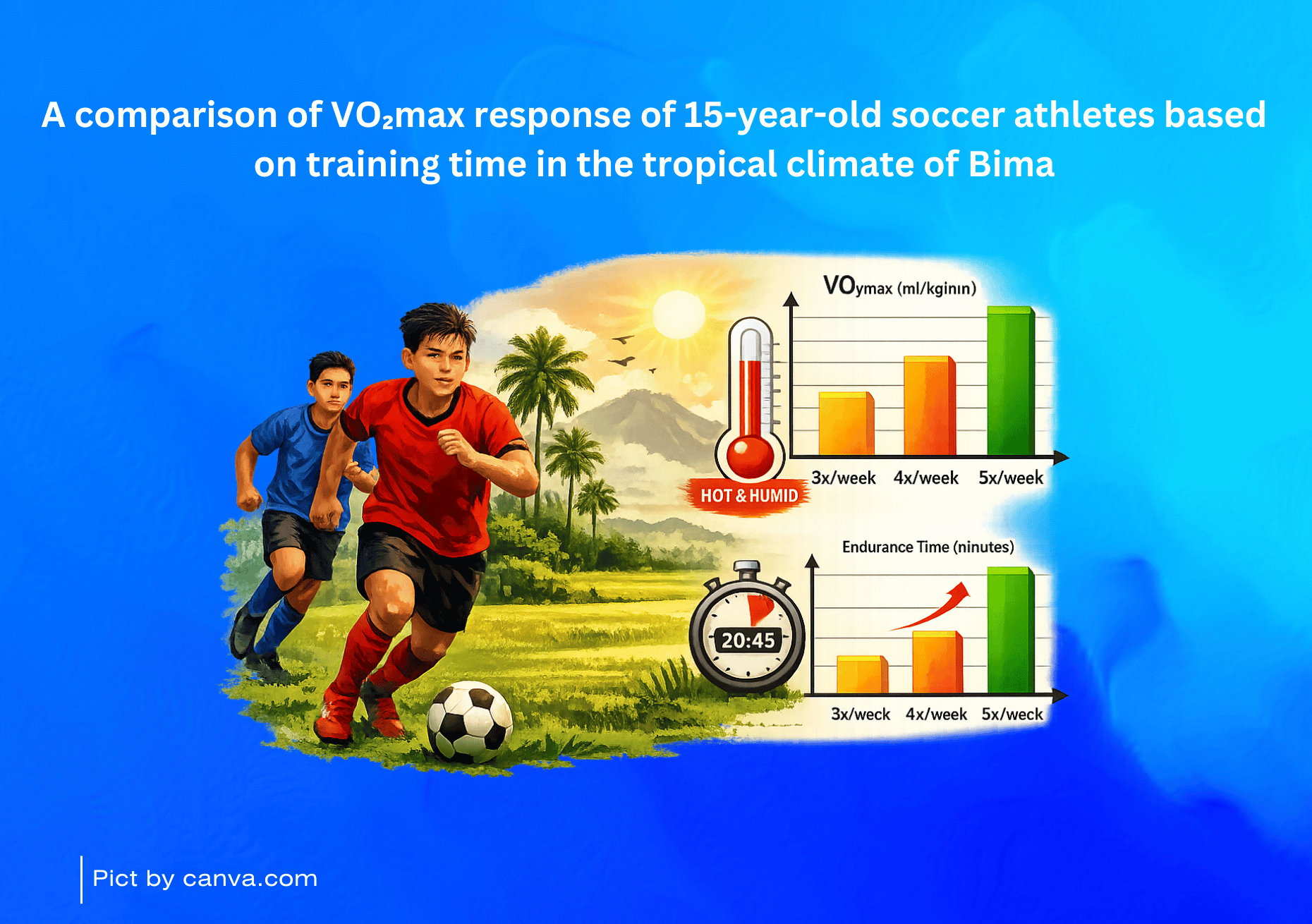
A comparison of VO₂max response of 15-year-old soccer athletes based on training time in the tropical climate of Bima
Firdaus Firdaus1, Taty Hartati2, Rabwan Satriawan3, Shutan Arie Shandi4, Nor Fazila Abd Malek51. Department of Physical Education, STKIP Taman Siswa Bima , ID2. Department of History, STKIP Taman Siswa Bima , ID3. Department of Physical Education, STKIP Taman Siswa Bima , ID4. Department of Physical Education, STKIP Taman Siswa Bima , ID5. Faculty of Sports Science and Coaching, Sultan Idris Education University , MY2026-04-14|page 125-134AbstractBackground: VO₂max is the primary indicator of a soccer athlete's aerobic capacity, but in tropical climates like Bima, high temperatures and humidity can affect VO₂max achievement. Hence, the timing of training is an important factor to consider.
Objectives: This study aims to analyze differences in VO₂max across training times (morning and afternoon) in 15-year-old youth soccer athletes from the Bima Football Association (PERSSEBI).
Methods: The study used a quantitative, comparative, cross-sectional observational design. The study subjects were 45 athletes (age 15.31±0.46; height 163.12±4.35 cm; weight 55.28±3.67 kg; and body mass index (BMI) 20.78±1.18 kg/m²) from the Bima Football Association (PERSEBI), selected by purposive sampling, and divided into morning (n=23) and afternoon (n=22) training groups. VO₂max was measured using a multistage fitness test (Bleep Test). Data analysis included descriptive statistics, the Shapiro–Wilk normality test, the Levene homogeneity test, and the independent-samples t-test at a significance level of 0.05, using IBM SPSS 25.
Results: The descriptive analysis showed that the average VO₂max of the morning group was 43.78 ± 2.34 ml/kg/minute, higher than that of the afternoon group (42.91 ± 2.29 ml/kg/minute). The results of the independent sample t-test showed that there was a significant difference in VO₂max between the two groups with a t value = 2.14 with df = 43 and a significant p value = 0.04 (p < 0.05) with an average difference of 0.87 ml/kg/minute indicating that the morning exercise group had a higher Vo2max value than the afternoon exercise group.
Conclusions: These findings suggest that training time contributes to differences in athletes' VO₂max values in tropical environments, with morning training resulting in higher performance than afternoon training. Therefore, scheduling training that accounts for environmental conditions is crucial for optimizing athletes' VO₂max.
APA Citation StyleFirdaus, F. , Hartati, T. , Satriawan, R. , Shandi, S. A. , & Malek, N. F. A. (2026). A comparison of VO₂max response of 15-year-old soccer athletes based on training time in the tropical climate of Bima. Physical Education and Sports: Studies and Research, 125-134. https://doi.org/10.56003/pessr.v5i1.709 -
Improving physical self-perception and health-related fitness through gamification in physical education: A cluster randomized controlled trial
Ferdinando Cereda11. The Catholic University of the Sacred Heart in Milan , IT2026-03-08|page 7-27AbstractBackground: The global decline in adolescent physical activity necessitates pedagogical innovation to counter disengagement. Traditional norm-referenced physical education (PE) often alienates less skilled students, whereas gamification offers a promising criterion-referenced strategy to enhance motivation and learning.
Objectives: This study investigated the efficacy of a 12-week gamified didactic intervention on perceived physical self-concept, health-related fitness, and physical activity enjoyment among high school students.
Methods: A two-arm, parallel-group, cluster randomized controlled trial (Cluster-RCT) was conducted with 210 Italian adolescents (mean age 15.4 ± 0.9 years) nested within 10 intact classes (average cluster size = 21). Intact classes were randomised to an experimental group (gamified ‘MoveQuest’ module, k = 5) or a control group (traditional direct instruction, k = 5). Data were collected using the Revised Physical Self-Perception Profile (PSPP-R-IT), the ALPHA-FIT test battery, and the Physical Activity Enjoyment Scale (PACES). Following a per-protocol analytical approach, Linear mixed models (LMMs) were employed to analyse the data, accounting for the nested structure of the educational setting and handling cluster-level variance intraclass correlation coefficients (ICCs). Significance levels were interpreted considering the multiplicity of outcomes.
Results: Significant group × time interactions were observed, with the gamified group demonstrating superior improvements in sports competence (d = 0.65), physical self-worth (d = 0.58), and enjoyment (d = 0.82) compared to the control group. Physiologically, the experimental group showed significantly greater gains in cardiorespiratory fitness (V̇O₂ max) and agility, while body attractiveness remained stable in both groups.
Conclusions: Gamified didactics significantly enhance psychological engagement and specific motor performance parameters by prioritising individual progress over social comparison. This approach represents a valuable pedagogical tool for fostering physical literacy in secondary PE.APA Citation StyleCereda, F. (2026). Improving physical self-perception and health-related fitness through gamification in physical education: A cluster randomized controlled trial. Physical Education and Sports: Studies and Research, 7-27. https://doi.org/10.56003/pessr.v5i1.677 -

Correlation Between Blood Lactate and Salivary Biomarkers During Exercise in Women with Hypothyroidism Treated With L-Thyroxine
Romeu Paulo Martins Silva1, Alexandre Gonçalves2, Carolina Freitas da Silva3, Miguel Júnior Sordi Bortolini4, Elmiro Santos Resende5, Luis Carlos Oliveira Gonçalves6, Aníbal Monteiro de Magalhães-Neto7, Foued Salmen Espindola81. Federal University of Catalão, Brazil , BR2. IMEPAC University Center, Araguari - MG, 38444-128, Brazil , BR3. Federal University of Acre, Rio Branco - AC, 69920-900, Brazil , BR4. Federal University of Acre, Rio Branco - AC, 69920-900, Brazil , BR5. Federal University of Uberlandia - MG, 38405-320, Brazil , BR6. Federal University of Mato Grosso - MT, 78060-900, Brazil , BR7. Federal University of Mato Grosso - MT, 78060-900, Brazil , BR8. Federal University of Uberlandia - MG, 38405-320, Brazil , BR2024-05-05|page 57-76AbstractBackground: Hypothyroidism reduces circulating levels of thyroid hormones metabolic enzymatic activities, and the skeletal muscle's work capacity and lactatemia increase during exertion.
Objectives: To analyze salivary biomarkers and blood lactate obtained in exercise stages through exhaustion and investigate their correlation.
Methods: Eight females attended the University Clinical Hospital who showed a condition of subclinical hypothyroidism. Before they began replacing with L-thyroxine, they were submitted to an ergometric test to check their tolerance to effort. Eight weeks after treatment, all volunteers were again submitted to lab and ergometric tests. Saliva and blood were collected to determine total protein, nitric oxide, IgA, lactate, and lipid profile.
Results: The present study identified a correlation (0.8), so the behavior of the blood lactate could explain the behavior of the salivary of total proteins by 74.22% (R2 = 0.7422). Lactate production was minimized when women underwent L-thyroxine treatment in the first six stages of exercise. Still, total salivary proteins increased for pharmacotherapy between stages 1 and 8. While salivary nitric oxide had a percentage variation between pre- and post-exercise times of 96% before the start of treatment when the same exercise was performed after eight weeks of treatment with L-Thyroxine, this variation was 150%.
Conclusion: The measurement of STP is an essential marker of stress, and it is highly correlated with the most used blood marker, lactate. Regarding treatment with L-Thyroxine in women with subclinical hypothyroidism, after eight weeks of this therapy, it was possible to observe a reduction in blood lactate production after the incremental load test on a cycle ergometer, accompanied by a reduction in the concentration of SA. SNO and SIgA tended to increase in women undergoing treatment, and this treatment should be considered in subsequent studies as causing a different effect on these markers.
APA Citation StyleSilva, R. P. M. , Gonçalves, A. , Silva, C. F. D. , Bortolini, M. J. S. , Resende, E. S. , Gonçalves, L. C. O. , Magalhães-Neto, A. M. D. , & Espindola, F. S. (2024). Correlation Between Blood Lactate and Salivary Biomarkers During Exercise in Women with Hypothyroidism Treated With L-Thyroxine. Physical Education and Sports: Studies and Research, 57-76. https://doi.org/10.56003/pessr.v3i1.346 -

A Study on the Impact of Various Motor Fitness Characteristics on Performing Ability in High and Low-Performing Divisional Women Cricket Players
Farjana Akter Boby11. Jashore University of Science & Technology , BD2023-04-26|page 44-58AbstractBackground: Motor fitness has a big impact on the cricket performance pyramid.
Objectives: The research concentrates on certain motor fitness components to improve playing competency in both high- and low-performing Divisional women cricket players.
Methods: For this study, 36 female players were randomly selected as subjects from the Bangladesh Women's National Cricket League held in Sylhet in 2022-23. They ranged in age from 16 to 27 years. Three equal groups of twelve people each were formed from the chosen subjects. Khulna, Sylhet, and Dhaka teams were represented by Group I, Group II, and Group III, respectively. Regular exercises and training were provided to enhance the player's performance in the game. Our research scholar additionally prepared the questionnaires with the help of the literature review. The researcher reported the following motor fitness factors: explosive leg power, speed, agility, and cardiovascular endurance. The generated data were gathered during the competition and statistically evaluated after the competition by applying ANOVA and Post Hoc Test (Tukey HSD). The researcher used the statistical software package SPSS version 26 for data analysis.
Results: The results of the study showed that there were significant differences in motor fitness characteristics between high and low-performing Divisional women cricket players. High-performing players had significantly better scores on cardiovascular endurance (p=.000), explosive leg power (p=.013), speed (p=.002), and agility (p=.000) than low-performing players. The Champion Team (Sylhet) of the league was discovered to be more successful than other teams in achieving high-level performance.
Conclusion The study concluded that to execute the best gaming plan, playing skill exclusively depends on physical condition and a stress-free mind. The study highlights the importance of motor fitness characteristics in cricket performance. The findings may have implications for developing training programs tailored to improve specific motor fitness characteristics for players at different performance levels.
APA Citation StyleBoby, F. A. (2023). A Study on the Impact of Various Motor Fitness Characteristics on Performing Ability in High and Low-Performing Divisional Women Cricket Players. Physical Education and Sports: Studies and Research, 44-58. https://doi.org/10.56003/pessr.v2i1.179 -
Predictors of cardiorespiratory endurance in martial arts athletes: A path analysis of body composition, hemoglobin, and motivation
Novanto Ponco Nugroho 1, Dani Nur Riyadi2, Aridhotul Haqiyah31. Universitas Islam 45 Bekasi , ID2. Universitas Islam 45 Bekasi , ID3. Universitas Islam 45 Bekasi , ID2025-07-01|page 83-94AbstractBackground: Cardiorespiratory endurance is vital to athletic performance, particularly in sports requiring sustained physical exertion such as martial arts.
Objectives: This study examined the predictive roles of body composition (BMI), hemoglobin concentration, and motivation on cardiorespiratory endurance among university-level martial arts athletes.
Methods: Using a quantitative path analysis design, data were collected from 20 purposively selected martial arts athletes who regularly trained. Cardiorespiratory endurance was assessed via the multistage fitness test, BMI was calculated using standard anthropometric measures, hemoglobin was measured using the Harenz scale, and motivation was evaluated with a validated Likert-scale questionnaire.
Results: The analysis showed that BMI (ρ = 0.705, t = 3.071, p = 0.007) and hemoglobin concentration (ρ = 0.946, t = 4.672, p < 0.001) had significant positive effects on cardiorespiratory endurance. Motivation, however, did not have a significant direct effect (ρ = 0.087, t = 0.853, p = 0.203). Additionally, BMI correlated positively with both hemoglobin (ρ = 0.923, p < 0.001) and motivation (ρ = 0.670, p = 0.034), suggesting indirect effects through physiological mechanisms.
Conclusions: The findings underscore that physiological indicators, specifically BMI and hemoglobin, are more critical predictors of aerobic capacity than psychological factors like motivation in this athletic population. Due to sport-specific demands, these results may not be generalizable to non-martial arts athletes. Future studies should incorporate additional mediators such as training intensity and account for potential self-report bias in motivation assessments.
APA Citation StyleNugroho , N. P. , Riyadi, D. N. , & Haqiyah, A. (2025). Predictors of cardiorespiratory endurance in martial arts athletes: A path analysis of body composition, hemoglobin, and motivation. Physical Education and Sports: Studies and Research, 83-94. https://doi.org/10.56003/pessr.v4i2.559 -

Enhancing Students' Learning Performance in Physical Education Through the Use of a Mobile Application with Game-Based Learning Approach
Carla Jobelle Culajara11. Sta. Catalina National High School , PH2023-04-19|page 1-9AbstractBackground: In response to the transition of learning from confinement at home and now having in-person classes, being flexible to the needs of students must be innovative and creative to slowly get their attention and motivation to learn.
Objectives: The objective of the study is to determine the effect of the developed mobile application to students learning performance in Physical Education.
Methods: The researcher used quasi-experimental research design utilizing pretest and posttest. Purposive sampling was used to determine the participants consisting of 25 students under control group and 25 students under experimental group which were Grade 10 students in one of the secondary schools in the Philippines. JASP Software was used to analyze the data used in the study. The research instrument was validated by the Head Teacher and Master Teacher.
Results: Data revealed that the developed mobile application has a tremendous effect on students learning performance in Physical Education. It shows that the mean scores in the before utilization on the group using the developed mobile application in the students’ learning performance has a little knowledge on the lesson, while the mean scores of the two groups after utilization shows that it has a significant effect on the learning performances. It shows that the developed mobiled application has a substantial effect on students learning performance in Physical education.
Conclusion: The developed mobile application has a significant impact to the learning of the students in Physical education. This implies that the utilization of the technology in the teaching and learning process in physical education enhances the performance and ability of an individual.
APA Citation StyleCulajara, C. J. (2023). Enhancing Students' Learning Performance in Physical Education Through the Use of a Mobile Application with Game-Based Learning Approach. Physical Education and Sports: Studies and Research, 1-9. https://doi.org/10.56003/pessr.v2i1.178 -
Performance anxiety among student table tennis players
Yumna Wahyuningsih1, Ibnu Fatkhu Royana2, Galih Dwi Pradipta31. Universitas PGRI Semarang , ID2. Universitas PGRI Semarang , ID3. Universitas PGRI Semarang , ID2025-12-18|page 318-331AbstractBackground: Anxiety is a common psychological factor that significantly affects athletic performance, especially in competitive settings. Student-athletes face dual pressures from academic responsibilities and athletic commitments, making them vulnerable to performance anxiety that can impair focus, concentration, and decision-making.
Objectives: This study aims to analyze performance anxiety among table tennis athletes in the Student Activity Unit (UKM) of Universitas PGRI Semarang and to examine differences in performance evaluation outcomes based on sources from internal and external factors.
Methods: A comparative quantitative design with a cross-sectional approach was used. Fifty athletes participated (n=25 assessed by internal factors, n=25 assessed by external factors). Anxiety/performance was measured using a self-report questionnaire consisting of 15 Likert-scale items (1-5 scale) validated by three sport psychology experts. Data were analyzed using one-way ANOVA after confirming normality (Shapiro-Wilk test) and homogeneity (Levene's test).
Results: The internal group had a higher mean score (M = 3.64, SD = 0.86) compared to the external group (M = 3.07, SD = 0.86). ANOVA revealed a statistically significant difference, F(1,48) = 4.92, p = 0.031, η² = 0.093, with an estimated Cohen's d of approximately 0.66, indicating a medium effect size. These findings indicate that anxiety factors affect athletes' performance, with internal factors tending to score higher than external factors.
Conclusions: This study concludes that anxiety affects the performance of table tennis athletes in the Student Activity Unit (UKM) at Universitas PGRI Semarang. Specifically, internal factors such as self-confidence and perfectionism have been proven to have a greater impact than external factors.APA Citation StyleWahyuningsih, Y. , Royana, I. F. , & Pradipta, G. D. (2025). Performance anxiety among student table tennis players. Physical Education and Sports: Studies and Research, 318-331. https://doi.org/10.56003/pessr.v4i3.618 -
Enhancing locomotor skills in preschoolers through play jump rope
Nancy Trisari Schiff1, Andy Supriady21. Sekolah Tinggi Keguruan dan Ilmu Pendidikan (STKIP) Pasundan , ID2. Sekolah Tinggi Keguruan dan Ilmu Pendidikan (STKIP) Pasundan , ID2026-04-14|page 135-146AbstractBackground: Fundamental Motor Skills (FMS), particularly in the Locomotor Skills domain, are an essential prerequisite for lifelong physical participation. However, the dominance of a sedentary lifestyle threatens young children's mastery of these skills.
Objectives: This study aims to test and prove the effectiveness of the jump rope play intervention program in improving locomotor skills in 5–6-year-old children.
Methods: This research uses a quasi-experimental one-group pretest-posttest design. The sample consisted of 19 males and 11 females, for a total of 30 children. Locomotor skills are measured objectively using the Locomotor subtest of the Test of Gross Motor Development-2 (TGMD-2). The Jump Rope Game intervention was implemented in a structured manner over 8 weeks (3 sessions/week). The data were analyzed using the Paired-Samples T-Test.
Results: The research results show a highly significant improvement in locomotor skills scores after the intervention. The average score increased from 23.30 on the pretest to 27.87 on the posttest, reflecting a 19.61% increase. The paired-samples t-test yielded a p-value of 0.000 (p<0.05), confirming that the difference between the two measurements was statistically significant.
Conclusions: Jump rope games have proven to be an effective, efficient, and enjoyable intervention for significantly improving young children's locomotor skills. This research recommends integrating inexpensive, easily accessible play-based activities into the early childhood education curriculum as a practical strategy to support physical literacy and address basic movement deficits.
APA Citation StyleSchiff, N. T. , & Supriady, A. (2026). Enhancing locomotor skills in preschoolers through play jump rope. Physical Education and Sports: Studies and Research, 135-146. https://doi.org/10.56003/pessr.v5i1.652 -

Promoting gender responsiveness in teaching physical education
Ryan Cazel Lalog11. Batangas State University , PH2025-04-04|page 1-14AbstractBackground: Implementing gender policies in physical education at Batangas State University remains moderate, with challenges in ensuring gender-responsive and equitable activities for male and female students. Issues such as students' self-confidence, self-perception, and limited gender mainstreaming strategies and resources hinder the development of a more inclusive learning environment.
Objectives: This study examined gender policy implementation, the use of strategies and resources in various physical education activities, differences in male and female instructors' assessments, challenges in gender mainstreaming, and the development of gender-responsive activities.
Methods: A descriptive research method was used, collecting data from 105 university physical education instructors (77 males, 28 females) through a researcher-made survey questionnaire.
Results: Findings revealed that gender policies were moderately implemented (mean score: 3.47), while both male (3.67) and female (3.63) instructors highly utilized strategies and resources in physical fitness, rhythmic activities, individual and dual sports, and team sports. No significant differences were observed in male and female educators' assessments, indicating shared perspectives on gender mainstreaming.
Conclusions: The study emphasizes the need for more vigorous policy enforcement and improvements in sports-related content to enhance gender inclusivity. Addressing self-confidence, self-perception, and individual differences is crucial for fostering equitable learning experiences. Universities should provide continuous professional development for PE instructors on gender-sensitive teaching strategies. Future research should explore the long-term impact of gender-responsive approaches on student engagement, performance, and overall well-being in physical education.
APA Citation StyleLalog, R. C. (2025). Promoting gender responsiveness in teaching physical education. Physical Education and Sports: Studies and Research, 1-14. https://doi.org/10.56003/pessr.v4i1.392

1 - 23 of 23 items




















