
Search
Search Results
##search.searchResults.foundPlural##
-


Reclaiming the value of qualitative analysis in sports performance research
Spyridon Plakias11. Department of Physical Education and Sport Science, University of Thessaly , GR2026-03-03|page 1-6AbstractQuantitative metrics and technology-driven approaches have reshaped sports performance analysis (SPA), yet they risk overshadowing the equally vital contribution of qualitative methods. This opinion paper highlights the value of qualitative analysis in capturing the complexity, context, and meaning of player and team behaviors, elements that numbers alone cannot explain. Drawing on video-based evaluations, case studies, and narrative reconstructions, qualitative approaches provide insights into tactical, psychological, and interactional dimensions of performance that are indispensable for bridging the science–practice gap. By integrating qualitative and quantitative perspectives, SPA can achieve a more balanced and applicable paradigm, ensuring that scientific research remains relevant to real-world coaching and athlete development. This paper calls for a renewed recognition of qualitative methods as a central pillar of SPA and invites further scholarly contributions to this evolving discussion.
APA Citation StylePlakias, S. (2026). Reclaiming the value of qualitative analysis in sports performance research. Physical Education and Sports: Studies and Research, 1-6. https://doi.org/10.56003/pessr.v5i1.672 -

Determinants of athlete motivation and engagement in collegiate team sports: Toward a sports development framework
Teejay D. Panganiban1, Samboy Nabor21. Batangas State University TNEU JPLPC-Malvar , PH2. University of Perpetual Help System Dalta Las Piñas , PH2026-04-14|page 147-159AbstractBackground: Athlete motivation and sustained engagement are essential for retention in collegiate sports programs; however, the institutional and environmental factors that influence these outcomes remain underexplored.
Objectives: This study aimed to examine the determinants of athlete motivation and engagement in collegiate team sports using a Self-Determination Theory perspective, with engagement serving as a proxy for retention behavior.
Methods: A mixed-methods design was employed involving 75 collegiate student-athletes representing basketball, volleyball (men and women), baseball, and softball teams. Quantitative data were collected using a validated, researcher-developed questionnaire based on Self-Determination Theory and analyzed using descriptive statistics, Pearson's correlation, multiple regression, and Structural Equation Modeling (SEM). In contrast, qualitative data were analyzed using thematic analysis.
Results: Findings revealed that organizational commitment (M = 3.42) and environmental support (M = 3.47) were rated very high, while incentives and facilities were rated high. All program components were significantly associated with athlete engagement (p < .05). Regression analysis showed that environmental support (β = .36) and perceived support (β = .31) were the strongest predictors, explaining 68% of the variance (R² = 0.68). SEM results indicated a good model fit (CFI = 0.95; RMSEA = 0.061).
Conclusions: Qualitative findings highlighted intrinsic motivations, such as passion and belonging, as well as extrinsic motivators, including scholarships and rewards, alongside barriers, including financial delays, academic conflicts, and burnout. The study concludes that environmental and perceived support are the primary determinants of athlete engagement, emphasizing the critical role of competence-supportive environments in sustaining motivation and improving athlete retention.
APA Citation StylePanganiban, T. D. , & Nabor, S. (2026). Determinants of athlete motivation and engagement in collegiate team sports: Toward a sports development framework. Physical Education and Sports: Studies and Research, 147-159. https://doi.org/10.56003/pessr.v5i1.718 -
Associations between physical activity intensity and motor balance in elementary school students: A sequential explanatory mixed-methods study
Fahrurrohman Firdaus1, Indra Safari2, Rizal Ahmad Fauzi31. Indonesian University of Education , ID2. Indonesian University of Education , ID3. Indonesian University of Education , ID2026-04-01|page 47-56AbstractBackground: Children in primary school are becoming more sedentary due to advances in digital technology, which may reduce their physical activity levels. The development of motor skills, especially balance, which is an essential feature of children's motor abilities, can be impacted by a lack of physical activity.
Objectives: This study aimed to examine the association between physical activity intensity and motor balance in elementary school students.
Methods: This study used a sequential explanatory mixed-methods design. The quantitative phase involved 50 students selected using saturated sampling, while the qualitative phase involved teachers and students selected purposively. Physical activity intensity was measured using the Physical Activity Questionnaire for Older Children (PAQ-C), while motor balance was assessed using the Balance Beam Test. Quantitative data were analyzed using Spearman's rank correlation, and qualitative data were analyzed using thematic analysis in NVivo.
Results: With a correlation coefficient of r = 0.687 and p < 0.05, the analysis demonstrated a strong, substantial positive link between motor balance levels and physical activity intensity. The intensity of physical activity accounted for 47.2% of motor balance. Qualitative research revealed that students with high levels of physical activity were more likely to engage in active play, such as running outside, cycling, and soccer, which, in turn, indirectly improve balance and postural stability.
Conclusions: This study demonstrates that physical activity intensity plays an important role in the development of motor balance among elementary school students. These findings highlight the importance of integrating active movement-based learning strategies in physical education programs.
APA Citation StyleFirdaus, F. , Safari, I. , & Fauzi, R. A. (2026). Associations between physical activity intensity and motor balance in elementary school students: A sequential explanatory mixed-methods study. Physical Education and Sports: Studies and Research, 47-56. https://doi.org/10.56003/pessr.v5i1.706 -

A critical analysis of the disconnection between science and practice in weight training
Ferdinando Cereda11. The Catholic University of the Sacred Heart in Milan , IT2025-04-07|page 46-59AbstractBackground: Resistance training (RT) has emerged as a powerful tool for health promotion, with substantial scientific evidence supporting its beneficial effects across multiple physiological systems and psychological domains. Despite this robust knowledge base, a significant disconnection persists between scientific evidence and practical implementation in both clinical and everyday settings.
Objectives: This study aims to critically examine this science-practice gap by analyzing common misconceptions surrounding RT and proposing strategies to enhance knowledge translation.
Methods: Through a narrative review of scientific literature from PubMed, Scopus, and Google Scholar, the research synthesizes evidence regarding RT's scientifically validated benefits, prevalent myths, and effective communication approaches.
Results: Findings show a concerning lack of scientific awareness among practitioners and end-users. Persistent misconceptions, such as "RT reduces flexibility" and "plant-based proteins are inferior for muscle hypertrophy," continue to circulate despite contradictory evidence.
Conclusions: Improved scientific communication via targeted educational programs, digital platforms, and collaboration between researchers and policymakers is urgently needed to bridge this gap and maximize RT’s public health impact.
APA Citation StyleCereda, F. (2025). A critical analysis of the disconnection between science and practice in weight training. Physical Education and Sports: Studies and Research, 46-59. https://doi.org/10.56003/pessr.v4i1.499 -
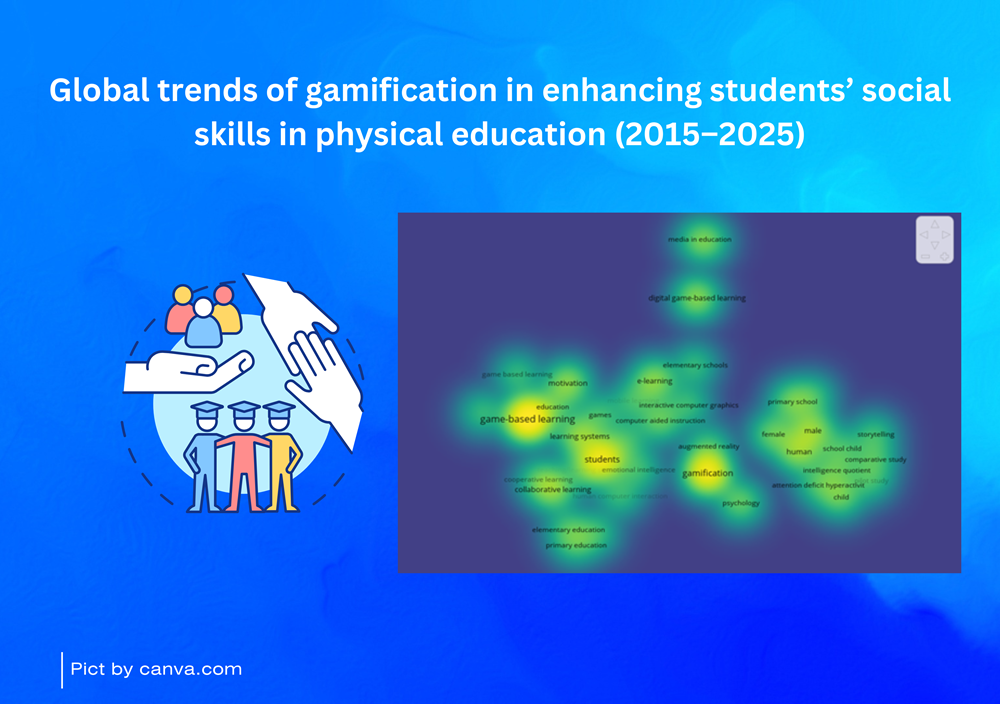
Global trends of gamification in enhancing students’ social skills in physical education (2015–2025)
Rajip Mustafillah Rusdiyanto1, Ari Wibowo Kurniawan21. State University of Malang , ID2. State University of Malang , ID2025-07-01|page 125-138AbstractBackground: The development of digital technology has triggered a more interactive learning transformation through gamification, namely using game elements to increase students' motivation, engagement, and social skills, such as cooperation, communication, empathy, and problem solving.
Objectives: This study aims to analyze global research trends on gamification in enhancing students' social skills, particularly in physical education, through a bibliometric analysis from 2015 to 2025.
Methods: This study employed a bibliometric design. Data were retrived from the Scopus database on April 22, 2025, using specific keywords: (gamification OR gamified learning OR game-base-based learning) AND ("physical education" OR "PE class" OR "sport education") AND (social skills" OR "social competence" OR "social interaction") AND (elementary school" OR "primary school" OR "midle school" OR "junior high school" OR "high school" OR "secondary school" From an initial 120 documents, 47 met the inclusion criteria. VOSViewer was used to analyze keyword co-occurrence, visualize trends, and identify thematic clusters by completely counting on all keywords with at least two documents per author.
Results: 47 relevant articles were identified, with publication peaking in 2020. Keyword analysis revealed five main thematic clusters: gamification in education, digital game-based learning, collaborative learning, emerging technologies, and motivation. The most frequent keywords were game-based learning (n=12), gamification (n=9), and students (n=8). The University of Patras emerged as the most productive institution, while the leading journal was the International Journal of Learning, Teaching and Educational Research.
Conclusions: Although research on gamification has grown significantly, its application in physical education remains underexplored. This study reveals a gap in leveraging gamification to develop students' social skills in physical education. Future research should focus on integrating gamification in this context while considering sociocultural and technological factors to ensure inclusive and effective implementation.
APA Citation StyleRusdiyanto, R. M. , & Kurniawan, A. W. (2025). Global trends of gamification in enhancing students’ social skills in physical education (2015–2025). Physical Education and Sports: Studies and Research, 125-138. https://doi.org/10.56003/pessr.v4i2.598 -
Improving physical self-perception and health-related fitness through gamification in physical education: A cluster randomized controlled trial
Ferdinando Cereda11. The Catholic University of the Sacred Heart in Milan , IT2026-03-08|page 7-27AbstractBackground: The global decline in adolescent physical activity necessitates pedagogical innovation to counter disengagement. Traditional norm-referenced physical education (PE) often alienates less skilled students, whereas gamification offers a promising criterion-referenced strategy to enhance motivation and learning.
Objectives: This study investigated the efficacy of a 12-week gamified didactic intervention on perceived physical self-concept, health-related fitness, and physical activity enjoyment among high school students.
Methods: A two-arm, parallel-group, cluster randomized controlled trial (Cluster-RCT) was conducted with 210 Italian adolescents (mean age 15.4 ± 0.9 years) nested within 10 intact classes (average cluster size = 21). Intact classes were randomised to an experimental group (gamified ‘MoveQuest’ module, k = 5) or a control group (traditional direct instruction, k = 5). Data were collected using the Revised Physical Self-Perception Profile (PSPP-R-IT), the ALPHA-FIT test battery, and the Physical Activity Enjoyment Scale (PACES). Following a per-protocol analytical approach, Linear mixed models (LMMs) were employed to analyse the data, accounting for the nested structure of the educational setting and handling cluster-level variance intraclass correlation coefficients (ICCs). Significance levels were interpreted considering the multiplicity of outcomes.
Results: Significant group × time interactions were observed, with the gamified group demonstrating superior improvements in sports competence (d = 0.65), physical self-worth (d = 0.58), and enjoyment (d = 0.82) compared to the control group. Physiologically, the experimental group showed significantly greater gains in cardiorespiratory fitness (V̇O₂ max) and agility, while body attractiveness remained stable in both groups.
Conclusions: Gamified didactics significantly enhance psychological engagement and specific motor performance parameters by prioritising individual progress over social comparison. This approach represents a valuable pedagogical tool for fostering physical literacy in secondary PE.APA Citation StyleCereda, F. (2026). Improving physical self-perception and health-related fitness through gamification in physical education: A cluster randomized controlled trial. Physical Education and Sports: Studies and Research, 7-27. https://doi.org/10.56003/pessr.v5i1.677 -
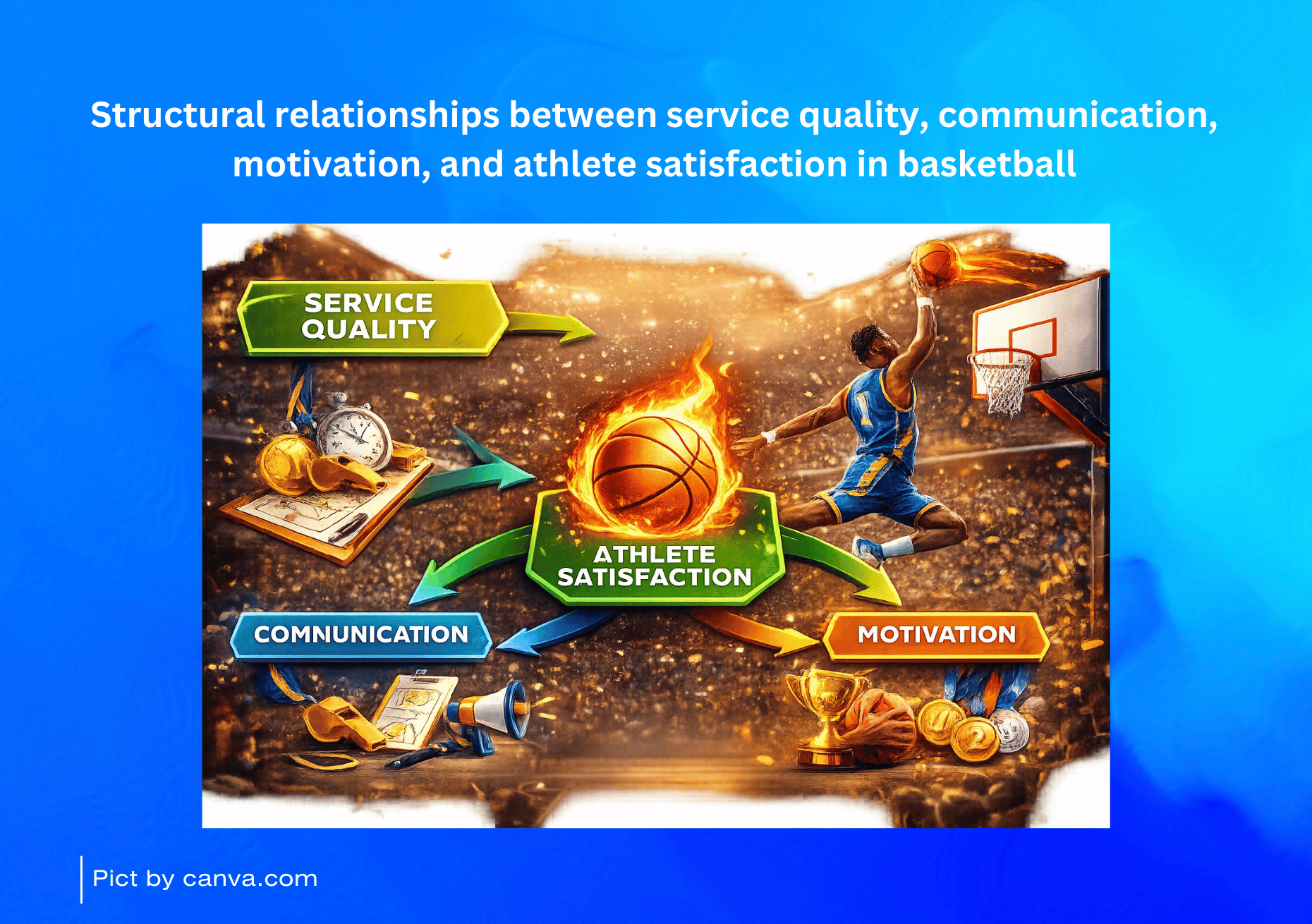
Structural relationships between service quality, communication, motivation, and athlete satisfaction in basketball Indonesia
Fajar Gumilang H.M1, Agung Nugroho2, Rumpis Agus Sudarko3, Fauzi Fauzi4, Fajar Sriwahyuniati51. Yogyakarta State University , ID2. Yogyakarta State University , ID3. Yogyakarta State University , ID4. Yogyakarta State University , ID5. Yogyakarta State University , ID2026-04-09|page 113-124AbstractBackground: Many basketball clubs aim to enhance athlete satisfaction through service quality, communication, and motivation; however, empirical evidence validating these factors as measurable constructs remains limited.
Objectives: This study examines whether these variables function as latent constructs influencing athlete satisfaction and validates their measurement structure using confirmatory factor analysis.
Methods: This study used a quantitative survey and included 263 basketball athletes from various clubs in Sidoarjo, comprising 110 males and 153 females. The participant characteristics focused on players still in the developmental stage who had been actively participating in club training programs for 3 to 6 months, with educational levels ranging from junior high school to college. Participants were selected using purposive sampling. Data were collected using a valid and reliable Likert-scale questionnaire and analyzed using Structural Equation Modeling (SEM) via AMOS 22.
Results: The results demonstrate that service quality (β=0.337, ????=0.000) and communication (β=0.439, ????=0.000) significantly enhance motivation. Furthermore, motivation significantly affects athlete satisfaction (β = 0.582, ???? = 0.000). Crucially, the analysis confirms that motivation mediates the relationship between service quality (indirect effect=0.139) and communication (indirect effect=0.240) on satisfaction.
Conclusions: Theoretically, this study confirms motivation as a vital psychological mediator linking managerial inputs to athlete satisfaction. In practice, the findings demonstrate that while high-quality physical facilities provide a necessary structural foundation, they must be integrated with effective, supportive coaching communication to optimally ignite athletes' intrinsic drive and maximize their overall club experience.APA Citation StyleH.M, F. G. , Nugroho, A. , Sudarko, R. A. , Fauzi, F. , & Sriwahyuniati, F. (2026). Structural relationships between service quality, communication, motivation, and athlete satisfaction in basketball: Indonesia. Physical Education and Sports: Studies and Research, 113-124. https://doi.org/10.56003/pessr.v5i1.691 -
A domain-specific peer-review checklist for sport science journals: Translating a conceptual framework into practice
Spyridon Plakias11. University of Thessaly , GR2026-08-01|page 172-181AbstractThe peer-review process plays a central role in ensuring the quality and credibility of scientific research; however, it remains characterized by variability, limited standardization, and a lack of domain-specific evaluation criteria. These limitations are particularly evident in sport science, a multidisciplinary field involving complex, context-dependent, and applied performance data. Although several guidelines for peer-review exist, they are often either generic or tailored to specific domains, limiting their applicability to sport science research. The aim of the present study was to develop a comprehensive, domain-specific reviewer checklist for sport science journals. Building on a previously proposed conceptual framework of publishable research, the checklist operationalizes key dimensions of manuscript evaluation into structured criteria, spanning editorial screening, conceptual foundation, methodological and analytical rigor, research transparency, scientific communication, and scientific and practical impact. In addition, the framework integrates both hierarchical and iterative elements of the peer-review process, conceptualizing manuscript evaluation as a cyclical process that begins and concludes with editorial decision-making. The proposed checklist provides a structured and contextually relevant tool to support reviewers in conducting more consistent and transparent evaluations, while assisting editors in decision-making and offering authors clearer expectations. Although not yet empirically validated, the proposed framework represents a step toward improving the quality, consistency, and contextual relevance of peer-review in sport science.
APA Citation StylePlakias, S. (2026). A domain-specific peer-review checklist for sport science journals: Translating a conceptual framework into practice. Physical Education and Sports: Studies and Research, 172-181. https://doi.org/10.56003/pessr.v5i2.741 -
Perceptions of the sports community toward gymnastics achievement in Semarang City
Unique Mierdha Denata Winarko1, Said Junaidi21. State University of Semarang , ID2. State University of Semarang , ID2026-01-05|page 355-362AbstractBackground: Gymnastics is a fundamental sport that supports physical fitness development and long-term athletic performance through complex physical demands such as strength, flexibility, balance, coordination, and explosive power. However, its development as an achievement sport often receives limited structural and institutional support at the local level.
Objectives: : This study aimed to analyze the perceptions of the sports community toward gymnastics achievements in Semarang City and to identify discrepancies between conceptual support and perceived developmental conditions.
Methods: A quantitative descriptive survey design was employed involving 60 respondents from the sports community, including sport science students, physical education teachers, and sports practitioners. Data were collected using a validated and reliable closed-ended questionnaire measuring three perception indicators: acceptance, understanding, and appraisal of gymnastics as an achievement sport. Responses were assessed using a four-point Likert scale. Data analysis was conducted using descriptive statistics alongside validity and reliability testing.
Results: Item-level analysis indicated positive perceptions, with mean scores ranging from 3.05 to 3.79, reflecting strong recognition of gymnastics’ value and potential. However, classification of total perception scores showed that 58.33% of respondents rated the current condition of gymnastics development as very poor. This contrast highlights a clear gap between conceptual appreciation and perceived realities, particularly regarding infrastructure availability, coaching quality, and competition opportunities.
Conclusions: The sports community in Semarang City demonstrates strong conceptual support for gymnastics as an achievement sport, yet perceives substantial limitations in its practical development. Strengthening facilities, coaching systems, and competitive structures is essential to transform positive perceptions into sustainable athletic performance.APA Citation StyleWinarko, U. M. D. , & Junaidi, S. (2026). Perceptions of the sports community toward gymnastics achievement in Semarang City. Physical Education and Sports: Studies and Research, 355-362. https://doi.org/10.56003/pessr.v4i3.609 -
Examining the mediating role of perceived psychosocial support in the relationship between sport grit and psychological well-being among high school student-athletes
Daphne Scott Fernandez1, Kahreen Lou Mondina21. Saint Louis College La Union,Saint Louis College La Union , PH2. Saint Louis College La Union,Saint Louis College La Union , PH2026-08-01|page 182-195AbstractBackground: Psychological well-being is essential for student-athletes because they must simultaneously cope with competitive sport demands and academic responsibilities. Although both sport grit and perceived psychosocial support have been associated with positive psychological outcomes, the mediating role of psychosocial support in the relationship between sport grit and psychological well-being remains insufficiently understood.
Objectives: This study examined whether perceived psychosocial support mediates the relationship between sport grit and psychological well-being among high school student-athletes.
Methods: A quantitative cross-sectional correlational design with a mediation analysis framework was employed. A total of 362 high school student-athletes from the first district of La Union, Philippines, participated using total enumeration sampling. Data were collected using standardized questionnaires assessing sport grit, psychological well-being, and perceived psychosocial support. Descriptive statistics, regression analysis, and bias-corrected bootstrap mediation analysis (5,000 resamples) were performed using JASP.
Results: Student-athletes reported high levels of sport grit, psychological well-being, and perceived psychosocial support. Sport grit significantly and positively predicted psychological well-being, whereas it did not significantly predict perceived psychosocial support. Perceived psychosocial support demonstrated a significant but negative association with psychological well-being. Furthermore, the indirect effect of sport grit on psychological well-being through perceived psychosocial support was not statistically significant, indicating the absence of a mediating effect.
Conclusions: Sport grit is an important direct psychological resource associated with psychological well-being among high school student-athletes. Although perceived psychosocial support contributes to athletes' psychological functioning, it does not explain the relationship between sport grit and psychological well-being. These findings highlight the importance of strengthening athletes' internal psychological resources while maintaining supportive sport environments.
APA Citation StyleFernandez, D. S. , & Mondina, K. L. (2026). Examining the mediating role of perceived psychosocial support in the relationship between sport grit and psychological well-being among high school student-athletes. Physical Education and Sports: Studies and Research, 182-195. https://doi.org/10.56003/pessr.v5i2.725 -

Unveiling the digital gym: A phenomenological dive into online physical education pedagogy
Princes Lloyda Peralta11. Saint Louis College , PH2025-04-04|page 15-31AbstractBackground: The COVID-19 pandemic necessitated a rapid shift to online learning, posing significant challenges for traditionally hands-on subjects like Physical Education (PE). Limited student engagement, digital accessibility issues, and the need for pedagogical adaptation became major concerns for PE instructors.
Objectives: This study aims to explore the lived experiences of PE instructors in adapting to online instruction, identifying the strategies, challenges, and innovations they employed to maintain instructional effectiveness.
Methods: A qualitative research design utilizing Interpretative Phenomenological Analysis (IPA) was adopted to gain deep insights into instructors’ experiences. Purposive sampling was used to select seven PE instructors from urban and rural institutions, ensuring diverse teaching contexts. Data were collected through semi-structured interviews, and thematic analysis was conducted to identify key adaptation strategies.
Results: Five major themes emerged from the findings: (1) Adaptation to Online Instruction, where instructors restructured their teaching approaches to accommodate digital platforms; (2) Effective Use of Digital Tools, emphasizing the role of online resources in enhancing instructional delivery; (3) Innovative Approaches to Engagement, detailing gamification techniques and interactive pedagogies; (4) Equitable Access Strategies, addressing disparities in internet connectivity and learning resources; and (5) Assessment of Success and Progress, highlighting novel evaluation methods tailored for online PE instruction. These themes collectively form the "Navigating Instructional Delivery Through Innovation, Technology, Engagement, and Equity" framework.
Conclusions: The study provides valuable insights into how PE instructors have innovatively adapted to online learning, ensuring student engagement and equitable access to education. The findings offer implications for policy-making, teacher training programs, and the future integration of technology in PE instruction. Future research should explore student perspectives and the long-term impact of digital PE on learning outcomes.
APA Citation StylePeralta, P. L. (2025). Unveiling the digital gym: A phenomenological dive into online physical education pedagogy. Physical Education and Sports: Studies and Research, 15-31. https://doi.org/10.56003/pessr.v4i1.474 -

An analysis of anxiety levels among volleyball athletes during a provincial inter-club tournament in Jakarta, Indonesia
Rea Rizkita Raga1, Yunita Lasma21. Universitas Islam 45 Bekasi , ID2. Universitas Islam 45 Bekasi , ID2025-07-27|page 175-185AbstractBackground: Competitive anxiety is a key psychological factor that can significantly affect an athlete's performance. In volleyball, high-pressure situations often lead to anxiety, potentially hindering players' ability to perform optimally.
Objectives: This study aims to assess the levels of anxiety experienced by volleyball athletes competing in the Special Capital Region Jakarta Inter-Club Provincial Championship.
Methods: A descriptive quantitative design was used, with data collected through a survey involving 70 volleyball athletes. The instrument used was a 35-item anxiety questionnaire categorized into two phases: before the match (18 items) and during the match (17 items). Responses were measured using a 5-point Likert scale. Validity testing confirmed all items were valid, and the instrument showed high reliability (α = 0.954), as analyzed using SPSS 23.
Results: During the match, 35.7% of athletes experienced high anxiety, while 64.3% showed low anxiety. Prior to the match, 44.3% reported high anxiety and 55.7% reported low anxiety. Overall, 36.6% of athletes showed high anxiety levels, while 61.4% displayed low levels. These results indicate that most athletes have relatively good emotional regulation abilities in competitive situations.
Conclusions: The study underscores the critical role of psychological readiness in athletic performance. Coaches and policymakers are encouraged to integrate structured mental training programs into athlete development. Future research should explore variables contributing to anxiety, such as playing position, competitive experience, and demographic factors like age and gender.
APA Citation StyleRaga, R. R. , & Lasma, Y. (2025). An analysis of anxiety levels among volleyball athletes during a provincial inter-club tournament in Jakarta, Indonesia. Physical Education and Sports: Studies and Research, 175-185. https://doi.org/10.56003/pessr.v4i2.605 -
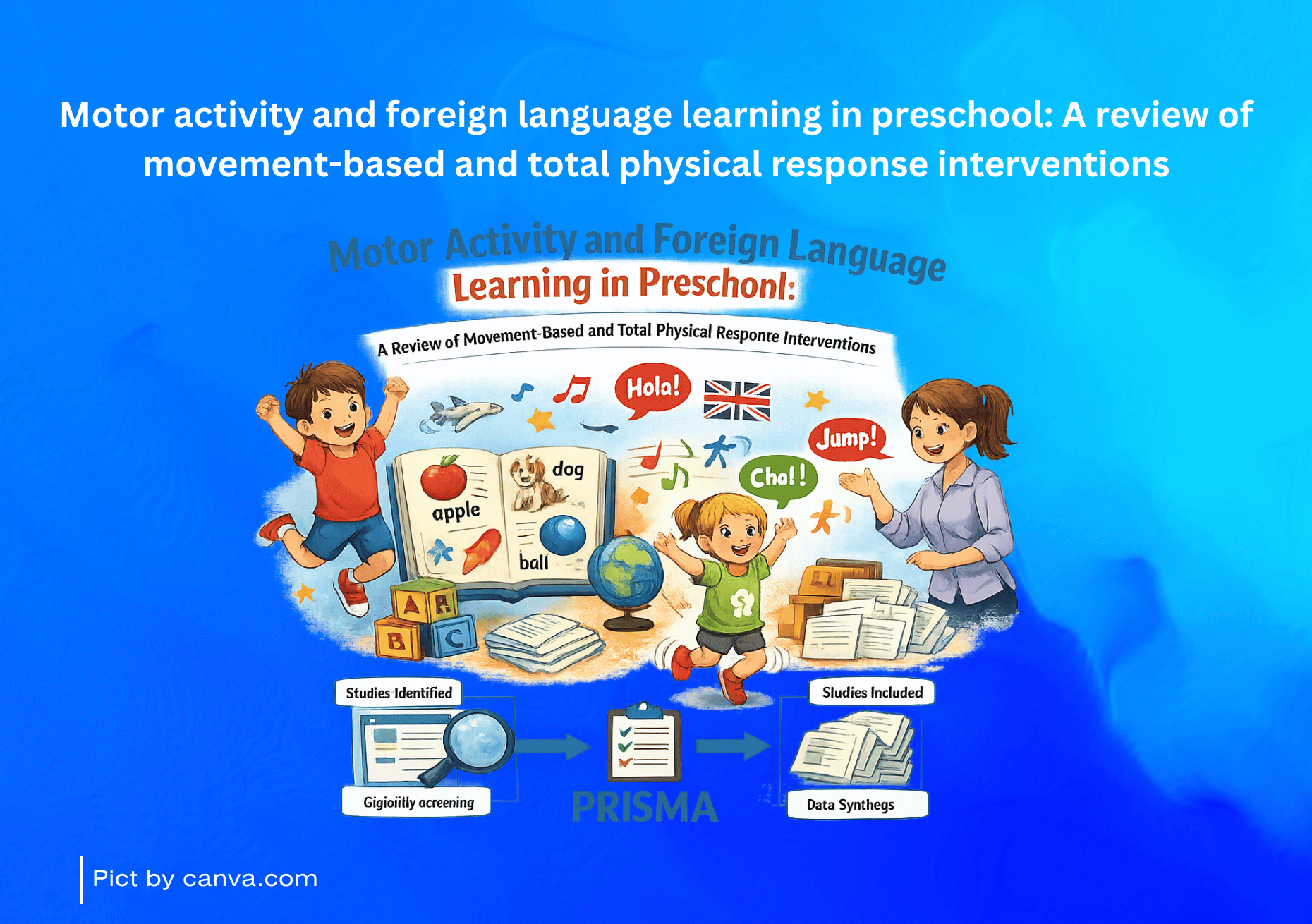
Motor activity and foreign language learning in preschool: A review of movement-based and total physical response interventions
Manuela Valentini1, Nausicaa Simone2, Alessandro Beretta31. Department of Humanities, University of Urbino Carlo Bo , IT2. Department of Humanities, University of Urbino Carlo Bo , IT3. Department of Humanities, University of Urbino Carlo Bo , IT2026-04-02|page 93-105AbstractBackground: Movement may support early foreign-language learning through embodied learning, but the preschool evidence base is fragmented.
Objective: To review empirical studies on movement-based and Total Physical Response (TPR) interventions for foreign-language learning in preschool children.
Method: This study employed a systematic review design based on PRISMA 2020 guidelines, involving database searches and citation tracking to identify empirical studies on movement-based and Total Physical Response (TPR) interventions in preschool foreign-language learning. Studies were screened using predefined eligibility criteria and appraised using the Mixed Methods Appraisal Tool (MMAT). Data from eligible studies were extracted and synthesized narratively due to methodological heterogeneity.
Results: Eight studies met the inclusion criteria. Across stronger controlled studies, semantically integrated movement generally produced more favorable vocabulary and verbal memory outcomes than sedentary teaching or less integrated movement. Evidence focused specifically on TPR was positive in terms of engagement and short-term learning, but methodologically heterogeneous and less robust.
Conclusion: Current preschool evidence supports the promise of integrated movement-based language teaching, particularly when movement is tightly aligned with instructional content. However, the evidence base remains small, largely limited to vocabulary-related outcomes, and further rigorous preschool trials are needed to clarify optimal implementation and the distinct contribution of TPR.APA Citation StyleValentini, M. , Simone, N. , & Beretta, A. (2026). Motor activity and foreign language learning in preschool: A review of movement-based and total physical response interventions. Physical Education and Sports: Studies and Research, 93-105. https://doi.org/10.56003/pessr.v5i1.694 -
Association between ADHD symptom severity and motor activity in preschool children: A cross-sectional study
Adnan Faris Naufal1, Chevanya Diva Titania Davinci2, Anida Azkia Fitri31. Department of Physiotherapy, Faculty of Health Science, Universitas Muhammadiyah Surakarta , ID2. Department of Physiotherapy, Faculty of Health Science, Universitas Muhammadiyah Surakarta , ID3. Department of Physiotherapy, Faculty of Health Science, Universitas Muhammadiyah Surakarta , ID2026-08-24|page 220-232AbstractBackground: Attention-deficit/hyperactivity disorder (ADHD) is a neurodevelopmental disorder characterized by inattention, hyperactivity, and impulsivity. Objective measurement of motor activity may complement parent-reported assessment of ADHD symptoms.
Objectives: This study aimed to examine the association between ADHD Rating Scale-5 scores and step counts, used as an objective indicator of motor activity, among children aged 4–6 years.
Methods: A cross-sectional observational study was conducted among 110 children aged 4–6 years selected through purposive sampling. ADHD symptoms were assessed using the parent-completed ADHD Rating Scale-5, while step counts were measured using a digital pedometer during a 15-minute school recess. Data normality was assessed using the Kolmogorov–Smirnov test. Pearson's product–moment correlation was used to examine the association between total ADHD Rating Scale-5 scores and step counts, whereas Spearman's rank correlation was used for the Inattention and Hyperactivity–Impulsivity domain scores.
Results: Total ADHD Rating Scale-5 scores showed a very strong positive correlation with step counts (r = .865, p < .001). At the domain level, Inattention scores showed a strong positive correlation with step counts (ρ = .756, p < .001), while Hyperactivity–Impulsivity scores showed a very strong positive correlation (ρ = .818, p < .001).
Conclusions: Higher ADHD symptom scores were strongly associated with higher motor activity, as indicated by step counts, among preschool children. Step-count measurement may provide a simple objective measure that complements parent-reported assessment of ADHD symptoms; however, it should not be interpreted as a diagnostic measure for ADHD.
APA Citation StyleNaufal, A. F. , Davinci, C. D. T. , & Fitri, A. A. (2026). Association between ADHD symptom severity and motor activity in preschool children: A cross-sectional study. Physical Education and Sports: Studies and Research, 220-232. https://doi.org/10.56003/pessr.v5i2.777 -

Weightlifting coaches' and athletes' understanding of injury prevention programs: a case study of Lumajang and Malang
Muhammad Izzan Atmagara1, Yulingga Nanda Hanief21. State University of Malang , ID2. State University of Malang , ID2025-09-21|page 222-235AbstractBackground: Weightlifting is a high-intensity sport with a high risk of injuries due to improper technique, insufficient warm-up, and excessive training loads.
Objectives: This study explores the understanding, strategies, and barriers of weightlifting coaches and athletes in Lumajang District and Malang City related to implementing injury prevention programs in performance sports.
Methods: This study used a qualitative case study approach. Participants were selected using purposive sampling, consisting of weightlifting coaches with at least one year of experience and athletes who had trained and competed at the regional level. Data were collected through interviews, observations, and document analysis, while data were analyzed using the Miles and Huberman model, including reduction, presentation, and conclusion.
Results: The results showed that coaches and athletes emphasized dynamic warm-ups, core and back strengthening exercises, and correct lifting techniques as the main strategies to prevent injuries. However, limitations in facilities, literature access, and training variety were identified as barriers to implementing optimal injury prevention programs.
Conclusions: This study concludes that effective injury prevention in weightlifting requires structured warm-up routines, individualized training programs, and adequate supporting equipment. Strengthening coaches’ knowledge and providing better facilities are crucial to minimize injuries and enhance athlete performance.APA Citation StyleAtmagara, M. I. , & Hanief, Y. N. (2025). Weightlifting coaches' and athletes' understanding of injury prevention programs: a case study of Lumajang and Malang. Physical Education and Sports: Studies and Research, 222-235. https://doi.org/10.56003/pessr.v4i2.601 -

Development and evaluation of an Android-based multimedia application to promote healthy lifestyles in physical education: A study at State Junior High School 29 Semarang
Galang Yusuf Pujiyanto1, Ibnu Fatkhu Royana2, Muh. Isna Nurdin Wibisana31. Universitas PGRI Semarang , ID2. Universitas PGRI Semarang , ID3. Universitas PGRI Semarang , ID2025-07-23|page 162-174AbstractBackground: The integration of interactive, technology-based media in Physical Education, particularly for teaching health-related content, remains limited despite its potential to enhance student engagement and learning outcomes.
Objectives: This study aims to address this gap by developing and evaluating the effectiveness of an Android-based multimedia learning application, "Healthy Habits," designed to support the delivery of healthy lifestyle materials in Physical Education, Sports, and Health (Physical Education) subjects at the junior high school level.
Methods: The research employed a research and development (R&D) approach, involving expert validation from media and content specialists and usability trials with teachers and students.
Results: Validation results indicated a "Good" rating from the material expert (average score: 4.05) and a "Very Good" rating from the media expert (average score: 4.24), confirming the application's content quality and technical feasibility. Teacher evaluations also yielded a "Good" rating (average score: 4.07). Student trials produced positive responses, with small group testing receiving a "Very Good" rating (average score: 3.29), which increased to 4.23 ("Very Good") in large group testing. An effectiveness test assessing cognitive, affective, and psychomotor learning outcomes showed an average score of 85.6%, categorized as "Very Good." These findings demonstrate the feasibility and effectiveness of "Healthy Habits" as a digital learning tool for promoting healthy lifestyles in secondary school students.
Conclusions: The application offers practical value for educators and curriculum developers seeking to integrate mobile technology into Physical Education. Future studies are encouraged to explore the implementation of this application in varied educational contexts and its potential integration across other subject areas.
APA Citation StylePujiyanto, G. Y. , Royana, I. F. , & Wibisana, M. I. N. (2025). Development and evaluation of an Android-based multimedia application to promote healthy lifestyles in physical education: A study at State Junior High School 29 Semarang. Physical Education and Sports: Studies and Research, 162-174. https://doi.org/10.56003/pessr.v4i2.607 -

Development and validation of a table tennis serve skill assessment instrument for junior high school students: A psychometric approach
Muhammad Aliffajaruddin Alfani1, M. E. Winarno2, Siti Nurrochmah31. State University of Malang , ID2. State University of Malang , ID3. State University of Malang , ID2025-07-01|page 95-102AbstractBackground: The highest assessment weight in physical education lessons lies in psychomotor skills. In order to find out how far the competencies possessed by students, a clear and comprehensive assessment tool or instrument is needed.
Objectives: The research aims to develop a test instrument for forehand and backhand service skills in table tennis small ball games.
Methods: The development of this instrument uses a research and development scheme, with predetermined steps (1) determining objectives, (2) analyzing literature, (3) developing specifications, (4) administering, (5) conducting tests, (6) analyzing data validity, reliability, and objectivity. The cluster sampling procedure was conducted on students aged 13-15 who met the inclusion criteria, involving junior high school students (n=80), consisting of 41 female students and 39 male students. Data were analyzed using IBM SPSS Statistics version 11.0. The basis for decision-making is the Pearson correlation test. The analysis technique in the reliability test uses a test and retest external estimation approach.
Results: The forehand serve variable has a calculated r-value of 0.456> r-table 0.312, and the backhand serve variable obtained a calculated R-value of 0.352> r-table 0.312, so the table tennis skill instrument on that variable was declared valid. At the same time, the reliability test shows a value above 0.70; the instrument that has been prepared can be declared reliable.
Conclusions: The assessment instrument for forehand and backhand serve skills in table tennis games for junior high school students has met the validity and reliability criteria. This shows that the instrument is suitable for teachers as an objective and consistent measuring tool in evaluating basic table tennis skills in students. Recommendations for future studies are encouraged to expand the sample size and integrate digital features to enhance the scalability and objectivity of the assessment.
APA Citation StyleAlfani, M. A. , Winarno, M. E. , & Nurrochmah, S. (2025). Development and validation of a table tennis serve skill assessment instrument for junior high school students: A psychometric approach. Physical Education and Sports: Studies and Research, 95-102. https://doi.org/10.56003/pessr.v4i2.525 -
Teaching personal and social responsibility: An analysis of TPSR-based behaviors in physical education
Rama Adha Septiana1, Tite Juliantine21. Indonesia University of Education , ID2. Indonesia University of Education , ID2025-12-30|page 332-343AbstractBackground: The rapid growth of online gaming among students has raised concerns regarding behavioral regulation, responsibility, and social interaction in educational contexts.
Objectives: This study aims to systematically review empirical research on the Teaching Personal and Social Responsibility (TPSR) model and student behavioral outcomes, and to explore its potential implications for online gaming and digital behavior contexts.
Methods: A literature review was conducted using SAGE Journals and Taylor & Francis Online databases, selected due to their strong coverage of peer-reviewed research relevant to physical education and pedagogy. The search covered publications from 2014 to 2024 using the keywords “TPSR” AND “student” AND “behavior” AND (“online game” OR “gaming”). Inclusion criteria were: (1) peer-reviewed international journal articles, (2) empirical or review studies addressing TPSR and student behavior, (3) student populations, and (4) publication within the last ten years. Articles that did not explicitly address TPSR-based behavioral outcomes were excluded. From 43 initial records, 4 articles met the inclusion criteria and were synthesized using narrative synthesis.
Results: The included studies primarily focused on TPSR implementation in physical education contexts, emphasizing behavioral responsibility, psychosocial mechanisms, and pedagogical approaches. Of the four studies, two employed quasi-experimental designs, one used survey methods, and one adopted a literature review approach. Overall, the findings indicate that TPSR-based learning is associated with improvements in personal and social responsibility, positive behavior regulation, and supportive learning climates, although direct evidence linking TPSR to online gaming behavior remains limited.
Conclusions: The findings suggest that TPSR offers a promising pedagogical framework for fostering responsible behavior and social regulation among students in the digital era.APA Citation StyleSeptiana, R. A. , & Juliantine, T. (2025). Teaching personal and social responsibility: An analysis of TPSR-based behaviors in physical education. Physical Education and Sports: Studies and Research, 332-343. https://doi.org/10.56003/pessr.v4i3.647 -

Promoting gender responsiveness in teaching physical education
Ryan Cazel Lalog11. Batangas State University , PH2025-04-04|page 1-14AbstractBackground: Implementing gender policies in physical education at Batangas State University remains moderate, with challenges in ensuring gender-responsive and equitable activities for male and female students. Issues such as students' self-confidence, self-perception, and limited gender mainstreaming strategies and resources hinder the development of a more inclusive learning environment.
Objectives: This study examined gender policy implementation, the use of strategies and resources in various physical education activities, differences in male and female instructors' assessments, challenges in gender mainstreaming, and the development of gender-responsive activities.
Methods: A descriptive research method was used, collecting data from 105 university physical education instructors (77 males, 28 females) through a researcher-made survey questionnaire.
Results: Findings revealed that gender policies were moderately implemented (mean score: 3.47), while both male (3.67) and female (3.63) instructors highly utilized strategies and resources in physical fitness, rhythmic activities, individual and dual sports, and team sports. No significant differences were observed in male and female educators' assessments, indicating shared perspectives on gender mainstreaming.
Conclusions: The study emphasizes the need for more vigorous policy enforcement and improvements in sports-related content to enhance gender inclusivity. Addressing self-confidence, self-perception, and individual differences is crucial for fostering equitable learning experiences. Universities should provide continuous professional development for PE instructors on gender-sensitive teaching strategies. Future research should explore the long-term impact of gender-responsive approaches on student engagement, performance, and overall well-being in physical education.
APA Citation StyleLalog, R. C. (2025). Promoting gender responsiveness in teaching physical education. Physical Education and Sports: Studies and Research, 1-14. https://doi.org/10.56003/pessr.v4i1.392

1 - 19 of 19 items




















