
Search
Search Results
##search.searchResults.foundPlural##
-


Development and evaluation of an Android-based multimedia application to promote healthy lifestyles in physical education: A study at State Junior High School 29 Semarang
Galang Yusuf Pujiyanto1, Ibnu Fatkhu Royana2, Muh. Isna Nurdin Wibisana31. Universitas PGRI Semarang , ID2. Universitas PGRI Semarang , ID3. Universitas PGRI Semarang , ID2025-07-23|page 162-174AbstractBackground: The integration of interactive, technology-based media in Physical Education, particularly for teaching health-related content, remains limited despite its potential to enhance student engagement and learning outcomes.
Objectives: This study aims to address this gap by developing and evaluating the effectiveness of an Android-based multimedia learning application, "Healthy Habits," designed to support the delivery of healthy lifestyle materials in Physical Education, Sports, and Health (Physical Education) subjects at the junior high school level.
Methods: The research employed a research and development (R&D) approach, involving expert validation from media and content specialists and usability trials with teachers and students.
Results: Validation results indicated a "Good" rating from the material expert (average score: 4.05) and a "Very Good" rating from the media expert (average score: 4.24), confirming the application's content quality and technical feasibility. Teacher evaluations also yielded a "Good" rating (average score: 4.07). Student trials produced positive responses, with small group testing receiving a "Very Good" rating (average score: 3.29), which increased to 4.23 ("Very Good") in large group testing. An effectiveness test assessing cognitive, affective, and psychomotor learning outcomes showed an average score of 85.6%, categorized as "Very Good." These findings demonstrate the feasibility and effectiveness of "Healthy Habits" as a digital learning tool for promoting healthy lifestyles in secondary school students.
Conclusions: The application offers practical value for educators and curriculum developers seeking to integrate mobile technology into Physical Education. Future studies are encouraged to explore the implementation of this application in varied educational contexts and its potential integration across other subject areas.
APA Citation StylePujiyanto, G. Y. , Royana, I. F. , & Wibisana, M. I. N. (2025). Development and evaluation of an Android-based multimedia application to promote healthy lifestyles in physical education: A study at State Junior High School 29 Semarang. Physical Education and Sports: Studies and Research, 162-174. https://doi.org/10.56003/pessr.v4i2.607 -

Integrity in the age of AI: navigating authorship, accountability and ethical publishing
Yulingga Nanda Hanief11. State University of Malang , ID2026-04-03|page 106-112AbstractThe rapid emergence of generative artificial intelligence (AI) is reshaping the landscape of academic writing and scholarly publishing, offering both opportunities and ethical challenges. This editorial reflects on the growing implications of AI-assisted authorship, particularly regarding authorship, accountability, and research integrity. While AI tools can improve clarity and accessibility, their misuse raises concerns about the erosion of critical thinking and the reliability of scientific results.
A key issue highlighted in this discussion is the increasing incidence of false or unverifiable references generated through AI-assisted processes. These practices threaten the credibility of scholarly communication and increase the burden on editors and reviewers. In response, this editorial emphasizes the importance of responsible AI use, transparency in authorship, and rigorous source verification.
Furthermore, the article outlines the journal's commitment to maintaining high standards of quality and ethical publishing. This includes strengthening editorial policies, promoting integrity in manuscript preparation, and encouraging accountability among authors. The editorial also calls on the academic community to adopt responsible practices in the use of emerging technologies.
In line with international publishing standards, this editorial is designed to provide critical perspectives, articulate editorial responsibilities, and offer a forward-looking stance on ethical scientific communication. Ultimately, maintaining trust and credibility in the AI era requires a collective commitment to transparency, rigor, and integrity at every stage of the publication process.
APA Citation StyleHanief, Y. N. (2026). Integrity in the age of AI: navigating authorship, accountability and ethical publishing. Physical Education and Sports: Studies and Research, 106-112. https://doi.org/10.56003/pessr.v5i1.720 -
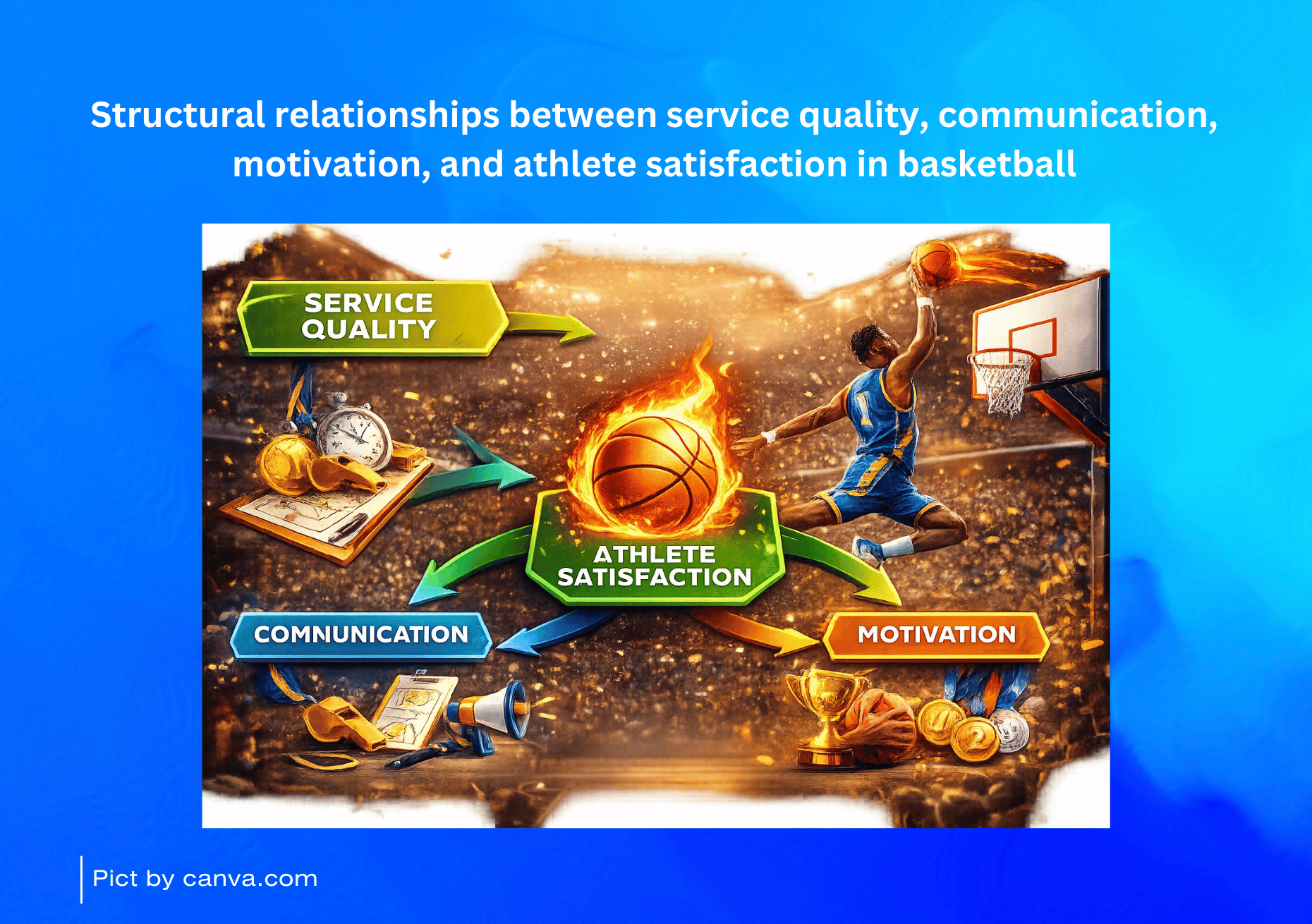
Structural relationships between service quality, communication, motivation, and athlete satisfaction in basketball Indonesia
Fajar Gumilang H.M1, Agung Nugroho2, Rumpis Agus Sudarko3, Fauzi Fauzi4, Fajar Sriwahyuniati51. Yogyakarta State University , ID2. Yogyakarta State University , ID3. Yogyakarta State University , ID4. Yogyakarta State University , ID5. Yogyakarta State University , ID2026-04-09|page 113-124AbstractBackground: Many basketball clubs aim to enhance athlete satisfaction through service quality, communication, and motivation; however, empirical evidence validating these factors as measurable constructs remains limited.
Objectives: This study examines whether these variables function as latent constructs influencing athlete satisfaction and validates their measurement structure using confirmatory factor analysis.
Methods: This study used a quantitative survey and included 263 basketball athletes from various clubs in Sidoarjo, comprising 110 males and 153 females. The participant characteristics focused on players still in the developmental stage who had been actively participating in club training programs for 3 to 6 months, with educational levels ranging from junior high school to college. Participants were selected using purposive sampling. Data were collected using a valid and reliable Likert-scale questionnaire and analyzed using Structural Equation Modeling (SEM) via AMOS 22.
Results: The results demonstrate that service quality (β=0.337, ????=0.000) and communication (β=0.439, ????=0.000) significantly enhance motivation. Furthermore, motivation significantly affects athlete satisfaction (β = 0.582, ???? = 0.000). Crucially, the analysis confirms that motivation mediates the relationship between service quality (indirect effect=0.139) and communication (indirect effect=0.240) on satisfaction.
Conclusions: Theoretically, this study confirms motivation as a vital psychological mediator linking managerial inputs to athlete satisfaction. In practice, the findings demonstrate that while high-quality physical facilities provide a necessary structural foundation, they must be integrated with effective, supportive coaching communication to optimally ignite athletes' intrinsic drive and maximize their overall club experience.APA Citation StyleH.M, F. G. , Nugroho, A. , Sudarko, R. A. , Fauzi, F. , & Sriwahyuniati, F. (2026). Structural relationships between service quality, communication, motivation, and athlete satisfaction in basketball: Indonesia. Physical Education and Sports: Studies and Research, 113-124. https://doi.org/10.56003/pessr.v5i1.691 -
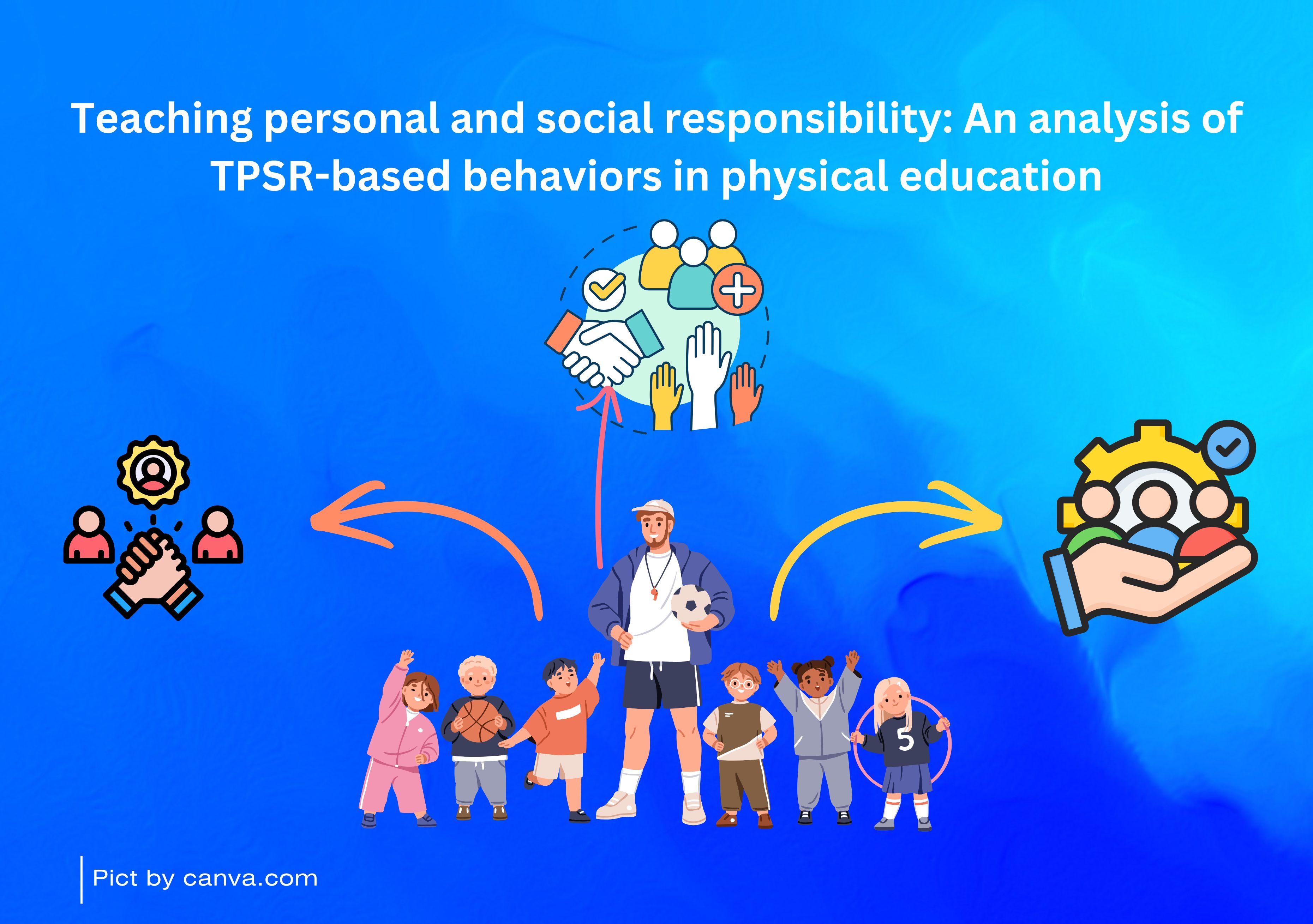
Teaching personal and social responsibility: An analysis of TPSR-based behaviors in physical education
Rama Adha Septiana1, Tite Juliantine21. Indonesia University of Education , ID2. Indonesia University of Education , ID2025-12-30|page 332-343AbstractBackground: The rapid growth of online gaming among students has raised concerns regarding behavioral regulation, responsibility, and social interaction in educational contexts.
Objectives: This study aims to systematically review empirical research on the Teaching Personal and Social Responsibility (TPSR) model and student behavioral outcomes, and to explore its potential implications for online gaming and digital behavior contexts.
Methods: A literature review was conducted using SAGE Journals and Taylor & Francis Online databases, selected due to their strong coverage of peer-reviewed research relevant to physical education and pedagogy. The search covered publications from 2014 to 2024 using the keywords “TPSR” AND “student” AND “behavior” AND (“online game” OR “gaming”). Inclusion criteria were: (1) peer-reviewed international journal articles, (2) empirical or review studies addressing TPSR and student behavior, (3) student populations, and (4) publication within the last ten years. Articles that did not explicitly address TPSR-based behavioral outcomes were excluded. From 43 initial records, 4 articles met the inclusion criteria and were synthesized using narrative synthesis.
Results: The included studies primarily focused on TPSR implementation in physical education contexts, emphasizing behavioral responsibility, psychosocial mechanisms, and pedagogical approaches. Of the four studies, two employed quasi-experimental designs, one used survey methods, and one adopted a literature review approach. Overall, the findings indicate that TPSR-based learning is associated with improvements in personal and social responsibility, positive behavior regulation, and supportive learning climates, although direct evidence linking TPSR to online gaming behavior remains limited.
Conclusions: The findings suggest that TPSR offers a promising pedagogical framework for fostering responsible behavior and social regulation among students in the digital era.APA Citation StyleSeptiana, R. A. , & Juliantine, T. (2025). Teaching personal and social responsibility: An analysis of TPSR-based behaviors in physical education. Physical Education and Sports: Studies and Research, 332-343. https://doi.org/10.56003/pessr.v4i3.647 -

The relationship between limb length and lower-limb explosive power on squat-style long jump performance in junior secondary students
Karina Octaviani1, Siti Nurrochmah21. State University of Malang , ID2. State University of Malang , ID2025-07-01|page 103-114AbstractBackground: To determine the relationship between leg length and leg muscle explosive power with squat style long jump performance applied to junior high school students.
Objectives: This study examines the relationship between leg length, leg muscle explosive power, and the ability to jump squatting style long.
Methods: The method used is a quantitative descriptive design with a correlational study. The study population amounted to 60 male students in class VIII. Sampling using the Purposive Proportional Systematic Random Sampling technique amounted to 45 students. The collected data were analyzed using three prerequisite tests: data normality test, homogeneity test, and linearity test. After fulfilling the prerequisite test requirements, it can be continued with 4 hypothesis tests, product moment test, multiple correlation test, regression equation line, and practical contribution and relative contribution.
Results: The data obtained using inferential statistics in multiple correlation analysis is complemented by multiple regression analysis. The results of the multiple correlation test obtained a coefficient = 0.687 and Sig. P = 0.001 < a = 0.05.
Conclusions: The study concludes a positive and linear relationship between leg length and leg muscle explosive power with squat-style long jump performance. Based on these findings, further research is recommended to explore additional variables such as speed, flexibility, and confidence, which may influence squat-style long jump performance.
APA Citation StyleOctaviani, K. , & Nurrochmah, S. (2025). The relationship between limb length and lower-limb explosive power on squat-style long jump performance in junior secondary students. Physical Education and Sports: Studies and Research, 103-114. https://doi.org/10.56003/pessr.v4i2.561 -

Fun game–based learning improves gross motor skills in early primary school children
Ahmad Muttaqin Darussalam1, Sugiharto Sugiharto2, Sapto Adi31. State University of Malang , ID2. State University of Malang , ID3. State University of Malang , ID2025-11-23|page 236-249AbstractBackground: Children who face difficulties in gross motor skill development may withdraw from physical activities, experience low self-esteem, and suffer from social anxiety. Physical education plays a vital role in fostering gross motor development, especially when delivered through enjoyable and engaging activities such as fun games.
Objectives: This study aimed to investigate the impact of fun game–based learning on the development of gross motor skills in early primary school children.
Methods: The study employed a quasi-experimental design with a non-equivalent control group. A total of 36 second-grade students from SDIT Mutiara Hati in Malang participated in this study. Participants were assigned to one of three groups: a control group, a group-based fun games intervention, and an individual-based fun games intervention. The interventions were implemented three times a week for 30 minutes over a period of seven weeks. Gross motor skills were measured before and after the intervention using the Test of Gross Motor Development–Third Edition (TGMD-3), a reliable and validated instrument. Data were analyzed using homogeneity and normality tests, paired-sample t-tests, one-way ANOVA, and Tukey's HSD post hoc tests, with a significance level set at p < 0.05 (SPSS version 25).
Results: Both the individual and group fun game–based learning interventions produced significant improvements in gross motor skills compared with the control group (p < 0.05). Moreover, a significant difference was found between the two intervention types, indicating that the mode of fun game delivery influences outcomes (p < 0.05).
Conclusions: Fun game–based learning, whether delivered individually or in groups, effectively enhances gross motor skills among early primary school children. Additionally, individual fun game–based learning demonstrated a significantly greater improvement compared to group-based learning.APA Citation StyleDarussalam, A. M. , Sugiharto, S. , & Adi, S. (2025). Fun game–based learning improves gross motor skills in early primary school children. Physical Education and Sports: Studies and Research, 236-249. https://doi.org/10.56003/pessr.v4i3.613 -

The effect of peer teaching and think pair share on rhythmic gymnastics learning outcomes
Muhammad Lutfi Hasan1, Ibnu Fatkhu Royana2, Utvi Hinda Zhannisa31. Universitas PGRI Semarang , ID2. Universitas PGRI Semarang , ID3. Universitas PGRI Semarang , ID2025-08-14|page 195-203AbstractBackground: Rhythmic gymnastics plays a vital role in developing students' motor skills, coordination, and rhythm, yet many still face challenges in mastering movement concepts.
Objectives: This study compared the effectiveness of Peer Teaching and Think Pair Share (TPS) cooperative learning models in improving rhythmic gymnastics learning outcomes.
Methods: A quasi-experimental design with a two-group pretest–posttest was conducted on 68 eighth-grade students (male and female) at State Junior High School 4 Semarang, divided into Peer Teaching (n=34) and TPS (n=34) groups. Learning outcomes were assessed using a validated rhythmic gymnastics performance test, and data were analyzed descriptively with gain score calculation.
Results: The TPS group achieved a greater improvement in posttest scores (from 67.21 to 79.59; +18.41%) compared to the Peer Teaching group (from 79.18 to 79.85; +0.85%). These results indicate that TPS enhances students' understanding, coordination, and engagement in rhythmic gymnastics learning.
Conclusions: TPS is recommended for physical education teachers to improve performance, particularly for students with lower initial skills. Further studies should explore its long-term effects and retention.
APA Citation StyleHasan, M. L. , Royana, I. F. , & Zhannisa, U. H. (2025). The effect of peer teaching and think pair share on rhythmic gymnastics learning outcomes. Physical Education and Sports: Studies and Research, 195-203. https://doi.org/10.56003/pessr.v4i2.619 -
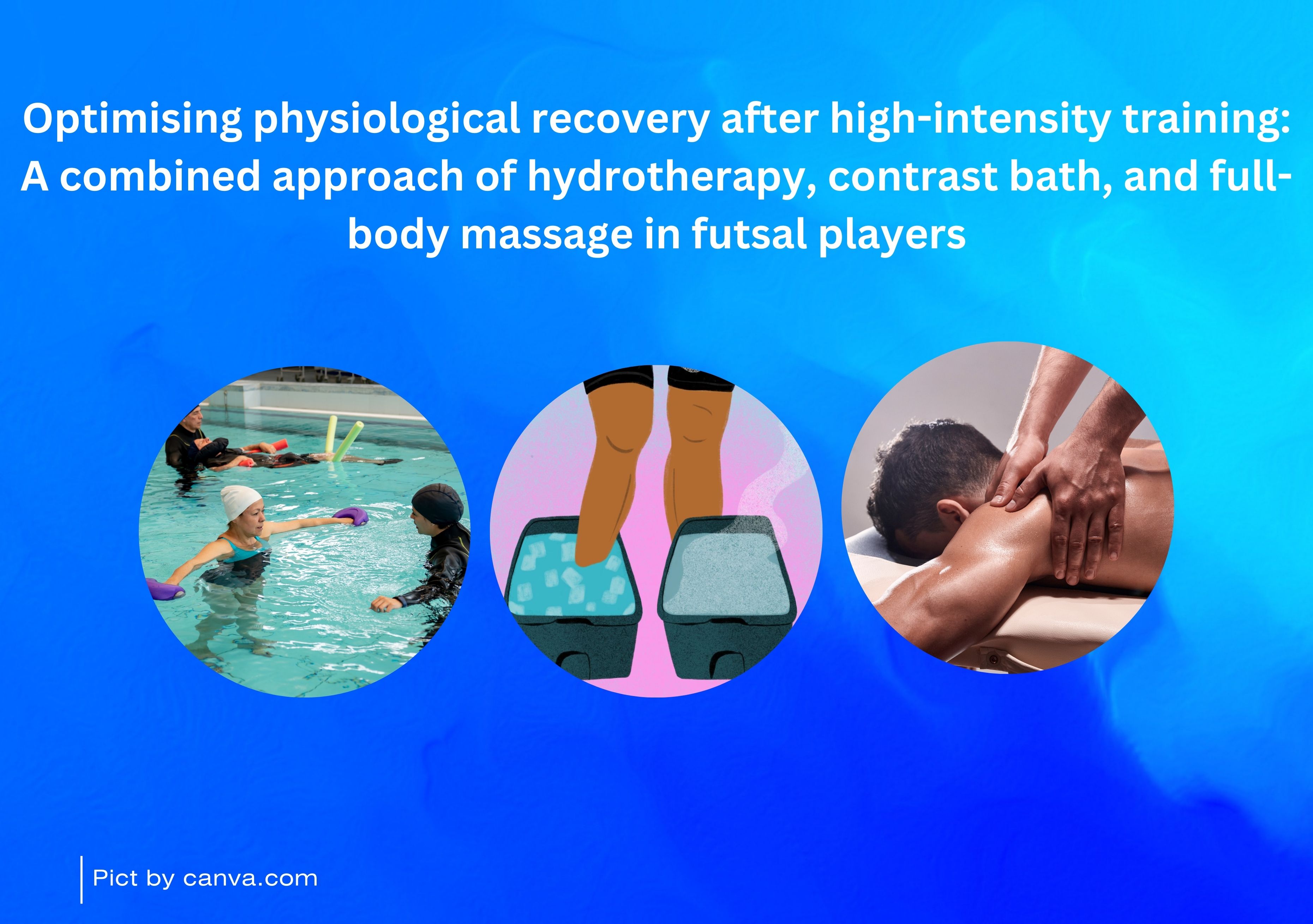
Optimising physiological recovery after high-intensity training: A combined approach of hydrotherapy, contrast bath, and full-body massage in futsal players
Afif Dwi Nugraha1, Laily Mita Andriana2, Muhamad Fauzi Antoni3, Muhammad Labib Siena Ar Rasyid4, Bhekti Lestari51. Universitas Negeri Surabaya , ID2. Universitas Negeri Surabaya , ID3. Universitas Negeri Surabaya , ID4. Universitas Negeri Surabaya , ID5. Universitas Negeri Surabaya , ID2025-12-15|page 302-317AbstractBackground: Efficient recovery after high-intensity interval training (HIIT) is crucial for maintaining optimal performance and minimizing the risk of injury.
Objectives: This study aims to analyze the effectiveness of combining hydrotherapy contrast baths and full-body massage in accelerating physiological recovery after a HIIT session, compared to the application of a single method.
Methods: This study employed a pre–post quasi-experimental design with three parallel groups (n = 45; 15 participants per group) to analyze the effectiveness of hydrotherapy combined with whole-body massage compared with each method applied separately. Participants were assigned to one of three conditions: (1) hydrotherapy contrast bath only, (2) full-body massage only, and (3) a combined intervention using both techniques. Physiological recovery was assessed using validated instruments, including heart rate monitors for heart rate recovery (HRR), portable lactate analysers for blood lactate concentration, and a visual analogue scale (VAS) for perceived muscle soreness. Data were analysed using the Shapiro–Wilk test, paired-sample t-test, and One-Way ANOVA.
Results: The findings demonstrated that the combined hydrotherapy–massage protocol resulted in greater improvements than the single-method groups, particularly in lactate reduction (e.g., -3.1 ± 0.8 mmol/L vs. - 1.9 ± 0.7 mmol/L and - 2.0 ± 0.6 mmol/L; p<0.05) and faster HRR. Participants in the combined group also reported significantly lower muscle soreness (p<0.05).
Conclusions: This suggests that integrating contrast bath hydrotherapy with full-body massage enhances circulation, accelerates metabolic waste clearance, and improves subjective recovery following HIIT. Future studies are recommended to include larger samples, compare different hydrotherapy temperatures, or examine long-term adaptations from repeated recovery sessions.APA Citation StyleNugraha, A. D. , Andriana, L. M. , Antoni, M. F. , Rasyid, M. L. S. A. , & Lestari, B. (2025). Optimising physiological recovery after high-intensity training: A combined approach of hydrotherapy, contrast bath, and full-body massage in futsal players. Physical Education and Sports: Studies and Research, 302-317. https://doi.org/10.56003/pessr.v4i3.655 -
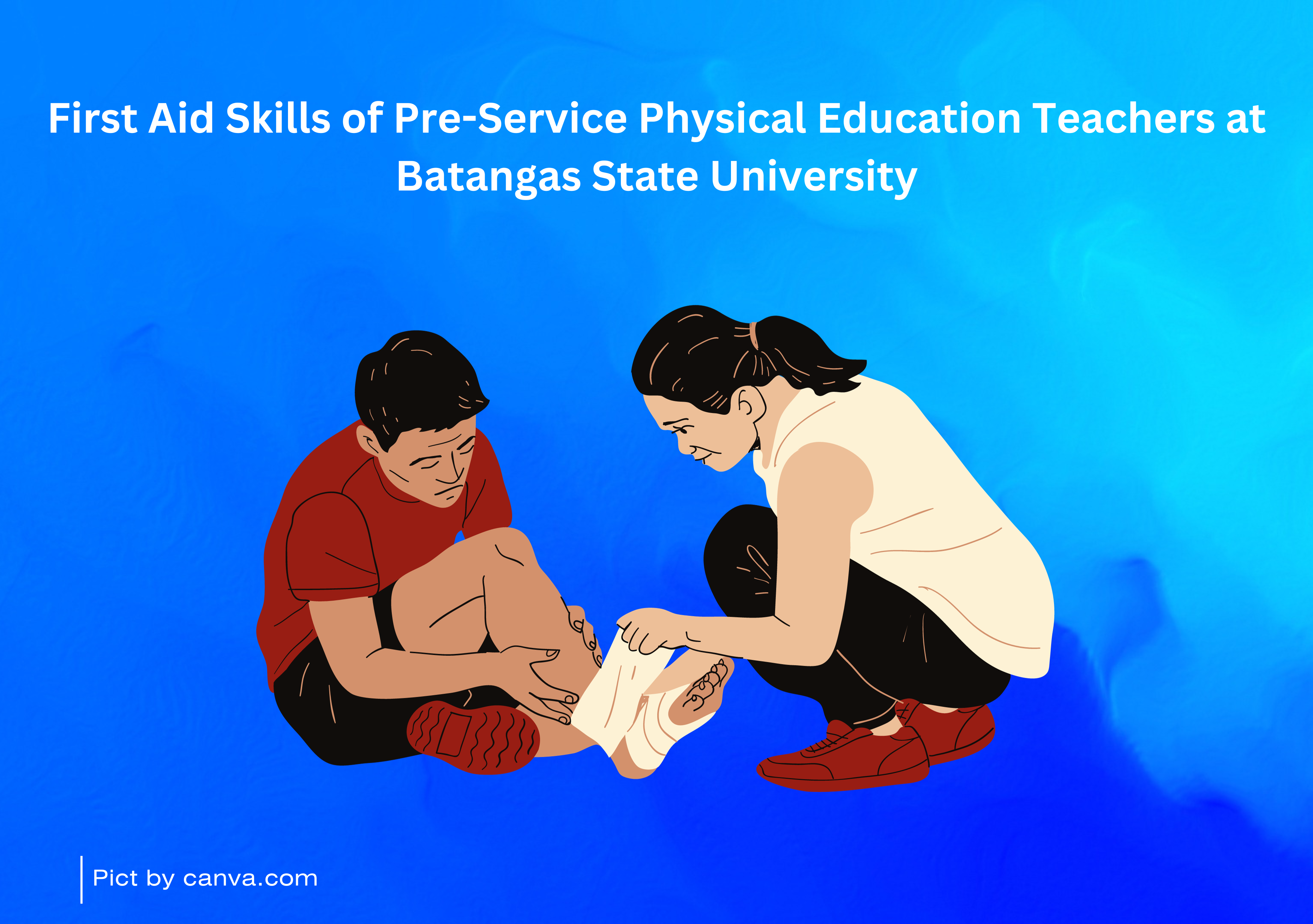
First Aid Skills of Pre-Service Physical Education Teachers at Batangas State University
Davidsol Mendoza1, Mauricio Atienza Junior2, Kyla Marie Torino Maralit3, Chino Randel Odello41. Batangas State University-Pablo Borbon , PH2. Batangas State University , PH3. Batangas State University , PH4. Batangas State University , PH2023-10-31|page 83-99AbstractBackground: The researchers believe acquiring knowledge and first aid skills can improve the instruction of Physical Education. Thus, no matter how proactive a teacher can be, there will be possibilities that an unnecessary situation may occur because it is movement education.
Objectives: The study aimed to determine the first aid skills of pre-service physical education teachers at Batangas State University. Specifically, the study determined the respondents' extent of manifestation of competencies in providing first aid skill components as assessed by the instructors and students, along with cardiopulmonary resuscitation, management of bleeding, and fracture. The study also compares the responses of the two groups of respondents. The issues and challenges in developing first aid skills were also ascertained to propose training activities to intensify students' skills and competencies.
Methods: This study used descriptive research and a researcher-made questionnaire to gather data from 186 participants, including 159 physical education students and 27 teachers from Batangas State University during the 2021-2022 academic year.
Results: The study found that students had moderate competency in applying CPR, recognizing victim situations, and performing two rescue breaths correctly. Similarly, students had moderate competency in managing bleeding and identifying fracture types. However, the two groups of respondents had no significant difference in competency. The biggest challenge identified by students was the need for more training and workshops related to first aid, while linguistic barriers and inconsistent training were less significant challenges.
Conclusion: The findings show that Bachelor of Physical Education students greatly manifest first aid skills in CPR, managing bleeding, and treating fractures but need improvements in specific competencies. There was no significant difference in the assessment between the two groups of respondents. However, attendance to training and workshops was the primary issue and challenge in developing the first aid skills of BPEd students.
APA Citation StyleMendoza, D. , Junior, M. A. , Maralit, K. M. T. , & Odello, C. R. (2023). First Aid Skills of Pre-Service Physical Education Teachers at Batangas State University. Physical Education and Sports: Studies and Research, 83-99. https://doi.org/10.56003/pessr.v2i2.208 -
Examining the mediating role of perceived psychosocial support in the relationship between sport grit and psychological well-being among high school student-athletes
Daphne Scott Fernandez1, Kahreen Lou Mondina21. Saint Louis College La Union,Saint Louis College La Union , PH2. Saint Louis College La Union,Saint Louis College La Union , PH2026-08-01|page 182-195AbstractBackground: Psychological well-being is essential for student-athletes because they must simultaneously cope with competitive sport demands and academic responsibilities. Although both sport grit and perceived psychosocial support have been associated with positive psychological outcomes, the mediating role of psychosocial support in the relationship between sport grit and psychological well-being remains insufficiently understood.
Objectives: This study examined whether perceived psychosocial support mediates the relationship between sport grit and psychological well-being among high school student-athletes.
Methods: A quantitative cross-sectional correlational design with a mediation analysis framework was employed. A total of 362 high school student-athletes from the first district of La Union, Philippines, participated using total enumeration sampling. Data were collected using standardized questionnaires assessing sport grit, psychological well-being, and perceived psychosocial support. Descriptive statistics, regression analysis, and bias-corrected bootstrap mediation analysis (5,000 resamples) were performed using JASP.
Results: Student-athletes reported high levels of sport grit, psychological well-being, and perceived psychosocial support. Sport grit significantly and positively predicted psychological well-being, whereas it did not significantly predict perceived psychosocial support. Perceived psychosocial support demonstrated a significant but negative association with psychological well-being. Furthermore, the indirect effect of sport grit on psychological well-being through perceived psychosocial support was not statistically significant, indicating the absence of a mediating effect.
Conclusions: Sport grit is an important direct psychological resource associated with psychological well-being among high school student-athletes. Although perceived psychosocial support contributes to athletes' psychological functioning, it does not explain the relationship between sport grit and psychological well-being. These findings highlight the importance of strengthening athletes' internal psychological resources while maintaining supportive sport environments.
APA Citation StyleFernandez, D. S. , & Mondina, K. L. (2026). Examining the mediating role of perceived psychosocial support in the relationship between sport grit and psychological well-being among high school student-athletes. Physical Education and Sports: Studies and Research, 182-195. https://doi.org/10.56003/pessr.v5i2.725 -

Medical observations and injury analysis: All Girls Touch Rugby Championship 2024
Mohamad Nizam Nazarudin1, Yong Qin Tan2, Ardo Okilanda3, Yovhandra Ockta4, Reshandi Nugraha51. National University of Malaysia , MY2. National University of Malaysia , MY3. State University of Padang , ID4. Universitas Teuku Umar , ID5. UniversitasPendidikan Indonesia , ID2025-04-04|page 32-45AbstractBackground: Touch rugby is a high-intensity, non-contact sport requiring agility, speed, and coordination. This study analyzes injury distribution, treatment effectiveness, and preventive measures among youth touch rugby players.
Objectives: This study examined injury patterns among adolescent female athletes during the 2024 All-Girls Touch Rugby Championship (AGTR 2024).
Methods: A retrospective observational study was conducted using medical reports from the two-day All-Girls Touch Rugby Championship 2024 (AGTR 2024) at Universiti Putra Malaysia. The study examined 484 female athletes (ages 9–18 years), with 176 injuries recorded and categorized as soft tissue injuries (52.3%), abrasions (23.9%), and sprains (14.2%). Descriptive statistics were used to assess injury distribution, while chi-square analysis (χ² = 10.45, p < 0.01) evaluated the relationship between injury type and age group.
Results: Younger players (10–14 years) sustained more abrasions (60%), whereas older athletes (15–18 years) had a higher incidence of soft tissue injuries (68%). Injuries increased by 66.7% on Day 2, highlighting the impact of cumulative fatigue and tournament intensity. Ice therapy (68%) and bandaging (55%) were the most utilized treatments, with only 7% of cases requiring outpatient referrals.
Conclusions: Findings underscore the need for structured warm-ups, enhanced hydration protocols, and targeted strength training to reduce injury risks. The study emphasizes the role of injury surveillance, playing surface improvements, and gender-specific training programs in preventing injuries and enhancing athlete safety. Implementing evidence-based preventive strategies can promote the long-term development and sustainability of touch rugby for adolescent athletes. Future research should focus on longitudinal injury tracking and tailored intervention strategies.
APA Citation StyleNazarudin, M. N. , Tan, Y. Q. , Okilanda, A. , Ockta, Y. , & Nugraha, R. (2025). Medical observations and injury analysis: All Girls Touch Rugby Championship 2024. Physical Education and Sports: Studies and Research, 32-45. https://doi.org/10.56003/pessr.v4i1.495 -
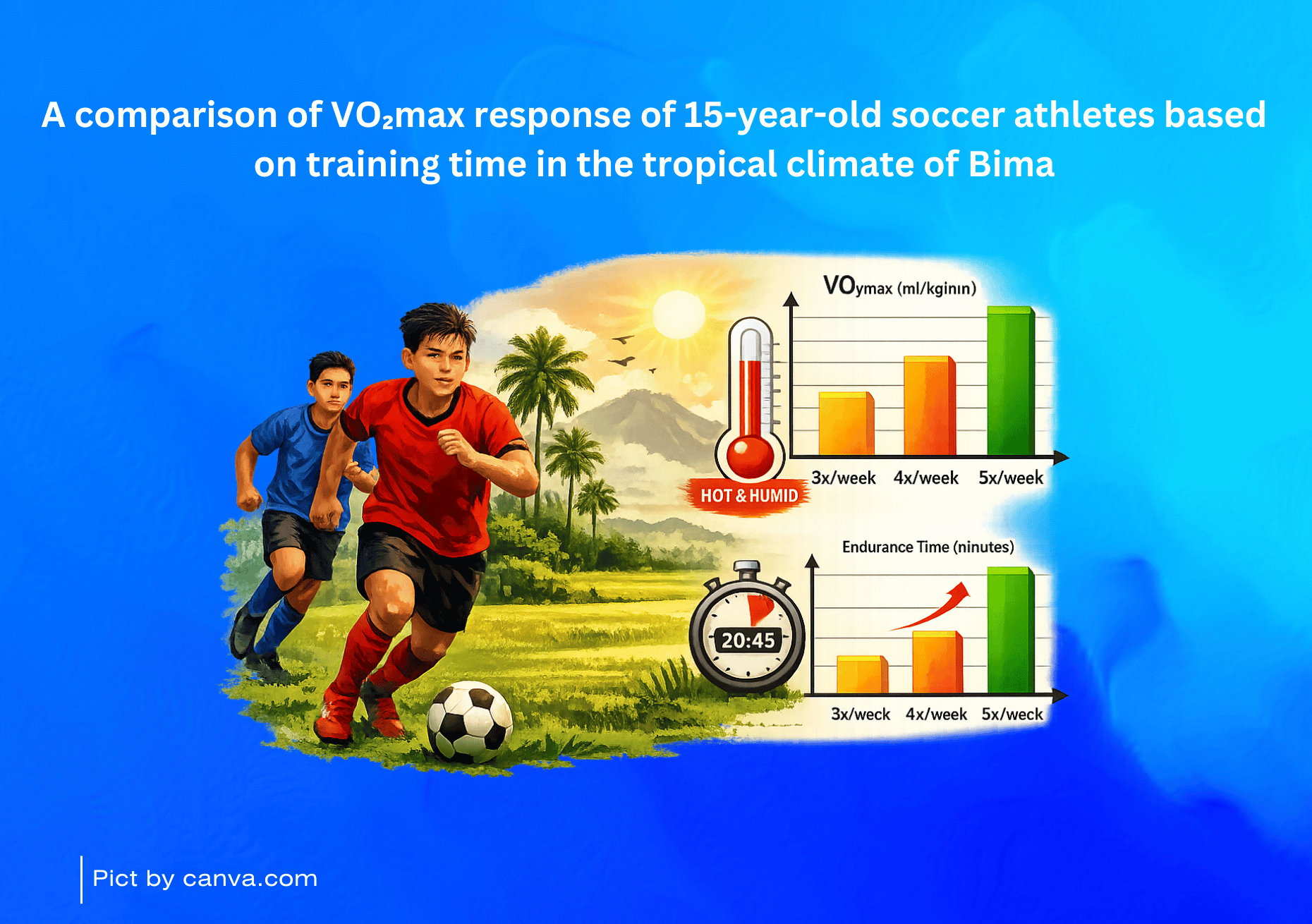
A comparison of VO₂max response of 15-year-old soccer athletes based on training time in the tropical climate of Bima
Firdaus Firdaus1, Taty Hartati2, Rabwan Satriawan3, Shutan Arie Shandi4, Nor Fazila Abd Malek51. Department of Physical Education, STKIP Taman Siswa Bima , ID2. Department of History, STKIP Taman Siswa Bima , ID3. Department of Physical Education, STKIP Taman Siswa Bima , ID4. Department of Physical Education, STKIP Taman Siswa Bima , ID5. Faculty of Sports Science and Coaching, Sultan Idris Education University , MY2026-04-14|page 125-134AbstractBackground: VO₂max is the primary indicator of a soccer athlete's aerobic capacity, but in tropical climates like Bima, high temperatures and humidity can affect VO₂max achievement. Hence, the timing of training is an important factor to consider.
Objectives: This study aims to analyze differences in VO₂max across training times (morning and afternoon) in 15-year-old youth soccer athletes from the Bima Football Association (PERSSEBI).
Methods: The study used a quantitative, comparative, cross-sectional observational design. The study subjects were 45 athletes (age 15.31±0.46; height 163.12±4.35 cm; weight 55.28±3.67 kg; and body mass index (BMI) 20.78±1.18 kg/m²) from the Bima Football Association (PERSEBI), selected by purposive sampling, and divided into morning (n=23) and afternoon (n=22) training groups. VO₂max was measured using a multistage fitness test (Bleep Test). Data analysis included descriptive statistics, the Shapiro–Wilk normality test, the Levene homogeneity test, and the independent-samples t-test at a significance level of 0.05, using IBM SPSS 25.
Results: The descriptive analysis showed that the average VO₂max of the morning group was 43.78 ± 2.34 ml/kg/minute, higher than that of the afternoon group (42.91 ± 2.29 ml/kg/minute). The results of the independent sample t-test showed that there was a significant difference in VO₂max between the two groups with a t value = 2.14 with df = 43 and a significant p value = 0.04 (p < 0.05) with an average difference of 0.87 ml/kg/minute indicating that the morning exercise group had a higher Vo2max value than the afternoon exercise group.
Conclusions: These findings suggest that training time contributes to differences in athletes' VO₂max values in tropical environments, with morning training resulting in higher performance than afternoon training. Therefore, scheduling training that accounts for environmental conditions is crucial for optimizing athletes' VO₂max.
APA Citation StyleFirdaus, F. , Hartati, T. , Satriawan, R. , Shandi, S. A. , & Malek, N. F. A. (2026). A comparison of VO₂max response of 15-year-old soccer athletes based on training time in the tropical climate of Bima. Physical Education and Sports: Studies and Research, 125-134. https://doi.org/10.56003/pessr.v5i1.709 -

Coping Strategies of Students in the Online Teaching and Learning of Physical Education
Davidsol Mendoza11. Batangas State University , PH2023-04-20|page 10-25AbstractBackground: The emergence of Covid-19 pandemic has brought a lot of changes in the educational system of the country. As the new normal of teaching and learning arose, challenges did the same. There are the teachers and students who must adopt certain adjustments to cope up with the implications of online classroom just to acquire knowledge and reach the target learning without freezing the education.
Objectives: This study was conducted with the purpose of determining the problems encountered and the coping strategies of the students in the online teaching and learning of Physical Education.
Methods: This study is a descriptive quantitative type of research. Participants were 255 randomly selected students of PE 103-Individual and Dual Sports. In collection of data needed, the researchers utilized a survey questionnaire that contained questions about student’s experiences, students coping strategies, and problems encountered by the students in the online teaching teaching and learning of Physical Education.
Results: The results shows that most of the students strongly agreed with the instruction and assessment utilized by their PE instructors; in terms of students coping strategies, most of the students shows less interest in performing physical activities during online classes, and also most of the students engaged in listening to calming music to relax; and in terms of the problems that they have encountered, most of the students experienced problem with their online connections, and most of the students disagree that they have poor comprehensions during online classes.
Conclusion: It is concluded that within the experiences of students towards instruction, physical education instructors utilized digital platforms in discussing lessons and gave considerable time for the students to finish and submit all the assigned tasks. Students had engaged themselves in listening to calming music that helps them avoid stress during online learning but engaged less in doing an activity such as stretching for their physical health. Most of the students highly encountered difficulties towards internet connection during online individual and dual sports but they still have a high comprehension level.
APA Citation StyleMendoza, D. (2023). Coping Strategies of Students in the Online Teaching and Learning of Physical Education. Physical Education and Sports: Studies and Research, 10-25. https://doi.org/10.56003/pessr.v2i1.207 -

Low-impact specialized pilates is better than low intensity steady state for increasing fitness level
Laily Mita Andriana1, Kunjung Ashadi2, Fransisca Januarumi Marhaendra Wijaya3, Muhamad Fauzi Antoni41. Universitas Negeri Surabaya , ID2. Universitas Negeri Surabaya , ID3. Universitas Negeri Surabaya , ID4. Universitas Negeri Surabaya , ID2025-07-13|page 139-151AbstractBackground: Elderly individuals with disabilities often face challenges in maintaining physical fitness, highlighting the need for effective and appropriate exercise methods tailored to their limitations.
Objectives: This study compares the effectiveness of low-impact specialized Pilates and Low-Intensity Steady-State (LISS) exercise in improving fitness levels among older adults with mild to moderate disabilities. The unique advantage of Pilates in enhancing balance and core strength is presented as a novel contribution.
Methods: A quasi-experimental design with pre-test and post-test assessments was employed, involving 40 elderly participants with disabilities divided into two intervention groups over 8 weeks. Participants were selected through purposive sampling based on the inclusion criteria of 60–75 years with mild to moderate disabilities. Fitness levels were assessed using the Senior Fitness Test, which evaluates muscular strength, balance, flexibility, and aerobic capacity.
Results: Data analysis was conducted using the Shapiro–Wilk test, paired sample t-test, and independent sample t-test. The results demonstrated that the low-impact specialized Pilates group showed significant improvements in core strength, balance, and flexibility, whereas the LISS group exhibited greater improvements in aerobic capacity.
Conclusions: In conclusion, low-impact specialized Pilates is more effective in enhancing overall fitness among elderly individuals with disabilities. Therefore, it is recommended as a suitable exercise modality for rehabilitation and health maintenance programs to improve this population's quality of life and functional independence.
APA Citation StyleAndriana, L. M. , Ashadi, K. , Wijaya, F. J. M. , & Antoni, M. F. (2025). Low-impact specialized pilates is better than low intensity steady state for increasing fitness level. Physical Education and Sports: Studies and Research, 139-151. https://doi.org/10.56003/pessr.v4i2.575 -

Impact of five-cone and ladder drill training on agility among U15 football athletes
Pupuh Harya Prembanyu1, Agus Wiyanto2, Setiyawan Setiyawan31. Universitas PGRI Semarang , ID2. Universitas PGRI Semarang , ID3. Universitas PGRI Semarang , ID2025-11-26|page 266-274AbstractBackground: Although it may seem simple, soccer has complex characteristics, which is why many children are attracted to training at soccer schools. Agility is a crucial aspect of the game, as it enables a player to move quickly, evade opponents, and control the ball effectively. At the Pemalang Regency Bina Talenta Soccer School (SSB), agility training is not conducted optimally and has not been implemented systematically with effective methods. Therefore, exercises such as the five-cone and ladder drills need to be implemented to improve player agility more effectively.
Objectives: This study aims to examine the impact of five-cone and ladder drill training on the agility of U15 football athletes.
Methods: This study used a quantitative descriptive method with a quasi-experimental approach. The experimental design was a pretest-posttest in two groups. The sampling technique used was purposive sampling with 20 players participating in a four-week training program. The instrument to measure agility was the Illinois Agility Test, with a validity level of r = 0.87. The measurement data were analyzed using a difference test with the help of SPSS software version 29.0.
Results: The five-cone drill and the ladder drill had a significant effect on agility, as both exercises had a significance value of <0.05. The five-cone drill was more effective than the ladder drill. This was due to the difference in scores between the five-cone drill, which increased by 1.04, and the ladder drill, which increased by 0.84.
Conclusions: Both training methods are effective in improving agility and can be integrated into school-based football training programs. Furthermore, the results of implementing these methods can enhance player performance and provide a valuable source of new knowledge for future researchers on agility in SSB players.
APA Citation StylePrembanyu, P. H. , Wiyanto, A. , & Setiyawan, S. (2025). Impact of five-cone and ladder drill training on agility among U15 football athletes. Physical Education and Sports: Studies and Research, 266-274. https://doi.org/10.56003/pessr.v4i3.633 -

Out-of-Field Public Senior High School Teachers: Competencies in Teaching Physical Education
John Clark Martos Mesias11. Burauen Comprehensive National High School, Leyte Division , PH2022-10-28|page 123-135AbstractBackground: Making sure that Physical Education (PE) classes are staffed with qualified and trained PE teacher is the most indispensable ingredient to a quality PE program. Only certified PE teachers should be given the accountability of teaching the skills and giving instruction that our young people need to adopt and maintain a physically active routine.
Objectives: The purpose of this qualitative study was to draw out the lived experiences of out-of-field public Senior High School teachers on teaching Physical Education, identify the trainings and seminars’ relevant to their professional development and advancement.
Methods: Through the descriptive narrative method, 22 out-of-field public senior high school teachers who were teaching PE from Areas 2A and 2B in Leyte Division served as participants and results derived from the interviews were coded and transcribed to come up with themes and sub-themes that follows: content knowledge with sub-themes; mastery of skills taught, sports-related trainings and dance pedagogy; pedagogical skills with sub-themes promotion of cooperative learning, stimulation of assigning leaders per group activities, inclusion of appropriate assessment tool or rubrics, and assurance of learners’ safety.
Results: The study confirms that mastery of subject discipline is essential to a teacher. Teaching PE subjects is more than the theory; it delves more on skills demonstration and acquisition. If teachers are expert in the field they teach, they can demonstrate the skills, clearly answer students’ questions, and lessen the workload as they have but minor adjustment as far as the subject matter is concerned.
Conclusion: This study confirms that mastery of the content is essential in the teaching-learning process. Teaching PE subjects is not all about imparting the content of the subject theoretically; it more on skills demonstration and acquisition.
APA Citation StyleMesias, J. C. M. (2022). Out-of-Field Public Senior High School Teachers: Competencies in Teaching Physical Education. Physical Education and Sports: Studies and Research, 123-135. https://doi.org/10.56003/pessr.v1i2.137 -

Weightlifting coaches' and athletes' understanding of injury prevention programs: a case study of Lumajang and Malang
Muhammad Izzan Atmagara1, Yulingga Nanda Hanief21. State University of Malang , ID2. State University of Malang , ID2025-09-21|page 222-235AbstractBackground: Weightlifting is a high-intensity sport with a high risk of injuries due to improper technique, insufficient warm-up, and excessive training loads.
Objectives: This study explores the understanding, strategies, and barriers of weightlifting coaches and athletes in Lumajang District and Malang City related to implementing injury prevention programs in performance sports.
Methods: This study used a qualitative case study approach. Participants were selected using purposive sampling, consisting of weightlifting coaches with at least one year of experience and athletes who had trained and competed at the regional level. Data were collected through interviews, observations, and document analysis, while data were analyzed using the Miles and Huberman model, including reduction, presentation, and conclusion.
Results: The results showed that coaches and athletes emphasized dynamic warm-ups, core and back strengthening exercises, and correct lifting techniques as the main strategies to prevent injuries. However, limitations in facilities, literature access, and training variety were identified as barriers to implementing optimal injury prevention programs.
Conclusions: This study concludes that effective injury prevention in weightlifting requires structured warm-up routines, individualized training programs, and adequate supporting equipment. Strengthening coaches’ knowledge and providing better facilities are crucial to minimize injuries and enhance athlete performance.APA Citation StyleAtmagara, M. I. , & Hanief, Y. N. (2025). Weightlifting coaches' and athletes' understanding of injury prevention programs: a case study of Lumajang and Malang. Physical Education and Sports: Studies and Research, 222-235. https://doi.org/10.56003/pessr.v4i2.601 -

Promoting gender responsiveness in teaching physical education
Ryan Cazel Lalog11. Batangas State University , PH2025-04-04|page 1-14AbstractBackground: Implementing gender policies in physical education at Batangas State University remains moderate, with challenges in ensuring gender-responsive and equitable activities for male and female students. Issues such as students' self-confidence, self-perception, and limited gender mainstreaming strategies and resources hinder the development of a more inclusive learning environment.
Objectives: This study examined gender policy implementation, the use of strategies and resources in various physical education activities, differences in male and female instructors' assessments, challenges in gender mainstreaming, and the development of gender-responsive activities.
Methods: A descriptive research method was used, collecting data from 105 university physical education instructors (77 males, 28 females) through a researcher-made survey questionnaire.
Results: Findings revealed that gender policies were moderately implemented (mean score: 3.47), while both male (3.67) and female (3.63) instructors highly utilized strategies and resources in physical fitness, rhythmic activities, individual and dual sports, and team sports. No significant differences were observed in male and female educators' assessments, indicating shared perspectives on gender mainstreaming.
Conclusions: The study emphasizes the need for more vigorous policy enforcement and improvements in sports-related content to enhance gender inclusivity. Addressing self-confidence, self-perception, and individual differences is crucial for fostering equitable learning experiences. Universities should provide continuous professional development for PE instructors on gender-sensitive teaching strategies. Future research should explore the long-term impact of gender-responsive approaches on student engagement, performance, and overall well-being in physical education.
APA Citation StyleLalog, R. C. (2025). Promoting gender responsiveness in teaching physical education. Physical Education and Sports: Studies and Research, 1-14. https://doi.org/10.56003/pessr.v4i1.392 -

The relationship between arm length and body mass index (BMI) with turbo-throwing performance in elementary school students
Awaliyah Riskyta Putri1, Siti Nurrochmah21. State University of Malang , ID2. State University of Malang , ID2025-07-01|page 115-124AbstractBackground: This research is motivated by insufficient scientific research that specifically examines the relationship between arm length and Body Mass Index (BMI) on turbo throwing performance in elementary school students, especially in preparation for the National Student Sports Olympics (O2SN).
Objectives: This study examines the relationship between arm length and BMI and the turbo-throwing performance of sixth-grade students of State Elementary School Bunulrejo 1 Malang in preparation for the National Student Sports Olympics (O2SN) in 2025.
Methods: The method used is a quantitative descriptive design with a correlational study. The study population comprised 71 male students, with a sample of 45 male students. The research instrument was a turbo-throwing basic motion performance test, arm length measurement, and Body Mass Index (BMI) measurement. The analysis technique uses inferential statistics in the form of multiple correlation analysis, which is complemented by multiple regression analysis.
Results: The results were obtained using inferential statistics through multiple correlation analysis. The results of the multiple correlation test obtained a coefficient value = 0.723 and Sig. P = 0.001 < a = 0.05, and the contribution of the variable effectiveness of arm's length to turbo-throwing performance is 46.3%, while BMI is 5.9%, so the variables arm length and BMI provide an effective contribution of 52.2%.
Conclusions: Arm length and BMI significantly influence turbo-throwing performance. Arm length is the most dominant factor. These results can be a reference for teachers and coaches when selecting O2SNs and coaching athletes at the basic education level. Future researchers are expected to examine other variables that have not been studied to provide a more comprehensive picture of turbo-throwing performance.
APA Citation StylePutri, A. R. , & Nurrochmah, S. (2025). The relationship between arm length and body mass index (BMI) with turbo-throwing performance in elementary school students. Physical Education and Sports: Studies and Research, 115-124. https://doi.org/10.56003/pessr.v4i2.563 -
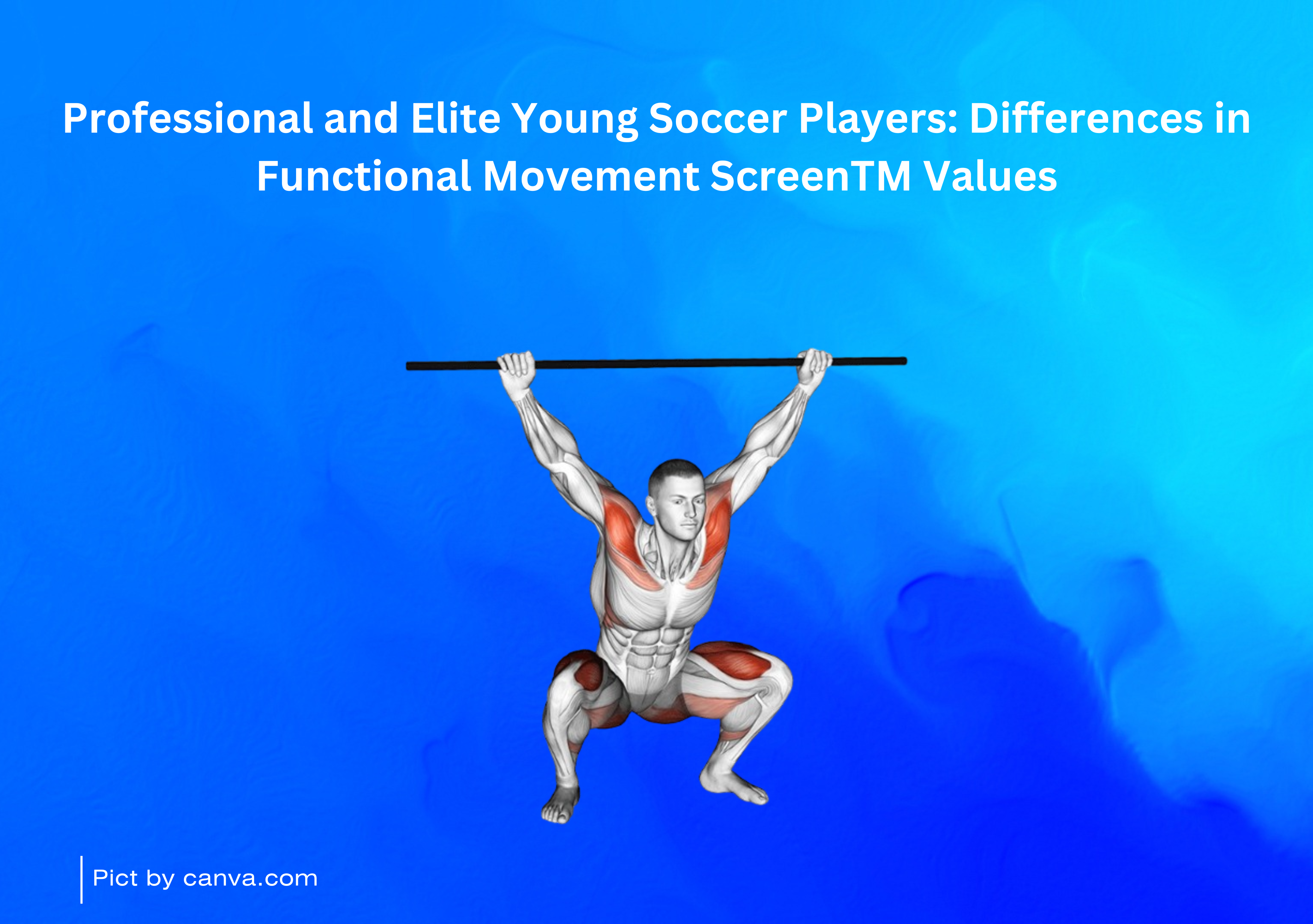
Professional and Elite Young Soccer Players: Differences in Functional Movement ScreenTM Values
Italo Sannicandro1, Giacomo Cofano2, Rosario D'Onofrio3, Andrea Piccinno41. Clinical and Experimental Medicine Department, University of Foggia , IT2. Master degree in Sciences and techniques of preventive and adapted motor activities, University of Foggia; Professional Soccer Strenght and Conditioning , IT3. Member of the Medical-Scientific Multidisciplinary Commission, Italian Football Doctors Association - L.A.M.I.CA. , IT4. Master degree in Motor Sciences, University of Salento, Lecce , IT2023-10-31|page 116-125AbstractBackground: Soccer is a sport that requires very complex movements performed at high speeds: running, jumping, decelerating, changing direction or running direction, and kicking are complex movements that require high control and significant joint stability at all ages. Control of the body and individual body districts becomes important for both performance and injury prevention.
Objective: This study aims to verify the Functional Movement Screen (FMSTM) values in different categories of players, from the youth leagues to professional soccer players.
Methods: A sample of soccer players (n=112) took part in the study. The sample was subdivided according to their category, resulting in the following subgroups: a) professional soccer players (PSP, n=56,), Under 19 - Primavera (U19, n=29), Under 17 (U17, n=27). The FMS protocol was used to assess the seven functional movements and the associated risk of non-contact injury.
Results: Statistically significant differences emerged in the total scores between the U17 group and the PSP group (14.8±2.9 vs 19.1±1.4, p<0.01), between the U17 group and the Under 19 - Primavera group (14.8±2.9 vs 16.2±2.1, p<0.05) and between the Under 19 - Primavera group and the PSP (16.2±2.1 vs 19.1±1.4, p<0.01).
Conclusion: The values obtained show that young soccer players have a very different qualitative control of movement than highly qualified players. This study shows significant differences not only between the total scores, but more importantly between the individual 7 assessment tests that the FMS protocol includes: these values provide insight into which movements should receive more attention in athletic conditioning in the youth sector.
APA Citation StyleSannicandro, I. , Cofano, G. , D'Onofrio, R. , & Piccinno, A. (2023). Professional and Elite Young Soccer Players: Differences in Functional Movement ScreenTM Values. Physical Education and Sports: Studies and Research, 116-125. https://doi.org/10.56003/pessr.v2i2.269 -

Impact of plyometric training using step-up and lateral box jumps on the improvement of leg muscle power in youth school futsal athletes
Risky Sandy Kurniawan1, Donny Anhar Fahmi2, Setiyawan Setiyawan31. Universitas PGRI Semarang , ID2. Universitas PGRI Semarang , ID3. Universitas PGRI Semarang , ID2025-08-15|page 212-221AbstractBackground: Futsal is a high-intensity sport that requires leg muscle power, especially in aerial duels, anticipating the ball, and performing powerful kicks. Limited jumping ability can reduce leg muscle power and overall performance.
Objectives: This study aims to test the impact of plyometric training using step-up and lateral box jumps on the improvement of leg muscle power in youth school futsal athletes.
Methods: A quasi-experimental single-group pretest-posttest design was conducted with 40 male participants over a four-week plyometric training program. Leg muscle power was measured using a vertical jump test before and after the intervention. Data were analyzed using a t-test with the assistance of SPSS.
Results: Both step-up and lateral box jumps significantly increased leg muscle power (p < 0.05). The step-up group showed an average increase of 4.20 cm, while the lateral box jump group showed an average increase of 3.45 cm, with no statistically significant difference (p = 0.326).
Conclusions: Both training methods effectively enhance leg muscle power and can be integrated into school-based futsal training programs to improve performance.
APA Citation StyleKurniawan, R. S. , Fahmi, D. A. , & Setiyawan, S. (2025). Impact of plyometric training using step-up and lateral box jumps on the improvement of leg muscle power in youth school futsal athletes. Physical Education and Sports: Studies and Research, 212-221. https://doi.org/10.56003/pessr.v4i2.611 -
Associations between physical activity intensity and motor balance in elementary school students: A sequential explanatory mixed-methods study
Fahrurrohman Firdaus1, Indra Safari2, Rizal Ahmad Fauzi31. Indonesian University of Education , ID2. Indonesian University of Education , ID3. Indonesian University of Education , ID2026-04-01|page 47-56AbstractBackground: Children in primary school are becoming more sedentary due to advances in digital technology, which may reduce their physical activity levels. The development of motor skills, especially balance, which is an essential feature of children's motor abilities, can be impacted by a lack of physical activity.
Objectives: This study aimed to examine the association between physical activity intensity and motor balance in elementary school students.
Methods: This study used a sequential explanatory mixed-methods design. The quantitative phase involved 50 students selected using saturated sampling, while the qualitative phase involved teachers and students selected purposively. Physical activity intensity was measured using the Physical Activity Questionnaire for Older Children (PAQ-C), while motor balance was assessed using the Balance Beam Test. Quantitative data were analyzed using Spearman's rank correlation, and qualitative data were analyzed using thematic analysis in NVivo.
Results: With a correlation coefficient of r = 0.687 and p < 0.05, the analysis demonstrated a strong, substantial positive link between motor balance levels and physical activity intensity. The intensity of physical activity accounted for 47.2% of motor balance. Qualitative research revealed that students with high levels of physical activity were more likely to engage in active play, such as running outside, cycling, and soccer, which, in turn, indirectly improve balance and postural stability.
Conclusions: This study demonstrates that physical activity intensity plays an important role in the development of motor balance among elementary school students. These findings highlight the importance of integrating active movement-based learning strategies in physical education programs.
APA Citation StyleFirdaus, F. , Safari, I. , & Fauzi, R. A. (2026). Associations between physical activity intensity and motor balance in elementary school students: A sequential explanatory mixed-methods study. Physical Education and Sports: Studies and Research, 47-56. https://doi.org/10.56003/pessr.v5i1.706





















