
Search
Search Results
##search.searchResults.foundPlural##
-


Weightlifting coaches' and athletes' understanding of injury prevention programs: a case study of Lumajang and Malang
Muhammad Izzan Atmagara1, Yulingga Nanda Hanief21. State University of Malang , ID2. State University of Malang , ID2025-09-21|page 222-235AbstractBackground: Weightlifting is a high-intensity sport with a high risk of injuries due to improper technique, insufficient warm-up, and excessive training loads.
Objectives: This study explores the understanding, strategies, and barriers of weightlifting coaches and athletes in Lumajang District and Malang City related to implementing injury prevention programs in performance sports.
Methods: This study used a qualitative case study approach. Participants were selected using purposive sampling, consisting of weightlifting coaches with at least one year of experience and athletes who had trained and competed at the regional level. Data were collected through interviews, observations, and document analysis, while data were analyzed using the Miles and Huberman model, including reduction, presentation, and conclusion.
Results: The results showed that coaches and athletes emphasized dynamic warm-ups, core and back strengthening exercises, and correct lifting techniques as the main strategies to prevent injuries. However, limitations in facilities, literature access, and training variety were identified as barriers to implementing optimal injury prevention programs.
Conclusions: This study concludes that effective injury prevention in weightlifting requires structured warm-up routines, individualized training programs, and adequate supporting equipment. Strengthening coaches’ knowledge and providing better facilities are crucial to minimize injuries and enhance athlete performance.APA Citation StyleAtmagara, M. I. , & Hanief, Y. N. (2025). Weightlifting coaches' and athletes' understanding of injury prevention programs: a case study of Lumajang and Malang. Physical Education and Sports: Studies and Research, 222-235. https://doi.org/10.56003/pessr.v4i2.601 -

Medical observations and injury analysis: All Girls Touch Rugby Championship 2024
Mohamad Nizam Nazarudin1, Yong Qin Tan2, Ardo Okilanda3, Yovhandra Ockta4, Reshandi Nugraha51. National University of Malaysia , MY2. National University of Malaysia , MY3. State University of Padang , ID4. Universitas Teuku Umar , ID5. UniversitasPendidikan Indonesia , ID2025-04-04|page 32-45AbstractBackground: Touch rugby is a high-intensity, non-contact sport requiring agility, speed, and coordination. This study analyzes injury distribution, treatment effectiveness, and preventive measures among youth touch rugby players.
Objectives: This study examined injury patterns among adolescent female athletes during the 2024 All-Girls Touch Rugby Championship (AGTR 2024).
Methods: A retrospective observational study was conducted using medical reports from the two-day All-Girls Touch Rugby Championship 2024 (AGTR 2024) at Universiti Putra Malaysia. The study examined 484 female athletes (ages 9–18 years), with 176 injuries recorded and categorized as soft tissue injuries (52.3%), abrasions (23.9%), and sprains (14.2%). Descriptive statistics were used to assess injury distribution, while chi-square analysis (χ² = 10.45, p < 0.01) evaluated the relationship between injury type and age group.
Results: Younger players (10–14 years) sustained more abrasions (60%), whereas older athletes (15–18 years) had a higher incidence of soft tissue injuries (68%). Injuries increased by 66.7% on Day 2, highlighting the impact of cumulative fatigue and tournament intensity. Ice therapy (68%) and bandaging (55%) were the most utilized treatments, with only 7% of cases requiring outpatient referrals.
Conclusions: Findings underscore the need for structured warm-ups, enhanced hydration protocols, and targeted strength training to reduce injury risks. The study emphasizes the role of injury surveillance, playing surface improvements, and gender-specific training programs in preventing injuries and enhancing athlete safety. Implementing evidence-based preventive strategies can promote the long-term development and sustainability of touch rugby for adolescent athletes. Future research should focus on longitudinal injury tracking and tailored intervention strategies.
APA Citation StyleNazarudin, M. N. , Tan, Y. Q. , Okilanda, A. , Ockta, Y. , & Nugraha, R. (2025). Medical observations and injury analysis: All Girls Touch Rugby Championship 2024. Physical Education and Sports: Studies and Research, 32-45. https://doi.org/10.56003/pessr.v4i1.495 -
Functional movement patterns and bilateral asymmetry in badminton athletes: A Functional Movement Screen analysis at the Malang Regional Training Center
Avi Kholifatuz Zahro'1, Muhammad Atiq Noviudin Pritama21. State University of Malang , ID2. State University of Malang , ID2026-08-17|page 196-207AbstractBackground: Badminton involves repetitive unilateral overhead movements, rapid changes of direction, and explosive actions that may contribute to side-to-side differences in functional movement patterns.
Objectives: This study aimed to describe functional movement patterns and bilateral asymmetry among badminton athletes at the Malang Regional Training Center using the Functional Movement Screen (FMS).
Methods: This cross-sectional study involved 16 sub-elite badminton athletes aged 15–20 years selected through purposive sampling. Functional movement was assessed using the seven-component FMS. Total scores were classified as high (≤14), moderate (15–17), or low (18–21) injury risk. Bilateral asymmetry was identified from differences between right- and left-side scores in five bilateral FMS components. Data were analyzed descriptively using means, standard deviations, frequencies, and percentages.
Results: Most athletes (62.5%, n = 10) were classified as having moderate injury risk, while 18.75% (n = 3) were classified as high risk and 18.75% (n = 3) as low risk. Shoulder Mobility showed the highest prevalence of bilateral asymmetry (100%, n = 16), followed by the In-Line Lunge and Rotary Stability (62.5%, n = 10 each), Hurdle Step (50.0%, n = 8), and Active Straight Leg Raise (43.75%, n = 7).
Conclusions: Bilateral functional movement asymmetry was common among badminton athletes, particularly in shoulder mobility, while most athletes were classified within the moderate injury-risk category. These findings support functional movement screening to identify movement limitations and inform individualized corrective exercise strategies.
APA Citation StyleZahro', A. K. , & Pritama, M. A. N. (2026). Functional movement patterns and bilateral asymmetry in badminton athletes: A Functional Movement Screen analysis at the Malang Regional Training Center. Physical Education and Sports: Studies and Research, 196-207. https://doi.org/10.56003/pessr.v5i2.756 -

Comparative analysis of plantar pressure distribution among football players across playing positions: A cross-sectional study
Arif Pristianto1, Anindya Maghfira Zain2, Farid Rahman3, Pungki Indarto4, Anugrah Nur Warthadi51. Department of Physiotherapy, Faculty of Health Sciences, Universitas Muhammadiyah Surakarta , ID2. Department of Physiotherapy, Faculty of Health Sciences, Universitas Muhammadiyah Surakarta , ID3. Department of Physiotherapy, Faculty of Health Sciences, Universitas Muhammadiyah Surakarta , ID4. Department of Sport Education, Faculty of Teacher Training and Education, Universitas Muhammadiyah Surakarta , ID5. Department of Sport Education, Faculty of Teacher Training and Education, Universitas Muhammadiyah Surakarta , ID2026-04-01|page 68-81AbstractBackground: Football players exhibit different muscle activation patterns during different playing activities, which can affect plantar pressure on the feet. Uneven, unbalanced plantar pressure distribution can cause muscle tension, leading to musculoskeletal injuries in the feet.
Objectives: This study aims to determine and compare plantar pressure distribution among football players based on playing position.
Methods: This study is an analytical observational study using a cross-sectional approach. The sample in this study consisted of 24 football players aged 15-18 years who met the inclusion criteria. Plantar pressure was measured using a Zebris Force Distribution Measurement (FDM) platform on the forefoot and rearfoot areas. Statistical analysis included normality tests (Shapiro-Wilk) and multivariate tests (ANOVA) according to data distribution.
Results: Differences in plantar pressure were observed between defenders, forwards, and strikers in static conditions (p < 0.05), but not in dynamic conditions (p > 0.05).
Conclusions: This study shows differences in plantar pressure distribution among football players in defender, forward, and striker positions under static conditions. However, under dynamic conditions, no significant differences were found among playing positions.
APA Citation StylePristianto, A. , Zain, A. M. , Rahman, F. , Indarto, P. , & Warthadi, A. N. (2026). Comparative analysis of plantar pressure distribution among football players across playing positions: A cross-sectional study. Physical Education and Sports: Studies and Research, 68-81. https://doi.org/10.56003/pessr.v5i1.692 -

A critical analysis of the disconnection between science and practice in weight training
Ferdinando Cereda11. The Catholic University of the Sacred Heart in Milan , IT2025-04-07|page 46-59AbstractBackground: Resistance training (RT) has emerged as a powerful tool for health promotion, with substantial scientific evidence supporting its beneficial effects across multiple physiological systems and psychological domains. Despite this robust knowledge base, a significant disconnection persists between scientific evidence and practical implementation in both clinical and everyday settings.
Objectives: This study aims to critically examine this science-practice gap by analyzing common misconceptions surrounding RT and proposing strategies to enhance knowledge translation.
Methods: Through a narrative review of scientific literature from PubMed, Scopus, and Google Scholar, the research synthesizes evidence regarding RT's scientifically validated benefits, prevalent myths, and effective communication approaches.
Results: Findings show a concerning lack of scientific awareness among practitioners and end-users. Persistent misconceptions, such as "RT reduces flexibility" and "plant-based proteins are inferior for muscle hypertrophy," continue to circulate despite contradictory evidence.
Conclusions: Improved scientific communication via targeted educational programs, digital platforms, and collaboration between researchers and policymakers is urgently needed to bridge this gap and maximize RT’s public health impact.
APA Citation StyleCereda, F. (2025). A critical analysis of the disconnection between science and practice in weight training. Physical Education and Sports: Studies and Research, 46-59. https://doi.org/10.56003/pessr.v4i1.499 -
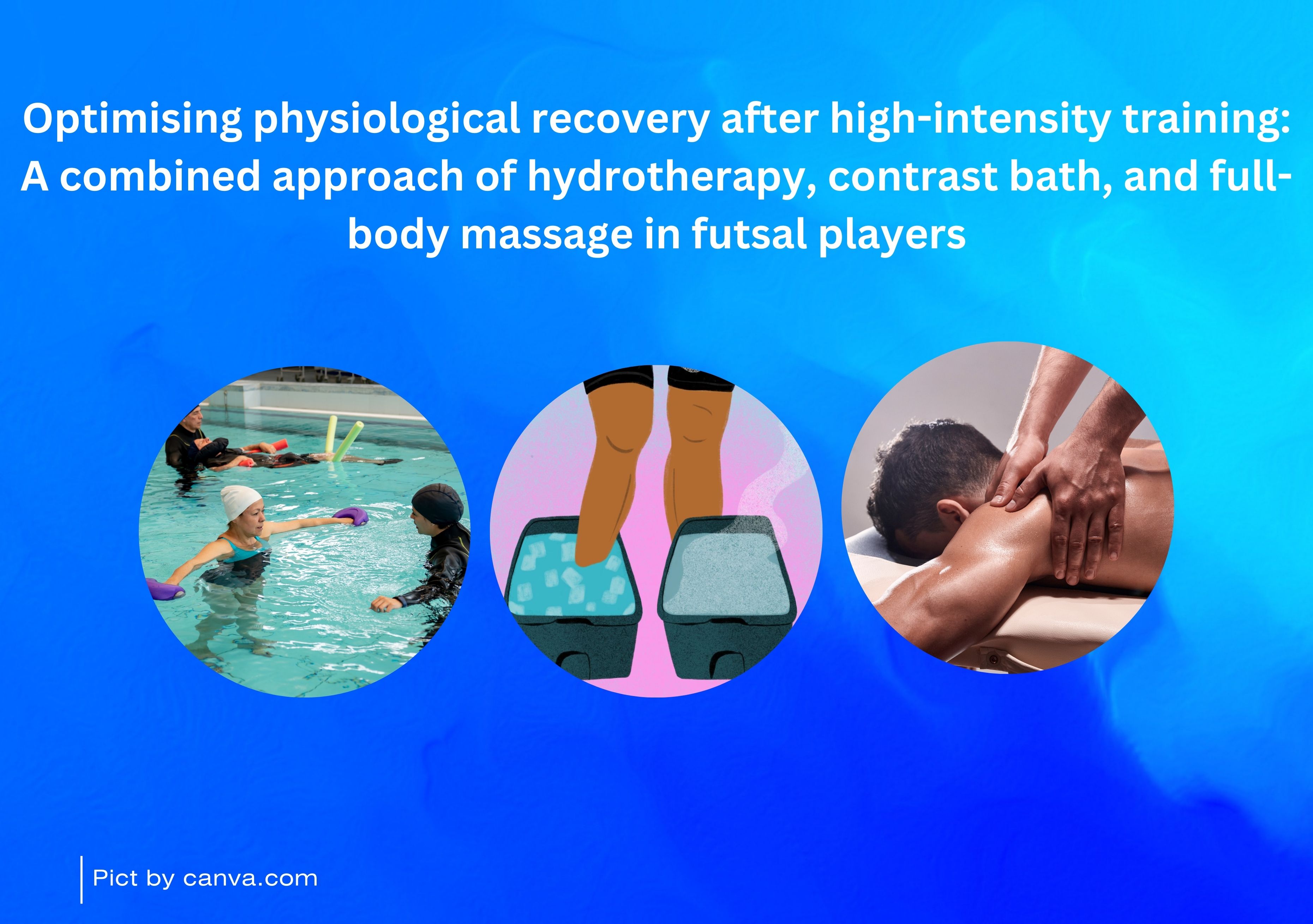
Optimising physiological recovery after high-intensity training: A combined approach of hydrotherapy, contrast bath, and full-body massage in futsal players
Afif Dwi Nugraha1, Laily Mita Andriana2, Muhamad Fauzi Antoni3, Muhammad Labib Siena Ar Rasyid4, Bhekti Lestari51. Universitas Negeri Surabaya , ID2. Universitas Negeri Surabaya , ID3. Universitas Negeri Surabaya , ID4. Universitas Negeri Surabaya , ID5. Universitas Negeri Surabaya , ID2025-12-15|page 302-317AbstractBackground: Efficient recovery after high-intensity interval training (HIIT) is crucial for maintaining optimal performance and minimizing the risk of injury.
Objectives: This study aims to analyze the effectiveness of combining hydrotherapy contrast baths and full-body massage in accelerating physiological recovery after a HIIT session, compared to the application of a single method.
Methods: This study employed a pre–post quasi-experimental design with three parallel groups (n = 45; 15 participants per group) to analyze the effectiveness of hydrotherapy combined with whole-body massage compared with each method applied separately. Participants were assigned to one of three conditions: (1) hydrotherapy contrast bath only, (2) full-body massage only, and (3) a combined intervention using both techniques. Physiological recovery was assessed using validated instruments, including heart rate monitors for heart rate recovery (HRR), portable lactate analysers for blood lactate concentration, and a visual analogue scale (VAS) for perceived muscle soreness. Data were analysed using the Shapiro–Wilk test, paired-sample t-test, and One-Way ANOVA.
Results: The findings demonstrated that the combined hydrotherapy–massage protocol resulted in greater improvements than the single-method groups, particularly in lactate reduction (e.g., -3.1 ± 0.8 mmol/L vs. - 1.9 ± 0.7 mmol/L and - 2.0 ± 0.6 mmol/L; p<0.05) and faster HRR. Participants in the combined group also reported significantly lower muscle soreness (p<0.05).
Conclusions: This suggests that integrating contrast bath hydrotherapy with full-body massage enhances circulation, accelerates metabolic waste clearance, and improves subjective recovery following HIIT. Future studies are recommended to include larger samples, compare different hydrotherapy temperatures, or examine long-term adaptations from repeated recovery sessions.APA Citation StyleNugraha, A. D. , Andriana, L. M. , Antoni, M. F. , Rasyid, M. L. S. A. , & Lestari, B. (2025). Optimising physiological recovery after high-intensity training: A combined approach of hydrotherapy, contrast bath, and full-body massage in futsal players. Physical Education and Sports: Studies and Research, 302-317. https://doi.org/10.56003/pessr.v4i3.655 -

Low-impact specialized pilates is better than low intensity steady state for increasing fitness level
Laily Mita Andriana1, Kunjung Ashadi2, Fransisca Januarumi Marhaendra Wijaya3, Muhamad Fauzi Antoni41. Universitas Negeri Surabaya , ID2. Universitas Negeri Surabaya , ID3. Universitas Negeri Surabaya , ID4. Universitas Negeri Surabaya , ID2025-07-13|page 139-151AbstractBackground: Elderly individuals with disabilities often face challenges in maintaining physical fitness, highlighting the need for effective and appropriate exercise methods tailored to their limitations.
Objectives: This study compares the effectiveness of low-impact specialized Pilates and Low-Intensity Steady-State (LISS) exercise in improving fitness levels among older adults with mild to moderate disabilities. The unique advantage of Pilates in enhancing balance and core strength is presented as a novel contribution.
Methods: A quasi-experimental design with pre-test and post-test assessments was employed, involving 40 elderly participants with disabilities divided into two intervention groups over 8 weeks. Participants were selected through purposive sampling based on the inclusion criteria of 60–75 years with mild to moderate disabilities. Fitness levels were assessed using the Senior Fitness Test, which evaluates muscular strength, balance, flexibility, and aerobic capacity.
Results: Data analysis was conducted using the Shapiro–Wilk test, paired sample t-test, and independent sample t-test. The results demonstrated that the low-impact specialized Pilates group showed significant improvements in core strength, balance, and flexibility, whereas the LISS group exhibited greater improvements in aerobic capacity.
Conclusions: In conclusion, low-impact specialized Pilates is more effective in enhancing overall fitness among elderly individuals with disabilities. Therefore, it is recommended as a suitable exercise modality for rehabilitation and health maintenance programs to improve this population's quality of life and functional independence.
APA Citation StyleAndriana, L. M. , Ashadi, K. , Wijaya, F. J. M. , & Antoni, M. F. (2025). Low-impact specialized pilates is better than low intensity steady state for increasing fitness level. Physical Education and Sports: Studies and Research, 139-151. https://doi.org/10.56003/pessr.v4i2.575 -
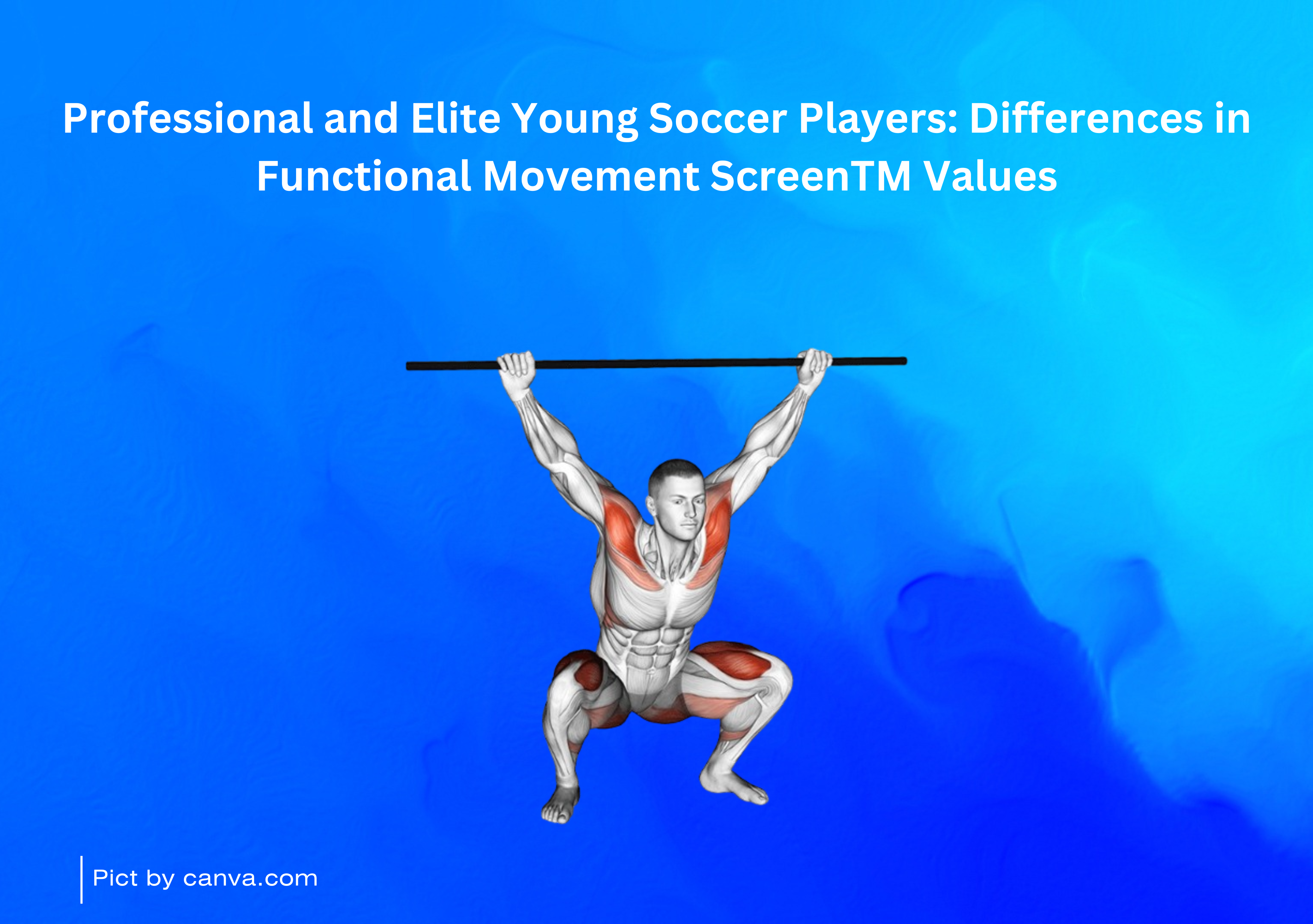
Professional and Elite Young Soccer Players: Differences in Functional Movement ScreenTM Values
Italo Sannicandro1, Giacomo Cofano2, Rosario D'Onofrio3, Andrea Piccinno41. Clinical and Experimental Medicine Department, University of Foggia , IT2. Master degree in Sciences and techniques of preventive and adapted motor activities, University of Foggia; Professional Soccer Strenght and Conditioning , IT3. Member of the Medical-Scientific Multidisciplinary Commission, Italian Football Doctors Association - L.A.M.I.CA. , IT4. Master degree in Motor Sciences, University of Salento, Lecce , IT2023-10-31|page 116-125AbstractBackground: Soccer is a sport that requires very complex movements performed at high speeds: running, jumping, decelerating, changing direction or running direction, and kicking are complex movements that require high control and significant joint stability at all ages. Control of the body and individual body districts becomes important for both performance and injury prevention.
Objective: This study aims to verify the Functional Movement Screen (FMSTM) values in different categories of players, from the youth leagues to professional soccer players.
Methods: A sample of soccer players (n=112) took part in the study. The sample was subdivided according to their category, resulting in the following subgroups: a) professional soccer players (PSP, n=56,), Under 19 - Primavera (U19, n=29), Under 17 (U17, n=27). The FMS protocol was used to assess the seven functional movements and the associated risk of non-contact injury.
Results: Statistically significant differences emerged in the total scores between the U17 group and the PSP group (14.8±2.9 vs 19.1±1.4, p<0.01), between the U17 group and the Under 19 - Primavera group (14.8±2.9 vs 16.2±2.1, p<0.05) and between the Under 19 - Primavera group and the PSP (16.2±2.1 vs 19.1±1.4, p<0.01).
Conclusion: The values obtained show that young soccer players have a very different qualitative control of movement than highly qualified players. This study shows significant differences not only between the total scores, but more importantly between the individual 7 assessment tests that the FMS protocol includes: these values provide insight into which movements should receive more attention in athletic conditioning in the youth sector.
APA Citation StyleSannicandro, I. , Cofano, G. , D'Onofrio, R. , & Piccinno, A. (2023). Professional and Elite Young Soccer Players: Differences in Functional Movement ScreenTM Values. Physical Education and Sports: Studies and Research, 116-125. https://doi.org/10.56003/pessr.v2i2.269 -
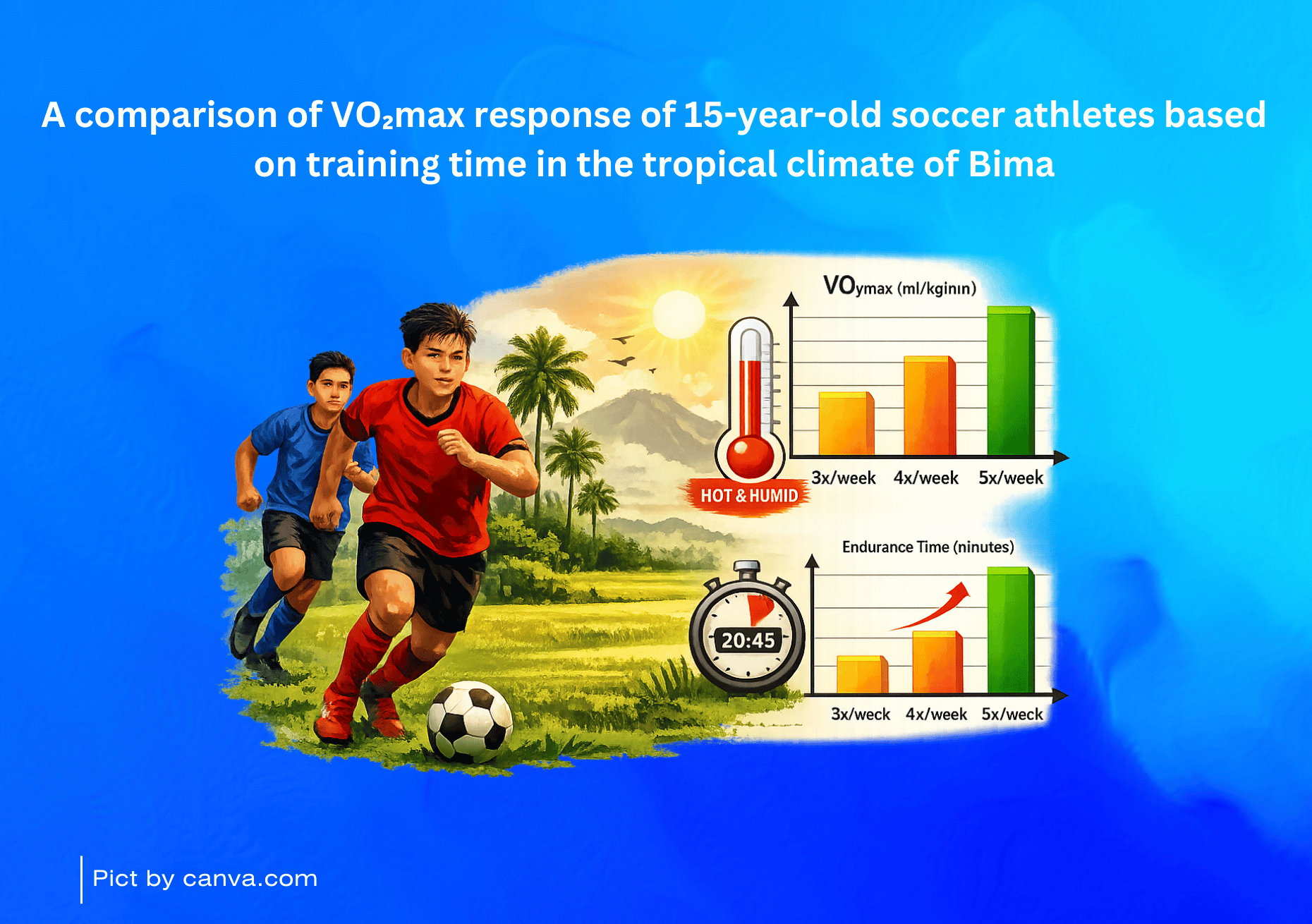
A comparison of VO₂max response of 15-year-old soccer athletes based on training time in the tropical climate of Bima
Firdaus Firdaus1, Taty Hartati2, Rabwan Satriawan3, Shutan Arie Shandi4, Nor Fazila Abd Malek51. Department of Physical Education, STKIP Taman Siswa Bima , ID2. Department of History, STKIP Taman Siswa Bima , ID3. Department of Physical Education, STKIP Taman Siswa Bima , ID4. Department of Physical Education, STKIP Taman Siswa Bima , ID5. Faculty of Sports Science and Coaching, Sultan Idris Education University , MY2026-04-14|page 125-134AbstractBackground: VO₂max is the primary indicator of a soccer athlete's aerobic capacity, but in tropical climates like Bima, high temperatures and humidity can affect VO₂max achievement. Hence, the timing of training is an important factor to consider.
Objectives: This study aims to analyze differences in VO₂max across training times (morning and afternoon) in 15-year-old youth soccer athletes from the Bima Football Association (PERSSEBI).
Methods: The study used a quantitative, comparative, cross-sectional observational design. The study subjects were 45 athletes (age 15.31±0.46; height 163.12±4.35 cm; weight 55.28±3.67 kg; and body mass index (BMI) 20.78±1.18 kg/m²) from the Bima Football Association (PERSEBI), selected by purposive sampling, and divided into morning (n=23) and afternoon (n=22) training groups. VO₂max was measured using a multistage fitness test (Bleep Test). Data analysis included descriptive statistics, the Shapiro–Wilk normality test, the Levene homogeneity test, and the independent-samples t-test at a significance level of 0.05, using IBM SPSS 25.
Results: The descriptive analysis showed that the average VO₂max of the morning group was 43.78 ± 2.34 ml/kg/minute, higher than that of the afternoon group (42.91 ± 2.29 ml/kg/minute). The results of the independent sample t-test showed that there was a significant difference in VO₂max between the two groups with a t value = 2.14 with df = 43 and a significant p value = 0.04 (p < 0.05) with an average difference of 0.87 ml/kg/minute indicating that the morning exercise group had a higher Vo2max value than the afternoon exercise group.
Conclusions: These findings suggest that training time contributes to differences in athletes' VO₂max values in tropical environments, with morning training resulting in higher performance than afternoon training. Therefore, scheduling training that accounts for environmental conditions is crucial for optimizing athletes' VO₂max.
APA Citation StyleFirdaus, F. , Hartati, T. , Satriawan, R. , Shandi, S. A. , & Malek, N. F. A. (2026). A comparison of VO₂max response of 15-year-old soccer athletes based on training time in the tropical climate of Bima. Physical Education and Sports: Studies and Research, 125-134. https://doi.org/10.56003/pessr.v5i1.709 -

The effect of peer teaching and think pair share on rhythmic gymnastics learning outcomes
Muhammad Lutfi Hasan1, Ibnu Fatkhu Royana2, Utvi Hinda Zhannisa31. Universitas PGRI Semarang , ID2. Universitas PGRI Semarang , ID3. Universitas PGRI Semarang , ID2025-08-14|page 195-203AbstractBackground: Rhythmic gymnastics plays a vital role in developing students' motor skills, coordination, and rhythm, yet many still face challenges in mastering movement concepts.
Objectives: This study compared the effectiveness of Peer Teaching and Think Pair Share (TPS) cooperative learning models in improving rhythmic gymnastics learning outcomes.
Methods: A quasi-experimental design with a two-group pretest–posttest was conducted on 68 eighth-grade students (male and female) at State Junior High School 4 Semarang, divided into Peer Teaching (n=34) and TPS (n=34) groups. Learning outcomes were assessed using a validated rhythmic gymnastics performance test, and data were analyzed descriptively with gain score calculation.
Results: The TPS group achieved a greater improvement in posttest scores (from 67.21 to 79.59; +18.41%) compared to the Peer Teaching group (from 79.18 to 79.85; +0.85%). These results indicate that TPS enhances students' understanding, coordination, and engagement in rhythmic gymnastics learning.
Conclusions: TPS is recommended for physical education teachers to improve performance, particularly for students with lower initial skills. Further studies should explore its long-term effects and retention.
APA Citation StyleHasan, M. L. , Royana, I. F. , & Zhannisa, U. H. (2025). The effect of peer teaching and think pair share on rhythmic gymnastics learning outcomes. Physical Education and Sports: Studies and Research, 195-203. https://doi.org/10.56003/pessr.v4i2.619 -

An analysis of anxiety levels among volleyball athletes during a provincial inter-club tournament in Jakarta, Indonesia
Rea Rizkita Raga1, Yunita Lasma21. Universitas Islam 45 Bekasi , ID2. Universitas Islam 45 Bekasi , ID2025-07-27|page 175-185AbstractBackground: Competitive anxiety is a key psychological factor that can significantly affect an athlete's performance. In volleyball, high-pressure situations often lead to anxiety, potentially hindering players' ability to perform optimally.
Objectives: This study aims to assess the levels of anxiety experienced by volleyball athletes competing in the Special Capital Region Jakarta Inter-Club Provincial Championship.
Methods: A descriptive quantitative design was used, with data collected through a survey involving 70 volleyball athletes. The instrument used was a 35-item anxiety questionnaire categorized into two phases: before the match (18 items) and during the match (17 items). Responses were measured using a 5-point Likert scale. Validity testing confirmed all items were valid, and the instrument showed high reliability (α = 0.954), as analyzed using SPSS 23.
Results: During the match, 35.7% of athletes experienced high anxiety, while 64.3% showed low anxiety. Prior to the match, 44.3% reported high anxiety and 55.7% reported low anxiety. Overall, 36.6% of athletes showed high anxiety levels, while 61.4% displayed low levels. These results indicate that most athletes have relatively good emotional regulation abilities in competitive situations.
Conclusions: The study underscores the critical role of psychological readiness in athletic performance. Coaches and policymakers are encouraged to integrate structured mental training programs into athlete development. Future research should explore variables contributing to anxiety, such as playing position, competitive experience, and demographic factors like age and gender.
APA Citation StyleRaga, R. R. , & Lasma, Y. (2025). An analysis of anxiety levels among volleyball athletes during a provincial inter-club tournament in Jakarta, Indonesia. Physical Education and Sports: Studies and Research, 175-185. https://doi.org/10.56003/pessr.v4i2.605 -
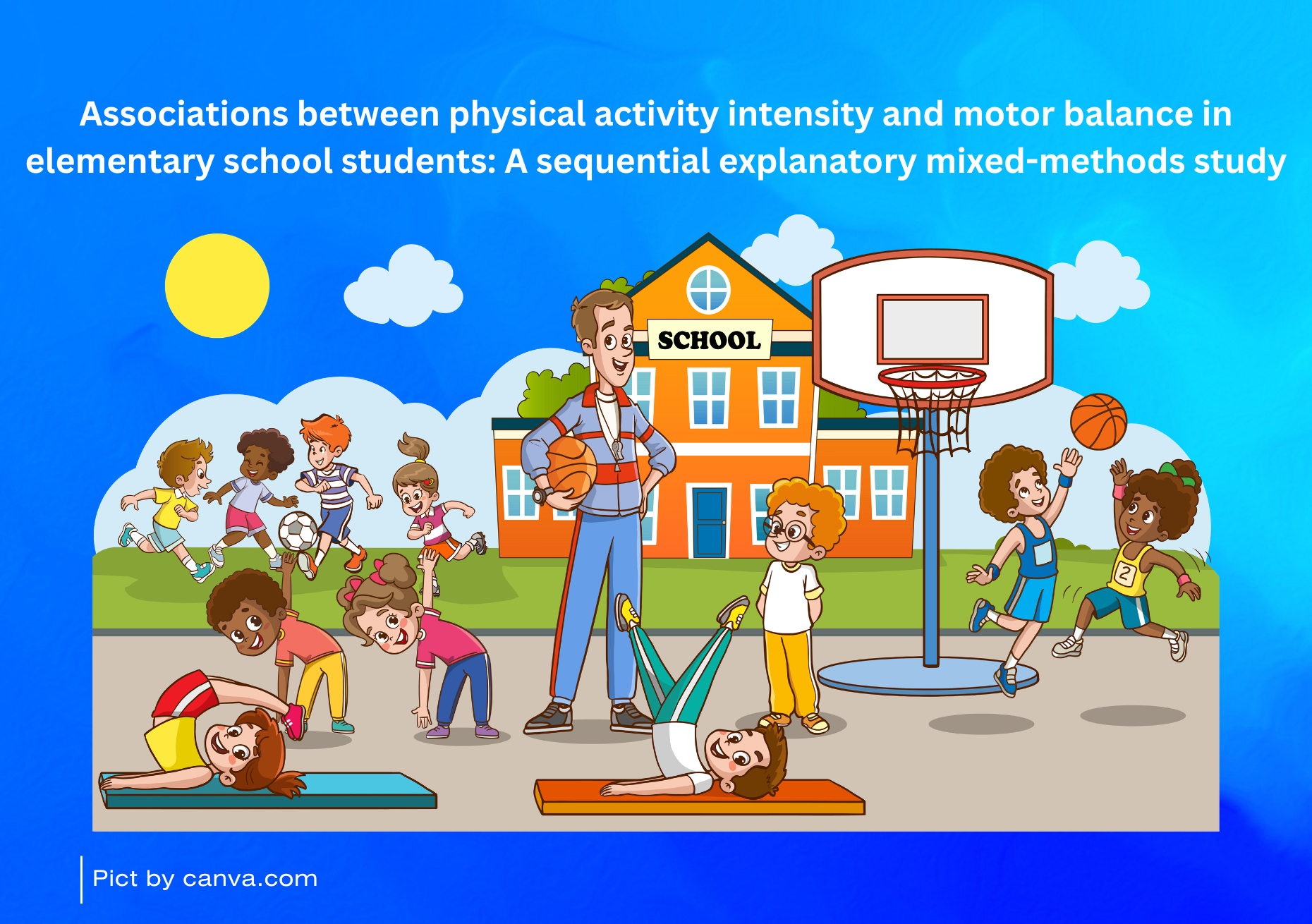
Associations between physical activity intensity and motor balance in elementary school students: A sequential explanatory mixed-methods study
Fahrurrohman Firdaus1, Indra Safari2, Rizal Ahmad Fauzi31. Indonesian University of Education , ID2. Indonesian University of Education , ID3. Indonesian University of Education , ID2026-04-01|page 47-56AbstractBackground: Children in primary school are becoming more sedentary due to advances in digital technology, which may reduce their physical activity levels. The development of motor skills, especially balance, which is an essential feature of children's motor abilities, can be impacted by a lack of physical activity.
Objectives: This study aimed to examine the association between physical activity intensity and motor balance in elementary school students.
Methods: This study used a sequential explanatory mixed-methods design. The quantitative phase involved 50 students selected using saturated sampling, while the qualitative phase involved teachers and students selected purposively. Physical activity intensity was measured using the Physical Activity Questionnaire for Older Children (PAQ-C), while motor balance was assessed using the Balance Beam Test. Quantitative data were analyzed using Spearman's rank correlation, and qualitative data were analyzed using thematic analysis in NVivo.
Results: With a correlation coefficient of r = 0.687 and p < 0.05, the analysis demonstrated a strong, substantial positive link between motor balance levels and physical activity intensity. The intensity of physical activity accounted for 47.2% of motor balance. Qualitative research revealed that students with high levels of physical activity were more likely to engage in active play, such as running outside, cycling, and soccer, which, in turn, indirectly improve balance and postural stability.
Conclusions: This study demonstrates that physical activity intensity plays an important role in the development of motor balance among elementary school students. These findings highlight the importance of integrating active movement-based learning strategies in physical education programs.
APA Citation StyleFirdaus, F. , Safari, I. , & Fauzi, R. A. (2026). Associations between physical activity intensity and motor balance in elementary school students: A sequential explanatory mixed-methods study. Physical Education and Sports: Studies and Research, 47-56. https://doi.org/10.56003/pessr.v5i1.706 -

Determinants of athlete motivation and engagement in collegiate team sports: Toward a sports development framework
Teejay D. Panganiban1, Samboy Nabor21. Batangas State University TNEU JPLPC-Malvar , PH2. University of Perpetual Help System Dalta Las Piñas , PH2026-04-14|page 147-159AbstractBackground: Athlete motivation and sustained engagement are essential for retention in collegiate sports programs; however, the institutional and environmental factors that influence these outcomes remain underexplored.
Objectives: This study aimed to examine the determinants of athlete motivation and engagement in collegiate team sports using a Self-Determination Theory perspective, with engagement serving as a proxy for retention behavior.
Methods: A mixed-methods design was employed involving 75 collegiate student-athletes representing basketball, volleyball (men and women), baseball, and softball teams. Quantitative data were collected using a validated, researcher-developed questionnaire based on Self-Determination Theory and analyzed using descriptive statistics, Pearson's correlation, multiple regression, and Structural Equation Modeling (SEM). In contrast, qualitative data were analyzed using thematic analysis.
Results: Findings revealed that organizational commitment (M = 3.42) and environmental support (M = 3.47) were rated very high, while incentives and facilities were rated high. All program components were significantly associated with athlete engagement (p < .05). Regression analysis showed that environmental support (β = .36) and perceived support (β = .31) were the strongest predictors, explaining 68% of the variance (R² = 0.68). SEM results indicated a good model fit (CFI = 0.95; RMSEA = 0.061).
Conclusions: Qualitative findings highlighted intrinsic motivations, such as passion and belonging, as well as extrinsic motivators, including scholarships and rewards, alongside barriers, including financial delays, academic conflicts, and burnout. The study concludes that environmental and perceived support are the primary determinants of athlete engagement, emphasizing the critical role of competence-supportive environments in sustaining motivation and improving athlete retention.
APA Citation StylePanganiban, T. D. , & Nabor, S. (2026). Determinants of athlete motivation and engagement in collegiate team sports: Toward a sports development framework. Physical Education and Sports: Studies and Research, 147-159. https://doi.org/10.56003/pessr.v5i1.718 -
Effectiveness of adding single leg hop training to wobble board training in improving dynamic balance and lower limb explosive power in 13–14-year-old basketball players: A randomized controlled trial
Lanang Imam Herlambang1, I Made Muliarta2, Wahyuddin Wahyuddin31. Master's Program in Sport Physiology, Faculty of Medicine, Universitas Udayana , ID2. Master's Program in Sport Physiology, Faculty of Medicine, Universitas Udayana , ID3. Faculty of Physiotherapy, Universitas Esa Unggul , ID2026-09-07|page 248-263AbstractBackground: Dynamic balance and lower-limb explosive power are important for youth basketball performance. Wobble board training may improve postural control, while single leg hop exercises may provide additional benefits through dynamic unilateral loading. However, evidence regarding their combined effects in adolescent basketball players remains limited.
Objective: To determine whether adding single leg hop training to wobble board training produces greater improvements in dynamic balance and lower-limb explosive power than wobble board training alone in 13–14-year-old basketball players.
Methods: This randomized controlled trial included 40 players randomly allocated (1:1) to wobble board training (control; n = 20) or combined wobble board and single leg hop training (experimental; n = 20). Both groups trained for six weeks, three 30-minute sessions per week. Dynamic balance (primary outcome) and lower-limb explosive power (secondary outcome) were assessed using the Y-Balance Test (YBT) and Vertical Jump Test (VJT), respectively. Within- and between-group changes were analysed using paired- and independent-samples t-tests (α = 0.05).
Results: All participants completed the intervention. Both groups improved significantly in YBT and VJT performance (p < 0.001). The experimental group showed greater improvements in YBT (mean change: 15.32 vs 5.23 cm; mean difference = 10.08 cm; 95% CI [7.73, 12.43]; p < 0.001; d = 2.75) and VJT (5.75 vs 0.82 cm; mean difference = 4.94 cm; 95% CI [4.22, 5.66]; p < 0.001; d = 4.41).
Conclusion: Adding single leg hop training to wobble board training produced greater improvements in dynamic balance and lower-limb explosive power. However, the findings do not establish an isolated single-leg-hop effect or injury-prevention benefit.
APA Citation StyleHerlambang, L. I. , Muliarta, I. M. , & Wahyuddin, W. (2026). Effectiveness of adding single leg hop training to wobble board training in improving dynamic balance and lower limb explosive power in 13–14-year-old basketball players: A randomized controlled trial. Physical Education and Sports: Studies and Research, 248-263. https://journal.rezkimedia.or.id/pes/article/view/760

1 - 14 of 14 items




















