
Search
Search Results
##search.searchResults.foundPlural##
-


Benefits of the SHC System on Publication Management and Promotion of Sports Actor Services
Sapto Adi1, Abi Fajar Fathoni21. State University of Malang , ID2. State University of Malang , ID2022-04-06|page 1-20AbstractBackground: Publication and promotion of the profession as a sports actor has not been seen optimally. One that shows this is that it is difficult to find traces of the legality of the profession, its achievements, and its relationships. Some of these traces are very important to know because they can be a measure of the quality of services so that the public can determine the appropriate sports players to meet the needs of services in the field of sports. For this reason, it is necessary to develop an online system that makes it easier for the public to obtain information related to sports actors. As well as helping sports actors for the publication and promotion of their profession.
Objectives: The purpose of the research is to develop a Sport Human Connection (SHC) system that can help sports players for publication and promotion of their profession.
Methods: This research method uses research and development methods. The research subjects were sports actors (coaches, athletes, management of sports institutions, masseurs, and physiotherapists) as many as 60 people. The selection of research subjects was done randomly. The data collection technique was carried out by conducting a survey. The research instrument used closed and open questionnaires. The data analysis technique used is descriptive quantitative data analysis and narrative analysis.
Results: From the data obtained from the research subjects, it can be said that the SHC system has benefits for the publication and promotion of the profession of sports players with the support of features that display professional legality, achievements, relations, and communication features.
Conclusion: Looking at the results of the study, it can be concluded that the SHC system provides the benefits of publication and promotion of the profession of sports players.
APA Citation StyleAdi, S. , & Fathoni, A. F. (2022). Benefits of the SHC System on Publication Management and Promotion of Sports Actor Services. Physical Education and Sports: Studies and Research, 1-20. https://doi.org/10.56003/pessr.v1i1.71 -

Mislabeling latent variables in factor analysis applied to football playing style research: A commentary
Spyridon Plakias11. Department of Physical Education and Sports, University of Thessaly , GR2026-03-25|page 40-46AbstractThe application of exploratory factor analysis and principal component analysis (PCA) has become increasingly prevalent in football analytics, offering a robust framework for identifying and quantifying playing styles. By condensing a large set of performance indicators into factors, these techniques provide valuable insights into tactical patterns. However, a persistent challenge lies in the subjective labeling of these factors, which can lead to ambiguous or misleading interpretations. This commentary highlights the issue of mislabeling latent variables in football playing style research, drawing on examples from recent studies to illustrate how inaccurate labels can distort both theoretical understanding and practical applications. The implications of poor labeling extend beyond academic discourse, potentially affecting coaches and analysts who rely on data-driven insights for tactical planning. To address these challenges, we propose best practice recommendations emphasizing conceptual clarity, standardized terminology, and expert validation. Accurate and consistent factor labeling is essential to ensure the reliability, comparability, and practical relevance of findings in the evolving field of football performance analysis.
APA Citation StylePlakias, S. (2026). Mislabeling latent variables in factor analysis applied to football playing style research: A commentary. Physical Education and Sports: Studies and Research, 40-46. https://doi.org/10.56003/pessr.v5i1.693 -

A Modern Pedagogical Approach in The Subject of Physical Education
Ferdinando Cereda11. The Catholic University of the Sacred Heart in Milan , IT2023-10-31|page 126-141AbstractBackground: The pedagogical paradigm (PP) is a complex framework encompassing various pedagogical elements integral to the instructional and educational process. These paradigms manifest in diverse forms without entirely replacing their precursor frameworks, as they are built upon established principles and concepts. Understanding the architectural structure of each paradigm is crucial in distinguishing these pedagogical models.
Objective: This exposition aims to provide a rationale for the integration of the pedagogical paradigm within the realm of PE.
Methods: In the literature review, the EBSCO database was utilized via SPORTDiscus. This theoretical review draws upon various scholarly sources, including Taylor and Francis, ERIC, Scopus, Google Scholar These repositories provide a global perspective, with the majority of references selected from the decade leading up to the onset of the pandemic.
Results: The literature analysis reveals the intricate nature of pedagogical paradigms and their importance in the field of PE. It underscores the need for instructors to adapt their teaching approaches to meet the specific needs of students based on their age and developmental stage. The integration of the pedagogical paradigm within PE is proposed as a valuable concept to enhance the quality of physical education programs.
Conclusion: The incorporation of the PP into the domain of PE holds promise for improving the effectiveness of PE instruction. This review, based on a thorough examination of pertinent literature, highlights the relevance of PP in adapting teaching methodologies to suit the diverse needs of students. While this study does not provide empirical evidence, it lays the theoretical groundwork for future research and practical applications in the field of PE. Further investigations and practical implementations are warranted to assess the feasibility and benefits of incorporating PP within PE instruction.
APA Citation StyleCereda, F. (2023). A Modern Pedagogical Approach in The Subject of Physical Education. Physical Education and Sports: Studies and Research, 126-141. https://doi.org/10.56003/pessr.v2i2.265 -

Capabilities in Physical Education: A Comparative Analysis of School Heads’ and Teachers’ Perspectives
Davidsol Mendoza1, Maryjane Calabia21. Batangas State University , PH2. Padre Garcia Integrated National High School , PH2024-04-29|page 26-45AbstractBackground: Effective education delivery relies on PE teachers’ abilities. Research indicates that students’ school performance significantly depends on the quality of PE teaching.
Objectives: This study focused on assessing instructional capabilities in physical education. Specifically, it examined how school heads and teachers evaluated teachers’ abilities in content knowledge, pedagogical skills, communication, and professionalism. Additionally, the study compared assessments between the two groups.
Methods: The study employed a descriptive research design involving 98 physical education teachers and 59 school heads from the Division of Batangas City. Data collection utilized a researcher-made questionnaire and interviews. Statistical analysis involved weighted mean and independent t-tests for data interpretation.
Results: The assessment revealed valuable insights regarding PE teachers’ instructional capabilities. Administrators acknowledged strengths in lesson introduction and accurate content delivery. However, areas for improvement included integrating key elements and promoting higher-order thinking skills. PE teachers felt confident introducing lessons but recognized a need to refine performance demonstrations. Administrators praised diverse teaching methods but suggested creating more challenging experiences. Communication skills were positive, with room for improvement in grammatical accuracy. PE teachers expressed dedication to student physical education but identified a need for more decisive leadership in school-based activities. The findings highlighted specific improvement needs while emphasizing contrasting perceptions between administrators and PE teachers.
Conclusion: The assessment found that physical education (PE) teachers are capable in delivering junior high school PE. However, they need familiarity with emerging trends to enhance instruction. School heads and PE teachers have differing views on instructional capabilities, attributed to assessment sources: administrators rely on scheduled observations, while PE instructors use self-assessment and daily teaching experiences.
APA Citation StyleMendoza, D. , & Calabia, M. (2024). Capabilities in Physical Education: A Comparative Analysis of School Heads’ and Teachers’ Perspectives. Physical Education and Sports: Studies and Research, 26-45. https://doi.org/10.56003/pessr.v3i1.347 -

Teachers’ Management in Implementation of CHED Memorandum Order (CMO) 39, Series of 2021 towards the Achievement of Students’ Learning Outcomes in Physical Education
John Michael Aquino11. Laguna State Polytechnic University , PH2023-04-20|page 26-43AbstractBackground: The Commission on Higher Education (CHED) has issued Memorandum Order (CMO) No. 39, Series of 2021 that strengthens the management of physical education teachers and promotes the achievement of students’ learning outcomes. Higher education institutions will guarantee that they are adhering to the requirements of the CMO to ensure the quality of instruction in physical education and the improvement of the students’ learning outcomes.
Objectives: This research aims to investigate the process of implementation of the CMO 39, Series of 2021 and its contribution to the improvement of student learning outcomes in Physical Education (PE).
Methods: Through a qualitative research design based on a phenomenological approach, the researchers employed a purposive sampling method to select 9 male and 3 female PE teachers from Higher Learning Institution in the Philippines. A non-test instrument consisting of an interview guide was used to collect data from the study participants. The data was then analyzed to identify themes and patterns that emerged from the responses.
Results: The study revealed the effectiveness of physical education in terms of student motivation, class orientation, students’ participation, and the application of the Physical Activity Towards Health and Fitness (PATHFIT) program. The findings show that physical education is an important part of the educational process and has a direct influence on the students' learning outcomes. Furthermore, the study also highlights the importance of providing students with the necessary knowledge and skills to succeed, and of assessing the students' abilities from their performance to achieve course objective with good behavior and attitude.
Conclusion: It showed potential areas of improvement in the implementation process to ensure that the objectives of the memorandum are achieved, which is necessary for teachers to be aware of the competencies that need to be developed for students. This research will contribute to the existing literature on the importance of quality assurance programs, particularly in the area of physical education.
APA Citation StyleAquino, J. M. (2023). Teachers’ Management in Implementation of CHED Memorandum Order (CMO) 39, Series of 2021 towards the Achievement of Students’ Learning Outcomes in Physical Education. Physical Education and Sports: Studies and Research, 26-43. https://doi.org/10.56003/pessr.v2i1.190 -

Association between External Load and Injury Incidence in Professional and Elite-Youth Football Players
Georgios Georgiadis1, Rainer van Gaal Appelhof2, Rick Stoop3, Jeroen Peters4, Johannes Essers51. Department of Nutrition and Movement Sciences, NUTRIM School of Nutrition and Translational Research in Metabolism, Maastricht University , NL2. Football Club Utrecht, Herculesplein 241, 3584 AA Utrecht, The Netherlands , NL3. Football Club Utrecht, Herculesplein 241, 3584 AA Utrecht, The Netherlands , NL4. Football Club Utrecht, Herculesplein 241, 3584 AA Utrecht, The Netherlands , NL5. Department of Nutrition and Movement Sciences, NUTRIM School of Nutrition and Translational Research in Metabolism, Maastricht University , NL2024-04-19|page 10-25AbstractBackground: Elite football players are monitored daily to minimize injury risks and maximize performance.
Objectives: The aim of the study was to investigate injury incidence differences between competition and training and differences in key external load indicators during 1-, 2-, 3- or 4-weeks prior to the injury (WPI) with respect to the season average week (SAW).
Methods: Data of 224 unique players of five teams (1st, under-23, under-18, under-17, and under-16) were collected during 3.5 seasons of competition and training resulting in 467 player records in total. Collected data included kinematics from Global Positioning System tracking units (Viper Units, STATSports) and 528 injury incident records. External load was expressed in terms of acceleration counts (ACC), deceleration counts (DEC), total training time (TT), total distance (TD), and distance covered in high-speed zones: 14.4-19.7 km/h (Z4), 19.7-25.1 km/h (Z5), and >25.1 km/h (Z6). Injury incidence was derived as number of injuries per 1000 hours of exposure.
Results: Incidence rate was on average 4-11 times higher during competition than training for all teams except under-16 (incidence rate: 2.5, p=.153). In the 1st Team, external load (i.e. ACC, TT, and TD) were significantly different between 1-, 2-, 3-, and 4-WPI and SAW (p=.041, p=.037, and p=.049 respectively). For ACC and TT, the 3-WPI loads, were significantly higher than during SAW (p=.044 and p=.038, respectively).
Conclusion: These findings can assist professionals and scientists to improve their understanding of the relationship between external load indicators and injury incidence and consequently improve player health and performance.
APA Citation StyleGeorgiadis, G. , van Gaal Appelhof, R. , Stoop, R. , Peters, J. , & Essers, J. (2024). Association between External Load and Injury Incidence in Professional and Elite-Youth Football Players. Physical Education and Sports: Studies and Research, 10-25. https://doi.org/10.56003/pessr.v3i1.316 -

Correlation Between Blood Lactate and Salivary Biomarkers During Exercise in Women with Hypothyroidism Treated With L-Thyroxine
Romeu Paulo Martins Silva1, Alexandre Gonçalves2, Carolina Freitas da Silva3, Miguel Júnior Sordi Bortolini4, Elmiro Santos Resende5, Luis Carlos Oliveira Gonçalves6, Aníbal Monteiro de Magalhães-Neto7, Foued Salmen Espindola81. Federal University of Catalão, Brazil , BR2. IMEPAC University Center, Araguari - MG, 38444-128, Brazil , BR3. Federal University of Acre, Rio Branco - AC, 69920-900, Brazil , BR4. Federal University of Acre, Rio Branco - AC, 69920-900, Brazil , BR5. Federal University of Uberlandia - MG, 38405-320, Brazil , BR6. Federal University of Mato Grosso - MT, 78060-900, Brazil , BR7. Federal University of Mato Grosso - MT, 78060-900, Brazil , BR8. Federal University of Uberlandia - MG, 38405-320, Brazil , BR2024-05-05|page 57-76AbstractBackground: Hypothyroidism reduces circulating levels of thyroid hormones metabolic enzymatic activities, and the skeletal muscle's work capacity and lactatemia increase during exertion.
Objectives: To analyze salivary biomarkers and blood lactate obtained in exercise stages through exhaustion and investigate their correlation.
Methods: Eight females attended the University Clinical Hospital who showed a condition of subclinical hypothyroidism. Before they began replacing with L-thyroxine, they were submitted to an ergometric test to check their tolerance to effort. Eight weeks after treatment, all volunteers were again submitted to lab and ergometric tests. Saliva and blood were collected to determine total protein, nitric oxide, IgA, lactate, and lipid profile.
Results: The present study identified a correlation (0.8), so the behavior of the blood lactate could explain the behavior of the salivary of total proteins by 74.22% (R2 = 0.7422). Lactate production was minimized when women underwent L-thyroxine treatment in the first six stages of exercise. Still, total salivary proteins increased for pharmacotherapy between stages 1 and 8. While salivary nitric oxide had a percentage variation between pre- and post-exercise times of 96% before the start of treatment when the same exercise was performed after eight weeks of treatment with L-Thyroxine, this variation was 150%.
Conclusion: The measurement of STP is an essential marker of stress, and it is highly correlated with the most used blood marker, lactate. Regarding treatment with L-Thyroxine in women with subclinical hypothyroidism, after eight weeks of this therapy, it was possible to observe a reduction in blood lactate production after the incremental load test on a cycle ergometer, accompanied by a reduction in the concentration of SA. SNO and SIgA tended to increase in women undergoing treatment, and this treatment should be considered in subsequent studies as causing a different effect on these markers.
APA Citation StyleSilva, R. P. M. , Gonçalves, A. , Silva, C. F. D. , Bortolini, M. J. S. , Resende, E. S. , Gonçalves, L. C. O. , Magalhães-Neto, A. M. D. , & Espindola, F. S. (2024). Correlation Between Blood Lactate and Salivary Biomarkers During Exercise in Women with Hypothyroidism Treated With L-Thyroxine. Physical Education and Sports: Studies and Research, 57-76. https://doi.org/10.56003/pessr.v3i1.346 -

Analysis of stroke rate (SR) and Stroke Length (SL) the Three Fastest Breaststroke Swimmers at the Tokyo Olympics 2021
Novan Purnama Alim1, Supriatna Supriatna2, Yulingga Nanda Hanief31. Malang State University , ID2. Malang State University , ID3. Malang State University , ID2024-10-27|page 137-154AbstractBackground: Swimming velocity results from a combination of stroke rate (SR) and stroke length (SL). Previously, it was rare to find studies that discussed the pattern of SR and SL length in Olympic swimmers, especially in breaststroke swimmers, as a benchmark reference in a study.
Objectives: This study aimed to determine the practical pattern of the stroke rate (SR) and stroke length (SL) of 100 m and 200 m breaststroke swimmers ranked first to third at the 2021 Tokyo Olympics.
Methods: This study uses quantitative descriptive analysis research with non-test techniques using observation. These non-test techniques involve the systematic observation and recording of the SR and SL length of breaststroke swimmers at the 2021 Tokyo Olympics, as this study aims to determine their patterns.
Results: The results of this study show: in the 100 meters breaststroke men's effective SR pattern (45-75 strokes/min) and SL length (1.33-2.14 m/stroke); 200 meters breaststroke men's effective SR pattern (33-49 strokes/min) and SL length (1.55-2.77 m/stroke); 100 meters breaststroke women's effective SR pattern (30-63 strokes/min) and SL length (1-2.14 m/stroke); and 200 meters breaststroke women's effective SR pattern (32-48 strokes/min) and SL length (1.6-2.5 m/stroke).
Conclusion: This research concludes that the effective pattern of SR and SL of 100 m and 200 m breaststroke swimmers, as identified in the results, can serve as a benchmark for understanding and improving the performance of competitive breaststroke swimmers.
APA Citation StyleAlim, N. P. , Supriatna, S. , & Hanief, Y. N. (2024). Analysis of stroke rate (SR) and Stroke Length (SL) the Three Fastest Breaststroke Swimmers at the Tokyo Olympics 2021. Physical Education and Sports: Studies and Research, 137-154. https://doi.org/10.56003/pessr.v3i2.388 -

Survey of Interest and Talent in Participating in Aerobic Gymnastics on the Nusantara Aerobic Gymnastics Team in 2021
Arum Dwi Masruroh1, Puspodari2, Reo Prasetiyo Herpandika31. Universitas Nusantara PGRI Kediri , ID2. Universitas Nusantara PGRI Kediri , ID3. Universitas Nusantara PGRI Kediri , ID2022-04-07|page 29-37AbstractBackground: The background of this research is based on the results of the researchers' observations, namely the Nusantara aerobics gymnastics team that has not been able to recruit new members from other majors and the uneven development of aerobic gymnastics talent possessed by members.
Objectives: This study aimed to determine the level of interest and talent in aerobics among members of the Nusantara Aerobics Gymnastics Team in 2021.
Methods: This study used a quantitative descriptive approach with a survey method. The subjects in this study were members of the Nusantara Aerobics Gymnastics Team, which consisted of 30 members. The sampling technique used is total sampling because the number of members is relatively small. The data collection technique used an instrument in the form of a questionnaire for interest data and a potential talent test in a sports search. The data analysis technique is in the form of a percentage using Microsoft Excel 2016 and SPSS v.23 software for windows.
Results: Based on the study results and the results of the analysis, it can be seen that the level of interest in participating in aerobic exercise on the Aerobic Gymnastics Team is included in the very high category with a percentage score range of 90% - 100%. While the aerobic gymnastics talent possessed by members of the Aerobics Gymnastics Team can be seen in the results, namely, five members are classified as potential with a percentage of 16.7%, nine members are quite potential with a percentage of 30%, 13 members are classified as less potential with a percentage 43.3%, and three members are classified as not potential with a percentage of 10%.
Conclusion: In conclusion, the interest of the Nusantara Aerobics gymnastics team members is very high, but they are less talented.
APA Citation StyleMasruroh, A. D. , Puspodari, P. , & Herpandika, R. P. (2022). Survey of Interest and Talent in Participating in Aerobic Gymnastics on the Nusantara Aerobic Gymnastics Team in 2021. Physical Education and Sports: Studies and Research, 29-37. https://doi.org/10.56003/pessr.v1i1.94 -

Enhancing Students' Learning Performance in Physical Education Through the Use of a Mobile Application with Game-Based Learning Approach
Carla Jobelle Culajara11. Sta. Catalina National High School , PH2023-04-19|page 1-9AbstractBackground: In response to the transition of learning from confinement at home and now having in-person classes, being flexible to the needs of students must be innovative and creative to slowly get their attention and motivation to learn.
Objectives: The objective of the study is to determine the effect of the developed mobile application to students learning performance in Physical Education.
Methods: The researcher used quasi-experimental research design utilizing pretest and posttest. Purposive sampling was used to determine the participants consisting of 25 students under control group and 25 students under experimental group which were Grade 10 students in one of the secondary schools in the Philippines. JASP Software was used to analyze the data used in the study. The research instrument was validated by the Head Teacher and Master Teacher.
Results: Data revealed that the developed mobile application has a tremendous effect on students learning performance in Physical Education. It shows that the mean scores in the before utilization on the group using the developed mobile application in the students’ learning performance has a little knowledge on the lesson, while the mean scores of the two groups after utilization shows that it has a significant effect on the learning performances. It shows that the developed mobiled application has a substantial effect on students learning performance in Physical education.
Conclusion: The developed mobile application has a significant impact to the learning of the students in Physical education. This implies that the utilization of the technology in the teaching and learning process in physical education enhances the performance and ability of an individual.
APA Citation StyleCulajara, C. J. (2023). Enhancing Students' Learning Performance in Physical Education Through the Use of a Mobile Application with Game-Based Learning Approach. Physical Education and Sports: Studies and Research, 1-9. https://doi.org/10.56003/pessr.v2i1.178 -

The Impact of the Sports Education Athletic Season on the Learning Motivation as Supporters of the Kurikulum Merdeka
Agi Ginanjar1, Reni Anggraeni21. STKIP Nahdlatul Ulama Indramayu, Indonesia , ID2. Indonesian Institute of the Arts Denpasar, Indonesia , ID2024-03-12|page 1-9AbstractBackground: Physical education learning in Indonesia has had to switch to using the Kurikulum Merdeka which focuses more on students as the center of learning with project reports and project themes. Motivation is very important for students in following the learning process. Sport Education is a learning strategy that facilitates students and teachers with projects in the learning process and can increase student learning motivation.
Objectives: The aim of the research was to examine the influence of SE on learning motivation in MTs students.
Methods: The research method used in this research uses an experimental research method with a one-shot case study design. Participants in this research were 48 students at one of the MTs in Indramayu Regency. The instrument in this research used a student learning motivation questionnaire. The data analysis technique uses a one-sample t test.
Results: The results of this research obtained t count = 7.05 with Sig. 0.00 < 0.05, which means that there is an influence of SE on the learning motivation of MTs students.
Conclusion: This research concludes that there is an influence of SE on learning motivation in Junior High Schoolstudents.
APA Citation StyleGinanjar, A. , & Anggraeni, R. (2024). The Impact of the Sports Education Athletic Season on the Learning Motivation as Supporters of the Kurikulum Merdeka. Physical Education and Sports: Studies and Research, 1-9. https://doi.org/10.56003/pessr.v3i1.315 -

Mental Toughness and Adaptability in Game Matches Towards Resiliency of Sepaktakraw Athletes
Angelica Araja Orlanes1, Ashlirey Mercado Fernandez2, John Angelo Enciso Panganiban3, Teejay Dela Cueva Panganiban41. Batangas State University TNEU JPLPC-Malvar , PH2. Batangas State University TNEU JPLPC-Malvar , PH3. Batangas State University TNEU JPLPC-Malvar , PH4. Batangas State University TNEU JPLPC-Malvar , PH2024-10-31|page 155-168AbstractBackground: This study investigates how mental toughness and adaptability in game matches contribute to the resiliency of Sepaktakraw athletes in the field of competitive challenges.
Objectives: This study explored the impact of mental toughness and adaptability on the resilience of Sepaktakraw athletes facing competitive challenges.
Methods: Conducted during the 2023-2024 academic year, the research involved 60 male athletes aged 18-22 from Batangas State University, each with 4-8 years of experience in the sport. Using a descriptive-correlational approach, the study assessed athletes’ perceptions of mental toughness and resilience through the 4C’s Psychological framework—Challenge, Commitment, Control, and Confidence.
Results: Findings highlighted the role of mental toughness and adaptability in strengthening athletes’ resilience. Consequently, the study proposed tailored training activities focused on enhancing these traits in gameplay. Presented in tabular form, each activity includes specific objectives designed to help athletes develop coping mechanisms for setbacks, maintain focus, and improve mental toughness.
Conclusion: By engaging in these targeted training exercises, teamwork, and community interactions, athletes are expected to build the resilience needed to overcome competitive challenges and achieve success in Sepaktakraw.
APA Citation StyleOrlanes, A. A. , Fernandez, A. M. , Panganiban, J. A. E. , & Panganiban, T. D. C. (2024). Mental Toughness and Adaptability in Game Matches Towards Resiliency of Sepaktakraw Athletes. Physical Education and Sports: Studies and Research, 155-168. https://doi.org/10.56003/pessr.v3i2.372 -

Survey of Physical Activity Levels in Early Childhood
Livia Mala Anjelina1, Supriatna Supriatna2, Nurrul Riyad Fadhli31. State University of Malang , ID2. State University of Malang , ID3. State University of Malang , ID2022-04-06|page 21-28AbstractBackground: Teachers and parents need to know and understand the importance of physical activity in pre-school-age children. Good physical activity will affect children's development, both in motor and cognitive aspects that can support learning achievement at school.
Objectives: This study aimed to determine the level of physical activity of PAUD Al-Abada students aged 4-5 years in Kediri City with a total of 11 students using the TGMD (Test of Gross Motor Development) test.
Methods: The method used in this research is descriptive quantitative, which aims to provide a real picture of what is in the field about the physical activity of Al-Abada early childhood students aged 4-5 years in the city of Kediri.
Results: From the results of the tests that have been carried out, the results of the locomotor test have an average of 33.04 (Above Average), and the object control test obtained an average of 38.54 (above average). The overall data shows that children are categorized as Very poor (0%), poor (0%), bellows average (9%), average (18%), above average (37%), superior (18%), very superior (18%).
Conclusion: Based on the tests that have been carried out, it can be concluded that the locomotor and object control results showed above-average values.
APA Citation StyleAnjelina, L. M. , Supriatna, S. , & Fadhli, N. R. (2022). Survey of Physical Activity Levels in Early Childhood. Physical Education and Sports: Studies and Research, 21-28. https://doi.org/10.56003/pessr.v1i1.83 -
First Aid Skills of Pre-Service Physical Education Teachers at Batangas State University
Davidsol Mendoza1, Mauricio Atienza Junior2, Kyla Marie Torino Maralit3, Chino Randel Odello41. Batangas State University-Pablo Borbon , PH2. Batangas State University , PH3. Batangas State University , PH4. Batangas State University , PH2023-10-31|page 83-99AbstractBackground: The researchers believe acquiring knowledge and first aid skills can improve the instruction of Physical Education. Thus, no matter how proactive a teacher can be, there will be possibilities that an unnecessary situation may occur because it is movement education.
Objectives: The study aimed to determine the first aid skills of pre-service physical education teachers at Batangas State University. Specifically, the study determined the respondents' extent of manifestation of competencies in providing first aid skill components as assessed by the instructors and students, along with cardiopulmonary resuscitation, management of bleeding, and fracture. The study also compares the responses of the two groups of respondents. The issues and challenges in developing first aid skills were also ascertained to propose training activities to intensify students' skills and competencies.
Methods: This study used descriptive research and a researcher-made questionnaire to gather data from 186 participants, including 159 physical education students and 27 teachers from Batangas State University during the 2021-2022 academic year.
Results: The study found that students had moderate competency in applying CPR, recognizing victim situations, and performing two rescue breaths correctly. Similarly, students had moderate competency in managing bleeding and identifying fracture types. However, the two groups of respondents had no significant difference in competency. The biggest challenge identified by students was the need for more training and workshops related to first aid, while linguistic barriers and inconsistent training were less significant challenges.
Conclusion: The findings show that Bachelor of Physical Education students greatly manifest first aid skills in CPR, managing bleeding, and treating fractures but need improvements in specific competencies. There was no significant difference in the assessment between the two groups of respondents. However, attendance to training and workshops was the primary issue and challenge in developing the first aid skills of BPEd students.
APA Citation StyleMendoza, D. , Junior, M. A. , Maralit, K. M. T. , & Odello, C. R. (2023). First Aid Skills of Pre-Service Physical Education Teachers at Batangas State University. Physical Education and Sports: Studies and Research, 83-99. https://doi.org/10.56003/pessr.v2i2.208 -

The Relationship of Sports Participation in Academic Performance among College of Arts and Sciences Varsity Players
John Michael Aquino1, Mary Grace Reyes21. Laguna State Polytechnic University , PH2. Laguna State Polytechnic University , PH2022-09-10|page 107-122AbstractBackground: Sports are featured in the curriculums of state universities and colleges (SUCs). The Laguna State Polytechnic University (LSPU) shines in sports competition throughout Region IV, and the College of Arts and Sciences (CAS) varsity athletes are actively engaging in this sports competition. Nevertheless, during the previous decade, the CAS had been routinely rated third to fifth in intramurals.
Objectives: The researcher wish to ascertain the embodiment of CAS student athletes' experiences in sports involvement and academic performances to discover the significance of participation in sports and academic performance of students. The findings serve as the foundation for crafting Student Intervention Program.
Methods: The descriptive survey approach was used to a total of 30 varsity players in CAS from the 5 programs. The Cronbach alpha was utilized to assess the overall consistency of the self-made instrument and was carried out to CAS students belong to the varsity team using an internet web service.
Results: It was established that the student-athletes felt that all the assertions were evaluated as great in the university, especially in CAS, indicating satisfaction with the university's operations. Consequently, athletes excel in both athletics and academics.
Conclusion: It was notably that CAS varsity players were deemed to be great by the student-athletes. Respondents were happy with the university's procedures as viewed and experienced in prior sports competitions held not just within the LSPU System but also at the Regional STRASUC or even National SCUAA. Students participating in sports are much more likely to excel academically.
APA Citation StyleAquino, J. M. , & Reyes, M. G. (2022). The Relationship of Sports Participation in Academic Performance among College of Arts and Sciences Varsity Players. Physical Education and Sports: Studies and Research, 107-122. https://doi.org/10.56003/pessr.v1i2.129 -

Body Composition Analysis Junior Basketball Players
Nur Luthfiatus Solikah1, Heri Wahyudi2, Achmad Widodo3, Awang Firmansyah4, Jagat Shine Muarif5, Asep Aziz Muslim61. Universitas Negeri Surabaya , ID2. Universitas Negeri Surabaya , ID3. Universitas Negeri Surabaya , ID4. Universitas Negeri Surabaya , ID5. Universitas Negeri Surabaya , ID6. Universitas Negeri Surabaya , ID2024-10-25|page 126-136AbstractBackground: Athletes must maintain top physical condition to compete, with body composition a crucial indicator. Skeletal muscle mass and body fat are related to performance, with a lower fat percentage increasing physical ability. Nutritional needs also play a role, where athletes consume carbohydrates for 60-70% of their energy. These factors are essential for optimal performance and overall health.
Objectives: This study aimed to investigate the body composition of junior basketball athletes regarding gender.
Methods: This study employed a rigorous cross-sectional research design to analyze the body composition measurements of elite athletes and junior basketball players. The participants were carefully selected based on age, injury history, national-level achievements, and recent injury training. A total of 24 junior basketball athletes, evenly split between elite junior male and female athletes, participated in the test. The data was meticulously analyzed using Minitab software and the T-test to determine gender differences, ensuring the validity and reliability of the results.
Results: The athletes were aged 16-17, weighing 50-65 kg to 95-108 kg. They had BMI characteristics of 8.3% underweight, 79.2% normal, 12.5% overweight, and 0% obese. Significant differences were found in body composition characteristics for each gender. The T-test results show significant differences between the variables with a P value <0.05.
Conclusion: They indicate that female basketball athletes tend to have a higher fat percentage, while male athletes typically possess significantly greater muscle mass. These insights can be instrumental in developing gender-specific training and nutrition programs, thereby enhancing the performance and health of junior basketball athletes.
APA Citation StyleSolikah, N. L. , Wahyudi, H. , Widodo, A. , Firmansyah, A. , Muarif, J. S. , & Muslim, A. A. (2024). Body Composition Analysis Junior Basketball Players. Physical Education and Sports: Studies and Research, 126-136. https://doi.org/10.56003/pessr.v3i2.382 -
Analysis of Game Variables and Influence on Defensive Success in Elite Handball
Iván González-García11. Universidad Isabel I , ES2025-06-29|page 77-95AbstractBackground: The analysis of defensive game variables in handball is essential to increase the performance of a team.
Objectives: This study aimed to analyse defensive success based on the game variables and situational variables that predict defensive efficiency in elite handball.
Methods: The sample was composed of 1925 competition units in the defensive phase. Data from 16 matches of the XXIII Men's Handball World Championship of 2013 were analysed. The dependent variable was the defensive efficiency in each unit, and the independent variables were defensive actions, zones of field, location of the shot, numerical situation, and duration of the defense. Data were obtained from the HandballTAS tool (Handball Tactic Analysis System). The collected data were analysed quantitatively through inferential statistics (independent sample t-test) with the assistance of SPSS 22.0.
Results: The defenses analysed in which an offensive foul, a ball recovery or steal, a throw block and a passive play action were recorded, achieved defensive success. In the analysis of field areas, the greatest defensive efficiency was obtained in shots from zone 1, with 60%, and from zone 2, with 54%. The highest percentages of goalkeeper effectiveness correspond to the middle zone, and the central zone. The greatest defensive efficiency was obtained in a warning of passive play situation with 70% and in numerical superiority situation with 67%. Finally, in the analysis of the duration, the greatest defensive efficiency was obtained in the half defenses (26 ≤ 50 seconds) with 60%.
Conclusion: This study serves to demonstrate which defensive game variables have the greatest influence on defensive efficiency. This aspect will serve to help the coach make decisions during a handball match and increase the probability of success in each defense.
APA Citation StyleGonzález-García, I. (2025). Analysis of Game Variables and Influence on Defensive Success in Elite Handball. Physical Education and Sports: Studies and Research, 77-95. https://doi.org/10.56003/pessr.v3i2.340 -

The Effect of Project Based Learning Assisted with Flashcards towards Students’ Learning Outcomes in Learning Pencak Silat
I Gede Suwiwa1, I Ketut Budaya Astra2, I Ketut Yoda3, I Made Satyawan41. Ganesha University of Education , ID2. Ganesha University of Education , ID3. Ganesha University of Education , ID4. Ganesha University of Education , ID2023-10-31|page 72-82AbstractBackground: Motion-based learning, especially Pencak Silat material taught at the Senior High School level always presents challenges for Physical Education (PE) Teachers.
Objectives: This study aimed to investigate the effect of project-based learning assisted with flashcards on students’ learning outcomes in learning Pencak Silat.
Methods: Quasi-experimental was used as a research design by conducting pretest and posttest. There were 312 eleventh-grade students in this study, which was conducted at Senior High School of Laboratorium Universitas Pendidikan Ganesha (Undiksha) and Senior High School 1 Sukasada. A simple random sampling technique was performed to select the sample of this study. One hundred twenty students were chosen as a research sample and divided into experimental and control groups. The data were collected by conducting pre-tests and post-tests. The instrument used in this study was the basic attitudes test of Pencak Silat. The collected data were analyzed quantitatively through inferential statistics (independent sample t-test) with the assistance of SPSS 22.
Results: The results showed a significant difference between the post-test gained by the experimental group treated by project-based learning assisted with flashcards and the control group treated by conventional education. Sig proved it. (2-tailed) the post-test data was 0.01, indicating that the significant value was less than 0.05 as consideration. The effect size found through the calculation of Eta Squared proposed by Cohen was 0.08, categorized as a high level.
Conclusion: It could be concluded that there was an effect of project-based learning assisted with flashcards towards students’ learning outcomes in learning Pencak Silat since this study is focused on learning.
APA Citation StyleSuwiwa, I. G. , Astra, I. K. B. , Yoda, I. K. , & Satyawan, I. M. (2023). The Effect of Project Based Learning Assisted with Flashcards towards Students’ Learning Outcomes in Learning Pencak Silat. Physical Education and Sports: Studies and Research, 72-82. https://doi.org/10.56003/pessr.v2i2.235 -

Coping Strategies of Students in the Online Teaching and Learning of Physical Education
Davidsol Mendoza11. Batangas State University , PH2023-04-20|page 10-25AbstractBackground: The emergence of Covid-19 pandemic has brought a lot of changes in the educational system of the country. As the new normal of teaching and learning arose, challenges did the same. There are the teachers and students who must adopt certain adjustments to cope up with the implications of online classroom just to acquire knowledge and reach the target learning without freezing the education.
Objectives: This study was conducted with the purpose of determining the problems encountered and the coping strategies of the students in the online teaching and learning of Physical Education.
Methods: This study is a descriptive quantitative type of research. Participants were 255 randomly selected students of PE 103-Individual and Dual Sports. In collection of data needed, the researchers utilized a survey questionnaire that contained questions about student’s experiences, students coping strategies, and problems encountered by the students in the online teaching teaching and learning of Physical Education.
Results: The results shows that most of the students strongly agreed with the instruction and assessment utilized by their PE instructors; in terms of students coping strategies, most of the students shows less interest in performing physical activities during online classes, and also most of the students engaged in listening to calming music to relax; and in terms of the problems that they have encountered, most of the students experienced problem with their online connections, and most of the students disagree that they have poor comprehensions during online classes.
Conclusion: It is concluded that within the experiences of students towards instruction, physical education instructors utilized digital platforms in discussing lessons and gave considerable time for the students to finish and submit all the assigned tasks. Students had engaged themselves in listening to calming music that helps them avoid stress during online learning but engaged less in doing an activity such as stretching for their physical health. Most of the students highly encountered difficulties towards internet connection during online individual and dual sports but they still have a high comprehension level.
APA Citation StyleMendoza, D. (2023). Coping Strategies of Students in the Online Teaching and Learning of Physical Education. Physical Education and Sports: Studies and Research, 10-25. https://doi.org/10.56003/pessr.v2i1.207 -

Maximizing the Use of Google Sites in Delivering Instruction in Physical Education Classes
Carla Jobelle Culajara11. Sta. Catalina National High School, Department of Education , PH2022-07-08|page 79-90AbstractBackground: Being inventive and creative in offering effective and efficient teaching and learning processes is one of the priorities of any teacher, especially Physical Education teachers, as the delivery of instruction to students evolves. With these, this study proves and illuminates the usefulness of Google sites in delivering physical education teaching.
Objectives: This research aims to determine the effects of Google sites as a medium for delivering Physical Education on the learning outcomes of Grade 10 students in one of the secondary schools in the Philippines. Its specific aims were to: (1) determine the impact of Google sites on availability, functionality, and goals, and (2) establish an enhancement program based on the study's findings.
Methods: The study utilized a quantitative research design with descriptive approach accompany with survey questionnaire. The purposive sampling was utilized to 106 students from secondary schools in the Philippines.
Results: As the findings of the study geared toward its effectiveness in terms of functionality, availability and learning experience, it shows that most of the lessons delivered and maximizing Google sites as a tool in delivering instruction were appreciated by the students where students were mostly “Strongly Agree” with the responses. With this tool in delivering instruction, it shows light that students can easily understand the lesson in learning and doing tasks using Google sites.
Conclusion: This study sheds light on the effective and efficient use of Google sites in delivering instruction in PE classes particularly offers a safe learning virtual environment, accessibility to the learning materials and learned using their own time and autonomy in learning. Using Google Sites to the fullest extent possible in Physical Education classes.
APA Citation StyleCulajara, C. J. (2022). Maximizing the Use of Google Sites in Delivering Instruction in Physical Education Classes. Physical Education and Sports: Studies and Research, 79-90. https://doi.org/10.56003/pessr.v1i2.115 -

Effect of High Heeled Shoe Sole to the Vertical Jump Performance of Volleyball Women Student Athletes
Arjay Maiquez Olivar1, Jomel Nasayao Reyes2, John Paul Taguba Balisi3, Teejay Dela Cueva Panganiban41. Batangas State University TNEU JPLPC-Malvar, 4233, Philippines , PH2. Batangas State University TNEU JPLPC-Malvar, 4233, Philippines , PH3. Batangas State University TNEU JPLPC-Malvar, 4233, Philippines , PH4. Batangas State University TNEU JPLPC-Malvar Campus , PH2024-10-25|page 116-125AbstractBackground: The study investigates the effect of wearing high heeled shoe soles on the vertical jump performance of volleyball women student athletes compared to their performance in standard footwear. This research aims to address the problem of whether high heeled shoe soles negatively affect vertical jump ability, which is a critical factor in their sport performance.
Objectives: This study investigated the influence of high heeled shoe soles on female volleyball athletes' vertical leap performance.
Methods: Using a quasi-experimental design, the study included 15 female volleyball student-athletes from Batangas State University TNEU JPLPC-Malvar Campus in 2023-2024. Participants performed vertical jump tests under two conditions—wearing high heeled shoe soles and standard footwear—over two weeks, with three attempts per condition. Paired t-tests assessed performance differences between the two footwear types.
Results: Results indicated that wearing high heeled shoe soles significantly improved jump heights, with average increases of 2.13 inches initially and 3.6 inches in post-tests. Statistical analysis yielded t-test values of 35.87 for pre-performance and 697.14 for post-performance, both showing significant gains.
Conclusion: The study concludes that high heeled shoe soles positively influence vertical jump performance in female volleyball athletes, suggesting that this footwear could enhance athletic outcomes.
APA Citation StyleOlivar, A. M. , Reyes, J. N. , Balisi, J. P. T. , & Panganiban, T. D. C. (2024). Effect of High Heeled Shoe Sole to the Vertical Jump Performance of Volleyball Women Student Athletes. Physical Education and Sports: Studies and Research, 116-125. https://doi.org/10.56003/pessr.v3i2.369 -

The Efficacy of Virtual Physical Education and Its Contribution to Raising Learners' Interest and Engagement Levels
Dickson Mdhlalose11. National Electronic Media Institute of South Africa , ZA2024-10-25|page 96-115AbstractBackground: Schools are reluctant to adapt physical education to virtual as it would be challenging to do physical education via virtual learning.
Objectives: This study aimed to assess the contemporary efficacy of virtual physical education and its contribution to raising learners' interest and engagement levels.
Methods: This study employed an exploratory research design. The content was compiled using various printed and electronic textbooks, encyclopedias, reference materials, scholarly publications, and dissertations. Subsequently, the author assessed the multiple sources to ascertain the data's caliber.
Results: Conventional education is obsolete; thus, schools should adopt virtual physical education due to its positive outcomes in education regarding learners' performance by increasing learners' interest and engagement.
Conclusion: A properly planned and well-implemented virtual physical education, well-trained and experienced educators, well-guided learners, proper infrastructure, and supporting resources result in learners being interested and engaged, thus leading virtual physical education to success. This study bridges the gap between virtual physical education and learners' interest and engagement, adding to the existing corpus of information concerning virtual physical education.
APA Citation StyleMdhlalose, D. (2024). The Efficacy of Virtual Physical Education and Its Contribution to Raising Learners' Interest and Engagement Levels. Physical Education and Sports: Studies and Research, 96-115. https://doi.org/10.56003/pessr.v3i2.364 -
Exploratory machine-learning classification of student performance in physical education using fitness, engagement, and academic indicators
Princes Lloyda Peralta1, Shekiro Raposas2, Reinalyn Bucsit31. General Education Department, College of Inclusive Education, Lorma Colleges , PH2. College of Computer Studies and Engineering, Lorma Colleges , PH3. General Education Department, College of Inclusive Education, Lorma Colleges , PH2026-09-09|page 276-289AbstractBackground: Physical Education (PE) performance is multidimensional and may be associated with fitness, engagement, attendance, motivation, and prior achievement. Machine learning can identify classification patterns across these indicators, but predictive claims require clear temporal ordering and rigorous validation.
Objective: This study compared four machine-learning classifiers for categorizing student PE performance while minimizing target leakage and addressing class imbalance.
Methods: An exploratory, leakage-controlled classification analysis used a public Kaggle dataset of uncertain provenance. The dataset contained 500 records, 19 substantive variables, and one identifier, with Performance categorized as Low, Average, or High Performer. Because the label-construction rule was undocumented, Performance was treated as an inherited categorical outcome. Overall PE Performance Score, Improvement Rate, and Final Grade were excluded because they could contain current, change-based, or outcome-related information. Categorical predictors were one-hot encoded, numeric predictors were standardized, and preprocessing was performed within training folds. Random Forest, Decision Tree, Support Vector Machine, and Logistic Regression were evaluated using stratified five-fold cross-validation with class-weighted learning.
Results: Random Forest achieved the highest accuracy (0.856), whereas Logistic Regression achieved the highest balanced accuracy (0.749) and macro-F1 (0.645). Its out-of-fold recall was 0.759 for Low, 0.720 for Average, and 0.750 for High Performers, indicating that accuracy alone may inadequately reflect performance in an imbalanced multiclass setting.
Conclusion: Leakage-controlled, class-aware evaluation is essential in machine-learning classification of student performance. These findings are exploratory and should not be interpreted as validated prospective predictions. Future studies should use documented data, explicit temporal ordering, larger balanced samples, and independent external validation.
APA Citation StylePeralta, P. L. , Raposas, S. , & Bucsit, R. (2026). Exploratory machine-learning classification of student performance in physical education using fitness, engagement, and academic indicators. Physical Education and Sports: Studies and Research, 276-289. https://journal.rezkimedia.or.id/pes/article/view/790 -
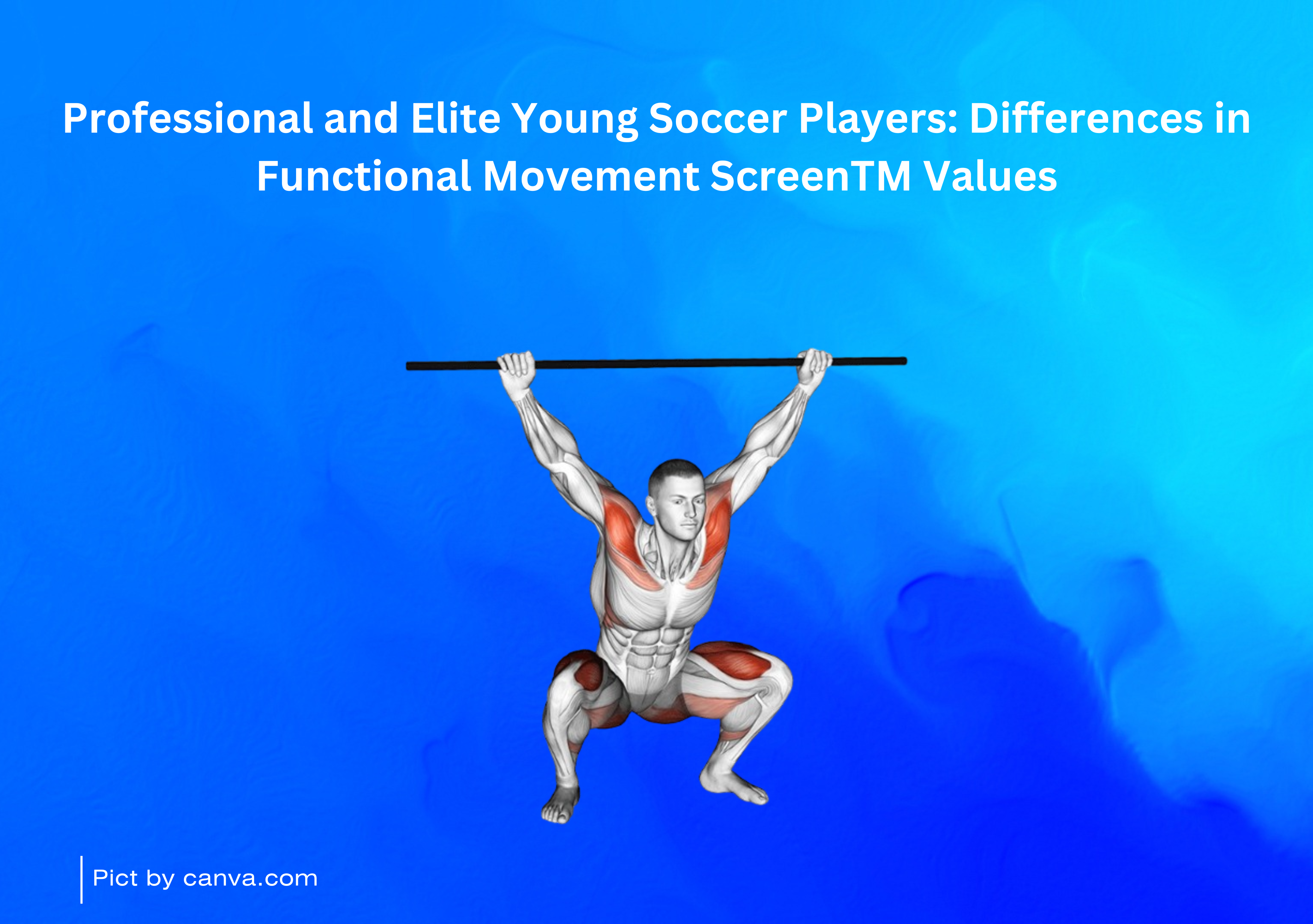
Professional and Elite Young Soccer Players: Differences in Functional Movement ScreenTM Values
Italo Sannicandro1, Giacomo Cofano2, Rosario D'Onofrio3, Andrea Piccinno41. Clinical and Experimental Medicine Department, University of Foggia , IT2. Master degree in Sciences and techniques of preventive and adapted motor activities, University of Foggia; Professional Soccer Strenght and Conditioning , IT3. Member of the Medical-Scientific Multidisciplinary Commission, Italian Football Doctors Association - L.A.M.I.CA. , IT4. Master degree in Motor Sciences, University of Salento, Lecce , IT2023-10-31|page 116-125AbstractBackground: Soccer is a sport that requires very complex movements performed at high speeds: running, jumping, decelerating, changing direction or running direction, and kicking are complex movements that require high control and significant joint stability at all ages. Control of the body and individual body districts becomes important for both performance and injury prevention.
Objective: This study aims to verify the Functional Movement Screen (FMSTM) values in different categories of players, from the youth leagues to professional soccer players.
Methods: A sample of soccer players (n=112) took part in the study. The sample was subdivided according to their category, resulting in the following subgroups: a) professional soccer players (PSP, n=56,), Under 19 - Primavera (U19, n=29), Under 17 (U17, n=27). The FMS protocol was used to assess the seven functional movements and the associated risk of non-contact injury.
Results: Statistically significant differences emerged in the total scores between the U17 group and the PSP group (14.8±2.9 vs 19.1±1.4, p<0.01), between the U17 group and the Under 19 - Primavera group (14.8±2.9 vs 16.2±2.1, p<0.05) and between the Under 19 - Primavera group and the PSP (16.2±2.1 vs 19.1±1.4, p<0.01).
Conclusion: The values obtained show that young soccer players have a very different qualitative control of movement than highly qualified players. This study shows significant differences not only between the total scores, but more importantly between the individual 7 assessment tests that the FMS protocol includes: these values provide insight into which movements should receive more attention in athletic conditioning in the youth sector.
APA Citation StyleSannicandro, I. , Cofano, G. , D'Onofrio, R. , & Piccinno, A. (2023). Professional and Elite Young Soccer Players: Differences in Functional Movement ScreenTM Values. Physical Education and Sports: Studies and Research, 116-125. https://doi.org/10.56003/pessr.v2i2.269 -
Physical Activity Participation of Persons Deprived of Liberty in Santiago City District Jail, Philippines
Niño Nadera Baldonado1, Ana Maria Libao Demot2, Peter John Aguinaldo Villaflores3, Geneviv Gumpal Dayag4, Esperanza Leonidas Buado5, Christian Velasco Ramos6, Gil Vincent Tiaño Dela Cruz7, Rhealyn Galaus Martinez81. Don Mariano Marcos Memorial State University South La Union , PH2. Don Mariano Marcos Memorial State University South La Union , PH3. Philippine Normal University-North Luzon , PH4. Philippine Normal University-North Luzon , PH5. Philippine Normal University-North Luzon , PH6. Philippine Normal University-North Luzon , PH7. Philippine Normal University-North Luzon , PH8. Philippine Normal University-North Luzon , PH2022-07-07|page 91-106AbstractBackground: Physical activity in prison systems worldwide has been ignored for decades. The congested status of penal institutions around the country tends to breed unhealthy living conditions. Also, they are often deprived of physical activities due to limited opportunities. A person deprived of liberty means a person who has been arrested, held in lawful custody, detained, or imprisoned in execution of a lawful sentence.
Objectives: This study aims to determine the physical activities and the scale of physical activity satisfaction of persons deprived of liberty in Santiago City District Jail, Philippines.
Methods: This descriptive study utilized a survey of 140 randomly selected detainees and face-to-face interviews with 30 randomly chosen detainees. The questionnaire is divided into three parts: respondents' profiles, physical activities, and the scale of physical activity satisfaction. The interview method validated the results of the survey. Jacob G. Beard and Mounir G. Ragheb developed the Physical Activity Satisfaction Scale. It was adopted, validated, and used to determine the inmates' physical activity level of satisfaction.
Results: Findings show that most of the inmate-respondents are generally engaged in games or sports, dance, and other livelihood activities on an irregular basis. They also pronounced their satisfaction with their physical activities as they benefited from physiological, relaxational, educational, psychological, social, and aesthetic domains.
Conclusion: It can be concluded that games and sports activities are moderately and positively related to physical activities' psychological and relaxational domains of the inmates.
APA Citation StyleBaldonado, N. N. , Demot, A. M. L. , Villaflores, P. J. A. , Dayag, G. G. , Buado, E. L. , Ramos, C. V. , Cruz, G. V. T. D. , & Martinez, R. G. (2022). Physical Activity Participation of Persons Deprived of Liberty in Santiago City District Jail, Philippines. Physical Education and Sports: Studies and Research, 91-106. https://doi.org/10.56003/pessr.v1i2.114





















