
Search
Search Results
##search.searchResults.foundPlural##
-

Enhancing locomotor skills in preschoolers through play jump rope
Nancy Trisari Schiff1, Andy Supriady21. Sekolah Tinggi Keguruan dan Ilmu Pendidikan (STKIP) Pasundan , ID2. Sekolah Tinggi Keguruan dan Ilmu Pendidikan (STKIP) Pasundan , ID2026-04-14|page 135-146AbstractBackground: Fundamental Motor Skills (FMS), particularly in the Locomotor Skills domain, are an essential prerequisite for lifelong physical participation. However, the dominance of a sedentary lifestyle threatens young children's mastery of these skills.
Objectives: This study aims to test and prove the effectiveness of the jump rope play intervention program in improving locomotor skills in 5–6-year-old children.
Methods: This research uses a quasi-experimental one-group pretest-posttest design. The sample consisted of 19 males and 11 females, for a total of 30 children. Locomotor skills are measured objectively using the Locomotor subtest of the Test of Gross Motor Development-2 (TGMD-2). The Jump Rope Game intervention was implemented in a structured manner over 8 weeks (3 sessions/week). The data were analyzed using the Paired-Samples T-Test.
Results: The research results show a highly significant improvement in locomotor skills scores after the intervention. The average score increased from 23.30 on the pretest to 27.87 on the posttest, reflecting a 19.61% increase. The paired-samples t-test yielded a p-value of 0.000 (p<0.05), confirming that the difference between the two measurements was statistically significant.
Conclusions: Jump rope games have proven to be an effective, efficient, and enjoyable intervention for significantly improving young children's locomotor skills. This research recommends integrating inexpensive, easily accessible play-based activities into the early childhood education curriculum as a practical strategy to support physical literacy and address basic movement deficits.
APA Citation StyleSchiff, N. T. , & Supriady, A. (2026). Enhancing locomotor skills in preschoolers through play jump rope. Physical Education and Sports: Studies and Research, 135-146. https://doi.org/10.56003/pessr.v5i1.652 -

Fun game–based learning improves gross motor skills in early primary school children
Ahmad Muttaqin Darussalam1, Sugiharto Sugiharto2, Sapto Adi31. State University of Malang , ID2. State University of Malang , ID3. State University of Malang , ID2025-11-23|page 236-249AbstractBackground: Children who face difficulties in gross motor skill development may withdraw from physical activities, experience low self-esteem, and suffer from social anxiety. Physical education plays a vital role in fostering gross motor development, especially when delivered through enjoyable and engaging activities such as fun games.
Objectives: This study aimed to investigate the impact of fun game–based learning on the development of gross motor skills in early primary school children.
Methods: The study employed a quasi-experimental design with a non-equivalent control group. A total of 36 second-grade students from SDIT Mutiara Hati in Malang participated in this study. Participants were assigned to one of three groups: a control group, a group-based fun games intervention, and an individual-based fun games intervention. The interventions were implemented three times a week for 30 minutes over a period of seven weeks. Gross motor skills were measured before and after the intervention using the Test of Gross Motor Development–Third Edition (TGMD-3), a reliable and validated instrument. Data were analyzed using homogeneity and normality tests, paired-sample t-tests, one-way ANOVA, and Tukey's HSD post hoc tests, with a significance level set at p < 0.05 (SPSS version 25).
Results: Both the individual and group fun game–based learning interventions produced significant improvements in gross motor skills compared with the control group (p < 0.05). Moreover, a significant difference was found between the two intervention types, indicating that the mode of fun game delivery influences outcomes (p < 0.05).
Conclusions: Fun game–based learning, whether delivered individually or in groups, effectively enhances gross motor skills among early primary school children. Additionally, individual fun game–based learning demonstrated a significantly greater improvement compared to group-based learning.APA Citation StyleDarussalam, A. M. , Sugiharto, S. , & Adi, S. (2025). Fun game–based learning improves gross motor skills in early primary school children. Physical Education and Sports: Studies and Research, 236-249. https://doi.org/10.56003/pessr.v4i3.613 -
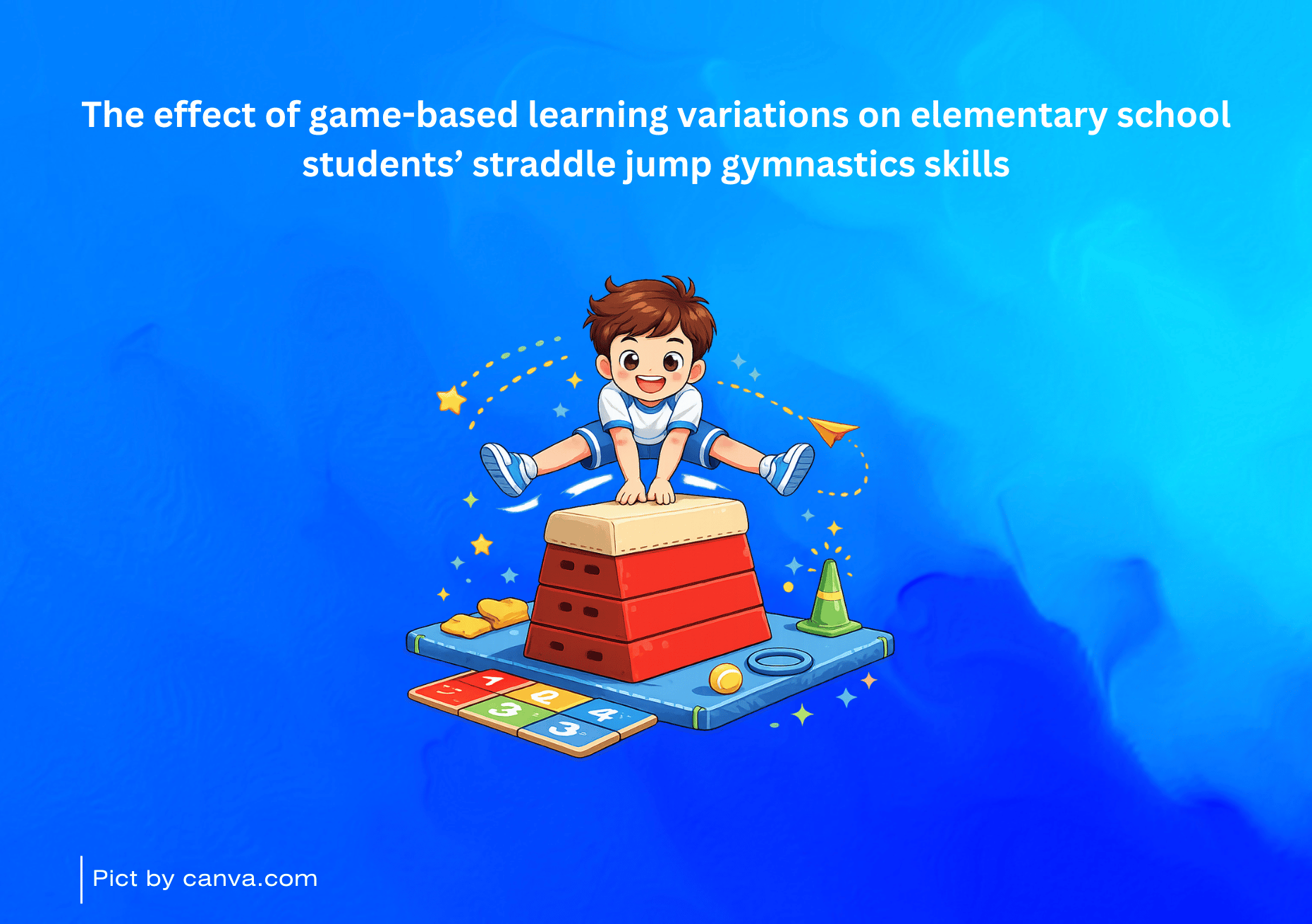
The effect of game-based learning variations on elementary school students’ straddle jump gymnastics skills
Fadhilah Nurwahid1, Rizal Ahmad Fauzi2, Adang Sudrazat31. Indonesian University of Education , ID2. Indonesian University of Education , ID3. Indonesian University of Education , ID2026-04-01|page 57-67AbstractBackground: Physical education in primary schools is essential for the development of students' motor skills, including gymnastic abilities such as the straddle leap. In fact, numerous students continue to struggle to execute these movements accurately because of repetitive teaching approaches that fail to engage them actively. Consequently, a more stimulating and diverse educational methodology, including game-based activities, is required.
Objectives: This study examines the impact of fluctuations in game-based learning on the enhancement of straddle jump gymnastics skills among primary school students.
Methods: This research employed a quantitative methodology using a pre-experimental framework, namely the One-Group Pretest–Posttest Design. The study population comprised all 40 fourth-grade students at Citungku Elementary School, who were sampled using a total sampling technique. Data were gathered via a practical examination of straddle jump movement proficiency, adhering to the Australian Gymnastic Federation's evaluation criteria, which encompass four components: the initiation, propulsion, suspended posture, and landing. The intervention lasted four weeks and included eight sessions featuring activities such as frog leaps, mirror jumps, rope jumping, and hopscotch, all aimed at training the elements of the straddle jump. The Shapiro-Wilk normality test and paired-samples t-test were conducted in SPSS version 27 for data analysis.
Results: The study found an improvement in students' capabilities following the implementation of game-based learning modifications. The mean pretest score of 58.00 rose to 74.76 in the posttest. The paired-samples t-test yielded a t value of -9.894 and a p-value of 0.001 (< 0.05), indicating a significant difference between pre- and post-treatment outcomes. This demonstrates that the executed game activities facilitated improvements in students' motor coordination, push-off strength, body control during floating, and landing methods during the straddle jump movement.
Conclusions: Variations of game-based learning, including frog jumping, mirror jumping, rope jumping, and hopscotch, have demonstrated efficacy in enhancing straddle jumping gymnastics skills among elementary school students while fostering a more dynamic and pleasurable physical learning experience.
APA Citation StyleNurwahid, F. , Fauzi, R. A. , & Sudrazat, A. (2026). The effect of game-based learning variations on elementary school students’ straddle jump gymnastics skills. Physical Education and Sports: Studies and Research, 57-67. https://doi.org/10.56003/pessr.v5i1.705 -
Promoting gender responsiveness in teaching physical education
Ryan Cazel Lalog11. Batangas State University , PH2025-04-04|page 1-14AbstractBackground: Implementing gender policies in physical education at Batangas State University remains moderate, with challenges in ensuring gender-responsive and equitable activities for male and female students. Issues such as students' self-confidence, self-perception, and limited gender mainstreaming strategies and resources hinder the development of a more inclusive learning environment.
Objectives: This study examined gender policy implementation, the use of strategies and resources in various physical education activities, differences in male and female instructors' assessments, challenges in gender mainstreaming, and the development of gender-responsive activities.
Methods: A descriptive research method was used, collecting data from 105 university physical education instructors (77 males, 28 females) through a researcher-made survey questionnaire.
Results: Findings revealed that gender policies were moderately implemented (mean score: 3.47), while both male (3.67) and female (3.63) instructors highly utilized strategies and resources in physical fitness, rhythmic activities, individual and dual sports, and team sports. No significant differences were observed in male and female educators' assessments, indicating shared perspectives on gender mainstreaming.
Conclusions: The study emphasizes the need for more vigorous policy enforcement and improvements in sports-related content to enhance gender inclusivity. Addressing self-confidence, self-perception, and individual differences is crucial for fostering equitable learning experiences. Universities should provide continuous professional development for PE instructors on gender-sensitive teaching strategies. Future research should explore the long-term impact of gender-responsive approaches on student engagement, performance, and overall well-being in physical education.
APA Citation StyleLalog, R. C. (2025). Promoting gender responsiveness in teaching physical education. Physical Education and Sports: Studies and Research, 1-14. https://doi.org/10.56003/pessr.v4i1.392 -
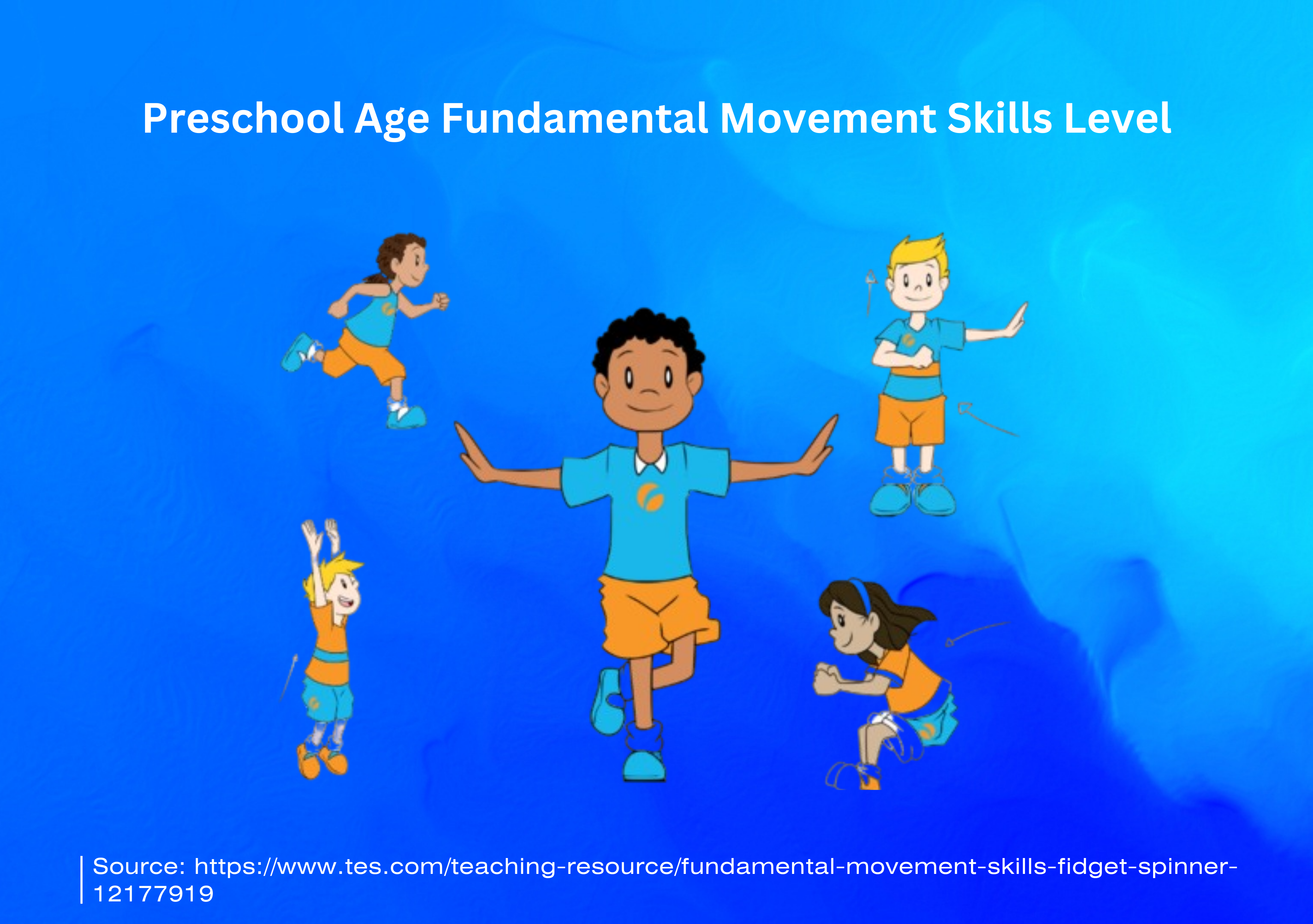
Preschool Age Fundamental Movement Skills Level
Elok Ludyana1, Imam Hariadi2, Nurrul Riyad Fadhli31. State University of Malang , ID2. State University of Malang , ID3. State University of Malang , ID2022-07-01|page 63-78AbstractBackground: Teachers and parents need to know and understand the importance of fulfilling motor skills in pre-school-aged children to develop these habits and help reduce the rate of decline associated with motor delays in children's gross motor development.
Objectives: This study aims to determine the level of fundamental movement skills of pre-school-age children at PAUD Tunas Bangsa in Bakalan Krajan, Malang City.
Methods: This non-experimental study utilizes a descriptive research design with a survey method as its approach. The participants in this study were 15 children aged 3-5 years old from PAUD Tunas Bangsa Bakalan Krajan in Malang City. This study is a population study because all subjects were included in the study. The instrument used to determine the basic movements of pre-school-age children uses TGMD-2 (Test of Gross Motor Development). This study analyzed data using a table of norms for the Test of Gross Motor Development (TGMD-2) and percentages.
Results: The study's final findings revealed that the level of fundamental movement or gross motor skills of children aged 3-5 years at PAUD Tunas Bangsa in Malang City showed an average Gross Motor Quotient (GMQ) score of 124, establishing them in the high category.
Conclusion: The level of fundamental movement skills of pre-school age children at PAUD Tunas Bangsa Bakalan Krajan in Malang City is in a good category, as evidenced by two measuring indicators, namely locomotor motion, and manipulative motion, so it can be said that children's gross motor skills develop by their level age.
APA Citation StyleLudyana, E. , Hariadi, I. , & Fadhli, N. R. (2022). Preschool Age Fundamental Movement Skills Level. Physical Education and Sports: Studies and Research, 63-78. https://doi.org/10.56003/pessr.v1i2.117

1 - 5 of 5 items




















