Search
Search Results
##search.searchResults.foundPlural##
-

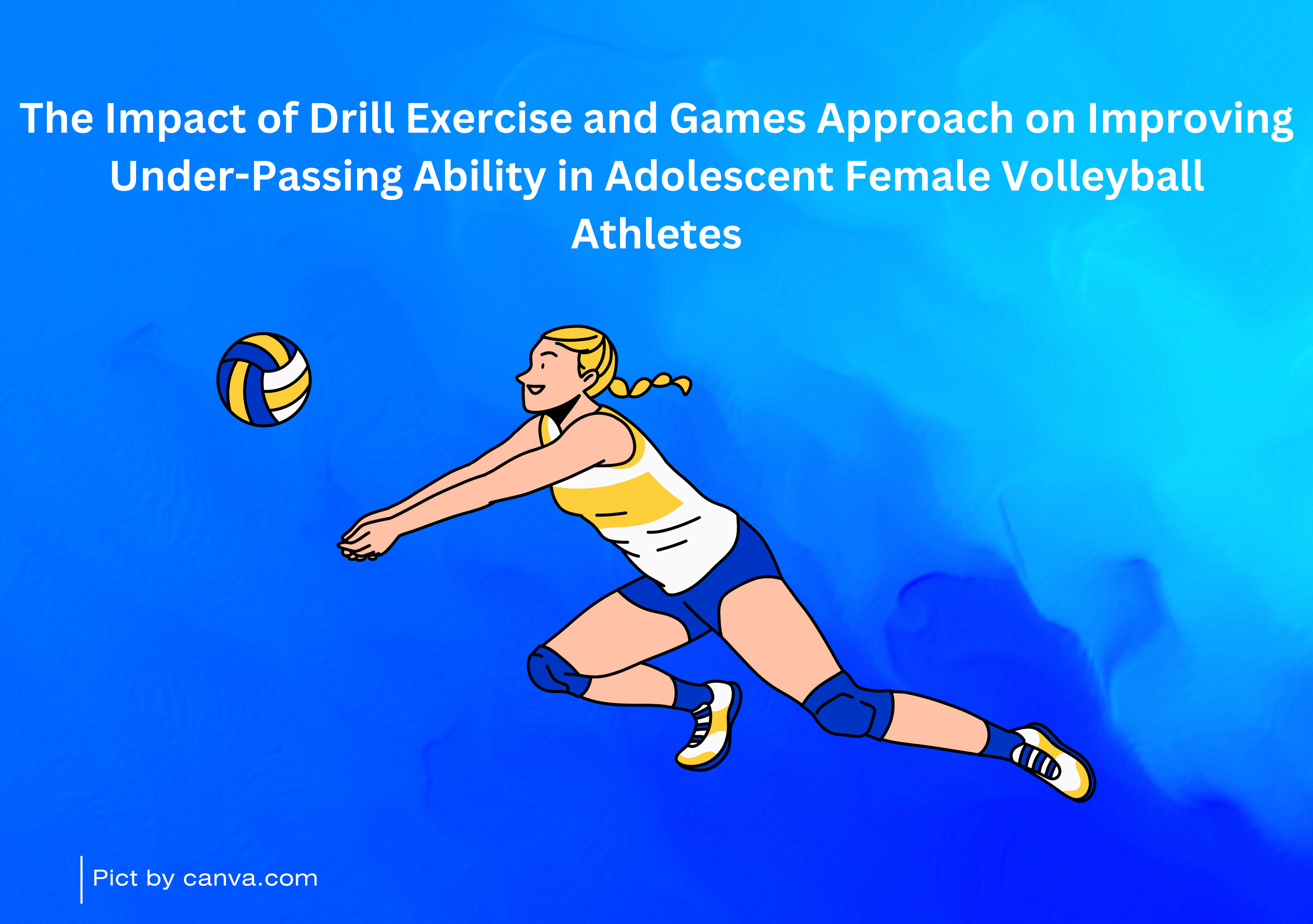
The Impact of Drill Exercise and Games Approach on Improving Under-Passing Ability in Adolescent Female Volleyball Athletes
Dwi Khoirudin1, Henri Gunawan Pratama2, Danang Ari Santoso3, Baskoro Nugroho Putro41. STKIP PGRI Trenggalek, Indonesia , ID2. STKIP PGRI Trenggalek, Indonesia , ID3. Universitas PGRI Banyuwangi, Indonesia , ID4. Universitas Sebelas Maret Surakarta, Indonesia , ID2023-10-31|page 142-151AbstractBackground: A long-term training process is required to train athletes, which requires systematic, targeted, planned, and repetitive handling. Training methods improve the mastery of fundamental techniques for beginner athletes. Training volleyball methods are essential for beginners as they make the exercise more focused and gradual to improve their under-passing. Coach training methods make it easier to give practical and concentrated exercises to the areas you want to enhance.
Objective: The study aims to determine whether drill exercise and game approach can significantly improve female athletes' use of under-passing volleyball.
Methods: With the type of research being Quasi-Experimental. The research design used was Randomized Control Group Pretest-Posttest Design. A total of 24 athletes were given treatment for two months. The instrument used was the Braddy Volleyball Test, and data analysis used the T-Test.
Results: Results for the drill exercise experimental group were 0.695 > 0.05, and for the experimental group, the playing method was 0.695 > 0.05. This means that drill exercises and game approaches significantly improve the skills of passing volleyball.
Conclusion: In experimental groups, I and II, athletes who were given a drill exercise program and game approach both improved their skills in the basic techniques of skills under-passing volleyball. The average posttest results of both groups of experiments are higher than the average pretest results. It shows a difference between the drill exercise program and the game approach.
APA Citation StyleKhoirudin, D. , Pratama, H. G. , Santoso, D. A. , & Putro, B. N. (2023). The Impact of Drill Exercise and Games Approach on Improving Under-Passing Ability in Adolescent Female Volleyball Athletes. Physical Education and Sports: Studies and Research, 142-151. https://doi.org/10.56003/pessr.v2i2.276 -
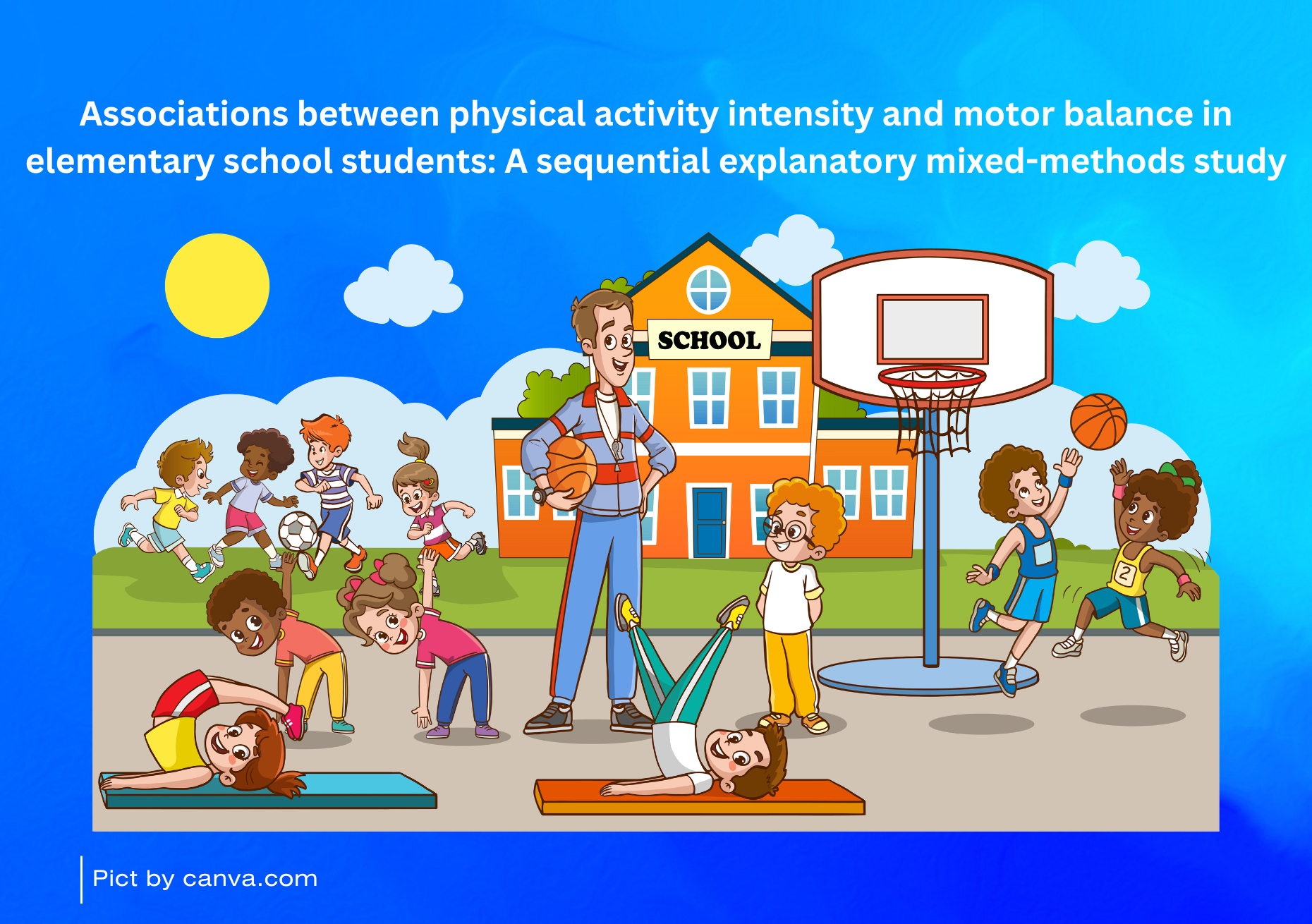
Associations between physical activity intensity and motor balance in elementary school students: A sequential explanatory mixed-methods study
Fahrurrohman Firdaus1, Indra Safari2, Rizal Ahmad Fauzi31. Indonesian University of Education , ID2. Indonesian University of Education , ID3. Indonesian University of Education , ID2026-04-01|page 47-56AbstractBackground: Children in primary school are becoming more sedentary due to advances in digital technology, which may reduce their physical activity levels. The development of motor skills, especially balance, which is an essential feature of children's motor abilities, can be impacted by a lack of physical activity.
Objectives: This study aimed to examine the association between physical activity intensity and motor balance in elementary school students.
Methods: This study used a sequential explanatory mixed-methods design. The quantitative phase involved 50 students selected using saturated sampling, while the qualitative phase involved teachers and students selected purposively. Physical activity intensity was measured using the Physical Activity Questionnaire for Older Children (PAQ-C), while motor balance was assessed using the Balance Beam Test. Quantitative data were analyzed using Spearman's rank correlation, and qualitative data were analyzed using thematic analysis in NVivo.
Results: With a correlation coefficient of r = 0.687 and p < 0.05, the analysis demonstrated a strong, substantial positive link between motor balance levels and physical activity intensity. The intensity of physical activity accounted for 47.2% of motor balance. Qualitative research revealed that students with high levels of physical activity were more likely to engage in active play, such as running outside, cycling, and soccer, which, in turn, indirectly improve balance and postural stability.
Conclusions: This study demonstrates that physical activity intensity plays an important role in the development of motor balance among elementary school students. These findings highlight the importance of integrating active movement-based learning strategies in physical education programs.
APA Citation StyleFirdaus, F. , Safari, I. , & Fauzi, R. A. (2026). Associations between physical activity intensity and motor balance in elementary school students: A sequential explanatory mixed-methods study. Physical Education and Sports: Studies and Research, 47-56. https://doi.org/10.56003/pessr.v5i1.706 -
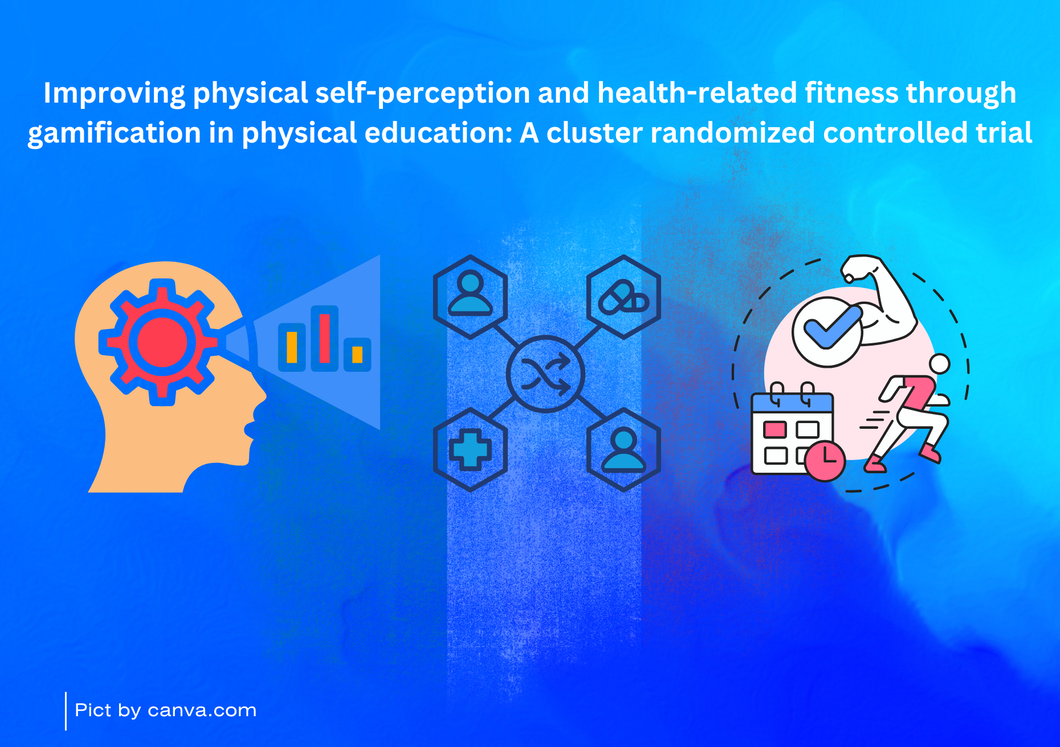
Improving physical self-perception and health-related fitness through gamification in physical education: A cluster randomized controlled trial
Ferdinando Cereda11. The Catholic University of the Sacred Heart in Milan , IT2026-03-08|page 7-27AbstractBackground: The global decline in adolescent physical activity necessitates pedagogical innovation to counter disengagement. Traditional norm-referenced physical education (PE) often alienates less skilled students, whereas gamification offers a promising criterion-referenced strategy to enhance motivation and learning.
Objectives: This study investigated the efficacy of a 12-week gamified didactic intervention on perceived physical self-concept, health-related fitness, and physical activity enjoyment among high school students.
Methods: A two-arm, parallel-group, cluster randomized controlled trial (Cluster-RCT) was conducted with 210 Italian adolescents (mean age 15.4 ± 0.9 years) nested within 10 intact classes (average cluster size = 21). Intact classes were randomised to an experimental group (gamified ‘MoveQuest’ module, k = 5) or a control group (traditional direct instruction, k = 5). Data were collected using the Revised Physical Self-Perception Profile (PSPP-R-IT), the ALPHA-FIT test battery, and the Physical Activity Enjoyment Scale (PACES). Following a per-protocol analytical approach, Linear mixed models (LMMs) were employed to analyse the data, accounting for the nested structure of the educational setting and handling cluster-level variance intraclass correlation coefficients (ICCs). Significance levels were interpreted considering the multiplicity of outcomes.
Results: Significant group × time interactions were observed, with the gamified group demonstrating superior improvements in sports competence (d = 0.65), physical self-worth (d = 0.58), and enjoyment (d = 0.82) compared to the control group. Physiologically, the experimental group showed significantly greater gains in cardiorespiratory fitness (V̇O₂ max) and agility, while body attractiveness remained stable in both groups.
Conclusions: Gamified didactics significantly enhance psychological engagement and specific motor performance parameters by prioritising individual progress over social comparison. This approach represents a valuable pedagogical tool for fostering physical literacy in secondary PE.APA Citation StyleCereda, F. (2026). Improving physical self-perception and health-related fitness through gamification in physical education: A cluster randomized controlled trial. Physical Education and Sports: Studies and Research, 7-27. https://doi.org/10.56003/pessr.v5i1.677 -
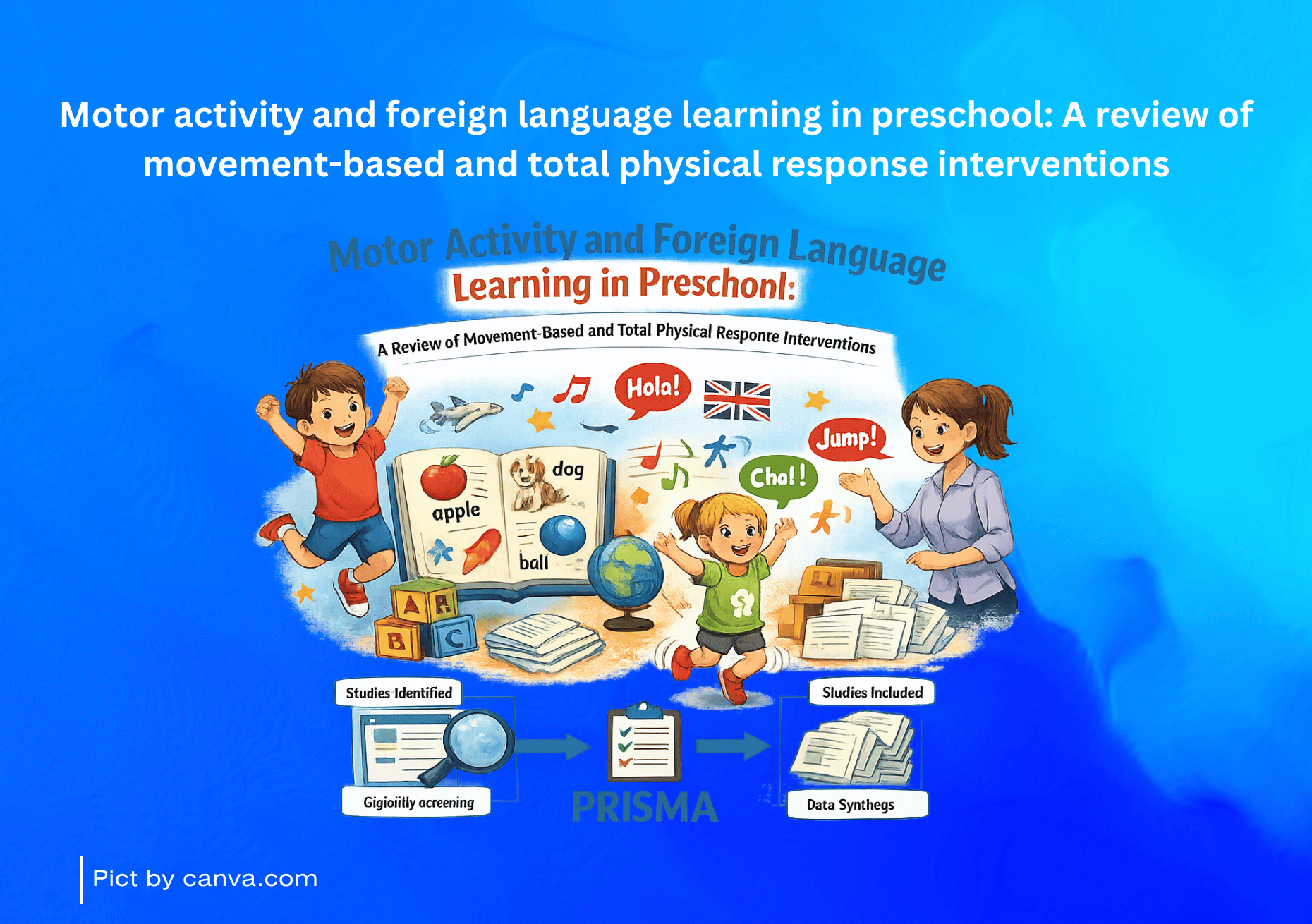
Motor activity and foreign language learning in preschool: A review of movement-based and total physical response interventions
Manuela Valentini1, Nausicaa Simone2, Alessandro Beretta31. Department of Humanities, University of Urbino Carlo Bo , IT2. Department of Humanities, University of Urbino Carlo Bo , IT3. Department of Humanities, University of Urbino Carlo Bo , IT2026-04-02|page 93-105AbstractBackground: Movement may support early foreign-language learning through embodied learning, but the preschool evidence base is fragmented.
Objective: To review empirical studies on movement-based and Total Physical Response (TPR) interventions for foreign-language learning in preschool children.
Method: This study employed a systematic review design based on PRISMA 2020 guidelines, involving database searches and citation tracking to identify empirical studies on movement-based and Total Physical Response (TPR) interventions in preschool foreign-language learning. Studies were screened using predefined eligibility criteria and appraised using the Mixed Methods Appraisal Tool (MMAT). Data from eligible studies were extracted and synthesized narratively due to methodological heterogeneity.
Results: Eight studies met the inclusion criteria. Across stronger controlled studies, semantically integrated movement generally produced more favorable vocabulary and verbal memory outcomes than sedentary teaching or less integrated movement. Evidence focused specifically on TPR was positive in terms of engagement and short-term learning, but methodologically heterogeneous and less robust.
Conclusion: Current preschool evidence supports the promise of integrated movement-based language teaching, particularly when movement is tightly aligned with instructional content. However, the evidence base remains small, largely limited to vocabulary-related outcomes, and further rigorous preschool trials are needed to clarify optimal implementation and the distinct contribution of TPR.APA Citation StyleValentini, M. , Simone, N. , & Beretta, A. (2026). Motor activity and foreign language learning in preschool: A review of movement-based and total physical response interventions. Physical Education and Sports: Studies and Research, 93-105. https://doi.org/10.56003/pessr.v5i1.694