Editorial Pick
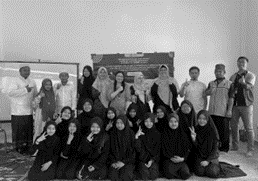
Knowledge and attitudes toward balanced nutrition among children of Indonesian migrant workers at Pondok An-Nahdloh, Selangor, Malaysia
Romadlona et al.
📅 15 Feb 2025📖 Vol. 1 No. 1 (2024): November
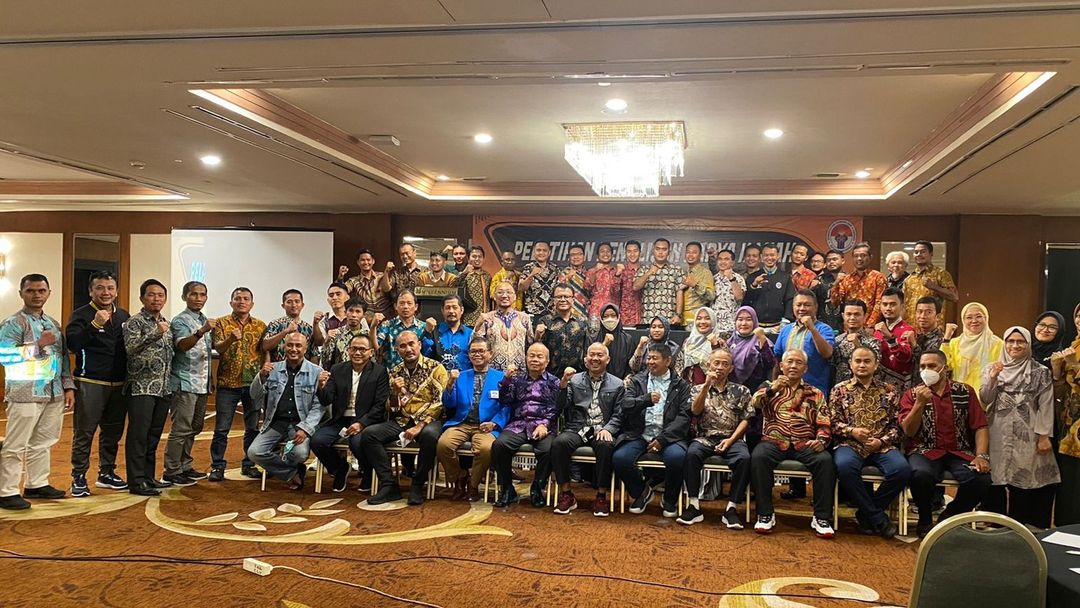
Training and mentoring in scientific article writing using artificial intelligence for physical education teachers in Indonesia
Winarno et al.
📅 15 Feb 2025📖 Vol. 1 No. 1 (2024): November

Collaborative efforts in the restoration of educational facilities following a hydrometeorological disaster: The 46th Latsitardanus Program at SDN 1 Tualang Cut, Aceh Tamiang
Syafei et al.
📅 23 May 2026📖 Vol. 2 No. 2 (2026): May
1 / 4
About the Journal
CALL FOR PAPERS
We welcome innovative community service and empowerment articles with clear methods, measurable outcomes, and contributions to the Sustainable Development Goals (SDGs).
Issues are published in May and November.
Publication fee: IDR 150,000 Publication language: Bahasa Indonesia
 Author Guidelines
JOIN OUR TEAM
CALL FOR JOURNAL REVIEWER TEAMS
We invite academics and practitioners with expertise in community engagement and empowerment to serve as reviewers.
✔
Relevant academic qualifications
✔Scientific publication or community service experience
✔Expertise relevant to community empowerment and SDGs
✔Have an ORCID ID and a Google Scholar profile

Darmabakti: Jurnal Pengabdian kepada Masyarakat
Darmabakti: Jurnal Pengabdian kepada Masyarakat is a peer-reviewed scholarly journal published by CV. Rezki Media, Indonesia. The publisher was registered with the Indonesian Ministry of Law and Human Rights on 23 July 2020 under registration AHU-038612-AH. The journal is managed by CV. Rezki Media, while editorial decisions remain independent under the Editor-in-Chief and Editorial Board.
Darmabakti publishes practical community service and empowerment initiatives focusing on community development, capacity building, innovation, problem solving, and sustainable impact. Articles should clearly describe the community needs, methods, outcomes, and benefits.
Manuscripts should demonstrate novelty beyond repeating activities in different places, measurable benefits, and contributions to the relevant goals and targets of the Sustainable Development Goals (SDGs). Submissions undergo editorial screening and independent peer review.
Darmabakti publishes two issues annually, in May and November. The publication language is Bahasa Indonesia; the publication fee is IDR 150,000. The journal started in 2024.
Journal Information
Journal Title
Darmabakti: Jurnal Pengabdian kepada Masyarakat
Journal Initials
Darmabakti
Publication Language
Bahasa Indonesia
Editor in Chief
Publisher
Frequency
Two issues per year (May and November)
Country
Indonesia
E-ISSN
DOI Prefix
Current Issue
Vol. 3 No. 1 (2026): November

Published:
2026-06-13
Articles
-


Making biopackaging from paper and leaf waste for women in the family welfare empowerment program and early childhood education teachers
Rahmatullah Rahmatullah1, Muhammad Djoni Bustan2, Budi Santoso3, Harry Waristian4, Rizka Wulandari Putri5, Rianyza Gayatri61. Department of Chemical Engineering, Faculty of Engineering, Universitas Sriwijaya , ID2. Department of Chemical Engineering, Faculty of Engineering, Universitas Sriwijaya , ID3. Department of Chemical Engineering, Faculty of Engineering, Universitas Sriwijaya , ID4. Department of Mining Engineering, Faculty of Engineering, Universitas Sriwijaya , ID5. Department of Chemical Engineering, Faculty of Engineering, Universitas Sriwijaya , ID6. Department of Chemical Engineering, Faculty of Engineering, Universitas Sriwijaya , ID|239 views | 152 downloads | page 1-11AbstractVarious creative approaches can be developed to reduce the generation of both organic and inorganic waste. On the other hand, office and school paper waste, as well as plant matter such as dry leaves, are still not being utilized optimally. Biopack is an innovative cardboard container made from a mixture of paper pulp and dry leaves. This product can be used as eco-friendly packaging because it easily degrades when disposed of in soil or water after use. School paper waste and dry leaves available in the Wanaasri Palembang area hold significant potential as raw materials for Biopack. Utilizing this potential is expected to increase public awareness, particularly among the PKK Rumah Cinta Dahlia Wanaasri and the teachers at PAUD Permata Bunda, as key drivers in promoting the innovation of waste management into economically valuable products that can support the establishment of community-based businesses or entrepreneurship. This community service activity was carried out through outreach and a biopack-making demonstration using lectures and hands-on simulations. The evaluation was conducted through a questionnaire to analyze the level of effectiveness and the potential for sustainability of the activity. Survey results from activity participants revealed that 93% were not yet able to recycle used paper and leaves, 63% still disposed of used paper and leaves in trash bins, and 93–100% of participants rated the activity as beneficial, noting that it broadened their knowledge and understanding of making biopack from used paper and leaves, and that they liked the biopack products and were able to use them at home. Furthermore, it is hoped that the Wanaasri community will be able to produce its own biopack, that it will be adopted by teachers at the Permata Bunda Early Childhood Education Center as a teaching aid in the learning process, and that it will eventually be commercialized.
APA Citation StyleRahmatullah, R. , Bustan, M. D. , Santoso, B. , Waristian, H. , Putri, R. W. , & Gayatri, R. (2026). Making biopackaging from paper and leaf waste for women in the family welfare empowerment program and early childhood education teachers. Darmabakti: Jurnal Pengabdian kepada Masyarakat, 3(1), 1-11. https://doi.org/10.56003/darmabakti.v3i1.742 -
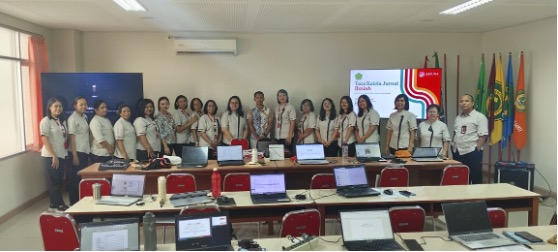
Strengthening editorial competencies and DOAJ-based journal governance through a training program at STIKES Vincentius A Paulo Surabaya
Ni Nyoman Wahyu Lestarina1, Nora Ekawati2, Veronica Silalahi3, Gabriel Wanda Sinawang4, Selly Omega Dila Teju51. STIKES Katolik St.Vincentius a Paulo Surabaya , ID2. STIKES Katolik St.Vincentius a Paulo Surabaya , ID3. STIKES Katolik St.Vincentius a Paulo Surabaya , ID4. STIKES Katolik St.Vincentius a Paulo Surabaya , ID5. STIKES Katolik St.Vincentius a Paulo Surabaya , ID|189 views | 125 downloads | page 12-18AbstractThe management of high-quality scientific journals continues to face numerous challenges. This community service activity aimed to evaluate the effectiveness of a training program designed to improve participants’ understanding of DOAJ standards and national journal accreditation. This community service activity employed a pre-experimental one-group pretest–posttest design. In the initial phase, 16 participants took a pretest to assess their baseline knowledge; subsequently, they participated in a training session comprising material delivery and interactive discussions. After the activity concluded, a posttest was administered to measure the participants’ improved understanding. Data analysis to test the significance of differences before and after the training used the Wilcoxon test. Descriptive analysis results indicated an increase in the average score from 112.5 to 146.3 on the final knowledge test. Based on the Wilcoxon Signed-Rank Test, a Z-value of -3.237 was obtained (p = 0.001, p < 0.05), indicating that training on scientific journal management in accordance with DOAJ standards and national accreditation standards significantly improved participants’ understanding. Furthermore, the effect size indicated by the matched-rank biserial correlation of -0.950 suggests that the training’s impact falls into the very large category. The training not only enhanced participants’ knowledge of open access principles, policy transparency, and editorial governance but also standardized their understanding, resulting in a more consistent level of understanding among participants.
APA Citation StyleLestarina, N. N. W. , Ekawati, N. , Silalahi, V. , Sinawang, G. W. , & Teju, S. O. D. (2026). Strengthening editorial competencies and DOAJ-based journal governance through a training program at STIKES Vincentius A Paulo Surabaya. Darmabakti: Jurnal Pengabdian kepada Masyarakat, 3(1), 12-18. https://doi.org/10.56003/darmabakti.v3i1.728 -

Community-based production of dragon fruit and red spinach gummies to support stunting prevention among preschool children
Rizka Wulandari Putri1, Rahmatullah Rahmatullah2, Sri Haryati3, David Bahrin4, Asyeni Miftahul Jannah5, Rizza Fadilah Fitri6, Alek Al Hadi7, Fauztin Zuraida Rizqi81. Department of Chemical Engineering, Faculty of Engineering, Universitas Sriwijaya , ID2. Department of Chemical Engineering, Faculty of Engineering, Universitas Sriwijaya , ID3. Department of Chemical Engineering, Faculty of Engineering, Universitas Sriwijaya , ID4. Department of Chemical Engineering, Faculty of Engineering, Universitas Sriwijaya , ID5. Department of Chemical Engineering, Faculty of Engineering, Universitas Sriwijaya , ID6. Department of Chemical Engineering, Faculty of Engineering, Universitas Sriwijaya , ID7. Department of Mining Engineering, Faculty of Engineering, Universitas Sriwijaya , ID8. Department of Chemical Engineering, Faculty of Engineering, Universitas Sriwijaya , ID|289 views | 212 downloads | page 19-27AbstractStunting remains a major nutritional challenge among Indonesian children and requires community-based interventions that promote healthy dietary practices. This community service program aimed to improve the knowledge and skills of members of the Rumah Cinta Dahlia Family Welfare Movement (PKK) in producing healthy gummies made from dragon fruit (Hylocereus polyrhizus) and red spinach as an alternative nutritious snack to support stunting prevention among children. The program involved nutrition education, practical training in gummy production, and evaluation through pre- and post-tests. A total of 46 PKK members participated in the activity. During the training, participants learned how to use lemon and citric acid as preservatives. The resulting gummies were then evaluated for texture, taste, aroma, appearance, shelf life, and consumer preference. The gummy production process involved mixing dragon fruit juice, red spinach extract, gelatin, and preservative agents, followed by molding and refrigerated storage for 35 days. The results showed that the proportion of participants with high knowledge increased from 65% before the intervention to 100% after the training. Sensory evaluation indicated that gummies preserved with lemon were preferred by 70% of participants, while 30% preferred those preserved with citric acid. The findings indicate that lemon may serve as a suitable natural preservative with good consumer acceptance and storage stability. Overall, the program successfully improved participants’ knowledge and practical skills in preparing nutritious food products and demonstrated the potential of dragon fruit and red spinach gummies as an innovative snack to support household-level stunting prevention efforts.
APA Citation StylePutri, R. W. , Rahmatullah, R. , Haryati, S. , Bahrin, D. , Jannah, A. M. , Fitri, R. F. , Hadi, A. A. , & Rizqi, F. Z. (2026). Community-based production of dragon fruit and red spinach gummies to support stunting prevention among preschool children. Darmabakti: Jurnal Pengabdian kepada Masyarakat, 3(1), 19-27. https://doi.org/10.56003/darmabakti.v3i1.745 -

Strengthening self-regulation and future orientation to improve discipline and educational motivation among adolescents at Wira Adhi Karya Social Service Home
Amalia Sarifatussalma1, Rina Umiati2, Chamilul Hikam Al Karim31. State University of Semarang , ID2. State University of Semarang , ID3. State University of Semarang , ID|153 views | 65 downloads | page 28-35AbstractAdolescence is a crucial transitional period leading into adulthood. Adolescents, especially those in vulnerable socioeconomic circumstances, tend to experience challenges related to self-regulation. A program focused on strengthening self-regulation and future planning was implemented to improve discipline and motivation to learn among adolescent beneficiaries at the Wira Adhi Karya Social Service Center. These activities aim to help participants recognize their potential, develop plans, and manage their emotions more adaptively. The methods used include psychoeducation, interactive discussions, educational games, and reflection sessions involving 20 participants. The program was implemented through two main activities: PATHFINDER: Discovering Direction and Designing the Future, and Emotion Smart: Recognize–Control–Express. The program’s effectiveness was evaluated through post-activity interviews to assess participants’ understanding. The results showed an increase in participants’ understanding of how to recognize their own potential, set future goals, and understand emotion management strategies. The program proved effective in increasing participants’ active engagement in self-regulation and motivation, as well as providing practical insights into self-regulation. However, ongoing support remains necessary to ensure participants can consistently apply these skills in their daily lives.
APA Citation StyleSarifatussalma, A. , Umiati, R. , & Karim, C. H. A. (2026). Strengthening self-regulation and future orientation to improve discipline and educational motivation among adolescents at Wira Adhi Karya Social Service Home. Darmabakti: Jurnal Pengabdian kepada Masyarakat, 3(1), 28-35. https://doi.org/10.56003/darmabakti.v3i1.746 -
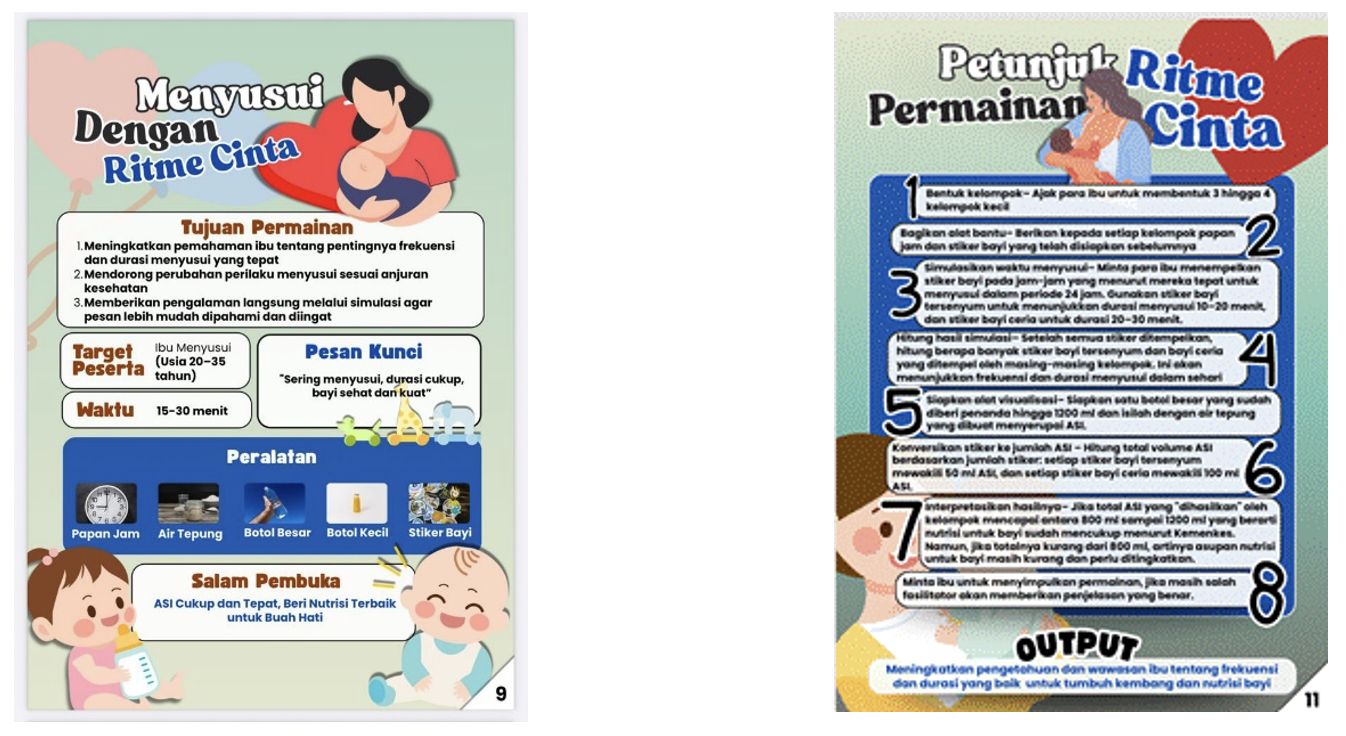
Implementation of emotional demonstration (Emo-Demo) to improve breastfeeding knowledge and practices among breastfeeding mothers in Sumbersari Village
Gregorius Sandy Budiarso Widigdo1, Tiara Widya Parahita2, Anindya Putri Maharani3, Bintang Kejora Rudhiraningtyas4, Elita Kusuma Dewi5, Farida Wahyu Ningtyias6, Dhuha Itsnanisa Adi71. FKM UNEJ , ID2. FKM UNEJ , ID3. FKM UNEJ , ID4. FKM UNEJ , ID5. FKM UNEJ , ID6. Universitas Jember , ID7. FKM UNEJ , ID|28 views | 23 downloads | page 36-42AbstractExclusive breastfeeding during the first six months of life is essential for supporting optimal infant growth and development and reducing the risk of infectious diseases. However, exclusive breastfeeding coverage in Indonesia remains below the national target. Limited knowledge and inadequate emotional support for breastfeeding mothers are among the factors that may hinder successful exclusive breastfeeding. This community engagement program aimed to improve breastfeeding knowledge and practices through the implementation of the emotional demonstration (Emo-Demo) method, an educational approach that integrates emotional engagement with interactive demonstrations. The program was conducted in Sumbersari Village, Jember Regency, Indonesia, and involved mothers of children under five years of age. Pre-test and post-test evaluations revealed an increase in participants' mean knowledge scores from 72.3 to 75.3. Additionally, participants demonstrated active engagement in discussions and educational games throughout the program. These findings suggest that the Emo-Demo method has the potential to serve as a health education approach for improving maternal knowledge and supporting exclusive breastfeeding practices within the community.
APA Citation StyleWidigdo, G. S. B. , Parahita, T. W. , Maharani, A. P. , Rudhiraningtyas, B. K. , Dewi, E. K. , Ningtyias, F. W. , & Adi, D. I. (2026). Implementation of emotional demonstration (Emo-Demo) to improve breastfeeding knowledge and practices among breastfeeding mothers in Sumbersari Village. Darmabakti: Jurnal Pengabdian kepada Masyarakat, 3(1), 36-42. https://doi.org/10.56003/darmabakti.v3i1.781

Global Visitors Map
Explore the geographical distribution of visitors to Darmabakti: Jurnal Pengabdian kepada Masyarakat.