Search
Search Results
##search.searchResults.foundPlural##
-

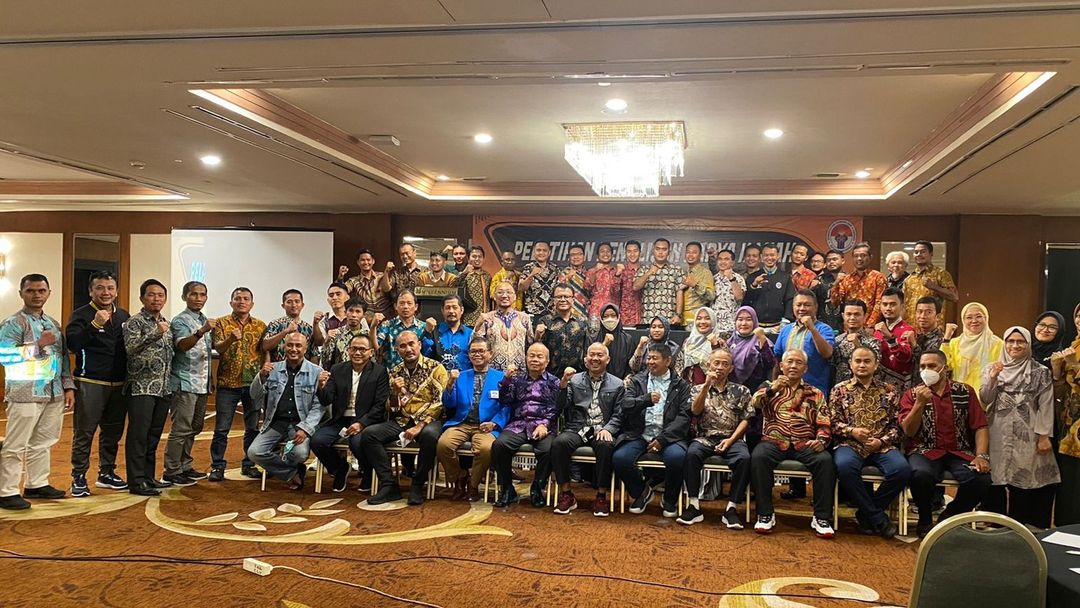
Training and mentoring in scientific article writing using artificial intelligence for physical education teachers in Indonesia
Mashuri Eko Winarno1, Tandiyo Rahayu2, Suroto Suroto3, Wahjoedi Wahjoedi4, Firmansyah Dlis5, Gusril Gusril6, Caly Setiawan7, Rif’iy Qomarullah8, Muhamad Syamsul Taufik9, Aridhotul Haqiyah10, Karisdha Pradityana11, Yulingga Nanda Hanief121. State University of Malang , ID2. State University of Semarang , ID3. Universitas Negeri Surabaya , ID4. Ganesha University of Education , ID5. State University of Jakarta , ID6. ID7. Yogyakarta State University , ID8. Cenderawasih University , ID9. Universitas Suryakancana , ID10. Universitas Islam 45 Bekasi , ID11. Universitas Islam 45 Bekasi , ID12. State University of Malang , ID2025-02-15|page 14-22AbstractPhysical education teachers face several scholarly writing challenges that can hinder their effectiveness in communicating research and pedagogical practices. One significant issue is the need for more training in academic writing, which often results in difficulties in structuring and clearly articulating their ideas. This activity aims to assist Physical Education, Sports, and Health (PJOK) teachers in improving their knowledge and understanding of writing scientific papers with the help of artificial intelligence. This activity was attended by 25 PJOK teachers who have joined the National Sports Teachers Association (IGORNAS) from various provinces in Indonesia. This activity consists of 3 stages: pre-activity, activity, and post-activity. The output of this activity, in addition to increasing knowledge of writing scientific articles with the help of artificial intelligence, is also in the form of articles submitted to the Indonesian Educational Sports Journal (JOPI). To find out whether there is an increase or not, an initial test and a final test are carried out. The instrument used to determine the initial and final knowledge is a questionnaire loaded in Google Forms. The participants accessed and filled out the questionnaire in one room simultaneously. Whether there is an increase is known from the increase in the average score of the initial and final tests. The results of training and mentoring activities show that the experience of submitting to journals has increased by 56% because all authors must send the manuscripts prepared during training to JOPI. In comparison, the second highest percentage occurs in increasing knowledge of plagiarism checker applications (24%). Meanwhile, the understanding of the bibliography writing model did not improve at all. While AI holds promise for supporting teachers in scientific writing, it is crucial to balance its use with critical evaluation and ethical standards.
APA Citation StyleWinarno, M. E. , Rahayu, T. , Suroto, S. , Wahjoedi, W. , Dlis, F. , Gusril, G. , Setiawan, C. , Qomarullah, R. , Taufik, M. S. , Haqiyah, A. , Pradityana, K. , & Hanief, Y. N. (2025). Training and mentoring in scientific article writing using artificial intelligence for physical education teachers in Indonesia. Darmabakti: Jurnal Pengabdian kepada Masyarakat, 14-22. https://doi.org/10.56003/darmabakti.v1i1.394 -
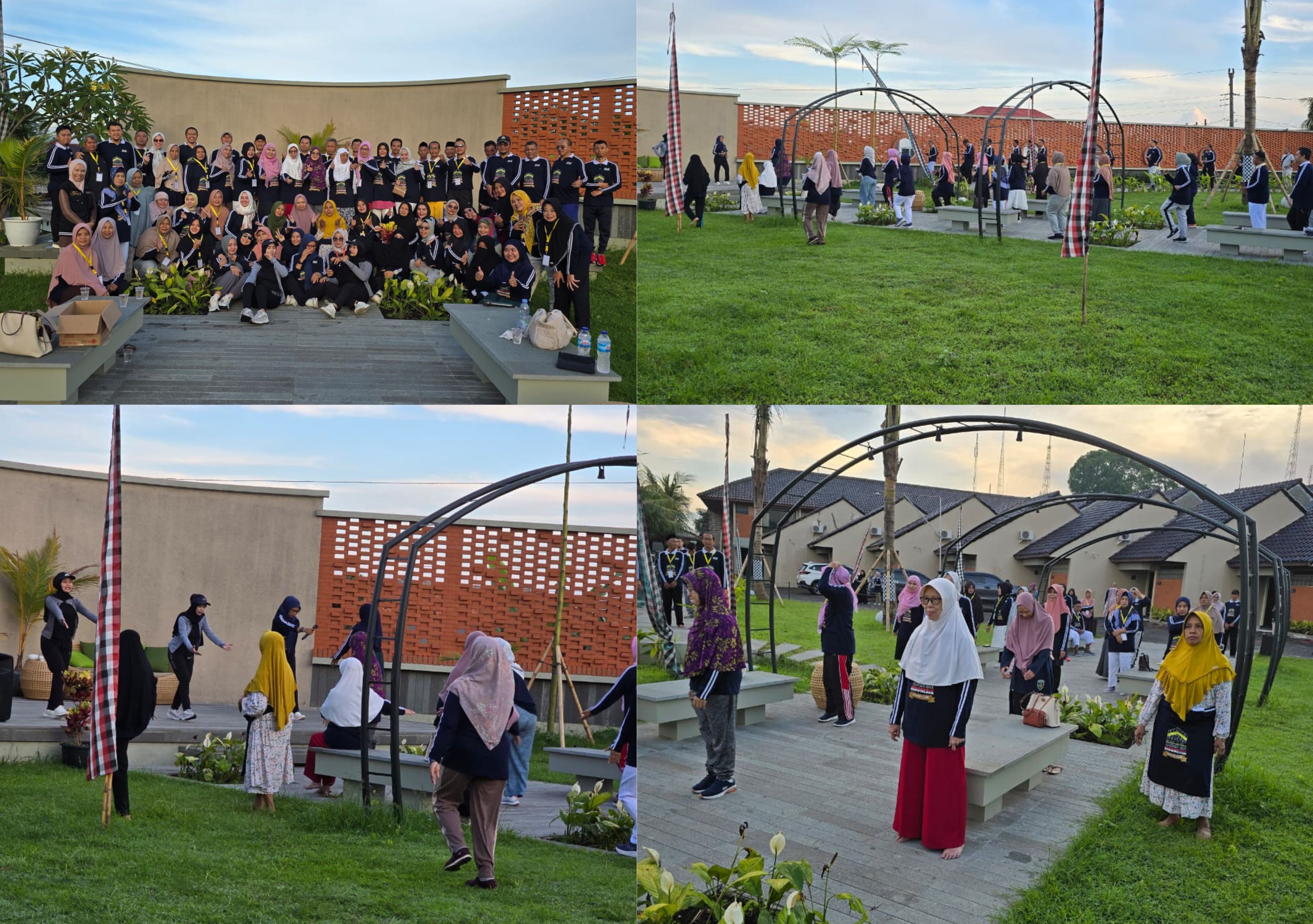
Implementation of a fitness training program for Hajj pilgrims based on structured exercises in the city of Semarang
Siti Baitul Mukarromah1, Sahri Sahri2, Gustiana Mega Anggita3, Rikha Liemiyah41. State University of Semarang , ID2. State University of Semarang , ID3. State University of Semarang , ID4. Universitas Dian Nuswantoro , ID2025-11-30|page 37-50AbstractThe majority of Hajj pilgrims in Semarang City are over 50 years old and have varying levels of physical fitness, with little to no structured physical activity prior to departure. This condition increases the risk of fatigue and musculoskeletal complaints and reduces physical readiness for performing the Hajj rituals. To address these needs, the service team implemented a structured exercise-based fitness training program tailored to the pilgrims' conditions. The program was conducted over eight weeks, with three training sessions per week, covering light to moderate intensity aerobic exercises, muscle strengthening, flexibility, and healthy lifestyle education related to nutrition, rest, and stress management. The methods and results of the activities were carried out in Semarang City, involving 75 pilgrims registered for the 2025 Hajj season. The program was implemented using a planned exercise method over eight weeks, with a frequency of three times a week, incorporating light to moderate intensity aerobic exercises, muscle strengthening to increase endurance, flexibility exercises, and healthy lifestyle education on diet, rest, and stress management. Evaluation was conducted through cardiorespiratory fitness tests (6-minute walk test), leg muscle strength measurements, and body mass index. The results of the program showed a significant improvement in the participants' fitness, marked by an increase in the 6MWT distance from 420.3 ± 52.1 meters to 510.7 ± 47.6 meters (p < 0.05), an 18.4% increase in leg muscle strength, and a decrease in average BMI of 0.9 kg/m². Participants also reported an improvement in motivation and a deeper understanding of the importance of physical preparation. This program has proven to be effective and can be recommended as a fitness training strategy for Hajj pilgrims.
APA Citation StyleMukarromah, S. B. , Sahri, S. , Anggita, G. M. , & Liemiyah, R. (2025). Implementation of a fitness training program for Hajj pilgrims based on structured exercises in the city of Semarang. Darmabakti: Jurnal Pengabdian kepada Masyarakat, 37-50. https://doi.org/10.56003/darmabakti.v2i1.667 -

Optimizing the use of personal smartphones to support safe and measurable physical activity among middle school students
Yudhi Teguh Pambudi1, Topo Suhartoyo2, Abdul Malik Firdaus3, Mukhammad Miftakhul Farkhan41. Jenderal Soedirman University , ID2. Jenderal Soedirman University , ID3. Jenderal Soedirman University , ID4. Sekolah Menengah Pertama Negeri 1 Banyumas , ID2026-05-23|page 51-58AbstractThe high smartphone ownership among junior high school students in Banyumas Regency (99%) has not been matched by their use to support physical fitness. The majority of device use is limited to entertainment (games or social media), and smartphone ownership has not been fully leveraged for its functions or its role in supporting physical activity. This community service program aims to educate and train students and teachers in utilizing smartphone-based sports applications to support higher-quality physical activity. The activity was carried out in partnership with the Subject Teacher Working Group (MGMP) Physical Education, Sports, and Health (PJOK) Junior High School (SMP) Sub Rayon 06 Banyumas, involving 16 teachers and 547 students. The implementation methods included socialization, training in the implementation of the Strava (performance monitoring) and IQAir AirVisual (environmental air quality monitoring) applications, and monitoring and evaluation. The activity results showed significant behavioral changes, with 99% of participants adopting the technology. This program successfully transformed smartphones from mere entertainment devices into health-tech tools, improved students' digital literacy, and created a safe, measurable, and data-driven sports culture in the school environment.
APA Citation StylePambudi, Y. T. , Suhartoyo, T. , Firdaus, A. M. , & Farkhan, M. M. (2026). Optimizing the use of personal smartphones to support safe and measurable physical activity among middle school students. Darmabakti: Jurnal Pengabdian kepada Masyarakat, 51-58. https://doi.org/10.56003/darmabakti.v2i2.668 -

A community-based physical therapy program focused on education and therapeutic exercises to reduce pain and improve independence among the elderly at the Bhakti Luhur Tropodo Nursing Home
Adiya Rindi Krisnaudi1, Martha Sri Astuti2, Anastasia Putu Martha Anggarani3, Oktaviani Masditaria Lase41. STIKES Katolik St. Vincentius a Paulo Surabaya , ID2. STIKES Katolik St. Vincentius a Paulo Surabaya , ID3. STIKES Katolik St.Vincentius a Paulo Surabaya , ID4. STIKES Katolik St. Vincentius a Paulo Surabaya , ID2026-05-23|page 88-94AbstractThis community service initiative was motivated by the high prevalence of musculoskeletal disorders among the elderly, particularly knee pain and lower back pain, which lead to a decline in functional capacity and independence. The objectives of this initiative are to enhance knowledge, reduce pain intensity, and improve the functional abilities of the elderly through a community-based physical therapy program. The methods used included health education, demonstrations of therapeutic exercises, and individualized exercise guidance. The interventions provided consisted of strengthening and flexibility exercises such as quadriceps sets, straight leg raises, heel slides, knee extensions, and bridging, as well as exercises for low back pain such as single knee to chest and double knee to chest. Evaluation was conducted through pre- and post-tests of knowledge and pain measurement using the Numeric Rating Scale (NRS). Results showed an increase in knowledge in the “good” category from 49% to 76%, as well as a reduction in severe knee pain from 23% to 6% and in back pain from 32% to 4%. Additionally, there was an improvement in the elderly participants’ ability to perform independent exercises, as well as an increased role for caregivers in supporting the elderly. This program effectively enhances physical, cognitive, and behavioral functioning, thereby contributing to sustained improvements in the quality of life for the elderly.
APA Citation StyleKrisnaudi, A. R. , Astuti, M. S. , Anggarani, A. P. M. , & Lase, O. M. (2026). A community-based physical therapy program focused on education and therapeutic exercises to reduce pain and improve independence among the elderly at the Bhakti Luhur Tropodo Nursing Home. Darmabakti: Jurnal Pengabdian kepada Masyarakat, 88-94. https://doi.org/10.56003/darmabakti.v2i2.717 -

Ruang senja: mental health education and support to improve the psychological well-being of the elderly in Tlompakan Village
Taofan Ali Achmadi1, Nanda Pertiwi2, Doflavio Farela Firdaus3, Sunardi Sunardi4, Srihatmini Srihatmini51. Fakultas Teknik, Universitas Negeri Semarang , ID2. Fakultas Ilmu Pendidikan dan Psikologi, Universitas Negeri Semarang , ID3. Fakultas Matematika dan Ilmu Pengetahuan Alam, Universitas Negeri Semarang , ID4. Kepala Desa Tlompakan, Kecamatan Tuntang, Kabupaten Semarang , ID5. Bidan Desa Tlompakan, Kecamatan Tuntang, Kabupaten Semarang , ID2026-05-23|page 59-67AbstractMental health issues among the elderly in Tlompakan Krajan Hamlet are often overlooked due to various changes, such as declining physical condition, reduced social roles, loss of a partner, and limited interaction with family. These conditions trigger feelings of loneliness, anxiety, and sadness that are often suppressed. The lack of sharing spaces and low mental health literacy put the elderly at risk of social isolation and a decline in overall quality of life. In response to these problems, KKN GIAT 15 UNNES, together with the Tlompakan Village Midwife, implemented the Senja Room program as a mental health education and support program for the elderly. The methods used were interactive lectures, discussions, and experience sharing, games for recognizing emotions and reflecting on gratitude, and relaxation practices using deep breathing and butterfly hug techniques. The results of the activity showed that the elderly were present and participated in all activities; participants began to dare to share their experiences in discussions; participants were able to understand and explain the importance of maintaining mental health; and most of the elderly appeared more relaxed after the relaxation session. This program helps seniors feel more valued, less alone, and motivated to stay socially and emotionally active. The Senja Room program is expected to be the first step toward building a community that cares more about seniors' psychological well-being.
APA Citation StyleAchmadi, T. A. , Pertiwi, N. , Firdaus, D. F. , Sunardi, S. , & Srihatmini, S. (2026). Ruang senja: mental health education and support to improve the psychological well-being of the elderly in Tlompakan Village. Darmabakti: Jurnal Pengabdian kepada Masyarakat, 59-67. https://doi.org/10.56003/darmabakti.v2i2.686 -

Healthy Community: Sports massage services for the residents of Ngawi City during Car Free Day
I Made Dwi Sastra Wargama1, Andy Widiya Bayu Utomo21. STKIP Modern Ngawi , ID2. STKIP Modern Ngawi , ID2025-05-31|page 54-63AbstractHigh physical activity among the people of Ngawi City, especially during Car Free Day (CFD), can increase the risk of physical and mental fatigue if not balanced with adequate recovery. To overcome this, the team from STKIP Modern Ngawi organized a community service program in the form of socialization and sports massage practices in the CFD area of Ngawi Square. This activity aims to increase public understanding of the importance of post-physical activity recovery and introduce sports massage as one of the effective methods to maintain fitness. The activity implementation method consisted of preparation, implementation, and evaluation stages. A total of 43 residents from various age groups and educational backgrounds actively participated in this activity. The evaluation results showed that participants felt the direct benefits of sports massage, such as muscle relaxation, improved blood circulation, and a general sense of comfort. In addition, this activity is also a means of education and strengthening student skills in field practice. Sports massage is proven to be an alternative solution in maintaining and restoring public health, and it has the potential to be a business opportunity in the future. In conclusion, this service activity effectively increases public awareness of the importance of maintaining health and fitness through simple, affordable, and applicable methods.
APA Citation StyleWargama, I. M. D. S. , & Utomo, A. W. B. (2025). Healthy Community: Sports massage services for the residents of Ngawi City during Car Free Day. Darmabakti: Jurnal Pengabdian kepada Masyarakat, 54-63. https://doi.org/10.56003/darmabakti.v1i2.595

1 - 6 of 6 items