Search
Search Results
##search.searchResults.foundPlural##
-

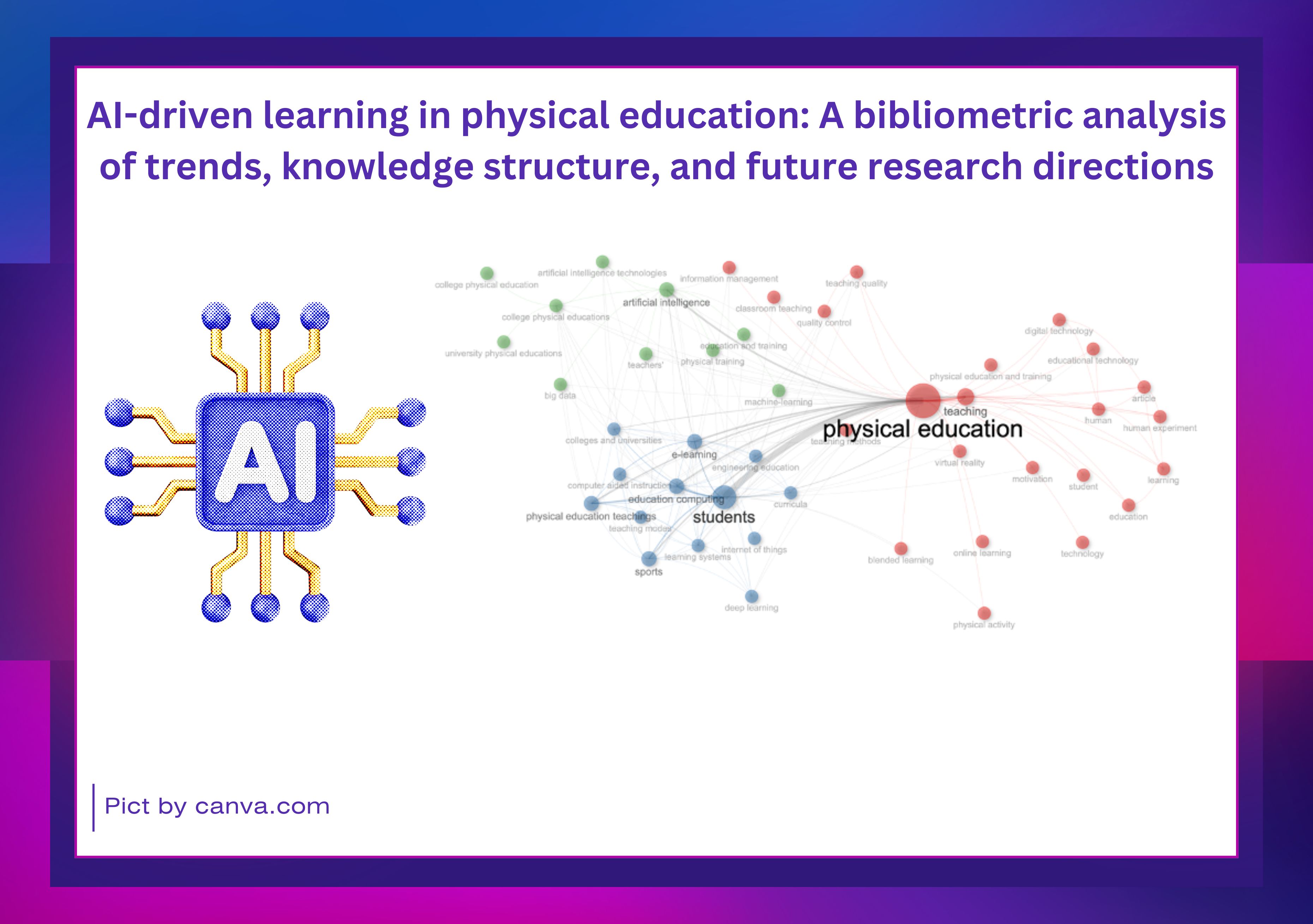
AI-driven learning in physical education: A bibliometric analysis of trends, knowledge structure, and future research directions
Amelia Larassary11. State Junior High School 1 Bunguran Tengah, Natuna Regency, Riau Islands , ID2026-04-06|page 102-118AbstractBackground: Although research on AI-driven learning in PE has expanded rapidly, existing studies remain fragmented across disciplines, journals, and methodological approaches, limiting a comprehensive understanding of the field's development and intellectual structure.
Objectives: This study aimed to systematically map the evolution, influential contributors, intellectual structure, dominant themes, and future research directions of AI-driven learning research in physical education from a bibliometric perspective.
Methods: A quantitative bibliometric analysis was conducted using data retrieved exclusively from the Scopus database. A total of 284 eligible documents published between 2020 and early 2026 were analyzed. Descriptive statistics were applied to examine publication trends, authorship, sources, institutions, and country contributions. Network and thematic analyses were performed using VOSviewer (version 1.6.20) and the Bibliometrix package in R to identify co-authorship patterns, keyword co-occurrence networks, and thematic clusters.
Results: The results indicate a sharp growth in AI-driven learning research in physical education after 2022, with publication output increasing more than fivefold from 2020 to 2025. China emerged as the leading contributing country, accounting for nearly half of the total publications, while institutional productivity was concentrated in several Russian universities. Keyword co-occurrence analysis revealed five major thematic clusters shaping the intellectual structure of the field, integrating pedagogical frameworks, computational intelligence, institutional contexts, and physical training models. Dominant research themes centered on pedagogical design, student engagement, adaptive learning systems, and the integration of educational technology. Emerging themes included virtual reality, advanced machine learning techniques, and immersive learning environments.
Conclusions: This study provides a structured and quantitative overview of AI-driven learning research in physical education, highlighting its interdisciplinary nature and rapid expansion.APA Citation StyleLarassary, A. (2026). AI-driven learning in physical education: A bibliometric analysis of trends, knowledge structure, and future research directions. Journal of Artificial Intelligence in Education & Learning Innovation, 102-118. https://doi.org/10.56003/jaieli.v1i2.673 -
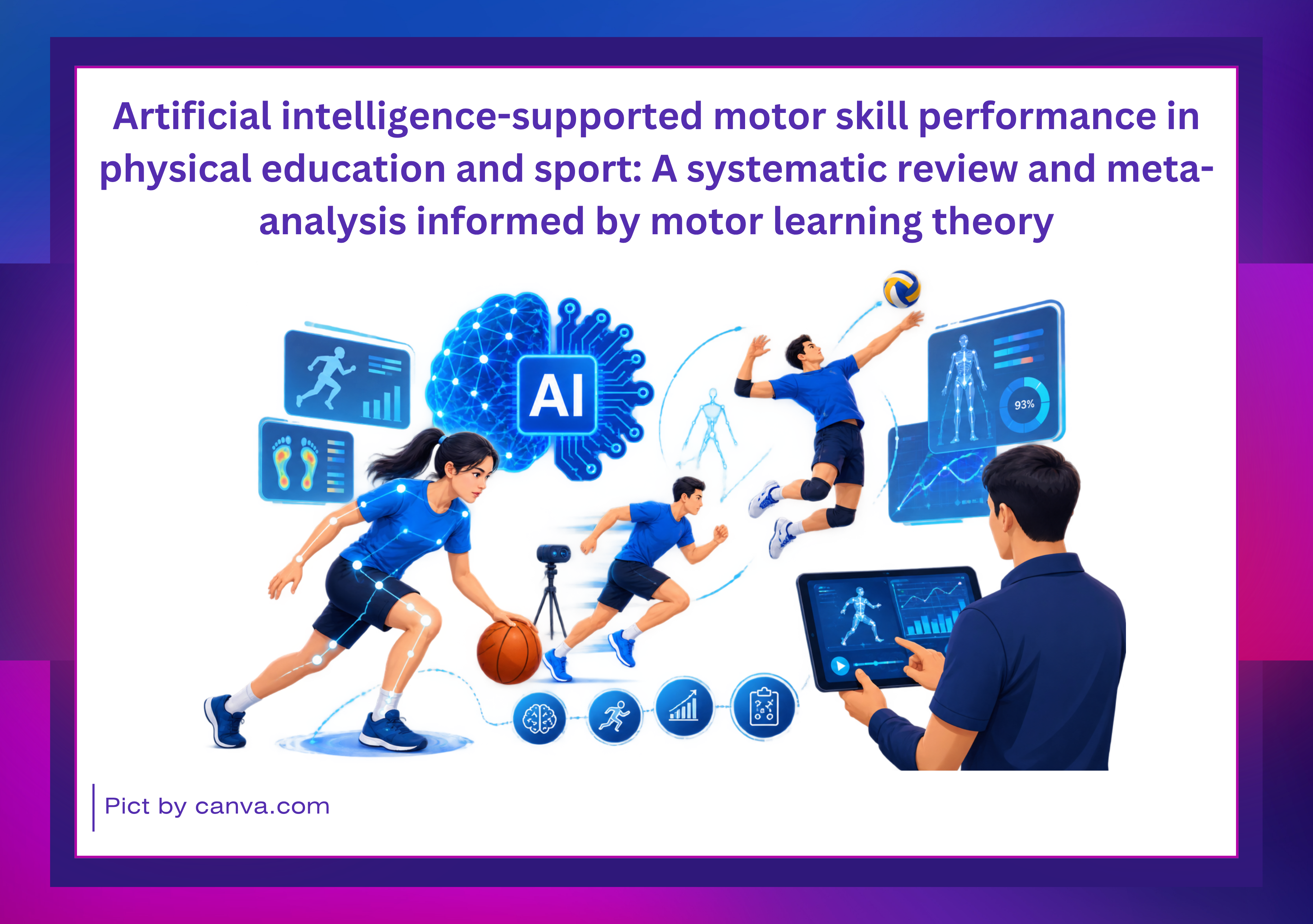
Artificial intelligence-supported motor skill performance in physical education and sport: A systematic review and meta-analysis informed by motor learning theory
Yulingga Nanda Hanief1, Vera Septi Sistiasih2, Ferdinando Cereda3, Spyridon Plakias41. Department of Sport Education, Faculty of Sports Science, Universitas Negeri Semarang , ID2. Department of Sport Education, Faculty of Sports Science, Universitas Negeri Semarang , ID3. Department of Education, The Catholic University of the Sacred Heart in Milan, Italy , IT4. Department of Physical Education and Sport Science, University of Thessaly , GR2026-08-30|page 44-71AbstractBackground: Artificial Intelligence (AI) has increasingly been integrated into physical education (PE) to support motor learning through technologies such as computer vision, motion tracking, intelligent tutoring systems, virtual reality, and generative AI. However, evidence regarding its effectiveness remains fragmented across different intervention types and learning contexts.
Objectives: This study aimed to evaluate the effects of AI-supported interventions on motor skill performance in physical education and sport settings and to synthesize complementary learning-related outcomes.
Methods: A systematic review and meta-analysis were conducted in accordance with PRISMA 2020. Scopus, PubMed, and ProQuest were searched through 22 June 2026. Eligible studies evaluated AI-supported, adaptive, or intelligent interventions in physical education, sport, or motor skill-learning contexts and reported learner-level motor performance; complementary learning-related outcomes were synthesized narratively. Risk of bias was assessed using RoB 2 and ROBINS-I, and standardized mean differences (SMDs) with 95% confidence intervals (CIs) were synthesized using a random-effects model.
Results: Fifteen studies were included in the qualitative synthesis; six contributed to the meta-analysis and nine were synthesized narratively. The pooled estimate favored the designated AI-supported experimental conditions over their comparators (SMD = 3.15, 95% CI 1.86–4.44; p < .001; I² = 98%). Given the small evidence base, very high heterogeneity, and variable risk of bias, the magnitude of this pooled effect is uncertain. Qualitative findings concerned short-term motor skill performance and complementary outcomes such as engagement, motivation, learning interest, and self-directed learning.
Conclusions: AI-supported interventions may improve short-term motor skill performance in some physical education and sport contexts and may support complementary learning-related outcomes. However, the evidence is preliminary and highly heterogeneous, and immediate post-intervention performance should not be interpreted as definitive evidence of durable motor learning, retention, or transfer. AI should be considered a complementary pedagogical tool rather than a replacement for teacher or coach expertise.
APA Citation StyleHanief, Y. N. , Sistiasih, V. S. , Cereda, F. , & Plakias, S. (2026). Artificial intelligence-supported motor skill performance in physical education and sport: A systematic review and meta-analysis informed by motor learning theory. Journal of Artificial Intelligence in Education & Learning Innovation, 44-71. https://doi.org/10.56003/jaieli.v2i1.753 -
Sports technology acceptance as a predictor of academic commitment among undergraduate physical education students in China
Yingxue Su11. Inner Normal Mongolia University , CN2026-09-08|page 72-84AbstractBackground: Sports analytics and digital learning technologies are increasingly incorporated into physical education and sport-related higher education. However, evidence regarding the relationship between students’ acceptance of sports-related technologies and their academic commitment remains limited, particularly among undergraduate Physical Education students in China.
Objectives: This study aimed to examine the association between Sports Technology Acceptance (STA) and Academic Commitment and to determine whether STA statistically predicts Academic Commitment within a cross-sectional structural model among undergraduate Physical Education students.
Methods: This quantitative study employed a cross-sectional correlational design involving 150 undergraduate students enrolled in the Bachelor of Physical Education program at Inner Mongolia Normal University, China, who were recruited using convenience sampling. Data were collected using the Higher Education Student Commitment Scale and an adapted Technology Use Tendency Scale in the Classroom to assess STA. Descriptive statistics, Pearson correlation analysis, and structural equation modeling (SEM) were performed using IBM SPSS Statistics 26 and IBM SPSS Amos 24.
Results: The mean Academic Commitment score was 3.68 (SD = 0.71), while the mean STA score was 4.01 (SD = 0.65). STA was moderately and positively correlated with Academic Commitment (r = .47, p < .01). The structural model showed a significant positive path from STA to Academic Commitment (β = .49, t = 6.81, p < .001), accounting for 24% of the variance in Academic Commitment (R² = .24). The reported model-fit indices indicated acceptable fit (CFI = .956, RMSEA = .057).
Conclusions: Sports Technology Acceptance was moderately and positively associated with Academic Commitment among undergraduate Physical Education students at one university in China. Within the cross-sectional structural model, STA accounted for 24% of the variance in Academic Commitment; therefore, the observed statistical prediction should not be interpreted as evidence of temporal or causal effects.
APA Citation StyleSu, Y. (2026). Sports technology acceptance as a predictor of academic commitment among undergraduate physical education students in China. Journal of Artificial Intelligence in Education & Learning Innovation, 72-84. https://doi.org/10.56003/jaieli.v2i1.748 -
Academic goals and learning strategies of pre-service teachers during emergency online learning in the Philippines
Swen Joshryll Acebes1, Jaizel Malitante2, Nikki Tuble3, Rowena Bongolto41. Mindanao State University - General Santos , PH2. Mindanao State University - General Santos , PH3. Mindanao State University - General Santos , PH4. Mindanao State University - General Santos , PH2025-10-08|page 32-49AbstractBackground: The COVID-19 pandemic has lasted an extended period, during which many students have reported being adversely affected by the escalating global crisis.
Objectives: This study examined the academic goals, learning barriers, facilitative strategies, and ways forward of pre-service teachers during emergency online learning.
Methods: This qualitative case study employed content analysis to examine data gathered through focus group discussions. To explore the implications of survey findings and gain deeper insights into students' perspectives on remote learning, the researchers conducted Focus Group Discussions (FGDs) with twelve purposively selected pre-service teachers via Google Meet. The discussion transcripts were analyzed to construct a compelling narrative, supported by literature and prior research, to explain emerging themes.
Results: Among the twelve participants, ten reported experiencing psychosocial stress, eight cited recurring technical issues, and seven mentioned financial constraints as significant learning barriers. Despite these challenges, the participants remained motivated to complete their coursework, viewing academic achievement as a stepping stone toward improving their socio-economic conditions. They employed various strategies, including scheduling, note-taking, goal-setting, optimistic thinking, parental scaffolding, and systematic planning, to adapt to online learning. To ensure credibility, the researchers used member checking, peer debriefing, and FGD and survey data triangulation.
Conclusions: These findings highlight the resilience and adaptability of pre-service teachers in navigating the challenges of emergency online learning, underscoring the need for supportive institutional policies and resources. Future research may consider comparing student experiences in public and private institutions or examining the long-term impact of emergency remote learning on teaching efficacy. Pedagogical and academic implications are further discussed.
APA Citation StyleAcebes, S. J. , Malitante, J. , Tuble, N. , & Bongolto, R. (2025). Academic goals and learning strategies of pre-service teachers during emergency online learning in the Philippines. Journal of Artificial Intelligence in Education & Learning Innovation, 32-49. https://doi.org/10.56003/jaieli.v1i1.569 -
The future of teaching: Analyzing the interplay between AI literacy and TPACK among BEED pre-service teachers
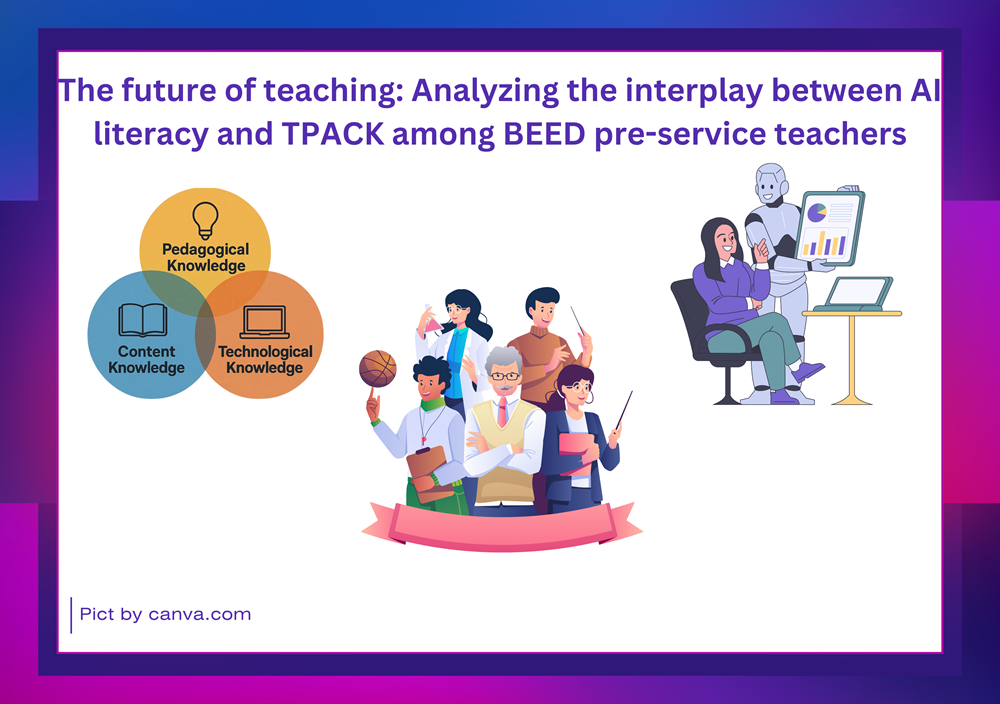
Karl Alvin Aglibot1, Chelsea Lorraine Rito2, Larence Villalon3, Nelvin Gampal 41. Mindanao State University - General Santos , PH2. Mindanao State University – General Santos , PH3. Mindanao State University – General Santos , PH4. Mindanao State University – General Santos , PH2025-10-08|page 50-65AbstractBackground: As artificial intelligence (AI) continues transforming the educational landscape, pre-service teachers must develop theoretical understanding and practical skills in AI integration.
Objectives: This study explored the relationship between AI literacy and TPACK among 139 BEED pre-service teachers.
Methods: Using descriptive statistics, Spearman's correlation, and multiple linear regression analysis, the study investigated how components of AI literacy relate to TPACK.
Results: Results revealed that the pre-service teachers demonstrated high levels of AI literacy, particularly in ethical awareness and intrinsic motivation. Pre-service teachers expressed strong interest in AI's educational potential and a commitment to its responsible use. While their foundational AI knowledge was high, many reported moderate self-efficacy and lacked confidence in executing AI-related tasks. Gaps were also noted in applying AI concepts to real-world teaching scenarios and designing AI-driven solutions. Furthermore, the results showed high TPACK proficiency, with strength in pedagogical and technological knowledge, though weaknesses were observed in content areas like mathematics and technical troubleshooting. A moderate positive correlation (Spearman's ρ = 0.48, p < 0.05) between AI literacy and TPACK indicates a meaningful association. Regression analysis revealed that AI literacy components explained 25.5% of the variance in TPACK. Cognitive learning emerged as the only significant predictor.
Conclusions: The findings underscore the need for teacher education programs to provide hands-on, cognitive-focused AI training. Hence, enhancing pre-service teachers' cognitive and practical skills is essential to thoroughly preparing them for AI-enhanced teaching environments' demands.
APA Citation StyleAglibot, K. A. , Rito, C. L. , Villalon, L. , & Gampal , N. (2025). The future of teaching: Analyzing the interplay between AI literacy and TPACK among BEED pre-service teachers. Journal of Artificial Intelligence in Education & Learning Innovation, 50-65. https://doi.org/10.56003/jaieli.v1i1.570 -
Navigating the infodemic through social media: A qualitative case study of Filipino university students’ learning experiences during the COVID-19 polycrisis
Janel Talaman1, Mc Denver Necosia2, Larence Villalon3, Edrian Mark Tomines41. Mindanao State University – General Santos , PH2. Mindanao State University – General Santos , PH3. Mindanao State University – General Santos , PH4. Mindanao State University - General Santos , PH2026-04-06|page 119-134AbstractBackground: The COVID-19 pandemic has triggered a complex crisis in higher education that has not only disrupted formal learning but also given rise to an infodemic through the rapid spread of misinformation on digital platforms, making social media both a source of learning and a source of epistemic risk for students.
Objectives: This study aims to explore how Filipino university students navigated learning experiences through social media during the COVID-19 polycrisis, focusing on preferred platforms, perceived educational relevance, and strategies for evaluating information credibility amid an infodemic.
Methods: A qualitative case study design was employed. Six Filipino university students enrolled in a Bachelor of Elementary Education program participated in this study through purposive sampling. Data were collected via online semi-structured interviews, group chat discussions, document analysis of shared social media content, and follow-up interviews. Thematic analysis was conducted following Braun and Clarke's framework to identify recurring patterns across data sources.
Results: Findings reveal that social media—particularly Facebook—served as a supplementary learning space, enabling students to access real-time information, engage with societal issues, and sustain their learning during the suspension of formal instruction. Students demonstrated active information-seeking behaviors, including cross-checking sources and exercising caution in sharing content. However, persistent exposure to misinformation highlighted their vulnerability within infodemic environments, especially in the absence of structured institutional guidance.
Conclusions: Social media can support authentic and socially relevant learning during educational disruption, but its pedagogical value depends on students' critical and digital literacy capacities.APA Citation StyleTalaman, J. , Necosia, M. D. , Villalon, L. , & Tomines, E. M. (2026). Navigating the infodemic through social media: A qualitative case study of Filipino university students’ learning experiences during the COVID-19 polycrisis. Journal of Artificial Intelligence in Education & Learning Innovation, 119-134. https://doi.org/10.56003/jaieli.v1i2.571 -

Enhancing basketball technique learning using I-spring application: A study in high school physical education
Hadi Saputro1, Rama Kurniawan2, Surya Adi Saputra3, Usman Wahyudi41. State University of Malang , ID2. State University of Malang , ID3. State University of Malang , ID4. State University of Malang , ID2025-10-08|page 1-14AbstractBackground: High school students feel less able to master the subject of Physical Education, Sports, and Health (PJOK) Basketball material in a relatively short meeting, so it needs innovative learning.
Objectives: This research was conducted to develop learning media for basketball game material based on the I-Spring application to facilitate students' learning.
Methods: This research uses the Research and Development (R&D) method using the ADDIE model, which refers to Lee and Owens. Data collection was done through direct observation and questionnaire distribution. The research subjects were the students of Senior High School 1 Gondanglegi, Malang Regency, Indonesia, which amounted to 866 students. The data analysis method used is descriptive qualitative using Likert scale calculation.
Results: The observation results showed that 95.5% of students had participated in basketball learning in class or on the field, 71.2% of students had difficulty learning the basic techniques of basketball games, and 92.4 students needed application-based learning media to understand more deeply and be able to practice basic basketball techniques. Small group trials on 10 students obtained results of 85.2% and 86.4% for large group trials with 30 students.
Conclusions: The developed product is feasible for PJOK learning, especially basketball material at State Senior High School 1 Gondanglegi. Future studies are encouraged to expand the material coverage and evaluate long-term learning outcomes using the developed application.
APA Citation StyleSaputro, H. , Kurniawan, R. , Saputra, S. A. , & Wahyudi, U. (2025). Enhancing basketball technique learning using I-spring application: A study in high school physical education. Journal of Artificial Intelligence in Education & Learning Innovation, 1-14. https://doi.org/10.56003/jaieli.v1i1.522 -

Development of KAREBU (cultural diversity card game) to enhance curiosity in fourth-grade elementary students
Etyka Rina Mahanani1, Erif Ahdhianto2, Yohannes Kurniawan Barus31. State University of Malang , ID2. State University of Malang , ID3. State University of Malang , ID2025-10-08|page 15-31AbstractBackground: Learning media is one of the important components of education.
Objectives: The purpose of this research and development was to develop the KAREBU (Cultural Diversity Card) learning media to strengthen the curiosity character of fourth-grade students in the subject of Natural and Social Sciences with local cultural diversity material that is valid, practical, and effective.
Methods: Using the ADDIE model (Analysis, Design, Development, Implementation, Evaluation), this study developed KAREBU cards integrated with augmented reality (AR) technology. This research instrument is in the form of interviews, observations, and questionnaires given to instrument experts, material experts, media experts, and users, including teachers and students. Data collection stages were carried out through observation, interviews, needs questionnaires, validation questionnaires, practicality questionnaires, and curiosity questionnaires before and after using the media.
Results: The results showed that the KAREBU learning media met the valid, practical, and effective criteria. KAREBU media received a validity score from material experts of 3.72 with a valid category, a score from media experts of 4.91 with a very valid category, and a score from users of 4.73 with a very valid category. The KAREBU learning media received a practicality score from teachers of 4.49 with a convenient category and a practicality score from students of 98.5% with a convenient category. The level of media effectiveness in strengthening students' curiosity was obtained from the results of the questionnaire before and after using the media, which was calculated using the N-Gain Score test with a value of 0.76 and high effectiveness criteria.
Conclusions: Therefore, it was concluded that the KAREBU learning media effectively strengthens students' curiosity. Further studies could explore the long-term impacts of KAREBU on cross-cultural empathy.
APA Citation StyleMahanani, E. R. , Ahdhianto, E. , & Barus, Y. K. (2025). Development of KAREBU (cultural diversity card game) to enhance curiosity in fourth-grade elementary students. Journal of Artificial Intelligence in Education & Learning Innovation, 15-31. https://doi.org/10.56003/jaieli.v1i1.526 -
Exploring the use of SIBIKU multimedia to enhance learning participation among deaf students in a special school context
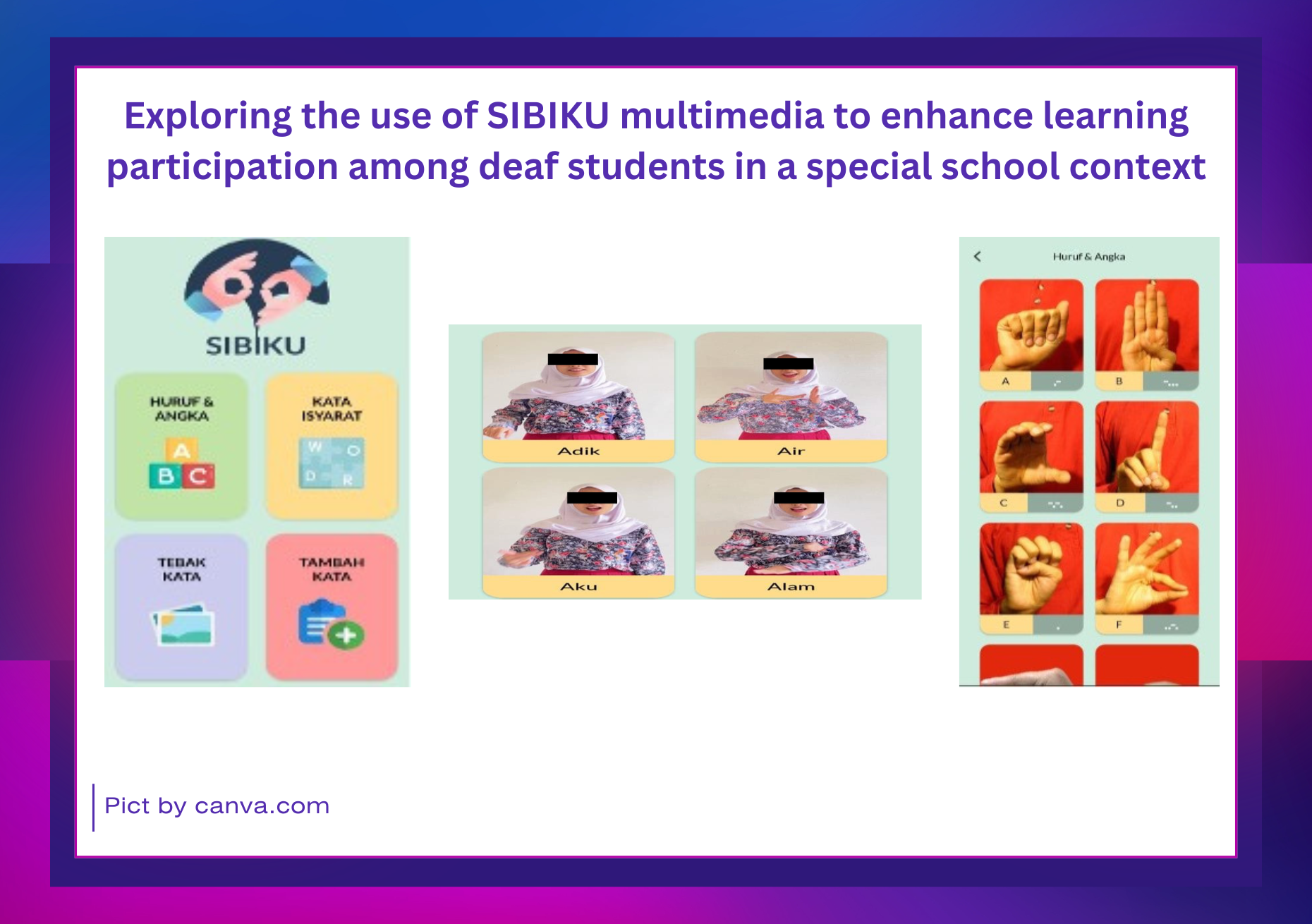
Nurina Ayuningtyas1, Ahmad Fajri Lutfi21. Universitas Muhammadiyah Kuningan , ID2. Universitas Muhammadiyah Kuningan , ID2026-04-06|page 135-147AbstractBackground: Observations at SLB C YPALB Perwari Kuningan indicate low motivation and limited participation among deaf students during learning activities. Interactive multimedia such as SIBIKU is expected to address these challenges.
Objectives: This study aims to (1) examine the implementation of SIBIKU multimedia in learning, (2) analyze students’ responses, and (3) evaluate changes in students’ learning participation and vocabulary acquisition.
Methods: This study employed a descriptive qualitative design with a field-based approach. Participants were selected using purposive sampling, consisting of one teacher and deaf students involved in computer learning activities. Data were collected through participatory observation, semi-structured interviews, and documentation. The main instrument was the researcher, supported by observation and interview guidelines. Data were analyzed using thematic analysis following Miles and Huberman’s model, including data reduction, data display, and conclusion drawing, with triangulation to ensure validity.
Results: The findings show that SIBIKU multimedia enhances student participation, as indicated by (1) increased attention to learning media, (2) active imitation of sign language movements, (3) higher frequency of student interaction and turn-taking, and (4) greater engagement in learning tasks such as word-guessing activities. Students also demonstrated improved motivation and more independent learning behavior.
Conclusions: SIBIKU multimedia provides a visually rich, interactive learning environment that effectively increases participation and engagement among deaf students, making it a promising tool for inclusive education.APA Citation StyleAyuningtyas, N. , & Lutfi, A. F. (2026). Exploring the use of SIBIKU multimedia to enhance learning participation among deaf students in a special school context. Journal of Artificial Intelligence in Education & Learning Innovation, 135-147. https://doi.org/10.56003/jaieli.v1i2.676 -

Effects of Chat-GPT (Generative Pre-Trained Transformer) in the Writing Skills of Undergraduate Students: A Scoping Review
Hamdoni Pangandaman1, Mirella Veras2, Samiel Macalaba3, Abolbashar Mangontawar4, Sittie Ainah Mai-Alauya5, Saliha Janine Gubaten6, Maslainie Aliola7, Norhanie Lininding8, Paida Abdulmalik9, Sittie Hainieh Taratingan101. Mindanao State University, Marawi City , PH2. Department of Physical Therapy, College of Rehabilitation Sciences, Rady Faculty of Health Sciences, University of Manitoba , CA3. Mindanao State University, Main Campus, Marawi City , PH4. Mindanao State University, Marawi City , PH5. Mindanao State University, Marawi City , PH6. Mindanao State University, Marawi City , PH7. Mindanao State University, Marawi City , PH8. Mindanao State University, Marawi City , PH9. Mindanao State University, Marawi City , PH10. Mindanao State University, Marawi City , PH2026-07-02|page 14-31AbstractBackground: The integration of artificial intelligence (AI) in academic settings has gained increasing attention, particularly in improving students' writing skills. ChatGPT, a generative AI tool, has been explored as a potential aid in academic writing, providing instant feedback and enhancing students' ability to structure, revise, and refine their written work. However, there remains a need to systematically assess its effectiveness in undergraduate education
Objectives: This study aimed to evaluate the impact of ChatGPT on the writing skills of undergraduate students through a scoping review, analyzing its effectiveness in enhancing grammar, vocabulary, coherence, and overall writing proficiency.
Methods: A scoping review methodology was employed to identify relevant studies published between 2020 and 2024. A comprehensive search was conducted across seven academic databases: ScienceDirect, Scopus, ProQuest, EBSCOhost, Sage Journals, Taylor & Francis, and PubMed, using Boolean operators and predefined inclusion criteria. The studies were appraised using the Joanna Briggs Institute (JBI) Critical Appraisal Tool for quasi-experimental research and the ROBVIS checklist for randomized controlled trials (RCTs) to assess the risk of bias. The synthesis was conducted following the Synthesis Without Meta-Analysis (SWiM) guidelines, with PRISMA used for article selection and appraisal.
Results: A total of nine studies were included in the review, conducted in Saudi Arabia, China, Ecuador, Indonesia, Iran, Pakistan, and India, involving a total of 839 undergraduate students. The duration of interventions varied, with most lasting between 10 to 16 weeks. The overall risk of bias was low, indicating strong methodological reliability. The findings revealed that ChatGPT significantly improved students' writing proficiency, particularly in areas of grammatical accuracy, vocabulary use, organization, and argument structure. Also, students using ChatGPT exhibited increased engagement and motivation in writing tasks compared to traditional methods. However, some studies cautioned against over-reliance on AI-generated text and raised concerns about academic integrity and originality.
Conclusion: ChatGPT demonstrates promising potential as an AI-assisted writing tool, offering immediate feedback, structured learning support, and improved writing outcomes for undergraduate students. While its effectiveness is evident, further research is needed to establish best practices for integrating AI into academic writing instruction, ensuring that students develop critical thinking and independent writing skills while leveraging AI’s benefits responsibly.
APA Citation StylePangandaman, H. , Veras, M. , Macalaba, S. , Mangontawar, A. , Mai-Alauya, S. A. , Gubaten, S. J. , Aliola, M. , Lininding, N. , Abdulmalik, P. , & Taratingan, S. H. (2026). Effects of Chat-GPT (Generative Pre-Trained Transformer) in the Writing Skills of Undergraduate Students: A Scoping Review. Journal of Artificial Intelligence in Education & Learning Innovation, 14-31. https://doi.org/10.56003/jaieli.v2i1.712 -
ChatGPT as a coping mechanism: Postgraduate use under supervisory gaps in South-South Nigerian tertiary institutions
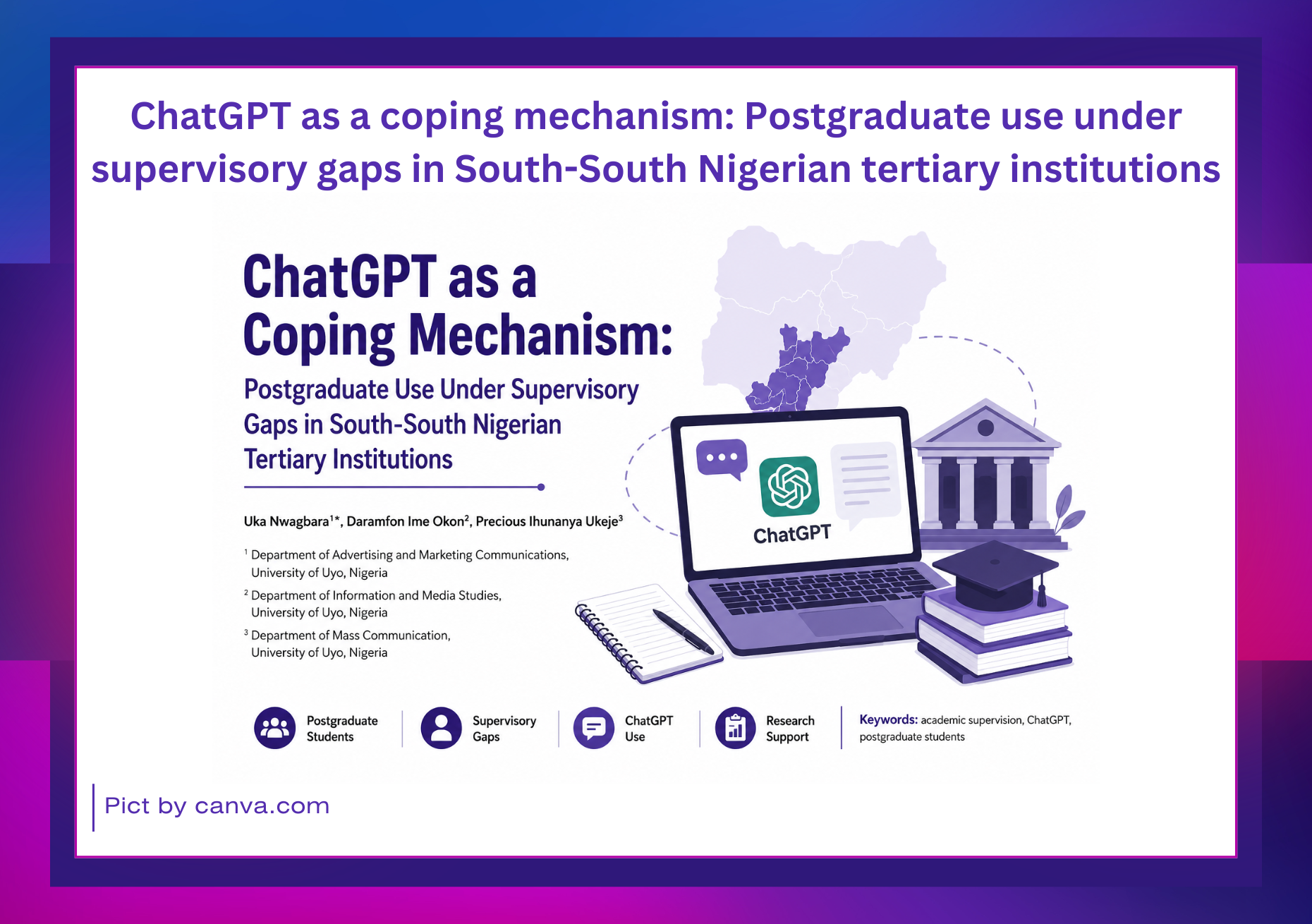
Uka Nwagbara1, Daramfon Okon2, Precious Ukeje31. University of Uyo , NG2. University of Uyo , NG3. University of Uyo , NG2026-07-02|page 1-13AbstractBackground: Generative AI tools like ChatGPT are common in higher education, especially where students lack timely academic support. In many South-South Nigerian universities, gaps in postgraduate supervision may influence how students use such tools.
Objectives: This study examines how postgraduate students become aware of ChatGPT, how much they use it, and why they rely on it when supervision is limited.
Methods: A qualitative exploratory design was used. Twenty-one postgraduate students were purposively selected from universities in South-South Nigeria. Data were collected through online semi-structured interviews using a validated guide. Inductive thematic analysis, using Braun & Clarke’s framework, was applied to identify patterns in the data.
Results: Findings show that awareness of ChatGPT is mostly informal, driven by peers, social media, and personal trial and error. Many students use ChatGPT frequently, especially during proposal writing, data analysis, and thesis development. Its use is strongly linked to delays or gaps in supervision.
Conclusions: ChatGPT is widely used as a support tool and coping strategy, rather than merely a convenience. Its role reflects gaps in supervision and the need for clearer institutional guidance and training.
APA Citation StyleNwagbara, U. , Okon, D. , & Ukeje, P. (2026). ChatGPT as a coping mechanism: Postgraduate use under supervisory gaps in South-South Nigerian tertiary institutions. Journal of Artificial Intelligence in Education & Learning Innovation, 1-13. https://doi.org/10.56003/jaieli.v2i1.711 -
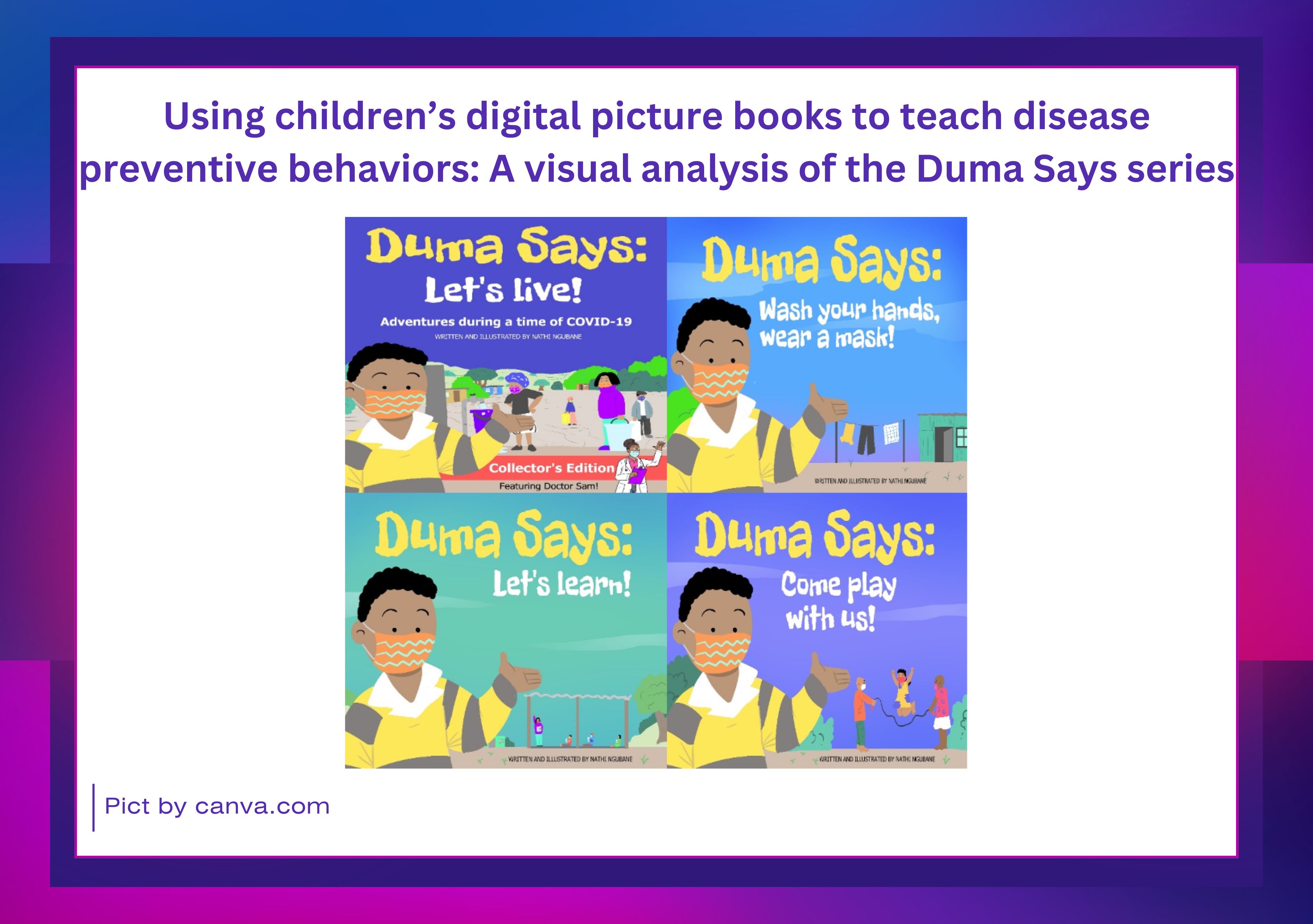
Using children’s digital picture books to teach disease preventive behaviors: A visual analysis of the Duma Says series
Esmeraldo Sarad1, Charmen Cabatuan2, Cleo Tionson3, April Grace Subong41. Mindanao State University - General Santos , PH2. Mindanao State University - General Santos , PH3. Mindanao State University - General Santos , PH4. Mindanao State University - General Santos , PH2026-04-06|page 89-101AbstractBackground: During health emergencies such as the COVID-19 pandemic, children require accessible and developmentally appropriate resources to understand disease prevention and health-related behaviors. Children’s digital picture books have emerged as a promising medium for conveying public health messages through visual storytelling and age-appropriate narratives.
Objectives: This study aimed to examine how children’s digital picture books represent disease preventive behaviors and moral values, using the Duma Says series as a case study.
Methods: A qualitative visual and textual analysis was conducted on four digital picture books from the Duma Says Collector’s Edition. The study employed qualitative visual analysis and a critical discourse approach to examine representations of hygiene practices, social responsibility, and community engagement embedded in both images and narratives.
Results: The findings indicate that the Duma Says series effectively integrates key COVID-19 preventive behaviors—such as handwashing, mask-wearing, social distancing, and sanitation—within child-friendly language and culturally contextualized visuals. In addition to promoting health practices, the books emphasize values of hope, responsibility, cooperation, and service, portraying children as active contributors to community well-being during a crisis.
Conclusions: Children’s digital picture books, such as the Duma Says series, function as effective educational tools for promoting disease prevention awareness and values-based learning. Incorporating culturally grounded digital picture books into early childhood and health education may strengthen children’s health literacy, emotional resilience, and sense of social responsibility during public health emergencies.APA Citation StyleSarad, E. , Cabatuan, C. , Tionson, C. , & Subong, A. G. (2026). Using children’s digital picture books to teach disease preventive behaviors: A visual analysis of the Duma Says series. Journal of Artificial Intelligence in Education & Learning Innovation, 89-101. https://doi.org/10.56003/jaieli.v1i2.572

1 - 12 of 12 items