Search
Search Results
##search.searchResults.foundPlural##
-


Optimizing the psychological well-being of the elderly in Sempulur Village through psychoeducation based on self-reflection and social interaction
Nailah Rizkiyanti Salma1, Azka Fauziah2, Khoiril Anam3, Sugiarto Sugiarto41. State University of Semarang , ID2. State University of Semarang , ID3. State University of Semarang , ID4. Pemerintah Desa Sempulur, Sempulur, Kecamatan Karaggede, Kabupaten Boyolali, Provinsi Jawa Tengah , ID2026-05-23|page 68-75AbstractThe increasing elderly population demands serious attention to psychological well-being, particularly in communities with limited social support. Observations in Sempulur Village indicate that many elderly people live alone, have limited social activities, and receive minimal psychological stimulation. This community service program aims to improve the psychological well-being of elderly people through a psychoeducational program based on self-reflection and social interaction. The implementation method involves several stages: needs analysis, program design, activity implementation, and evaluation. The program is implemented through participatory group activities that include healthy elderly exercise, reflection on life experiences (reminiscence), and art therapy to stimulate aspects of self- acceptance, autonomy, and purpose in life. A total of 15 elderly people (1 man and 14 women) participated in a series of programs that were evaluated through a psychological well-being survey and participatory observation. Results showed increased social participation, active involvement in group activities, and increased self-expression and a sense of meaning in life. Furthermore, this program also had a positive impact by providing a forum for psychosocial activities that can be utilized sustainably by the village community. Thus, this program contributes to improving the psychological well-being of elderly people in a community-based manner.
APA Citation StyleSalma, N. R. , Fauziah, A. , Anam, K. , & Sugiarto, S. (2026). Optimizing the psychological well-being of the elderly in Sempulur Village through psychoeducation based on self-reflection and social interaction. Darmabakti: Jurnal Pengabdian kepada Masyarakat, 68-75. https://doi.org/10.56003/darmabakti.v2i2.700 -

Mapping the psychological profiles of athletes at the Nusantara Petanque Club in Kediri as a basis for developing a mental training program
Moch Yunus1, Sapto Adi2, Abdian Asgi Sukmana3, Ulma Erdilanita41. State University of Malang , ID2. State University of Malang , ID3. Universitas Nusantara PGRI Kediri , ID4. Indonesia University of Education , ID2025-11-22|page 20-28AbstractThis community service activity was motivated by a problem faced by the Nusantara Petanque Club Kediri, namely the lack of comprehensive mapping of athletes' psychological profiles as a basis for developing mental training programs. This situation has led coaches to continue relying on general approaches that fail to address the psychological needs of individual athletes. This activity aims to map the psychological profiles of Petanque athletes, covering six main components, namely concentration, resilience, self-efficacy, mental toughness, anxiety, and decision-making, as a first step in strengthening the mental capacity of athletes. The community service was conducted on October 25, 2025, at the Nusantara Petanque Club Kediri training facility, involving 14 active athletes. The implementation method employed a survey-based community service approach, involving the stages of coordination, socialization, completion of standardized psychological instruments, and quantitative descriptive data analysis using frequency distribution. The results of the study indicate that mental toughness, self-efficacy, and resilience fall into the high category, while decision-making tends to be moderate, and concentration is relatively low. These findings confirm that Petanque athletes' mental preparedness is quite strong, but there is a need to improve their ability to focus and make decisions under pressure. This activity contributes to providing an empirical basis for coaches to develop more specific, measurable, and sustainable psychological training programs.
APA Citation StyleYunus, M. , Adi, S. , Sukmana, A. A. , & Erdilanita, U. (2025). Mapping the psychological profiles of athletes at the Nusantara Petanque Club in Kediri as a basis for developing a mental training program. Darmabakti: Jurnal Pengabdian kepada Masyarakat, 20-28. https://doi.org/10.56003/darmabakti.v2i1.658 -

Ruang senja: mental health education and support to improve the psychological well-being of the elderly in Tlompakan Village
Taofan Ali Achmadi1, Nanda Pertiwi2, Doflavio Farela Firdaus3, Sunardi Sunardi4, Srihatmini Srihatmini51. Fakultas Teknik, Universitas Negeri Semarang , ID2. Fakultas Ilmu Pendidikan dan Psikologi, Universitas Negeri Semarang , ID3. Fakultas Matematika dan Ilmu Pengetahuan Alam, Universitas Negeri Semarang , ID4. Kepala Desa Tlompakan, Kecamatan Tuntang, Kabupaten Semarang , ID5. Bidan Desa Tlompakan, Kecamatan Tuntang, Kabupaten Semarang , ID2026-05-23|page 59-67AbstractMental health issues among the elderly in Tlompakan Krajan Hamlet are often overlooked due to various changes, such as declining physical condition, reduced social roles, loss of a partner, and limited interaction with family. These conditions trigger feelings of loneliness, anxiety, and sadness that are often suppressed. The lack of sharing spaces and low mental health literacy put the elderly at risk of social isolation and a decline in overall quality of life. In response to these problems, KKN GIAT 15 UNNES, together with the Tlompakan Village Midwife, implemented the Senja Room program as a mental health education and support program for the elderly. The methods used were interactive lectures, discussions, and experience sharing, games for recognizing emotions and reflecting on gratitude, and relaxation practices using deep breathing and butterfly hug techniques. The results of the activity showed that the elderly were present and participated in all activities; participants began to dare to share their experiences in discussions; participants were able to understand and explain the importance of maintaining mental health; and most of the elderly appeared more relaxed after the relaxation session. This program helps seniors feel more valued, less alone, and motivated to stay socially and emotionally active. The Senja Room program is expected to be the first step toward building a community that cares more about seniors' psychological well-being.
APA Citation StyleAchmadi, T. A. , Pertiwi, N. , Firdaus, D. F. , Sunardi, S. , & Srihatmini, S. (2026). Ruang senja: mental health education and support to improve the psychological well-being of the elderly in Tlompakan Village. Darmabakti: Jurnal Pengabdian kepada Masyarakat, 59-67. https://doi.org/10.56003/darmabakti.v2i2.686 -
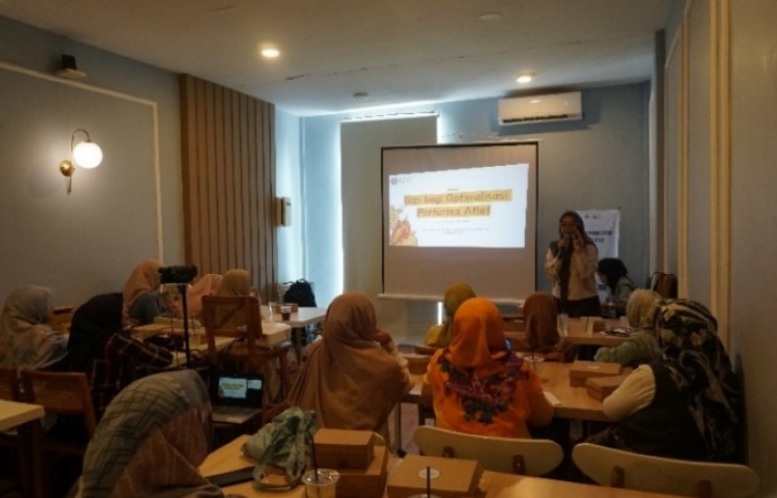
Strategies for improving athlete performance through training load monitoring training at Barracuda’s Swimming Club
Prisca Widiawati1, Yulingga Nanda Hanief2, Ulma Erdilanita3, I Kadek Ryo Prananda41. State University of Malang , ID2. State University of Malang , ID3. Indonesia University of Education , ID4. State University of Malang , ID2025-02-15|page 23-31AbstractTraining load training (training load) is one of the essential strategies for improving athlete performance. The lack of understanding of coaches and athletes regarding training load calculations is the main focus of the service team. This activity aims to apply the concept of training load calculation at Barracuda's Swimming Club to minimize the risk of injury and overtraining and improve athlete performance. Training load is divided into external and internal training loads, where external loads measure the physical work done by athletes, while internal loads evaluate physiological and psychological responses to exercise. Through a Community-Based Participatory Research (CBPR) approach, this service program collaborates with coaches, athletes, and guardians to develop and implement an appropriate program. Training activities included two sessions, with material on training load calculation, Long-Term Athlete Development (LTAD), training load management, and the role of nutrition in supporting athlete performance. The pre-test and post-test results significantly increased participants' understanding of the training load. Based on the Paired T-Test analysis, there was a significant difference between the pretest and post-test scores with a p-value of 0.000, confirming that the training was effective in improving participants' understanding of training load calculation. Therefore, this program plays a crucial role in empowering coaches to make informed decisions to manage training loads, minimize injuries, and maximize athletes' potential.
APA Citation StyleWidiawati, P. , Hanief, Y. N. , Erdilanita, U. , & Ryo Prananda, I. K. (2025). Strategies for improving athlete performance through training load monitoring training at Barracuda’s Swimming Club. Darmabakti: Jurnal Pengabdian kepada Masyarakat, 23-31. https://doi.org/10.56003/darmabakti.v1i1.404

1 - 4 of 4 items