Search
Search Results
##search.searchResults.foundPlural##
-

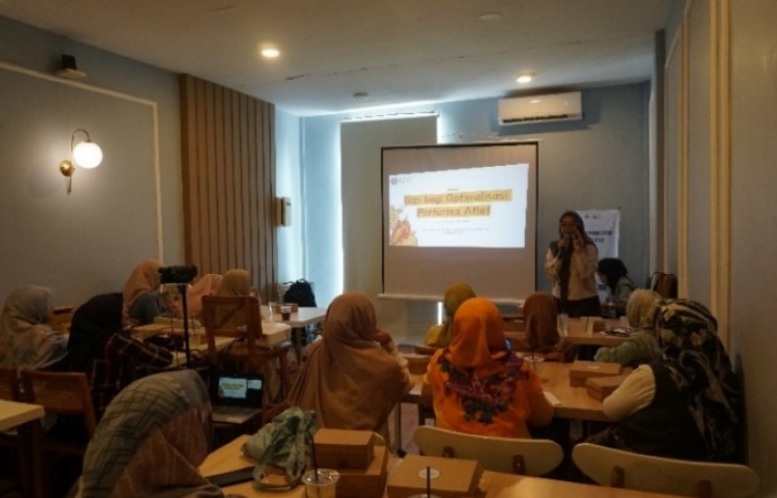
Strategies for improving athlete performance through training load monitoring training at Barracuda’s Swimming Club
Prisca Widiawati1, Yulingga Nanda Hanief2, Ulma Erdilanita3, I Kadek Ryo Prananda41. State University of Malang , ID2. State University of Malang , ID3. Indonesia University of Education , ID4. State University of Malang , ID2025-02-15|page 23-31AbstractTraining load training (training load) is one of the essential strategies for improving athlete performance. The lack of understanding of coaches and athletes regarding training load calculations is the main focus of the service team. This activity aims to apply the concept of training load calculation at Barracuda's Swimming Club to minimize the risk of injury and overtraining and improve athlete performance. Training load is divided into external and internal training loads, where external loads measure the physical work done by athletes, while internal loads evaluate physiological and psychological responses to exercise. Through a Community-Based Participatory Research (CBPR) approach, this service program collaborates with coaches, athletes, and guardians to develop and implement an appropriate program. Training activities included two sessions, with material on training load calculation, Long-Term Athlete Development (LTAD), training load management, and the role of nutrition in supporting athlete performance. The pre-test and post-test results significantly increased participants' understanding of the training load. Based on the Paired T-Test analysis, there was a significant difference between the pretest and post-test scores with a p-value of 0.000, confirming that the training was effective in improving participants' understanding of training load calculation. Therefore, this program plays a crucial role in empowering coaches to make informed decisions to manage training loads, minimize injuries, and maximize athletes' potential.
APA Citation StyleWidiawati, P. , Hanief, Y. N. , Erdilanita, U. , & Ryo Prananda, I. K. (2025). Strategies for improving athlete performance through training load monitoring training at Barracuda’s Swimming Club. Darmabakti: Jurnal Pengabdian kepada Masyarakat, 23-31. https://doi.org/10.56003/darmabakti.v1i1.404 -
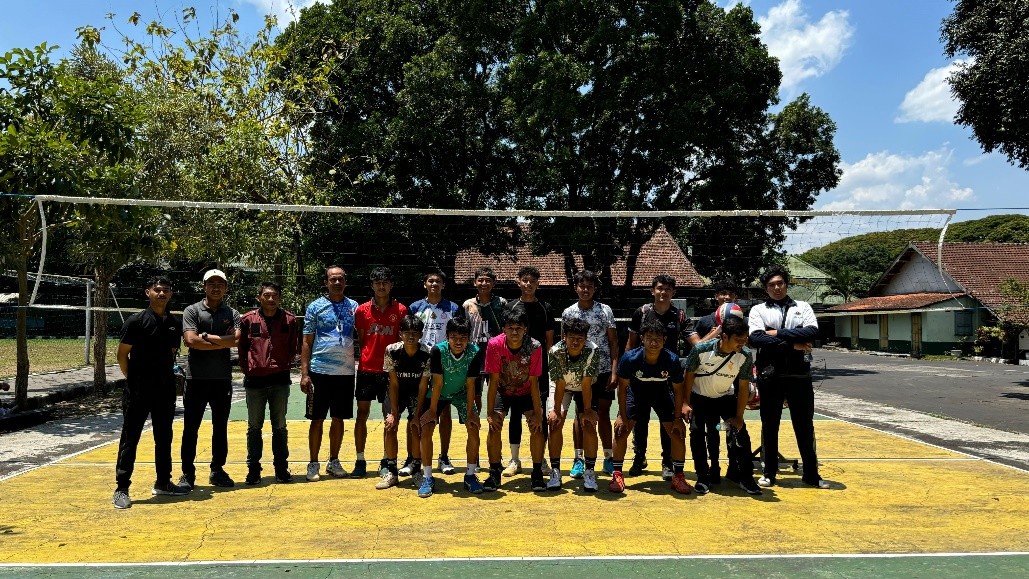
Assessment of volleyball skills as part of the development of young athletes at the Bahana Muda Club
Mahesa Dwi Chandra1, Usamah Daffa Inzaghi21. State University of Malang , ID2. State University of Malang , ID2025-06-22|page 64-70AbstractPeriodic performance evaluation is the primary foundation for improving athlete performance, especially in sports that demand high technical abilities, such as volleyball. Data-based evaluation is an important instrument for objectively identifying the strengths and weaknesses of athletes, as well as the basis for formulating targeted training programs. This community service program aims to evaluate volleyball playing skills by measuring the technical skills of athletes at the Bahana Muda Club in Malang City. This activity involved 20 male athletes who had experience competing in the Provincial Sports Week (Porprov) event and was carried out with a participatory approach. Several skill tests include passing, service, and smash/spike tests. The measurement results showed that most athletes were in the moderate category (40%), followed by the deficient category (30%), and only one athlete occupied the excellent category. These findings indicate that performance gaps between athletes require more individualized and structured training interventions. In addition to producing preliminary data on athlete performance, this activity also benefits coaches' awareness of the importance of data-based evaluation in coaching. In conclusion, the performance assessment carried out in this service program provides an objective picture of the athlete's technical readiness. It can become the basis for preparing an adaptive and sustainable training program. Therefore, it is recommended that evaluative activities like this be carried out regularly to monitor progress and ensure the continuity of athlete performance improvement.
APA Citation StyleChandra, M. D. , & Inzaghi, U. D. (2025). Assessment of volleyball skills as part of the development of young athletes at the Bahana Muda Club. Darmabakti: Jurnal Pengabdian kepada Masyarakat, 64-70. https://doi.org/10.56003/darmabakti.v1i2.602 -

Strengthening basic soccer skills through a ball-handling training program for young children at SSB Rabbani Putra Mandiri
Ferdy Nur Alfiansyah1, Imam Hariadi21. State University of Malang , ID2. State University of Malang , ID2025-07-04|page 71-77AbstractDribbling ability is an essential basic skill in early childhood soccer. However, preliminary observations at SSB Rabbani Putra Mandiri show that the 10-year-old age group still has difficulties maintaining ball control while dribbling, such as the ball being too far from the feet, uncontrolled direction of movement, and being easily captured by opponents. This service activity aims to improve dribbling skills through a specially designed ball feeling training program based on the principles of Long-Term Athlete Development (LTAD). The implementation method used an experimental one-group pretest-posttest design with 20 participants. The training program was conducted for 22 meetings, and dribbling skills were measured using tests from Winarno (2006). The evaluation results showed a significant increase in the average value of dribbling skills, from 51.35 in the pretest to 61.75 in the posttest. The Paired T-Test test results showed a p value <0.05, which means there is a significant difference between before and after training. In conclusion, the ball feeling training program effectively improves dribbling skills in early age players. This program is expected to be adopted as part of the early childhood football training curriculum on an ongoing basis. This service activity supports the achievement of the SDGs, especially Goal 3 (healthy and prosperous life) and Goal 4 (quality education), through providing quality education.
APA Citation StyleAlfiansyah, F. N. , & Hariadi, I. (2025). Strengthening basic soccer skills through a ball-handling training program for young children at SSB Rabbani Putra Mandiri. Darmabakti: Jurnal Pengabdian kepada Masyarakat, 71-77. https://doi.org/10.56003/darmabakti.v1i2.606 -

Building young athletes' basic technical skills through an overhead pass training program at the Satria Sejati volleyball club in Semarang
M. Dandy Aryadi1, Didik Cahyono21. Universitas PGRI Semarang , ID2. Mulawarman University , ID2025-11-21|page 13-19AbstractOverhead passing skills are a fundamental technique in volleyball that often poses a challenge for young athletes, including those at the Satria Sejati Volleyball Club in Semarang. Based on initial observations, most athletes struggle to control the direction of the ball, maintain the power of their push, and keep a stable hand position. This community service activity aims to enhance the overhead passing skills of young athletes by applying a practical and easy-to-implement wall passing training method. The activity was conducted over a period of two months, with training sessions held three times a week, involving 24 athletes aged 13–17 years. The implementation method employed an experimental approach with a pretest–posttest design, where data were analyzed descriptively by comparing mean differences. The results showed an increase in passing ability from an average of 35.75 to 39.41, with a difference of 3.66 points. This improvement reflects the effectiveness of wall training in improving ball control, pushing power, and bounce accuracy. This activity also had a positive impact on increasing athlete motivation, while strengthening coaches' capacity to continuously apply scientifically based training models in the club environment.
APA Citation StyleAryadi, M. D. , & Cahyono, D. (2025). Building young athletes' basic technical skills through an overhead pass training program at the Satria Sejati volleyball club in Semarang. Darmabakti: Jurnal Pengabdian kepada Masyarakat, 13-19. https://doi.org/10.56003/darmabakti.v2i1.654

1 - 4 of 4 items