Search
Search Results
##search.searchResults.foundPlural##
-


Optimizing the use of personal smartphones to support safe and measurable physical activity among middle school students
Yudhi Teguh Pambudi1, Topo Suhartoyo2, Abdul Malik Firdaus3, Mukhammad Miftakhul Farkhan41. Jenderal Soedirman University , ID2. Jenderal Soedirman University , ID3. Jenderal Soedirman University , ID4. Sekolah Menengah Pertama Negeri 1 Banyumas , ID2026-05-23|page 51-58AbstractThe high smartphone ownership among junior high school students in Banyumas Regency (99%) has not been matched by their use to support physical fitness. The majority of device use is limited to entertainment (games or social media), and smartphone ownership has not been fully leveraged for its functions or its role in supporting physical activity. This community service program aims to educate and train students and teachers in utilizing smartphone-based sports applications to support higher-quality physical activity. The activity was carried out in partnership with the Subject Teacher Working Group (MGMP) Physical Education, Sports, and Health (PJOK) Junior High School (SMP) Sub Rayon 06 Banyumas, involving 16 teachers and 547 students. The implementation methods included socialization, training in the implementation of the Strava (performance monitoring) and IQAir AirVisual (environmental air quality monitoring) applications, and monitoring and evaluation. The activity results showed significant behavioral changes, with 99% of participants adopting the technology. This program successfully transformed smartphones from mere entertainment devices into health-tech tools, improved students' digital literacy, and created a safe, measurable, and data-driven sports culture in the school environment.
APA Citation StylePambudi, Y. T. , Suhartoyo, T. , Firdaus, A. M. , & Farkhan, M. M. (2026). Optimizing the use of personal smartphones to support safe and measurable physical activity among middle school students. Darmabakti: Jurnal Pengabdian kepada Masyarakat, 51-58. https://doi.org/10.56003/darmabakti.v2i2.668 -
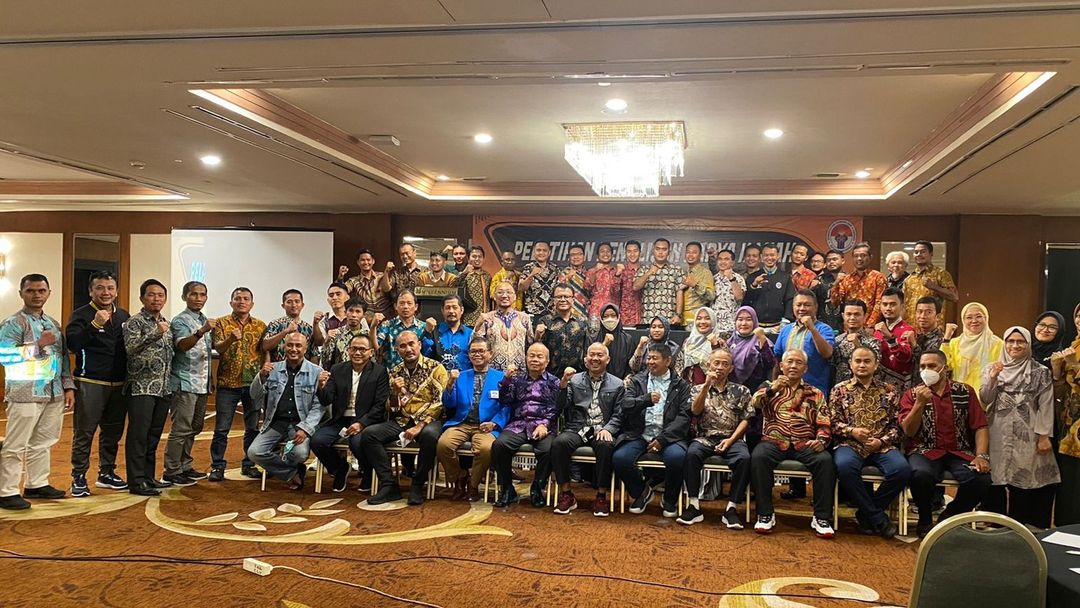
Training and mentoring in scientific article writing using artificial intelligence for physical education teachers in Indonesia
Mashuri Eko Winarno1, Tandiyo Rahayu2, Suroto Suroto3, Wahjoedi Wahjoedi4, Firmansyah Dlis5, Gusril Gusril6, Caly Setiawan7, Rif’iy Qomarullah8, Muhamad Syamsul Taufik9, Aridhotul Haqiyah10, Karisdha Pradityana11, Yulingga Nanda Hanief121. State University of Malang , ID2. State University of Semarang , ID3. Universitas Negeri Surabaya , ID4. Ganesha University of Education , ID5. State University of Jakarta , ID6. ID7. Yogyakarta State University , ID8. Cenderawasih University , ID9. Universitas Suryakancana , ID10. Universitas Islam 45 Bekasi , ID11. Universitas Islam 45 Bekasi , ID12. State University of Malang , ID2025-02-15|page 14-22AbstractPhysical education teachers face several scholarly writing challenges that can hinder their effectiveness in communicating research and pedagogical practices. One significant issue is the need for more training in academic writing, which often results in difficulties in structuring and clearly articulating their ideas. This activity aims to assist Physical Education, Sports, and Health (PJOK) teachers in improving their knowledge and understanding of writing scientific papers with the help of artificial intelligence. This activity was attended by 25 PJOK teachers who have joined the National Sports Teachers Association (IGORNAS) from various provinces in Indonesia. This activity consists of 3 stages: pre-activity, activity, and post-activity. The output of this activity, in addition to increasing knowledge of writing scientific articles with the help of artificial intelligence, is also in the form of articles submitted to the Indonesian Educational Sports Journal (JOPI). To find out whether there is an increase or not, an initial test and a final test are carried out. The instrument used to determine the initial and final knowledge is a questionnaire loaded in Google Forms. The participants accessed and filled out the questionnaire in one room simultaneously. Whether there is an increase is known from the increase in the average score of the initial and final tests. The results of training and mentoring activities show that the experience of submitting to journals has increased by 56% because all authors must send the manuscripts prepared during training to JOPI. In comparison, the second highest percentage occurs in increasing knowledge of plagiarism checker applications (24%). Meanwhile, the understanding of the bibliography writing model did not improve at all. While AI holds promise for supporting teachers in scientific writing, it is crucial to balance its use with critical evaluation and ethical standards.
APA Citation StyleWinarno, M. E. , Rahayu, T. , Suroto, S. , Wahjoedi, W. , Dlis, F. , Gusril, G. , Setiawan, C. , Qomarullah, R. , Taufik, M. S. , Haqiyah, A. , Pradityana, K. , & Hanief, Y. N. (2025). Training and mentoring in scientific article writing using artificial intelligence for physical education teachers in Indonesia. Darmabakti: Jurnal Pengabdian kepada Masyarakat, 14-22. https://doi.org/10.56003/darmabakti.v1i1.394

1 - 2 of 2 items